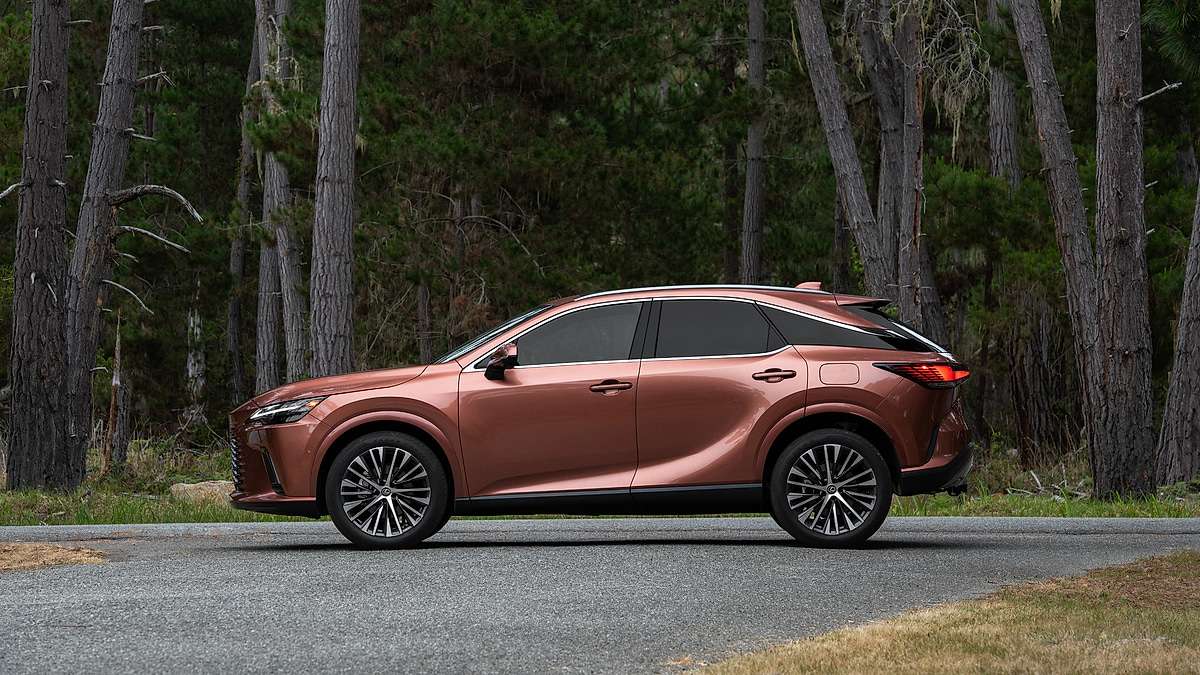

The 2026 Lexus RX350h, a vehicle positioned as a premium hybrid SUV, is drawing sharp criticism for its interior design and user experience, with one recent loaner driver calling the door latches a "gimmick" and the cabin "cheap." This isn't just about personal preference; it points to a broader trend of manufacturers prioritizing sleek, minimalist aesthetics over intuitive functionality and perceived quality, even in segments where tactile satisfaction is paramount. When a brand like Lexus, built on a reputation for craftsmanship and user-friendly design, struggles with basic interface elements, it signals a potential disconnect between engineering and real-world owner expectations.
First impressions are that it’s quiet. Rarely do you hear the engine. I think those complaints aren’t with much merit tbh. Prob just assumptions.
The lack of buttons sucks tbh. I couldn’t figure out how to change radio stations till a while later. Going through screens sucks ass tbh.
The door latch is such a gimmick. The button feels like cheap plastic, too
The ride quality is 10/10. Very quiet
The interior definitely looks cheap. My ES300h 2022 looks greatly better / luxurious.
Inquired about the new generation ES, and the lady said they had her compare the new fully loaded ES to the base models of competitors. The fully loaded ES is 80K, and she still felt the competition was better if they had a trim up ( which is still below 80K price)
The initial assessment from Reddit user Too_Cool_4_U paints a picture of conflicting priorities within Lexus design. While the RX350h's ride quality and powertrain refinement earn high marks, the interior ergonomics and material choices fall short, particularly when compared to the brand's own recent past. The "10/10" ride quality and quiet operation are hallmarks of Lexus, demonstrating that the core engineering for comfort remains strong. However, the frustration with basic functions like changing radio stations points to a fundamental flaw in the user interface strategy.
The shift from physical buttons to touchscreen-only controls is a decision many automakers have made, often in the name of modernity and reduced clutter. Yet, as Too_Cool_4_U shows, this often comes at the cost of usability and driver distraction. Trying to navigate menus for a simple task like changing a radio station while driving is not just inconvenient; it's a safety hazard, forcing eyes off the road for far too long. This is a design choice that prioritizes form over function, a misstep for a brand that built its legacy on seamless operation.
The criticism of the electronic door latch as a "gimmick" with a "cheap plastic" button is particularly telling. Lexus introduced this E-Latch system across several new models, touting its sleek integration. However, the tactile experience of a door handle is important; it's one of the first physical interactions an owner has with the vehicle. If that interaction feels flimsy or unintuitive, it immediately undermines the perception of quality, regardless of how advanced the underlying technology might be.
Reddit user rollintwinurmomdildo, responding to Too_Cool_4_U's post, offered a different perspective on some of these points, particularly regarding the engine and interior materials. "The engine is fine if you drive it normally," they wrote, "For the daily bumping around, it’s very quiet." This suggests that the powertrain's quietness is indeed a consistent positive, reinforcing Too_Cool_4_U's initial praise.
The engine is fine if you drive it normally. The actual people who buy these vehicles are not flooring and racing them around. For the daily bumping around, it’s very quiet.
I use Spotify, so I don’t deal with the radio interface at all. No insight on that.
Door latches somehow made the doors super hard to shut. Need to slam them, or you gotta restart.
Don’t agree about being cheap. I love that there is almost no black plastic. I love the wood steering wheel feeling.
However, rollintwinurmomdildo's experience with the door latches introduces a new, more concerning issue: "Door latches somehow made the doors super hard to shut. Need to slam them, or you gotta restart." This isn't just a matter of perceived cheapness; it's a functional problem where a basic vehicle operation requires excessive force or a re-attempt. A door that doesn't close easily on a luxury vehicle is a significant quality control failure, one that Lexus should be addressing immediately.
Lexus RX350h: Hybrid Luxury SUV Under Scrutiny
- The 2026 Lexus RX350h is a mid-size luxury hybrid SUV, typically offering a 2.5-liter four-cylinder engine paired with electric motors for a combined output of around 246 horsepower. It aims to deliver a balance of fuel efficiency and refined performance within the premium segment.
- Its interior features a large touchscreen infotainment system, often 14 inches, which consolidates many controls previously managed by physical buttons. This design choice is intended to create a minimalist dashboard but has drawn criticism for usability.
- The vehicle utilizes an electronic E-Latch door release system, replacing traditional mechanical handles with a push-button mechanism both inside and out. This system requires a specific motion to operate and has been noted for its tactile feel and occasional operational issues.
- The RX350h competes in a fiercely contested segment against vehicles like the Acura MDX, BMW X5, Mercedes-Benz GLE, and Genesis GV80, with pricing for well-equipped models often exceeding $60,000. Its value proposition is increasingly scrutinized against these rivals.
The debate over interior material quality also shows a potential inconsistency. While Too_Cool_4_U found the interior "cheap" and preferred their 2022 ES300h, rollintwinurmomdildo countered, "Don’t agree about cheap. I love that there is almost no black plastic. I love the wood steering wheel feeling." This discrepancy could stem from different trim levels, as suggested by general_huaaaaa.
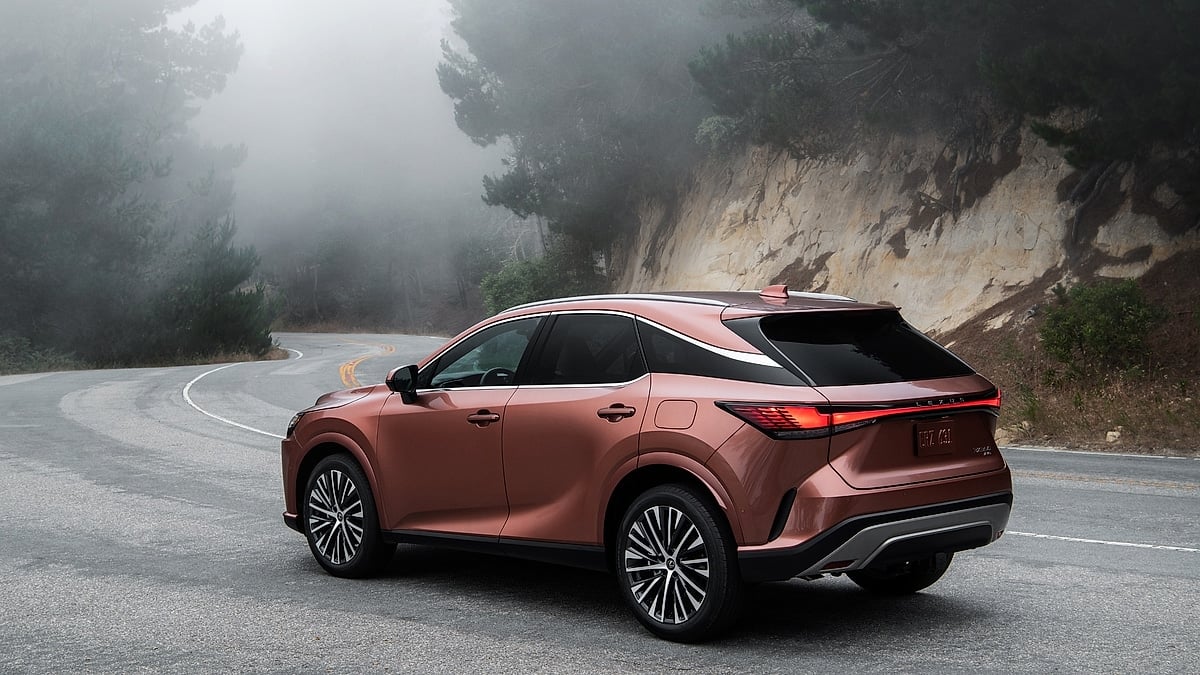
Reddit user general_huaaaaa, a 2025 ES350 Luxury and 2024 Rivian R1T owner, provided context: "I think op might have got a rare base model as a loaner." Those have black plastic near the center console area, unlike other trims." This observation is critical. If Lexus is allowing base models with noticeably cheaper interior appointments to serve as loaners, it's a misstep in brand presentation. A loaner vehicle is often a customer's first or only experience with a new generation model, and providing a less-than-premium experience can actively deter future purchases.
The final point from Too_Cool_4_U regarding the new ES generation is perhaps the most damning. The sales associate's admission that a fully loaded $80,000 ES struggles against base models of competitors, and still falls short of mid-trim competitors, indicates Lexus's current market positioning and value proposition are weak. This isn't a single owner's opinion; it's an internal assessment from someone on the front lines. When a manufacturer's own sales staff concedes that competitors offer better value at a lower price point, it signals a fundamental problem with product strategy and pricing structure. Lexus needs to re-evaluate what it means to offer "luxury" in a rapidly evolving market, where perceived value now extends far beyond badge appeal.
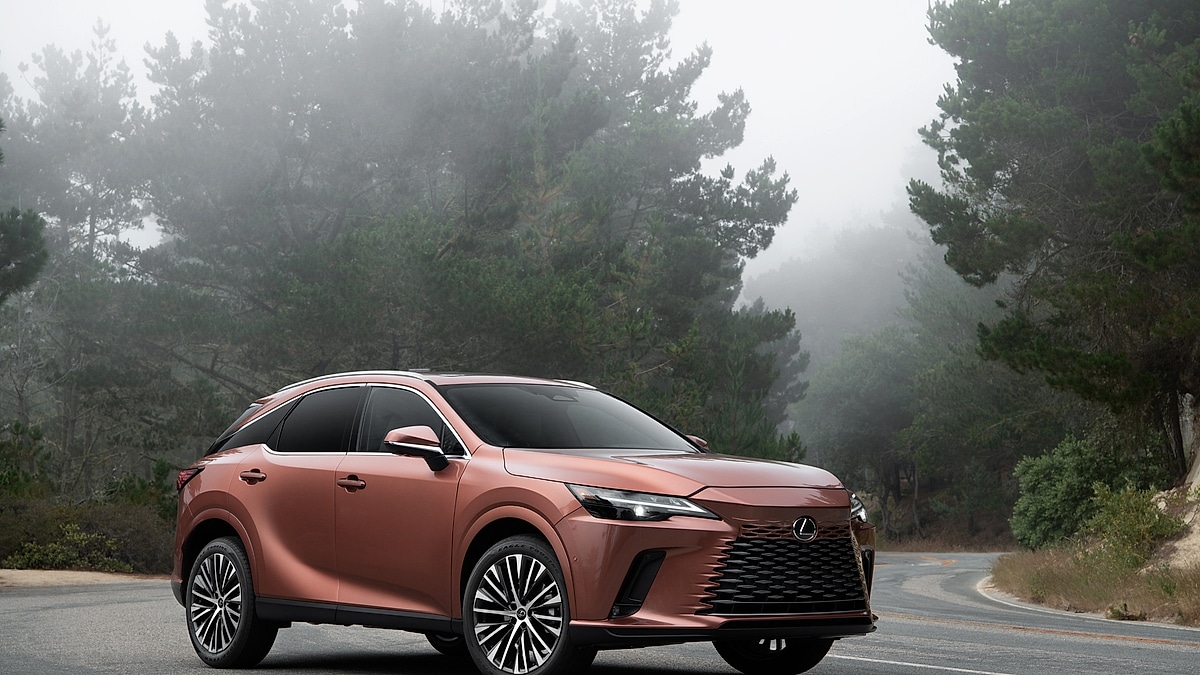
The 2026 Lexus RX350h, despite its commendable ride and quiet operation, presents a troubling regression in interior design, material quality, and user interface. The reliance on frustrating touchscreen controls and the implementation of a problematic electronic door latch show a prioritization of aesthetics over functionality and a misjudgment of what constitutes a premium experience. When combined with internal admissions that even top-tier Lexus models struggle to compete on value, it is clear that Lexus is at a crossroads, risking its hard-earned reputation for quality and intuitive luxury in pursuit of a misguided vision of modernity.
Image Sources: Lexus Media Center
About The Author
Noah Washington is an automotive journalist based in Atlanta, Georgia, covering sports cars, luxury vehicles, and performance culture. His reporting focuses on explaining the engineering, design philosophy, and real-world ownership experience behind modern vehicles.
Noah has been immersed in the automotive world since his early teens, attending industry events and following the enthusiast communities that shape how cars are built and driven today. His work blends industry insight with enthusiastic storytelling, helping readers understand not just what a car is, but why it matters.
Noah is also a member of the Southeast Automotive Media Association (SAMA), a professional organization for automotive journalists and industry media in the Southeast.
His coverage regularly explores sports cars, luxury vehicles, and performance-driven segments of the automotive industry, including the evolving culture surrounding Formula Drift and enthusiast builds.
Read more of Noah's work on his author profile page.
You can also follow Noah here:
Set Torque News as Preferred Source on Google
Follow us today...