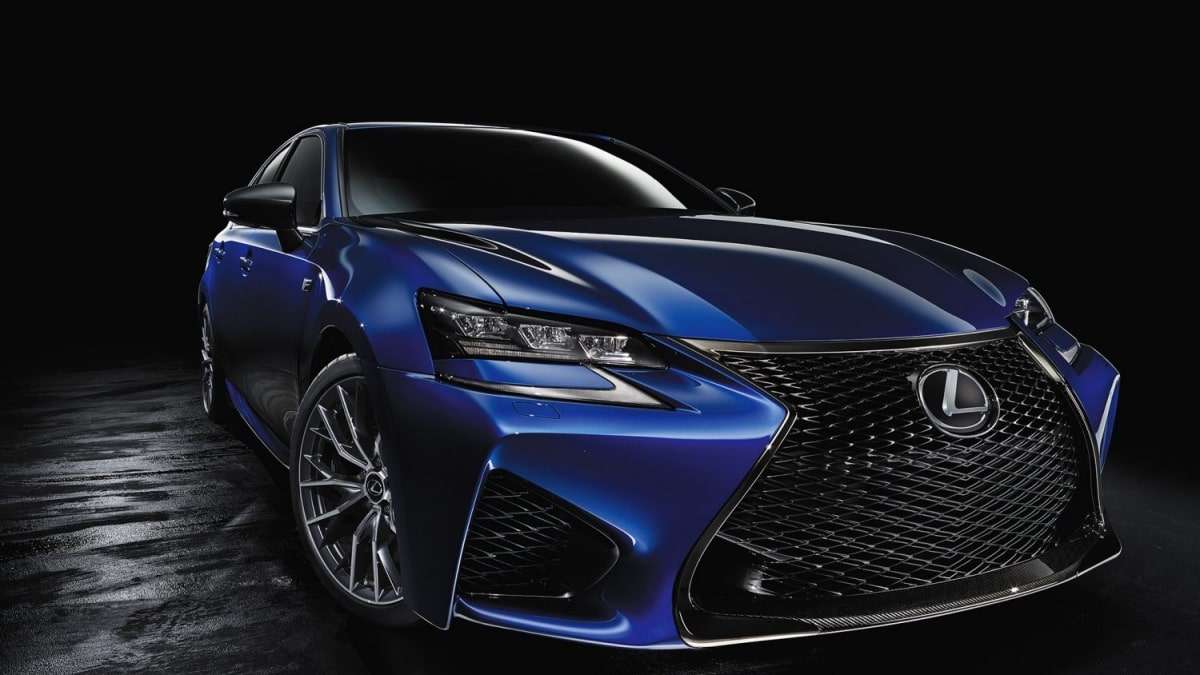

Some cars are truly appreciated when they come of age, and Lexus GS-F is a great example. Toyota’s luxury arm consistently ranks high in terms of quality and reliability, and because of this, the vast majority of Lexus models are extremely good at retaining value. The GS is the brand’s midsize luxury sedan offering, slotting between the IS and LS models.
When it comes to performance luxury sedans, the German trio - Mercedes, BMW, and Audi - are dominating the scene, with models like the M5, AMG E63, and RS7. Currently, Lexus doesn’t have a presence in this segment, as the GS-F was discontinued back in 2020, after slow sales.
You can still buy the IS500 with the same engine, but that one is smaller. But recently, I stumbled upon a Cars and Bids video on Facebook, and it got me thinking about the GS-F’s resale value on the used market, compared to German analogs, and why things are what they are.
It seems, only in recent years, people started warming up to the Lexus GS-F performance sedan. In typical (for Toyota and Lexus) fashion, people are willing to pay a lot more for one compared to, let’s say, a BMW M5 F10. There are a few key reasons for that and not all of them are mentioned by the aforementioned video.
A luxury sedan that’s also a driver’s car
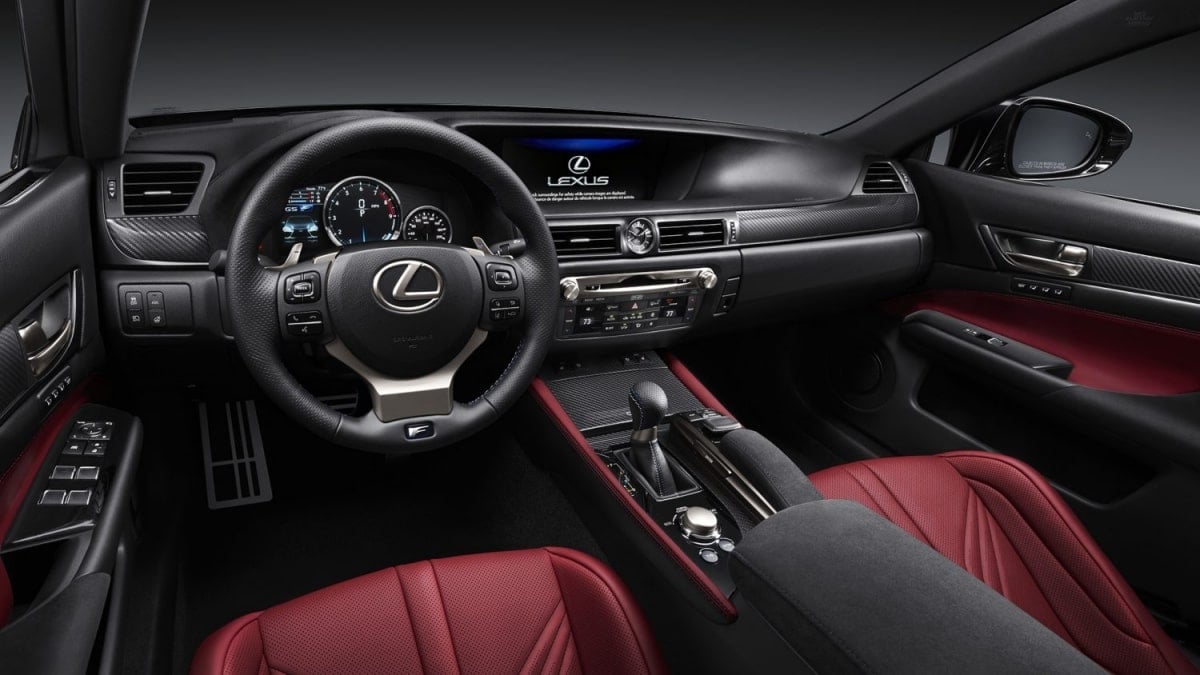
When the GS-F came out, it was quickly touted as the “modern-day M5 E39 from Japan”. The company designed it as a driver-focused luxury sedan that didn't rely too much on complex electronics. Everything from the driver-centric cockpit to the steel chassis with excessive spot welding, and track-tuned, double-wishbone suspension screamed “corner-carver” rather than “highway missile”, despite a 4,111-pound curb weight. This makes the GS-F feel much lighter than it actually is. This is usually something journalists like me say about BMW models, but at the time, the Bavarian carmaker had already started making heavier cars.
A no-frills V-8
Another reason the Lexus GS-F strikes a chord with enthusiasts is the engine. In times when everyone switches to forced induction and less displacement, Lexus gave us a 5.0-liter, normally-aspirated V-8. The 2UR-GSE is a marvel of engineering and a bulwark of reliability in a world infested by tech-burdened luxury performance cars that love draining your wallet every month because something decided to give out. And the noise? One of the loudest, most distinctive V-8 sounds of any modern V-8.
Rarity
No official records exist as the Lexus GS production numbers also include the GS-F, but between 2016 and 2020, a total of over 32,000 Lexus GS were reportedly produced. The US market received 2.484 units. The first year saw the biggest number of cars sold in the US - 1,416 units - while 2020 saw only 200 units sold.
At the time of writing this article, Cars and Bids shows only 13 results for the Lexus GS-F, all of which exchanged hands within the last two years. There are currently none listed for sale on this website. The highest price on Cars and Bids for a Lexus GS-F is $70,000 for a 2020 model, but early 2016 models are not that far off, with three of them having been sold for $64,501 (in 2024) and the others for $56,000 and $60,000 (in 2025) respectively.
Meanwhile, Cars and Bids shows BMW M5 F10 prices consistently at the $24,000 to $35,000 range, with very few examples creeping to over $40,000. The W213 Mercedes E63 AMG is doing better with some models even creeping to over $70,000, but for the most part, you can find examples for $40,000 or less. As for the Audi RS7, you can find those for under $30,000.
Reliability
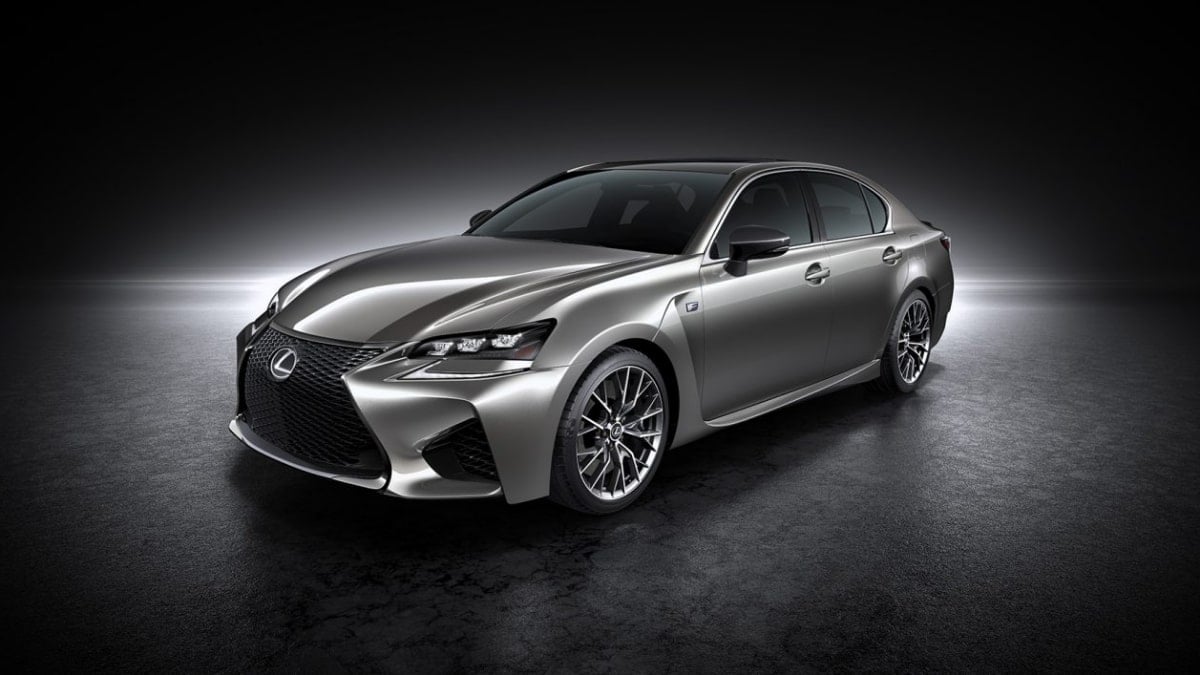
But the main reason why people pay a lot more for the Lexus GS-F compared to German analogs isn’t the glorious V-8 or the superb chassis. It’s reliable. According to Consumer Reports, Lexus is at the top in terms of reliability.
The GS-F’s average annual maintenance cost is also lower than comparable German models like the BMW M5. Reliability is especially important when it comes to luxury performance cars, which feature the most advanced (and expensive) tech, and every repair is accompanied by a hefty bill.
Why the Lexus GS-F wasn’t a sales hit when new

The 2016-2020 Lexus GS-F is becoming popular now, but when new, the model did not sell well. It’s nine years later, when people started seeing the value of these cars, and there are a few reasons.
Less power than the competition
The Lexus GS-F’s main party trick is its 5.0-liter normally-aspirated V-8. With 467 horsepower at 7,100 RPM and 390 pound-feet (530 Nm) at 4,800 to 5,600 RPM, the Lexus GS-F packs a serious punch even by today’s standards. The 4.4-second 0 to 60 mph time and 168-mph top speed are good arguments, but not when compared to the turbocharged competition.
At the same time, the BMW M5 F10’s 4.4-liter twin-turbo V-8 offered 552 horsepower and 501 pound-feet, with a 0 to 60 mph time of as little as 3.7 seconds with launch control. It is a similar story with the W13 Mercedes E63 AMG and Audi RS7, both of which also feature twin-turbocharged V-8s. Those are also very tuner-friendly, allowing for massive horsepower gains just by fiddling with the ECU and changing a few pipes.
Price closer to more powerful competitors
Another reason why the Lexus GS-F did not sell well is the price when new. Back in 2016, buying a brand-new Lexus GS-F meant you had to part ways with at least $84,440 (MSRP). That’s before options and not counting any dealer markups that may have been incurred. Meanwhile, a 2016 BMW M5 had a sticker price of around $94,100 while offering a lot more performance and pedigree.
Slower transmission
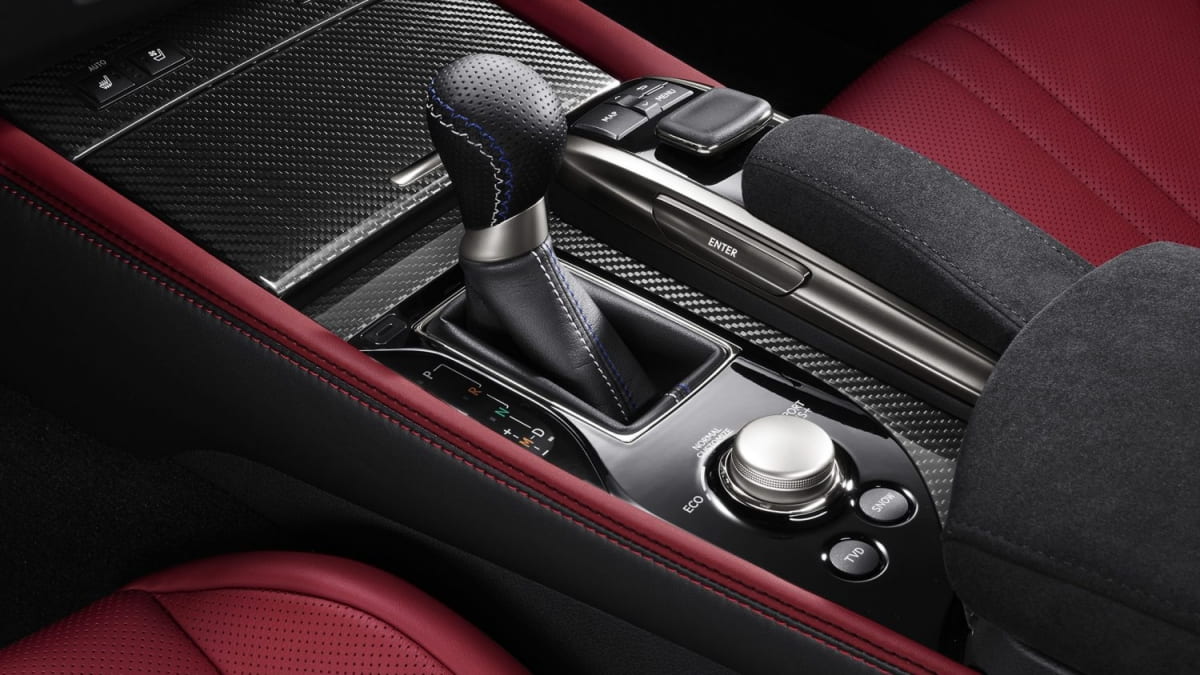
Last but not least, the Lexus GS-F came with an eight-speed automatic, which Toyota calls Sport Direct Shift (SDS). In truth, this is a torque-converter automatic, similar to the ZF used in modern-day BMWs and many other vehicles. The Japanese transmission is reliable, but doesn’t quite measure up to the ZF in terms of sportiness.
It shifts slower and Lexus famously gives its cars tall gearing, making the eight-speed automatic feel like a five-speed. Moreover, for a brief time, the BMW M5 F10 offered the option of a manual transmission, although with just 577 cars sold in the US, we can hardly call that a success. Props to BMW for trying, nonetheless.
The Lexus GS-F successfully emulated the qualities of one of the most coveted BMW M-cars, the E39 M5. However, the steep price and poor “horsepower-per-dollar” ratio compared to German competitors cut the GS-F’s life short.
Years later, when complex German technology starts faltering and becoming more of a burden than a convenience, the Japanese model gets a second chance. What would you do if you were in the market for a used, high-performance luxury sedan? Would you spend big money on the Lexus GS-F, or will you get one of the “bargain” German competitors like the M5, and figure it out later? Let us discuss in the comment section below.
Other Lexus stories
Image source: 2020 Lexus GS-F
Dimitar Angelov's automotive interests made him an expert in a wide variety of vehicles. Japanese brands like Toyota and Nissan are closest to his heart, although performance cars in general are his favorite segment, which is why he is constantly on the lookout for the best deals on the market. Dimitar Angelov's car passion and knack for the written word led him to complete a Master of Arts in Media and Communications and classic car restoration. Dim is happy to get behind the wheel of any car and share his impressions. You can follow Dimitar on X, LinkedIn, Instagram, and Facebook.
Set Torque News as Preferred Source on Google
Follow us today...