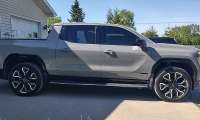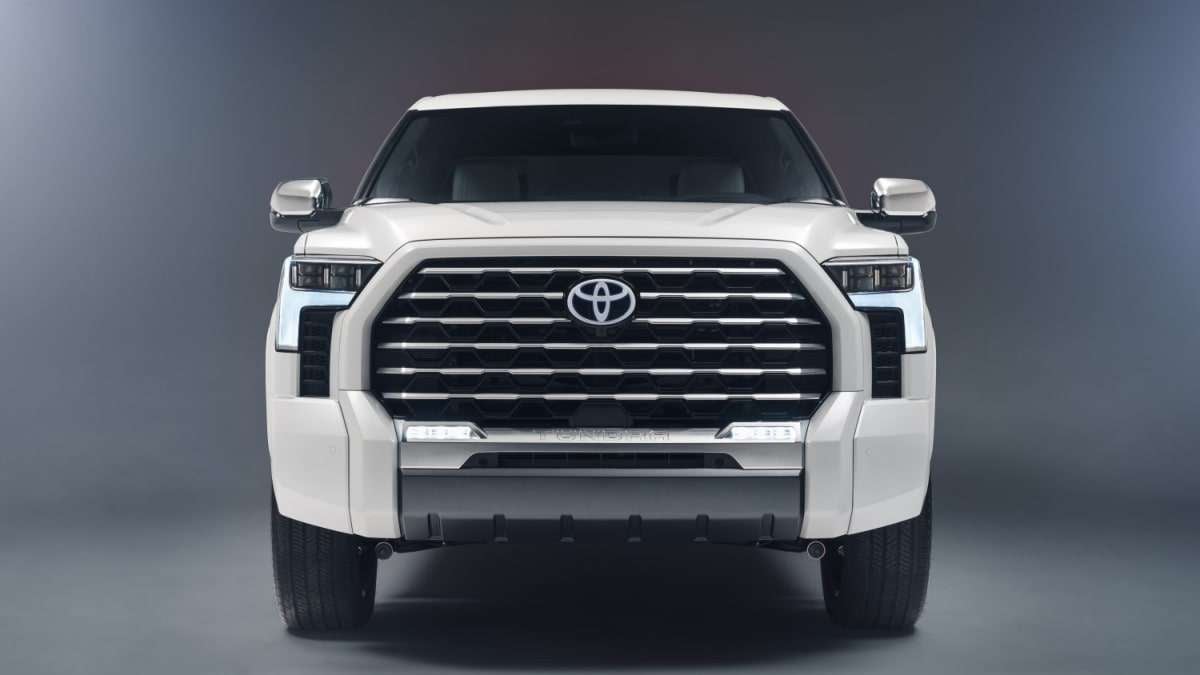

The third-generation Toyota Tundra got a lot of flak on arrival, and this is almost entirely due to its engine. Toyota’s newly developed 3.4-liter (not 3.5) twin-turbo V-6 developed serious issues early on, prompting a manufacturer service recall of 102,092 vehicles.
The original technical service bulletin from April 2024 affected Toyota Tundra models built between 2022 and 2023, and Lexus LX600 models built between November 2021 and February 2023. Owners of the affected vehicles received free engine inspection and replacement under warranty, but it seems the issue is more widespread than initially thought.
A short recap of the V35A's issue
Toyota issued an expanded recall in November 2025 due to continuous issues with the V35A engine. The root cause is leftover metal shavings from the manufacturing process, which can break off while the engine operates, causing excessive wear on the main bearings, poor lubrication, reduced performance, engine knock, and potentially engine seizure.
Here are all affected Toyota and Lexus models (so far)
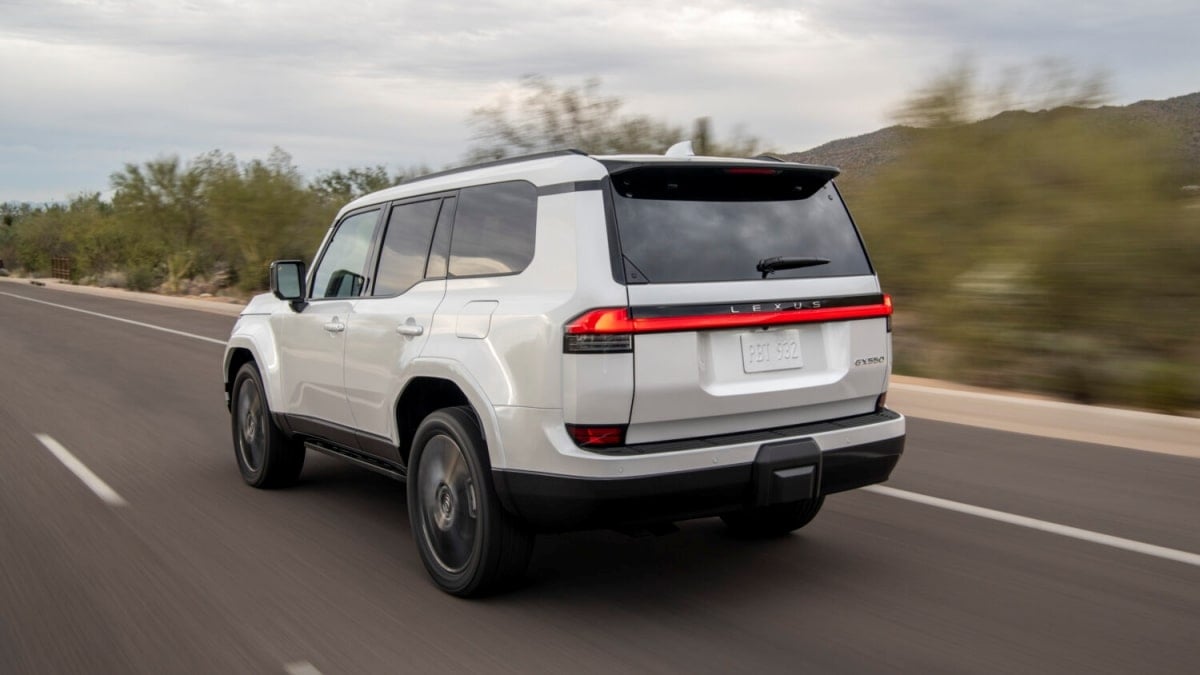
The expanded recall affects approximately 127,000 additional vehicles, including 2022-2024 Toyota Tundra, 2022-2024 Lexus LX600, and the 2024 Lexus GX550, which shares the J250 platform with the Land Cruiser (but not its engine). The issue isn’t as widespread on the Lexus GX as only about 17,000 vehicles are affected. In total, over 229,000 Toyota and Lexus vehicles of the above-mentioned models are affected.
Many Toyota and Lexus owners report engine issues at low mileage (typically under 20,000 miles) and talk about the engine “self-destructing” or “eating itself”. So far, the recall does not affect models that are 2025 or newer that have not yet left the showroom floor. Time will tell if newer models are also affected by the same engine problems. Toyota says it is currently working on a permanent solution, and customers will be notified by early January 2026.
Reasons to like Toyota’s V35A engine, despite its flaws
-
Consistent performance, superior to the 5.7-liter V-8 - as someone who loves the relative simplicity of a big normally-aspirated engine, it pains me to say this, but the 3.4-liter twin-turbo V-6 is quicker and more consistent. Tests show 0 to 60 mph times of 6.1 seconds in back-to-back runs. According to different sources, the old Tundra with the 5.7-liter i-Force V-8 manages the same sprint in anywhere between 6.3 to 7.1 seconds.
-
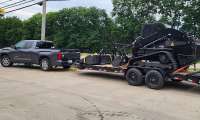
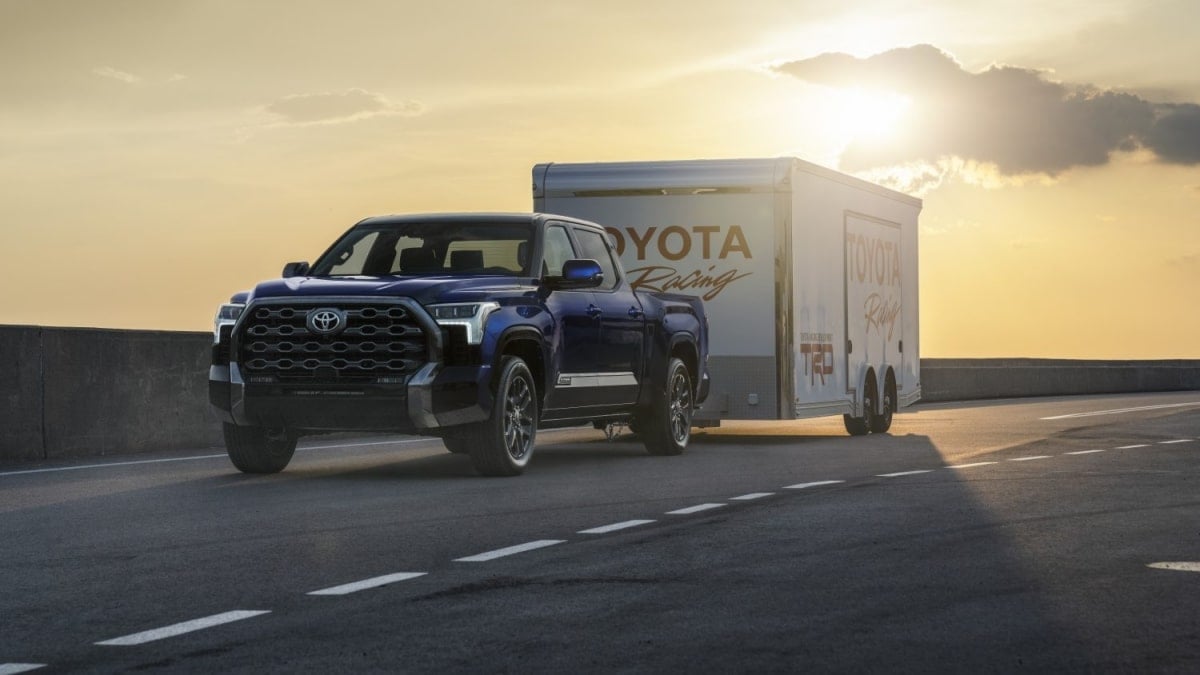
Superior towing capacity - thanks to the turbo torque (478 to 582 pound-feet depending on whether you get the hybrid or non-hybrid variant), the current Tundra can safely tow up to 12,000 pounds. Meanwhile, the V-8 Tundra manages 10,200 pounds, although owners report towing in excess of 13,000 pounds. For the sake of objectivity, we are going with the official numbers.
-
Fuel mileage - having two less cylinders, less displacement, and optionally, a hybrid system means the twin-turbo V-6 can get anywhere between 19 and 22 mpg combined according to the EPA cycle (17-20 MPG city/ 20-24 MPG highway). The second-generation Toyota Tundra achieves 14-16 MPG combined, according to the EPA (10 MPG on E85), with city numbers dropping to an abysmal 13-15 MPG (9 MPG on E85). On the highway, the second-generation Tundra manages 15-17 MPG (12 MPG on E85).
Related stories:
Final thoughts
There is no denying that Toyota’s near-stellar reputation for reliability has taken a hit. This is exacerbated by the fact that many Tundra owners miss the old model’s V-8 engine, praised for its longevity and reliable performance.
I am rooting for Toyota to find a permanent solution and fix what is otherwise a very capable powertrain. If you have any personal experience or would like to share your thoughts, I invite you to hit the comment section below.
Dimitar Angelov's automotive interests made him an expert in a wide variety of vehicles. Japanese brands like Toyota and Nissan are closest to his heart, although performance cars in general are his favorite segment, which is why he is constantly on the lookout for the best deals on the market. Dimitar Angelov's car passion and knack for the written word led him to complete a Master of Arts in Media and Communications, and classic car restoration. Dim is happy to get behind the wheel of any car and share his impressions. You can follow Dimitar on X, Linked-in, Instagram, and Facebook.
Image sources: Toyota Tundra, Lexus GX
Set Torque News as Preferred Source on Google
Follow us today...