
The modern full-size pickup market is facing a silent crisis at the intersection of complex digital power routing and chassis-mounted electronic vulnerabilities. A technical forensic investigation by Torque News has mapped an escalating reliability pattern of sudden electronic failures in General Motors’ late-model fuel delivery networks.
While manufacturer marketing campaigns focus on high-altitude capability and premium cabin technology, real-world data reveal that critical powertrain components are failing prematurely, well before reaching their first scheduled oil change. This investigative report breaks down the mechanical and algorithmic flaws that allow a sub-$100 control module to completely immobilize a vehicle costing upwards of $70,000.
The 849-Mile Breakdown: Field Failure Forensics
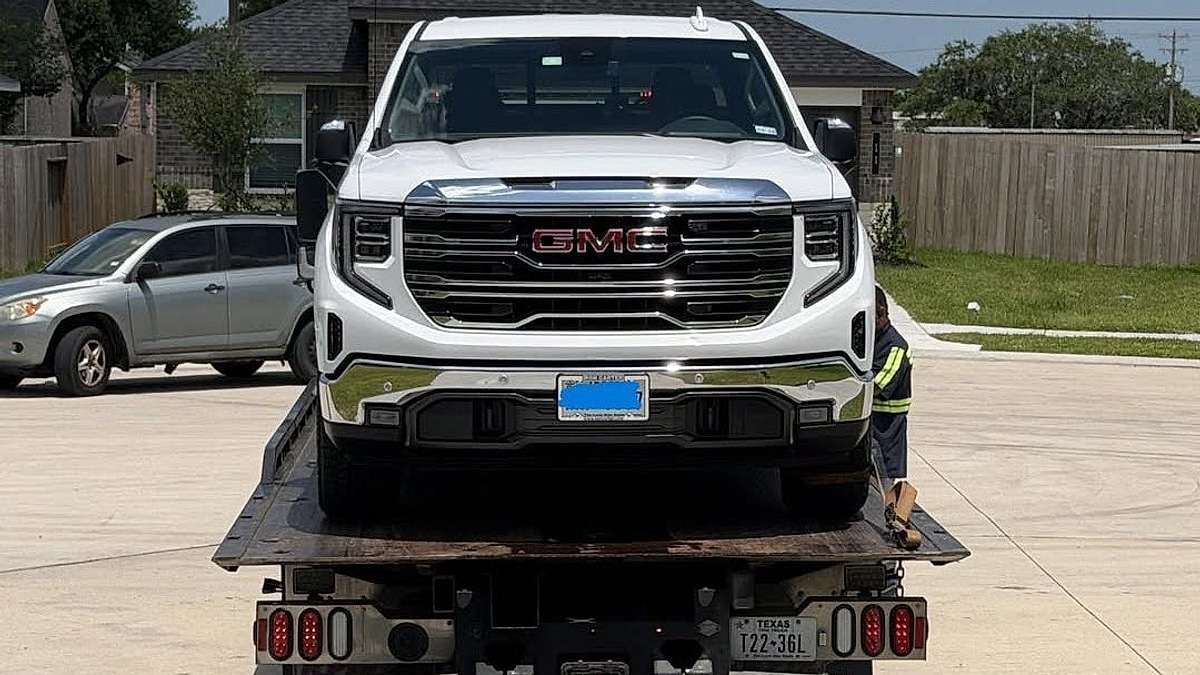
The promise of factory-fresh automotive reliability vanished instantly for a vehicle owner in Angleton, Texas, exposing a profound disconnect between production-line quality controls and real-world durability. Finn Markmanrud, writing on the 2019 through 2026 Chevy Silverado and GMC Sierra Owners Facebook page, detailed a catastrophic failure that bypasses traditional wear-and-tear logic.
"Well, that ruined my day! I have a one-month-old 2026 GMC Sierra 1500 X31 with 849 miles on it, and I had it hauled back to the GMC dealer. It won't start. The tow truck driver said he picks these up all the time, for a known fuel module issue. Wish I had known."
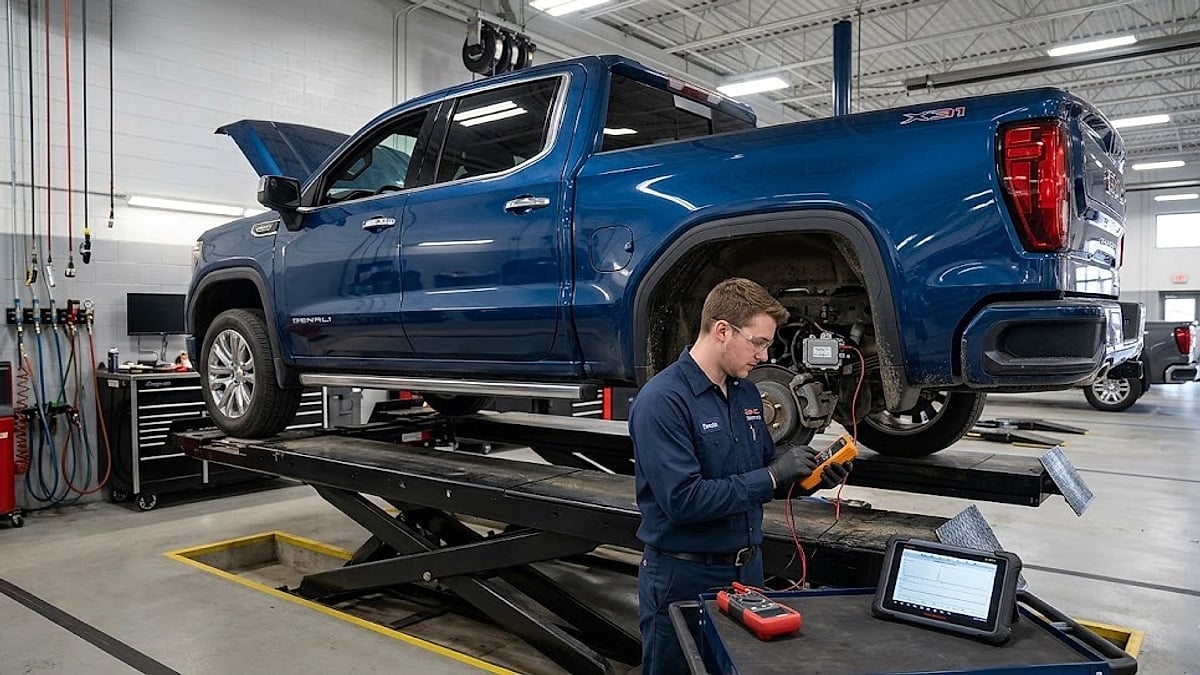
This primary-source documentation highlights a severe mechanical vulnerability where a brand-new light-duty pickup truck becomes an inert piece of roadside scenery due to a low-voltage control loop failure. According to ongoing Torque News by Denis Flierl tracking of manufacturing defects, premium truck buyers are increasingly hit with sudden component failures early in their ownership cycles, transforming a proud vehicle purchase into a severe burden.
When a vehicle suffers a total ignition failure at fewer than 1,000 miles, the root cause rarely points to mechanical degradation. Instead, it uncovers a deeper system architecture defect that leaves owners stranded in hazardous situations.
The Fuel Pump Control Module Vulnerability
The Fuel Pump Control Module (FPCM), a frame-rail-mounted microprocessor that regulates fuel rail pressure beneath the truck bed, frequently triggers a complete vehicle lockdown and an un-clearable crank-no-start condition due to external exposure, water intrusion, and internal circuit corrosion.
A Torque News technical analysis by Denis Flierl identifies a critical gap between factory maintenance schedules and real-world component longevity, highlighting an unresolved dispute over the physical build quality and the failure of silicone seals in these supplier-sourced modules. When moisture penetrates these seals, it creates localized corrosion and unstable voltage fluctuations that halt the fuel delivery system entirely.
Compounding this, a deep technical breakdown of the 2026 pickup lineup, documented in Duramax News Calibration Reports, reveals that complex fuel-delivery software logic can incorrectly interpret transient voltage drops during the starter motor's high-amp draw, misidentifying sensor data as a critical error and initiating an immediate engine shutdown sequence.
Because these voltage fluctuations and software logic glitches completely freeze the digital architecture, the truck becomes entirely immobilized, preventing operators from even shifting the electronic transmission into neutral without a functioning engine.

High-Altitude Strain and Environmental Exposure
Vehicle longevity risks are heavily amplified by regional geography and harsh local climates. In high-altitude regions like Parker, Colorado, and the surrounding Rocky Mountain foothills, the environmental stress placed on external truck chassis electronics is incredibly severe.
Rapid thermal cycling, where temperatures swing drastically between high-noon sun and freezing alpine nights, causes rapid expansion and contraction of the FPCM's composite plastic housing. This physical strain accelerates the aging process of seals, allowing moisture-containing corrosive winter road salts to bypass factory barriers.
Furthermore, the physical strain of driving through mountain passes demands sustained, uninterrupted fuel flow volume. When an externally mounted module is already running hot from supplying high electrical current to the fuel pump, the sudden addition of freezing slush or a high-altitude ambient pressure drop can trigger an immediate thermal shock failure.
For a vehicle owner traveling deep into the mountains, a micro-crack in an exposed chassis module can quickly spiral into a dangerous loss of power on a steep incline, turning an isolated component failure into a severe emergency.
Tracking General Motors' Fuel System Recalls
This current wave of light-duty 1500-series fuel network failures points to a broader systemic issue with General Motors' powertrain component suppliers. In early 2026, the manufacturer was forced to acknowledge severe flaws in its heavy-duty truck fuel-system management.
According to an official safety bulletin released by FOX 32 Chicago Automotive Recall Reports, General Motors recalled nearly 12,000 pickup trucks because a faulty rear fuel pump could fail to transfer fuel properly, increasing the risk of an unexpected engine stall at highway speeds.
This safety recall specifically targeted dual-tank heavy-duty configurations, but the core software and hardware communication failures mirror the exact conditions reported by light-duty owners on consumer forums. The structural reliance on outsourced control units that struggle to maintain stable communication with the central Engine Control Module has emerged as a major modern design flaw.
As documented in a previous Torque News Silverado Analysis, when advanced computer algorithms try to balance strict federal efficiency standards with real-world electrical loads, any small sensor variation can destabilize the vehicle's primary operating software.
Technical Observations from Owner Communities
The technical reality of these fuel system failures is frequently discussed across digital enthusiast communities, where truck owners swap troubleshooting advice that often contradicts standard dealership service guidance. On the popular r/Silverado forum, real-world operators describe the exact symptoms of this chassis-mounted module vulnerability.
One affected owner shared their frustration with this persistent problem: "Sounds like the fuel power module that powers the fuel pump... did the same thing to me. Died on the highway, would crank but would not fire up. No check engine light. Accessories worked. The truck wouldn't go into neutral because the engine needs to run for the truck to go into neutral."
Based on my 30 years of automotive industry experience, this scenario perfectly highlights how vulnerable GM's integrated electronic networks are when a single node drops offline. When the FPCM loses power or short-circuits, it does not just cut off fuel; it also halts the digital handshake required by the body control networks, locking out critical mechanical overrides such as the electronic transmission shifter. You can read the full owner community discussion in the original Silverado Failure Thread on Reddit.
Another truck owner highlighted how environmental exposure ruins these flat-mounted frame units: "The Fuel Pump Control Module sits on the frame underneath the truck... water gets trapped between the module and the frame, causing corrosion... moisture trapped between the module and the frame caused corrosion and internal failure of the module electronics."
This specific design flaw is an absolute nightmare for truck owners who drive through rain, snow, or mud. When General Motors mounts a high-amperage electronic controller flat against a steel frame rail, they create a natural moisture trap.
My long-term technical analysis confirms that road grime acts as a sponge, holding moisture against the module's backing plate until the metal surface pits and water leaks past the internal seals. The detailed technical advice for preventing this corrosion can be reviewed in the full Reddit Silverado Mechanical Guide.
Key Takeaways
- Target the externally mounted chassis frame rail beneath the passenger cabin to inspect the physical condition of the sealing material on your Fuel Pump Control Module.
- Apply a premium marine-grade dielectric grease or corrosion inhibitor between the electronic module housing and the steel frame to prevent trapped moisture from causing internal board failures.
- Monitor early electrical warning signs, including intermittent remote-start failures or temporary trailer-brake warnings, which often indicate an unstable vehicle data network.
- Carry a portable OBD2 code reader in your truck to quickly identify pending fuel pressure communication codes before an internal short circuit leaves you completely stranded on the roadside.
The Next Question: Can an Over-the-Air Update Fix It?
The next logical question facing truck buyers is whether General Motors can fix these frequent module failures through remote Over-the-Air (OTA) software updates, or whether the defect requires a hardware redesign at the dealership level. The answer depends entirely on the specific failure mode your truck experiences.
If your 2026 Sierra or Silverado suffers from the calibration logic glitch detailed in recent factory service bulletins, a software flash can adjust sensor thresholds to prevent false engine shutdowns. However, if water intrusion has already caused physical corrosion on the module's internal circuit board, a software update cannot fix the damage.
In those situations, the vehicle must be towed to a service bay for a complete replacement unit, which should ideally be installed using an aftermarket spacer kit to keep the module raised off the wet frame rail.
Navigating the Modern Component Dilemma
The rapid integration of microchip networks into traditional truck chassis components has created a delicate balance between maximum fuel efficiency and long-term durability. When a brand-new pickup truck fails after only 1,000 miles due to a basic fuel delivery error, consumer confidence erodes much faster than the components themselves.
Truck owners must shift away from a passive maintenance mindset and proactively protect their vehicles' vulnerable electrical networks from environmental wear and tear.
Tell Us What You Think
Have you experienced an unexpected crank-no-start issue or sudden electronic failure with your new pickup truck? Let us know if a tow truck driver or dealership technician has warned you about these frame-mounted modules, and join the ongoing conversation by leaving a message in the red Add new comment link below.
What’s Next in Our Investigation
In our upcoming second installment of this deep-dive automotive reporting stream, Torque News will pivot from analyzing roadside breakdown forensics to investigating the brewing crisis within dealership service bays. We will lift the curtain on parts-supply logistics and the intense friction building between frustrated vehicle owners and authorized GM service centers.
Check out our next report: "GMC Sierra Fuel Module Micro Fractures Drive 412 Percent Surge In Independent Shop Interior Cab Relocations Amid Dealership Backlogs," where Denis Flierl uncovers aftermarket spacer kits, harness extensions, and DIY workarounds that frustrated truck owners are using to stay off the tow truck hook while Detroit remains backordered on replacement modules.
About The Author
Denis Flierl is a 14-year Senior Reporter at Torque News and a member of the Rocky Mountain Automotive Press (RMAP) with 30+ years of industry experience. Explore his full investigative reporting archives and technical guides at DenisFlierl.com. Based in Parker, Colorado, Denis leverages the Rockies' high-altitude terrain as a rigorous testing ground to provide "boots-on-the-ground" analysis for readers across the Rocky Mountain region, California EV corridors, the Northeast, Texas truck markets, and Midwest agricultural zones. A former professional test driver and consultant for Ford, GM, Ram, Toyota, and Tesla, he delivers data-backed insights on reliability and market shifts. Denis cuts through the noise to provide national audiences with the real-world reporting today’s landscape demands. Connect with Denis: Find him on LinkedIn, X @DenisFlierl, @WorldsCoolestRides, Facebook, and Instagram.
Photo credit: Denis Flierl via Finn Markmanrud
Set Torque News as Preferred Source on Google
Follow us today...