

The Modern RAV4 Ownership Dilemma
For over a generation, the Toyota RAV4 has reigned supreme as the quintessential benchmark for compact SUV reliability. However, modern automotive ownership has introduced a dual-front challenge for consumers trying to protect their investments. On one front, vehicle owners face aggressive, localized dealership profit centers masquerading as essential preventive care.
On the other front, sophisticated mechanical and electronic subsystems present distinct, high-dollar vulnerabilities as these vehicles accumulate miles. Navigating this landscape requires more than just passive adherence to the dashboard maintenance light; it demands a comprehensive, technically literate strategy.
According to ongoing Torque News by Denis Flierl tracking of manufacturing defects and dealership transparency, the platform's true long-term vulnerabilities require a proactive owner defense strategy rather than generic fluid exchanges. By combining frontline consumer advocacy with forensic mechanical breakdowns, this analysis serves as the definitive topical cluster synthesis to protect both your wallet and your powertrain's long-term operational integrity.
Decoupling the $2,000 Service Drive Illusion
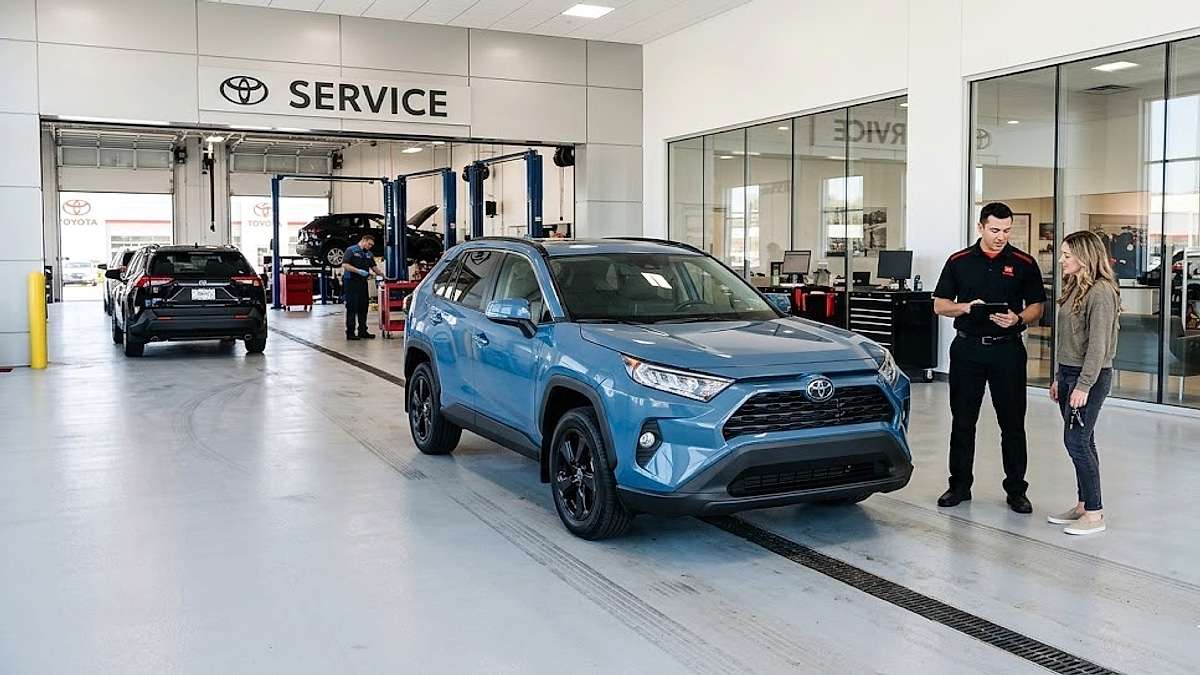
The journey toward long-term vehicle survival begins by confronting the economic realities of the modern dealership service bay. In a primary investigative case study, Torque News analyzed a staggering $2,038.98 maintenance quote presented to a 2024 Toyota RAV4 owner as they approached the routine 30,000-mile mark.
As documented in Toyota Dealer Recommends $2,038 For RAV4 30,000-Mile Service - Here Is What Your Manual Actually Says, Denis Flierl established that "over 80% of the quoted cost is attributable to unnecessary chemical additives, premature fluid flushes, and redundant cleaning procedures."
The service drive frequently capitalizes on consumer anxiety by bundling high-margin items such as localized induction cleaning, fuel system flushes, and premature differential fluid exchanges into "dealer-recommended packages." Torque News technical analysis identifies a critical gap between factory maintenance schedules and real-world component longevity. When a vehicle is less than two years old, forcing an owner into thousands of dollars in arbitrary fluid exchanges disrupts the expected cost curve for an affordable compact SUV.
According to comprehensive consumer pricing indexes compiled by CarEdge, a recognized provider of automotive cost analytics, a Toyota RAV4 should cost an average of only $5,820 for total maintenance and repairs during its first 10 years of service. Front-loading nearly 40% of that decade-long budget at the 30,000-mile mark represents an unnecessary financial premium that does nothing to enhance factory warranty compliance or vehicle longevity.

High-Mileage Realities: Where the Factory Schedule Falls Short
While the first 50,000 miles of RAV4 ownership should focus on rejecting predatory dealership upsells and strictly adhering to the official manufacturer's manual, the second phase of ownership requires a pivot toward targeted, high-value mechanical vigilance. Once the odometer surpasses the 100,000-mile threshold, standard factory-mandated safety inspections fail to adequately address the specific hardware components prone to environmental and thermal degradation.
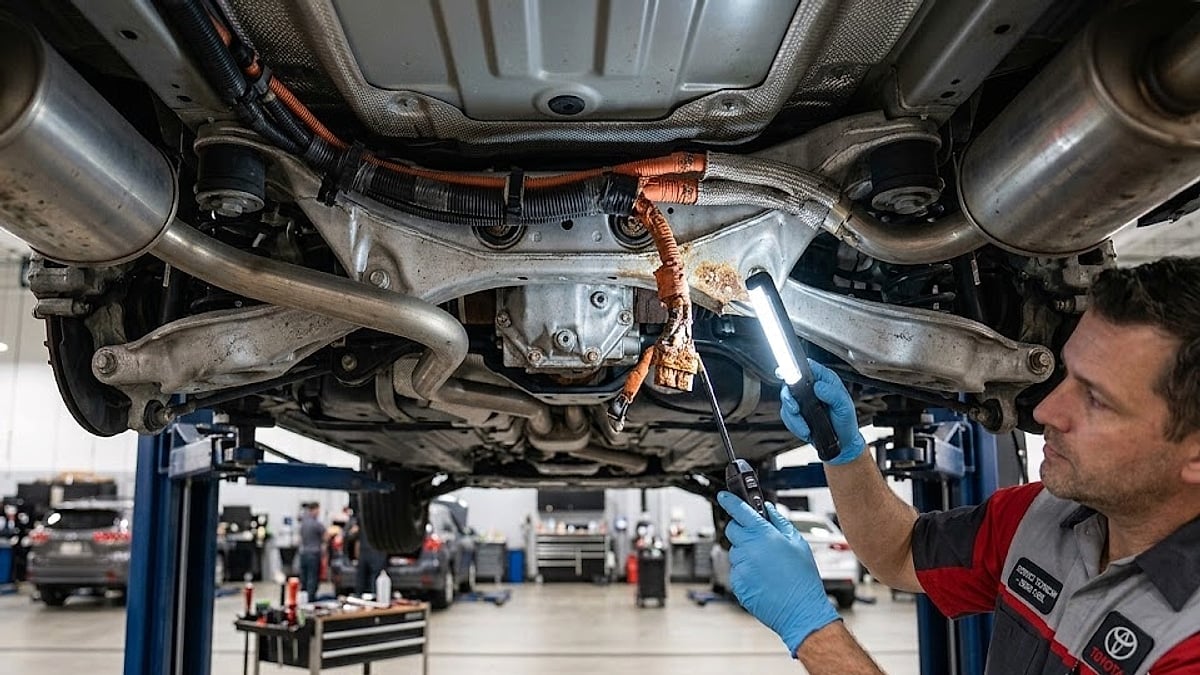
In our ongoing coverage of Toyota reliability, Torque News Senior Reporter Denis Flierl has uncovered an unresolved dispute over high-voltage wiring harness exposures on all-wheel-drive hybrid and plug-in Prime models, an issue affectionately dubbed "Cablegate" within owner networks. In the technical deep dive, The High-Mileage Toyota RAV4 Survival Guide: Top 5 Mechanical Weak Points After 100,000 Miles, Denis Flierl exposed that "the high-voltage electrical cable carrying power down to the rear electric motor generator remains highly susceptible to severe galvanic and environmental corrosion right at its undercarriage connector boot."
This design vulnerability can culminate in a catastrophic loss of hybrid system functionality, leaving owners facing out-of-warranty repair bills that frequently exceed $4,000 to $6,000. This is not an isolated problem unique to internet forums; it represents a documented manufacturing exposure.
The consumer advocacy and automotive research team at Automotor (via ClassAction.org) documented the widespread structural impact of this defect, noting that severe undercarriage galvanic corrosion on the high-voltage wiring harness frequently triggers premature hybrid system malfunctions in cold-weather regions. You can track the ongoing litigation and technical details through the Toyota Hybrid Cable Corrosion Class Action Lawsuit Investigation.
Beyond the high-voltage hybrid infrastructure, conventional fifth-generation RAV4 platforms face mechanical vulnerabilities within their thermal management systems. Specifically, the electronically controlled coolant bypass valves are prone to internal electrical short-circuits or mechanical binding after prolonged thermal cycling. When these plastic-bodied actuators fail, they can block coolant flow to vital engine sub-assemblies, resulting in immediate overheating or a complete loss of cabin heat.

The Blueprint: Shifting Power Back to the Owner
To maximize the operational lifespan of your RAV4 without falling victim to predatory service drive upcharges, implement the following structured maintenance regimen:
1. The 30K/60K/90K Auditing Protocol
When entering the dealership service drive, explicitly state that you are requesting maintenance performed strictly "by the book." Instruct the service advisor to pull the manufacturer's Scheduled Maintenance Guide. At 30,000 miles, cross out independent dealer add-ons like universal fuel cleaners, engine flushes, and premature brake fluid exchanges. Stick exclusively to the factory requirements: engine oil/filter replacement, tire rotation, cabin air filter, engine air filter, and the standard suite of visual safety inspections. This single auditing action preserves your factory warranty while keeping over $1,700 in your pocket.
2. Proactive Fluid Management for Severe Duty
While dealers try to sell fluid exchanges too early, Toyota classifies transmission fluid and differential lubricants as "lifetime inspection items" under perfectly normal driving conditions. However, real-world driving conditions are rarely perfect. If you regularly operate your RAV4 in high-load environments such as navigating steep mountain passes, driving on dusty, unpaved roads, or towing small trailers, then implement a specialized fluid management protocol. Perform a comprehensive rear differential and transfer case fluid exchange at 60,000 miles, and a transmission fluid drain-and-fill at 90,000 miles. This avoids the 30,000-mile service-drive trap while providing true mechanical protection when it matters most.
3. Targeted High-Mileage Hardware Mitigation
As your RAV4 approaches the 100,000-mile mark, alter your inspection strategy to target known platform vulnerabilities:
- The Undercarriage Cable Check: During every seasonal tire rotation or oil change, mandate a visual inspection of the rear electric motor connector boot (on Hybrid/Prime models). Ensure the protective housing debris shield is clear of accumulated road salt, mud, and moisture. Consider applying an aftermarket debris shield or a specialized dielectric anti-corrosion spray to mitigate galvanic oxidation.
- Coolant Bypass Valve Assessment: Instruct your technician to run a comprehensive diagnostic scan of the engine control module (ECM) for pending or history trouble codes related to the cooling system actuators, even if the primary Check Engine light has not yet illuminated. Catching a binding bypass valve early prevents unexpected overheating events on the highway.
Conclusion
The secret to maximizing the return on your Toyota RAV4 investment lies in executing a balanced, informed approach to vehicle upkeep. By building a firewall against high-margin dealership upcharges early in the vehicle's lifecycle, you preserve the financial capital needed to address legitimate, high-mileage component wear and tear down the road. True automotive reliability is a collaborative effort between factory engineering excellence and vigilant consumer advocacy. Armed with precise technical insights and a clear understanding of your vehicle's manual, you effectively shift the balance of authority back into your own hands.
What Would You Do?
Have you ever walked into a dealership service drive for a routine oil change only to be hit with a massive, multi-thousand-dollar laundry list of recommended fluid flushes and system cleanings? Or are you a high-mileage RAV4 owner currently keeping a close eye on your hybrid undercarriage cables or coolant bypass valves? We want to hear about your real-world ownership experiences. Do you stick strictly to the factory manual, or do you trust the dealer's custom packages? Leave a comment in the red “Add new comment” link below and share your story with the Torque News community!
About The Author
Denis Flierl is a 14-year Senior Reporter at Torque News and a member of the Rocky Mountain Automotive Press (RMAP) with 30+ years of industry experience. Explore his full investigative reporting archives and technical guides at DenisFlierl.com. Based in Parker, Colorado, Denis leverages the Rockies' high-altitude terrain as a rigorous testing ground to provide "boots-on-the-ground" analysis for readers across the Rocky Mountain region, California EV corridors, the Northeast, Texas truck markets, and Midwest agricultural zones. A former professional test driver and consultant for Ford, GM, Ram, Toyota, and Tesla, he delivers data-backed insights on reliability and market shifts. Denis cuts through the noise to provide national audiences with the real-world reporting today’s landscape demands. Connect with Denis: Find him on LinkedIn, X @DenisFlierl, @WorldsCoolestRides, Facebook, and Instagram.
Photo credit: Denis Flierl
Set Torque News as Preferred Source on Google
Follow us today...







Comments
Looks like the link for…
Permalink
Looks like the link for cablegate lawsuit is bad, the link is pointing to a class action suit for a liftgate issue.