
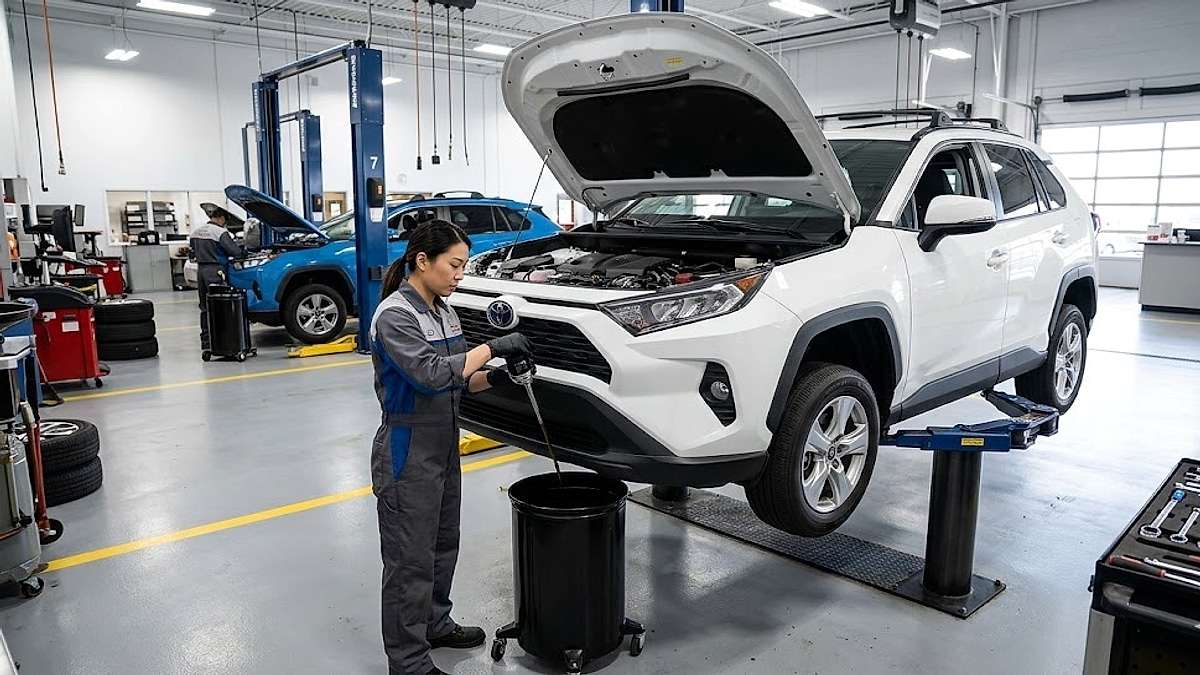

While franchise service lanes focus on selling high-margin fluid conditioners and premature-cleaning packages to low-mileage vehicles, real-world field data tell a vastly different story about long-term durability. This technical investigation shifts focus from initial routine service drive menus to the realities of the mechanical bay as it faces fifth-generation Toyota RAV4 owners transitioning past the 100,000-mile threshold.
According to ongoing Torque News tracking of manufacturing defects, the platform's true long-term vulnerabilities lie in specific electronic components, cooling-system actuators, and rear drivetrain subassemblies. This action plan shifts the power back to the consumer. We provide practical mechanical solutions that protect your vehicle and your wallet from high-dollar out-of-warranty failures.
From Financial Upgrades to Real Drivetrain Realities
Our initial technical investigation deconstructed the financial mechanics of dealership maintenance menus, exposing how a routine oil change visit can transform into an arbitrary $2,038 service invoice. That consumer alert isolated the high-margin fluid flushes that factory engineers never requested at early intervals.
This follow-up report provides a high-density action plan for owners preparing for the 100,000-mile mark. It focuses heavily on localized environmental stressors, consumer advocacy solutions, and technical diagnostic transparency.
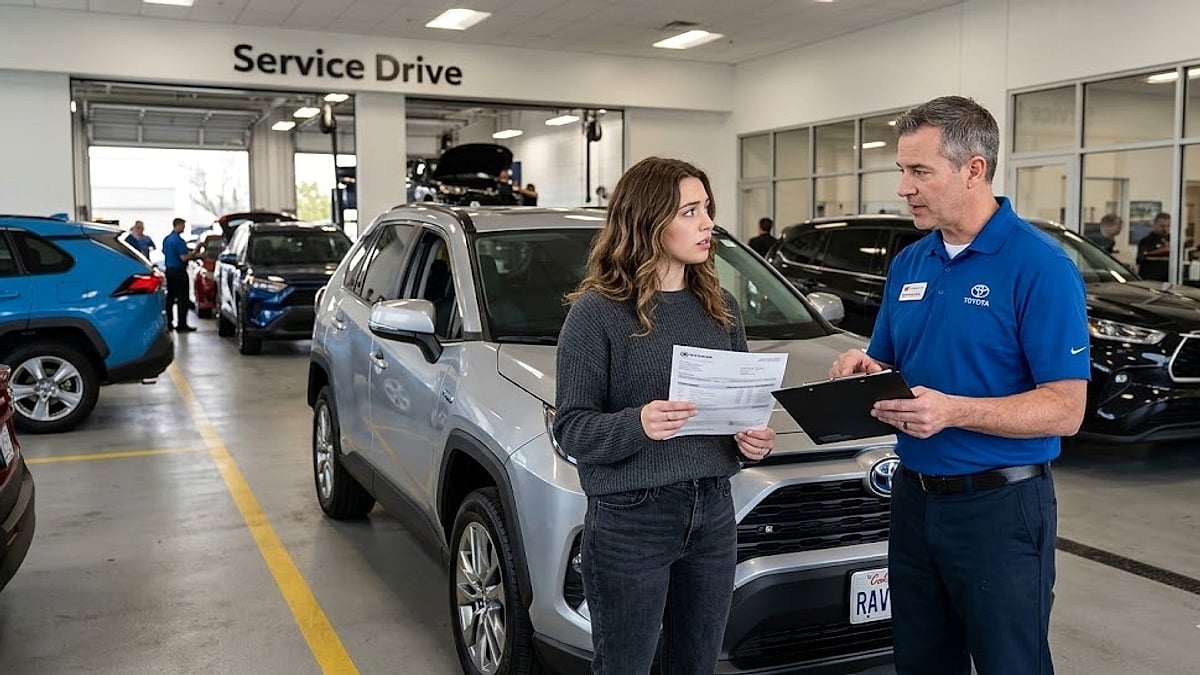
The Big Five High-Mileage Weak Points Exposed
1. The Coolant Bypass Valve Seizure
The primary high-mileage risk for the 2.5L gas and hybrid engine architectures is internal mechanical failure of the engine coolant bypass valve assembly. This component manages engine thermal stratification by routing coolant through the heater core and engine blocks to optimize warming cycles. Over time, the internal polymer valve seals degrade, or the small electrical actuator motor seizes.
The Diagnostic Red Flag: This failure instantly illuminates the dashboard with a "Maintenance Required" message or a "Check Engine" light and stores diagnostic codes P261B or P261C.
The Repair Reality: If left unaddressed, the valve can stick closed, causing severe thermal spikes, loss of cabin heat, and long-term cylinder head gasket distortions.
2. Drivetrain Cable Corrosion ("Cablegate")
In our continuous coverage of Toyota reliability, Torque News has uncovered an unresolved dispute regarding high-voltage wiring harness exposures on all-wheel-drive hybrid and plug-in Prime models. The high-voltage electrical cable carrying power down to the rear electric motor generator remains highly susceptible to severe galvanic and environmental corrosion right at its undercarriage connector boot.
The Diagnostic Red Flag: The hybrid dashboard display will flash a catastrophic hybrid system malfunction error, tracking an insulation resistance fault code as moisture breaches the wire shielding.
The Repair Reality: Replacing this full harness requires dropping the rear subframe and the fuel tank. Out-of-pocket expenses often range from $4,000 to $6,000 if the component fails outside active manufacturer warranty extensions.
3. Rear Differential Clutch Pack Degradation
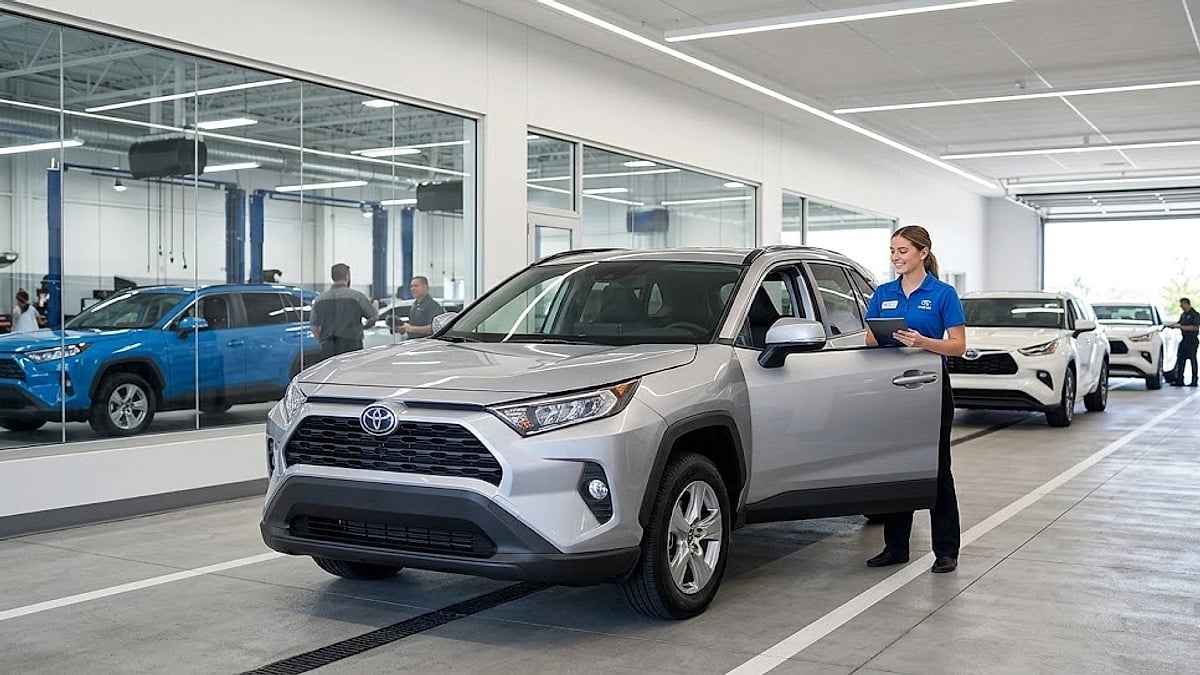
On gas-powered RAV4 variants equipped with Dynamic Torque Vectoring All-Wheel Drive, the rear differential uses independent, electronically controlled coupling clutches to distribute torque between the left and right wheels. Past the 100,000-mile mark, these wet multi-plate clutch packs experience significant friction material degradation, particularly in vehicles driven over rugged terrain or during extended winter conditions.
The Diagnostic Red Flag: Owners typically notice a distinct groaning or chattering sensation from the rear floorboards during sharp, low-speed cornering maneuvers.
The Repair Reality: This problem is often exacerbated by blindly relying on the standard factory manual's statement that describes differential oil as a lifetime inspection fluid under normal driving conditions.
4. Thermal Management Module Seep and Vapor Smells
A secondary cooling system vulnerability tracks directly beneath the intake manifold assembly. Small hairline fractures can develop in the composite housings of the main thermal management modules, producing an elusive, sweet engine coolant aroma inside the cabin long before liquid drips appear on the ground.
The Diagnostic Red Flag: The fluid level in the translucent coolant expansion tank will slowly drop below the designated baseline mark over a 6-month period.
The Repair Reality: Detecting this fault early requires a technician to run an active cooling system pressure check or utilize a flexible optical borescope to inspect the deep, hidden structural recesses of the forward engine block.
5. High-Mileage Intake Manifold Carbon Restricting
Although Toyota utilizes a sophisticated D-4S system that combines direct and port fuel injection to keep intake valve stems clear of systemic carbon crusting, high-mileage variants still experience soot accumulation in the primary throttle body throat and the Exhaust Gas Recirculation (EGR) gas ports.
The Diagnostic Red Flag: This condition presents as a subtle, intermittent rough idle when coming to a halt or a minor reduction in real-world fuel efficiency.
The Repair Reality: This is the one specific area where precise, careful cleaning of the physical induction system components provides a distinct operational benefit, in stark contrast to the premature cleaning packages frequently pushed on brand-new owners.
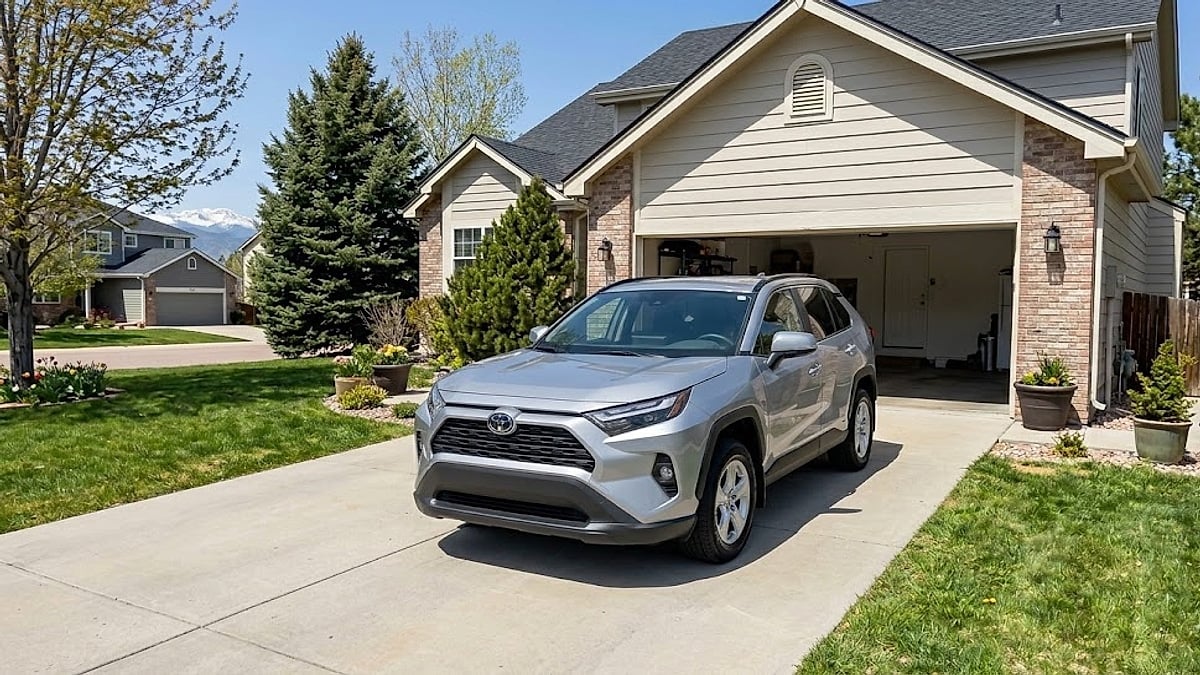
Practical Solutions and Warranty Safeguards
Successfully navigating these mechanical vulnerabilities requires a structured, aggressive maintenance and advocacy strategy. To mitigate the coolant bypass valve defect, owners must look past basic dealership service advisors and cite official factory communications, as a dedicated technical look into factory-level data by Little Worley's Auto Electric confirms that Technical Service Bulletin T-SB-0112-24 outlines the revised part replacement protocols for faulty coolant valves, which should always be referenced when demanding coverage under any surviving powertrain infrastructure.
For hybrid owners navigating the lingering threats of "Cablegate," proactive physical defense is far more effective than hoping for goodwill warranty adjustments down the road. Comprehensive consumer advocacy research published by the Guide Auto group underscores that, while Toyota extended high-voltage cable coverage across various model cycles, no formal safety recall exists, making firsthand visual inspection a necessity for every vehicle owner.
Specifically, when a vehicle is hoisted on a service lift, owners must instruct the technician to remove the plastic undercarriage shields and thoroughly inspect the rear motor harness casing for any signs of powdery orange or white oxidation. Finally, performing regular, careful cleanings with non-conductive electronic contact protectants or specialized, thin, lanolin-based undercoating layers can prevent moisture intrusion before galvanic corrosion eats through the metal shielding.

The High-Altitude Testing Ground
Drivetrain longevity metrics are heavily influenced by the regional environment in which the vehicle operates daily. On the grueling high-altitude mountain passes of Colorado, vehicle mechanical components undergo extreme environmental stress testing. The continuous, steep elevation climbs up regional passes generate intense thermal cycles within the 2.5L engine block, significantly accelerating plastic degradation across the coolant bypass valve housings compared to vehicles operating at sea level.
Furthermore, the heavy use of liquid magnesium chloride and abrasive road salt during severe mountain winters creates a highly corrosive undercarriage environment. This aggressive mixture sprays directly onto the rear axle assemblies of AWD models, accelerating high-voltage cable corrosion and stressing the rubber seals that protect the rear differential clutch systems.
If your daily commute includes navigating heavy mountain terrain or handling winter slush, your inspection frequency for these components must be halved to catch minor seal weeping before a complete mechanical failure occurs.
Field Observations from Owner Communities
Independent repair networks, enthusiast groups, and automotive experts emphasize that vehicle owners must monitor diagnostic data and verify part numbers to protect their vehicles' long-term health, especially when vehicles reach the critical 30,000-mile mark. At this milestone, owners frequently face aggressive dealership service drives utilizing menu pricing to meet fixed-operations revenue targets by adding unnecessary packages.
In a technical discussion regarding local dealer quotes in the r/ToyotaHighlander community on Reddit, an owner exposed this vulnerability after their factory care expired, warning that "A 30K at my dealer is nothing but an oil change, filters, and some fluid exchanges... Make sure to get an estimate with an itemized invoice."
This practice of checking boxes without referencing factory specs forces consumers to question localized shop policies, a sentiment echoed in the Car Talk community forum, where another owner noted that if an item is not explicitly recommended in the owner's manual, it simply makes the dealer wealthier.
Senior Reporter Denis Flierl notes that when RAV4 owners hit 30,000 miles, many begin bracing for impact as they hunt down hidden service lane upcharges, making it vital for consumers to remain vigilant and cross-reference every shop recommendation directly against verified factory specifications.
Key Takeaways for High-Mileage Survival
- Track active dashboard warning messages and immediately request printouts of specific fault codes, such as P261 B.
- Visually inspect the rear motor harness connector under the car at every winter oil change interval.
- Reference active manufacturer Technical Service Bulletins during any out-of-pocket dispute at the service counter.
- Change differential and transmission fluids at reasonable intervals when operating in mountainous regions, ignoring vague "lifetime" claims.
Long-Term Cost Projections Past the Warranty Window
The ultimate question facing owners approaching the 100,000-mile mark is how these predictable component wear patterns affect the overall financial math of keeping the vehicle versus trading it in. Analytical tracking profiles published by CarEdge indicate that a Toyota RAV4 costs about $5,820 for maintenance and repairs during its first 10 years of service. This long-term data baseline proves that if an owner avoids falling for unneeded $2,000 low-mileage menu packages early on and targets their savings toward real high-mileage issues like the $800 coolant valve or protective undercoatings, the RAV4 remains one of the most cost-effective and dependable platforms on the road today.
Summary of the Two-Part Consumer Advocacy Series
This comprehensive investigative framework bridges the gap between upfront maintenance sales tactics and long-term mechanical survival. By reading both installments of this series, consumers gain the precise insights needed to successfully challenge unnecessary service invoices and protect their vehicles from legitimate mechanical wear as ownership extends beyond the 100,000-mile mark.
It's Your Turn
Have you encountered a coolant bypass valve alert or high-voltage cable corrosion issues on your high-mileage crossover, and how did your local dealer handle the repair costs? Tell us what you think about long-term reliability by leaving a comment in the red "Add new comment" link below.
Check out Denis Flierl’s third report in this series. The RAV4 Lifecycle Blueprint: Balancing Factory Maintenance Realities Against Costly Dealership Upsells and Long-Term Mechanical Vulnerabilities. Go here for the full report.
About The Author
Denis Flierl is a 14-year Senior Reporter at Torque News and a member of the Rocky Mountain Automotive Press (RMAP) with 30+ years of industry experience. Explore his full investigative reporting archives and technical guides at DenisFlierl.com. Based in Parker, Colorado, Denis leverages the Rockies' high-altitude terrain as a rigorous testing ground to provide "boots-on-the-ground" analysis for readers across the Rocky Mountain region, California EV corridors, the Northeast, Texas truck markets, and Midwest agricultural zones. A former professional test driver and consultant for Ford, GM, Ram, Toyota, and Tesla, he delivers data-backed insights on reliability and market shifts. Denis cuts through the noise to provide national audiences with the real-world reporting today’s landscape demands. Connect with Denis: Find him on LinkedIn, X @DenisFlierl, @WorldsCoolestRides, Facebook, and Instagram.
Photo credit: Denis Flierl
Set Torque News as Preferred Source on Google
Follow us today...






