
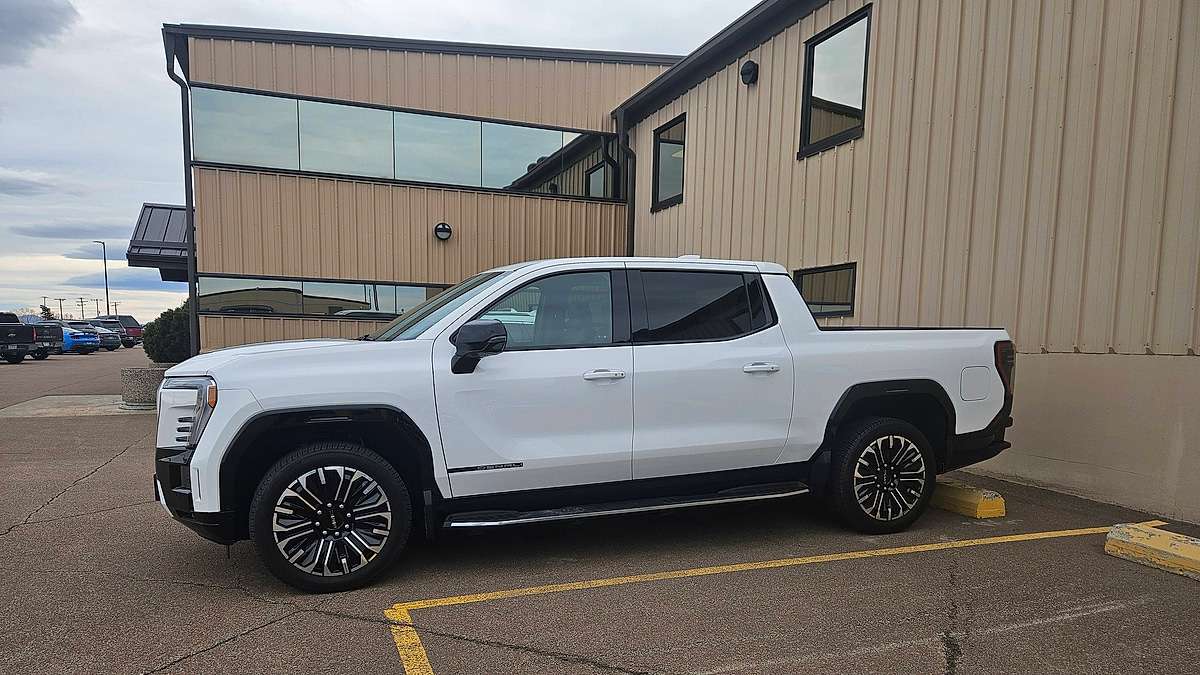

The voice command system in a brand-new 2026 GMC Sierra Denali Extended Range EV can't tune to a radio station and struggles to understand basic commands, according to a recent owner. Jason Brantley, who just took delivery of his electric truck, reports that the "OK Google functionality is terrible," misinterpreting "No" as "Noe" and then endlessly repeating questions. This isn't a minor glitch; it's a fundamental failure of a core infotainment feature in a premium vehicle.
This specific failure points to a broader, more troubling trend in the automotive industry: the rush to integrate complex, third-party software before it's properly validated for the vehicle's specific use case. When a manufacturer charges six figures for a truck, buyers expect basic functionality to be seamless, not a beta test. The disconnect between a Cadillac Optiq's working system and the Sierra EV's broken one shows a baffling lack of platform consistency within GM itself.
GM's integration of Google's infotainment suite into its premium EV trucks is fundamentally flawed, delivering a user experience that falls short of basic expectations and undermines the vehicle's premium positioning.
One user went to Facebook to talk about it:
"I have had my 2026 Sierra Denali Extended Range for about a week. Overall, I am glad I made the switch from the Lightning. There are some things that are a bit disappointing.
First, the OK Google functionality is terrible. On our Cadillac Optiq, it works great. If you watch the video, you can see where it hears me say 'No' correctly, then changes my response to 'Noe'. It then just repeats the question over and over. It cannot tune to a radio station and just seems to be missing some data it needs to function correctly.
Second, I am surprised that they don't have a sliding rear window in models without a midgate. I haven't had a truck with a fixed rear glass since my 90s Toyota extended cab. It seems that if you aren't getting the midgate, you should get a rear window like in the ICE Denali models.
Overall, I am happy with the experience. I am having a bit of buyer's remorse, though, and wish I would have gotten the Max range. If I find a decent price on a Max range you may see this one posted for sale."
Brantley's experience with the Sierra EV's voice command system is a recurring problem with Google's automotive integration across several brands. The expectation that a system should simply work as well as it does in a phone, or even in another GM product like the Optiq, is a reasonable one that manufacturers consistently fail to meet in their vehicle implementations.
GMC Sierra EV: Denali Extended Range Specifications
- The 2026 GMC Sierra EV Denali Extended Range features an estimated 400 miles of range, powered by GM's Ultium battery platform. This range positions it competitively against other electric pickups, though real-world performance can vary significantly with load and environmental factors.
- Its dual-motor all-wheel-drive system delivers an estimated 754 horsepower and 785 lb-ft of torque in Max Power mode, enabling a 0-60 mph sprint in under 4.5 seconds. This performance is impressive for a full-size truck, rivaling many sports cars.
- The truck is equipped with an advanced 16.8-inch diagonal infotainment screen and Google built-in, offering navigation, voice assistance, and app integration. This system is intended to provide a seamless digital experience, mirroring smartphone functionality.
- Towing capacity for the Sierra EV Denali Extended Range is rated at up to 9,500 pounds, while payload capacity reaches 1,300 pounds. These figures are critical for truck buyers, indicating its capability for work and recreation.
The software is not just buggy; it appears incomplete, missing the necessary data to perform fundamental tasks like radio tuning.
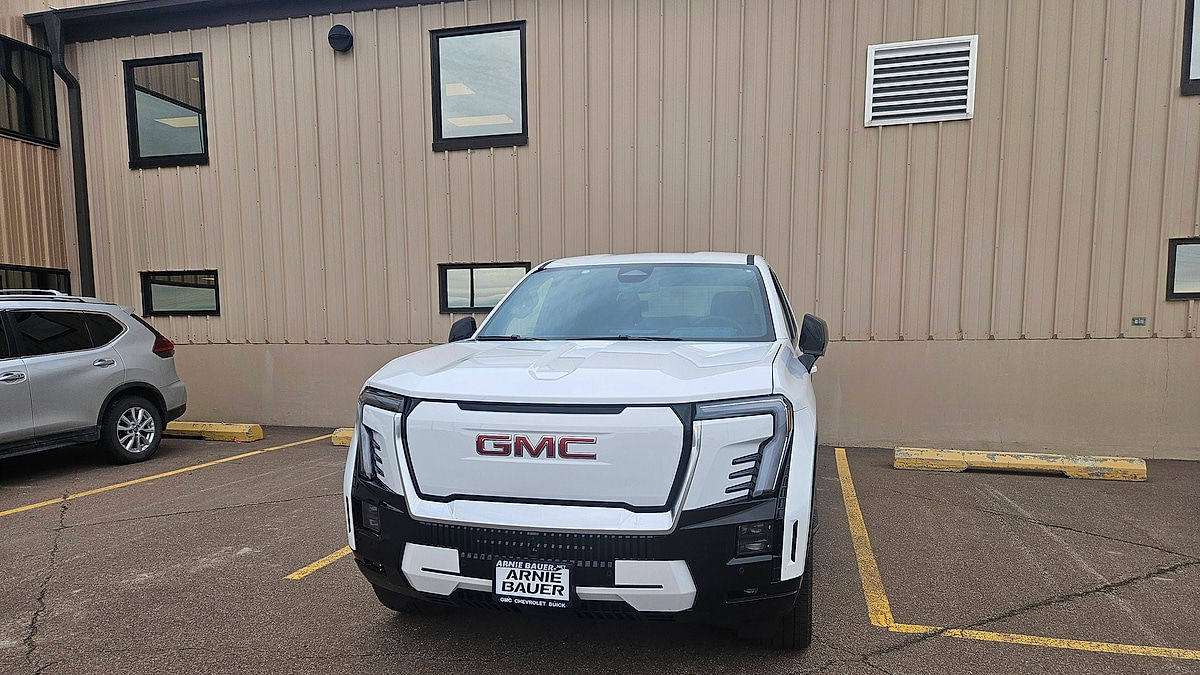
This is where the pattern becomes clear. Nate Pinch, responding to Brantley's post, articulated the industry's baffling inconsistency: "I don’t understand why the google would be that different than their other cars but what do I know." Pinch's observation cuts to the heart of the issue: if GM can make Google's system function correctly in one vehicle, the failure to replicate that performance in another, especially a flagship EV truck, points to either rushed development or a concerning lack of shared resources and quality control.
Beyond the software woes, Brantley also highlighted a curious omission for a modern pickup: the lack of a sliding rear window in models without the Multi-Flex Midgate. He notes, "I haven't had a truck with a fixed rear glass since my 90s Toyota extended cab." a convenience feature; for many truck owners is a utility staple, allowing for ventilation, easy access to the bed, or the transport of long items.
Jeremy Brewer, another commenter, underscored the practical implications of this design choice, stating, "Not having a sliding window is weird. I used the sliding window all the time for long pipes or trim boards." Brewer even admitted he opted for the longer-range battery variant primarily to get the Midgate, which includes a pass-through, effectively making up for the lack of a traditional sliding window. This suggests GM's design team prioritized the Midgate as the only solution for bed access, overlooking the needs of buyers who might not want or need the Midgate but still require basic truck functionality.
The decision to omit a sliding rear window in non-Midgate Sierra EV models is a significant misstep, one that prioritizes manufacturing simplification over fundamental user utility. It's a choice that reflects a detachment from the practical realities of truck ownership, especially when comparable ICE Denali models offer the feature. This kind of oversight erodes buyer confidence and suggests a design process that is more concerned with novelty than with core functionality.
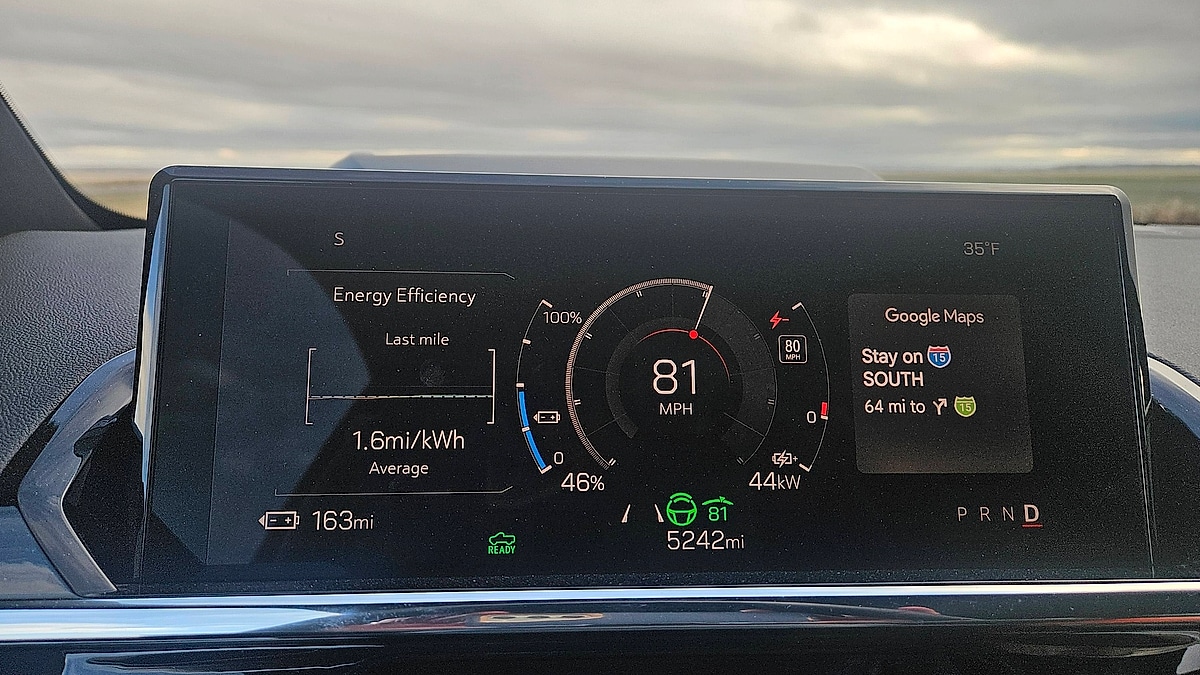
Brantley's early experience with his 2026 GMC Sierra Denali Extended Range EV reveals a vehicle that, despite its advanced powertrain, stumbles on basic execution. From an infotainment system that can't tune a radio station to the inexplicable absence of a sliding rear window in certain configurations, these are not minor quibbles. They are fundamental flaws that undermine the truck's value proposition and shows a manufacturer prioritizing flashy technology and complex features over reliable, well-engineered basics. GM needs to address these issues promptly, or risk alienating the very buyers it hopes to attract to its EV truck lineup.
If this issue occurred to you, how would you handle it?
Let us know in the comments below.
Image Sources: GMC Sierra Center
About The Author
Noah Washington is an automotive journalist based in Atlanta, Georgia, covering sports cars, luxury vehicles, and performance culture. His reporting focuses on explaining the engineering, design philosophy, and real-world ownership experience behind modern vehicles.
Noah has been immersed in the automotive world since his early teens, attending industry events and following the enthusiast communities that shape how cars are built and driven today. His work blends industry insight with enthusiastic storytelling, helping readers understand not just what a car is, but why it matters.
Noah is also a member of the Southeast Automotive Media Association (SAMA), a professional organization for automotive journalists and industry media in the Southeast.
His coverage regularly explores sports cars, luxury vehicles, and performance-driven segments of the automotive industry, including the evolving culture surrounding Formula Drift and enthusiast builds.
Read more of Noah's work on his author profile page or on his personal website.
You can also follow Noah here:
Set Torque News as Preferred Source on Google
Follow us today...



Comments
I note that no issues that…
Permalink
I note that no issues that were raised are EV-specific. Is that correct?
Infotainment issues and…
Permalink
Infotainment issues and missing features are concerning for new EVs.
They should have used Rivian…
Permalink
They should have used Rivian UI and Electric architecture
If this truck doesn’t have…
Permalink
If this truck doesn’t have the basic fundamental features, why did he or she buy the truck in the first place. Lack of sales always drives functional improvements.