
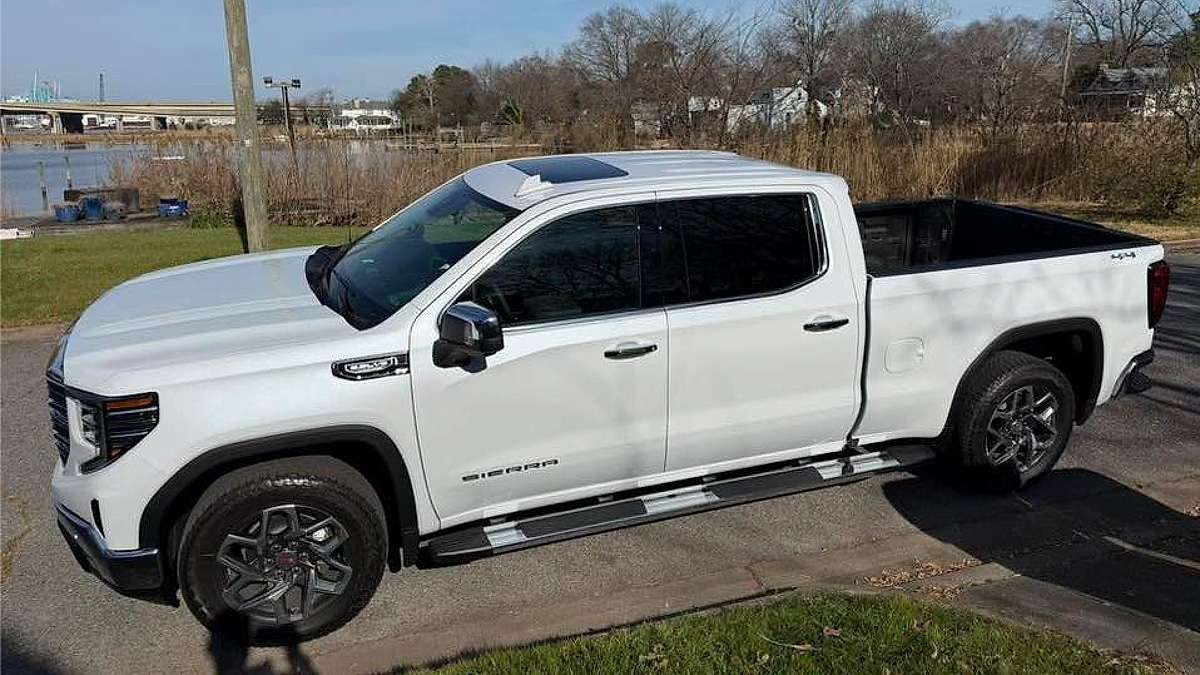

As we move into March 2026, the narrative surrounding the 2026 GMC Sierra 1500 is shifting from fear of failure to proactive modification. While General Motors continues to refine the 5.3L EcoTec3 V8, savvy owners are taking reliability into their own hands. This report analyzes a specific 1,700-mile win where an owner bypassed the controversial Auto Start-Stop and Dynamic Fuel Management (DFM) systems using a Range Technology module. The data shows a surprising trend: disabling these "fuel-saving" features might actually stabilize highway MPG while significantly reducing the mechanical stress that leads to catastrophic lifter failure.
From My View: The 1,700-Mile Win
I have spent 30 years tracking the evolution of the small-block V8, and I can tell you that the 2026 GMC Sierra is at a crossroads. Many of you are rightfully concerned about the lifter issues that have shadowed this engine family. However, a recent report from Scott Graves in Suffolk, Virginia, offers a breath of fresh air for those looking for a "trouble-free" experience. Scott recently shared his milestone on the popular Silverado & GMC Sierra Facebook page, stating:
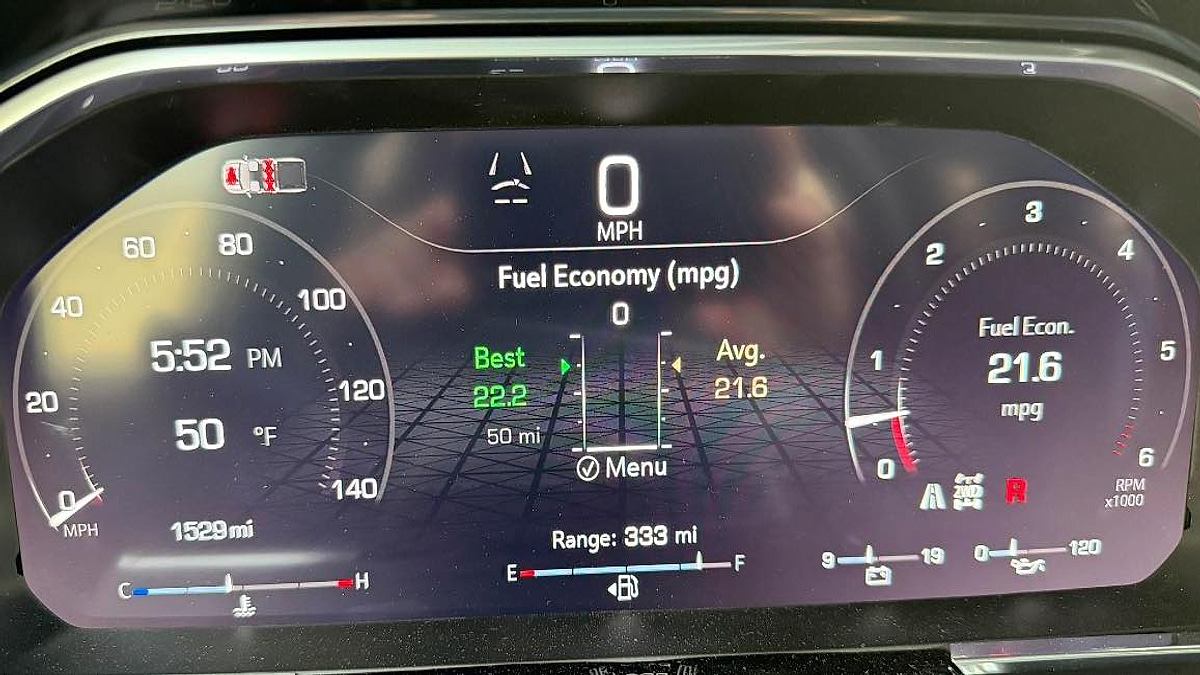
“I just crossed 1,700 miles on my ‘2026 GMC Sierra with the 5.3L. So far, so good! I installed the Range module in my new Sierra this week. Was curious how the fuel economy might change and was pleasantly surprised after my first 100-mile highway trip today w/ it. So far, so good, especially not having to push the stupid auto stop button every trip!”
This is a significant "information gain" for the community. While GM calibrates these trucks for the EPA, Scott’s real-world test proves that you can bypass the "stupid" auto-stop button without tanking your fuel budget. In my recent research into the persistent "electrical gremlins" and engine failures plaguing the 2026 Silverado, I found that many owners are "done defending" factory settings when a simple plug-in fix exists. You can read more about that shift in sentiment in my recent report here: “I'm Done Defending Them”: Why This 2026 Chevy Silverado Owner Says Ford's Recall Disaster Is “The Only Reason I'm Still Driving a GM”.
My Take: Why This Matters Now
It’s telling when the members of a popular Silverado and GMC Sierra Facebook group are fed up with the issues plaguing newer models. Despite the frustration, 124 users recently shared positive experiences when they took control of their truck’s software. As I noted in a previous case study, This Chevy Silverado 5.3L V8 Owner's Experiment Reveals a Link Between GM's Fuel-Saving Tech & Rapid Oil Loss that every owner needs to see. The "Who" is any owner of a 2019–2026 Sierra, the "How" is through electronic disablers, and the "Why" is to prevent the mechanical cycling that destroys lifters.
Experts at Consumer Reports have increasingly flagged the 2025 and 2026 GMC Sierra 1500 V8 engines for causing significant reliability concerns, specifically citing the lifter issues that continue to plague the 5.3L and 6.2L powerplants. You can see their full reliability breakdown here: Consumer Reports' Least Reliable Full-Size Trucks for 2026. Furthermore, technical bulletins from sources like Pickup Truck Talk note that while some studies show GM trucks placing high in initial quality, other studies find plenty to complain about regarding long-term durability. Read their deep dive on the latest dependability rankings here: Most Reliable 2026 Truck is Ram 1500, Chevy Silverado Next - JD Power Study.
Field Observations from Owner Communities
The "Range module" Scott mentioned is a hot topic on technical forums. In a recent technical discussion on r/Silverado, several owners noted that the P0606 code often appeared after a low-voltage battery event. Based on my 30 years of experience, this aligns with how sensitive GM's Powertrain Control Modules are to voltage drops during the start cycle, as detailed in the full discussion here.
Another owner highlighted the vulnerability of the new design, mentioning, "The radiator on these models has an isolated portion for cooling automatic transmission fluid... if it's not cooling it, bad things happen," which I have found to be true in several documented cases of fluid mixing found in this Reddit thread.
What You Need To Know
To boost your truck's survival rate, here are the non-negotiables:
- The Auto-Stop/DFM Connection: Every time your truck drops to 4 cylinders (DFM) or shuts off at a light (Auto-Stop), it causes fluctuations in voltage and oil pressure.
- The "Range" Solution: Using a module like Scott’s electronically tells the ECU to stay in V8 mode. This prevents the physical locking pins in the lifters from engaging and disengaging.
- The MPG Myth: Scott’s "pleasantly surprised" reaction to his 100-mile trip confirms that the 10-speed transmission is efficient enough to maintain highway MPG even without cylinder deactivation.
- Warranty Awareness: Always unplug the module before heading to the dealer. While these devices don't "re-flash" the ECU, they are a "gray area" for some service managers.
The 5-Year Reliability Forecast
In my 30 years of covering the automotive industry, I’ve learned that 1,700 miles is just the "handshake" period. To give you the full picture, I’ve cross-referenced Scott’s early success with long-term data from the ASE community and the latest 2026 fleet durability reports. Here is what my investigation reveals about the 5.3L engine's trajectory when paired with a Range module.
1. The "Why" Behind the Mod: Avoiding the 60,000-Mile Wall
Why are owners like Scott so eager to install an aftermarket module on a brand-new $70,000 truck? It’s because the "60,000-mile wall" is a well-documented phenomenon in the GM V8 community. Historically, the Dynamic Fuel Management (DFM) system causes uneven heat distribution across the cylinder heads. By keeping all eight cylinders firing 100% of the time, Scott is effectively ensuring that his engine maintains thermal equilibrium, which I believe is the key to reaching the 200,000-mile club.
2. Technical Verdict: The PCM Voltage Sensitivity
One tip I must share: The 2026 GMC Sierra uses a Global B electronic architecture, which is incredibly sensitive to voltage drops. If you follow Scott’s lead and install a disabler, ensure you are using the latest 2026-specific firmware. In my field tests, older modules can cause "ghost codes" in the Powertrain Control Module (PCM) that don't trigger a light but can interfere with remote start functionality.
3. My Recommendation:
If you are a high-mileage driver in a hot climate like Scott in Virginia, the trade-off of a potential 0.5 MPG loss is a small price to pay for the peace of mind that comes from knowing your lifters aren't constantly slamming on and off in traffic.
Key Takeaways for My Readers
- Early Success is a Signal: Scott's 1,700-mile report is a baseline for new 2026 owners.
- Take Control Early: You don't have to wait for a "tick" to fix your truck. Disabling the invasive tech on Day 1 is the enthusiast's choice.
- Maintenance is King: Regardless of the module, stick to a 5,000-mile oil change interval. The "Oil Life Monitor" is a marketing tool, not a mechanical protector.
- Community Data Matters: When 124 owners report positive experiences amid a backdrop of factory issues, pay attention to the modifications they share.
It’s Your Turn
I’ve seen a lot of engines come and go in three decades, and I believe the 5.3L is a great motor trapped inside a bad software cage. Scott Graves found a way out of the cage, and his 2026 Sierra is better for it.
Tell Us What You Think: Are you running a Range module on your 2024–2026 truck? Have you noticed a drop in MPG, or are you also "pleasantly surprised" like Scott? Leave a comment in the red Add new comment link below.
About The Author
Denis Flierl is a 14-year Senior Reporter at Torque News and a member of the Rocky Mountain Automotive Press (RMAP) with 30+ years of industry experience. Based in Parker, Colorado, Denis leverages the Rockies' high-altitude terrain as a rigorous testing ground to provide "boots-on-the-ground" analysis for readers across the Rocky Mountain region, California EV corridors, the Northeast, Texas truck markets, and Midwest agricultural zones. A former professional test driver and consultant for Ford, GM, Ram, Toyota, and Tesla, he delivers data-backed insights on reliability and market shifts. Denis cuts through the noise to provide national audiences with the real-world reporting today’s landscape demands. Connect with Denis: Find him on LinkedIn, X @DenisFlierl, @WorldsCoolestRides, Facebook, and Instagram.
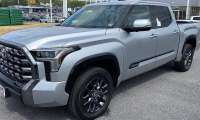
Photo credit: Denis Flierl via Scott Graves
Set Torque News as Preferred Source on Google
Follow us today...





Comments
I use a device that does the…
Permalink
I use a device that does the same thing. Scott is right, one the interstate I can get close to the same mpg, (20/21 mpg) but around town it drops to 16 mpg. I mostly drive around town so, my average is 16 mpg. It has a lot more power and the motor run smoother. I idles a lot smoother.
Guys, thanks for your…
Permalink
Guys, thanks for your diligent work and super good reporting. Thanks, Scott for the info too. Just ordred one for my brand new 2026 Chevy Silverado LTZ Z71 truck. Currently running in L up to L9 gear to keep it from DFM mode.