
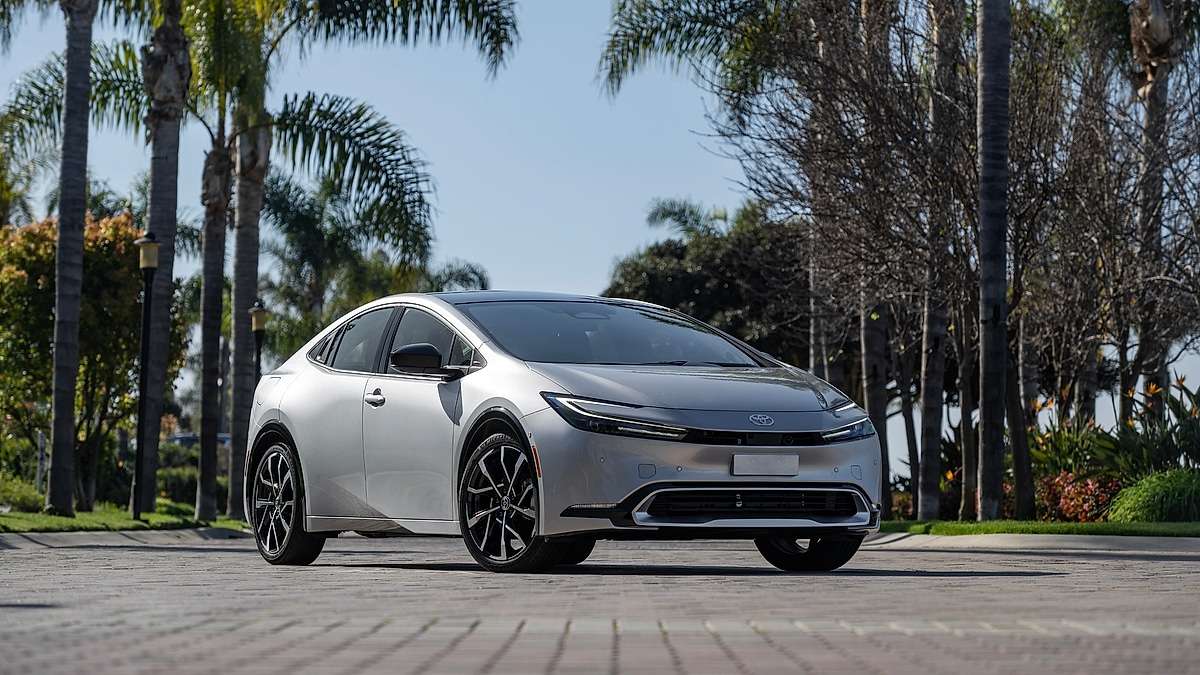

A 2024 Toyota Prius XSE Solar Roof, left in the Southern California sun for nearly half a day, managed to generate a mere 3.7 miles of battery charge. This specific data point, shared by an owner anticipating rising fuel costs, shows a persistent disconnect between manufacturer-touted features and their actual utility in the hands of consumers. The promise of "free" energy from a solar roof often collides with the reality of physics and packaging constraints.
Automotive manufacturers frequently offer seemingly innovative, high-tech options that, upon closer inspection, provide minimal real-world benefit for their cost. Buyers, eager for efficiency or novelty, are left to decipher whether these features are genuine advancements or merely marketing fluff designed to justify higher trim levels. The question concerns the industry's willingness to sell marginal gains as significant breakthroughs.
"In less than 12 hours, I was able to generate 3.7 miles of battery charge on a nice sunny day in SoCal. I'm ready for these $7/gallon gas prices."
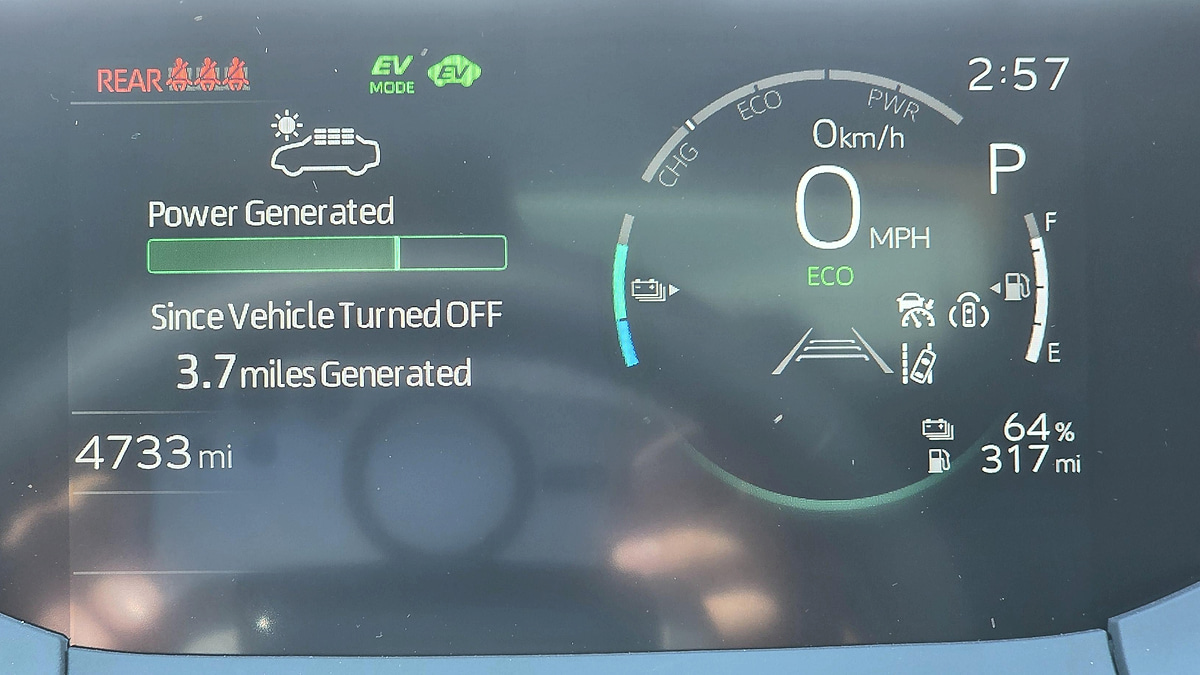
The initial post from MarkV62, while optimistic about $7-a-gallon gas prices, inadvertently exposes the fundamental limitation of current automotive solar technology.
2024 Toyota Prius XSE Solar Roof: An Expensive Novelty
- The 2024 Toyota Prius Prime XSE Premium offers a 185W solar charging roof panel as an option, adding approximately $1,600 to the vehicle's MSRP. This panel is designed to charge the 13.6 kWh battery pack, primarily when the vehicle is parked.
- Under ideal conditions, the solar roof can generate enough power to add up to 6 miles of electric range per day, according to Toyota's internal estimates. This contribution is most effective when the car is stationary and exposed to direct sunlight for extended periods.
- The system integrates with the vehicle's main battery, but its output is limited by the small surface area of the roof and the efficiency of current photovoltaic cells. Its primary function is to provide a supplemental charge, not to independently power the vehicle for significant distances.
- While the solar roof can power auxiliary functions like air conditioning when parked, its contribution to the driving range is minimal, particularly for drivers who regularly use their vehicle or charge from a wall outlet.
Generating less than four miles of range over twelve hours of prime Southern California sunlight suggests an energy capture rate that is, at best, supplementary. This is a trickle charger that adds pennies to the daily energy budget for a high upfront cost.
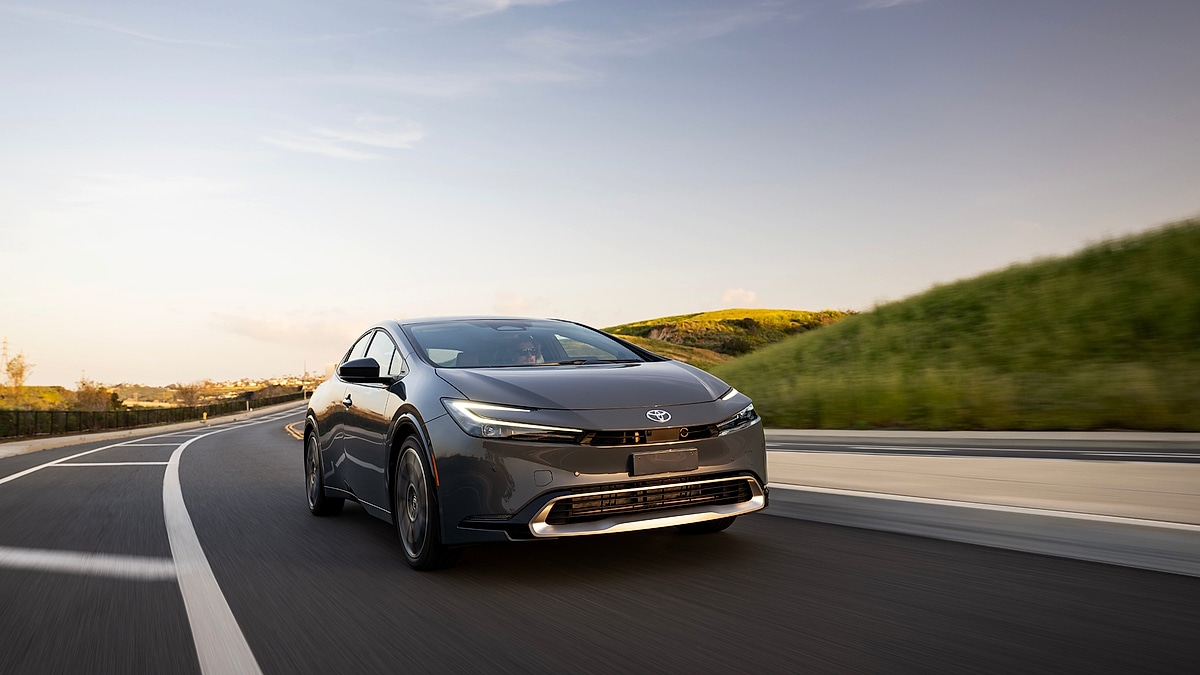
The comments section quickly clarified the specific application of this technology. Reddit user u/deconstruct110, intrigued by the feature, asked if all current-generation Priuses offered the solar roof. This immediate question from a potential buyer reveals the general public's lack of clarity regarding which models actually benefit from such options.
Reddit user bojack1437, identified as a "Top 1% Commenter" and owner of a 2024 Prius Prime, promptly corrected the record, stating: "It's only an option on the Prime/PHEV XSE Premium." This distinction is critical, as the Prime, being a Plug-in Hybrid Electric Vehicle (PHEV), has a larger battery pack and a greater reliance on electric-only range, making the solar roof's contribution even more diluted against its total capacity. This is where the real-world implications of these features begin to diverge from the marketing.
Another owner, u/Wide_Half3502, who purchased a 2026 PHEV with the solar roof, echoed the sentiment of disappointment, stating: "I was kind of stoked to get it, but the impact is negligible. Like, a few miles if the car isn’t already charged up, and it takes a bit to get to a mile. What is the benefit of this option? Is it doing something else I’m not aware of?" This is a pattern of buyers expecting a meaningful contribution and receiving a token gesture. Toyota has a history of offering solar roofs, dating back to the 2010 Prius, and the core problem remains unchanged: the surface area available on a car roof is simply too small to generate significant power for propulsion.
The question of "what is the benefit" is precisely what manufacturers must answer, not with vague promises, but with hard data on cost-effectiveness. When an option adds thousands to the sticker price and delivers only a few miles of range, the value proposition collapses. This is where the industry needs to be more transparent about the actual energy gains versus the marketing narrative of "free" power.
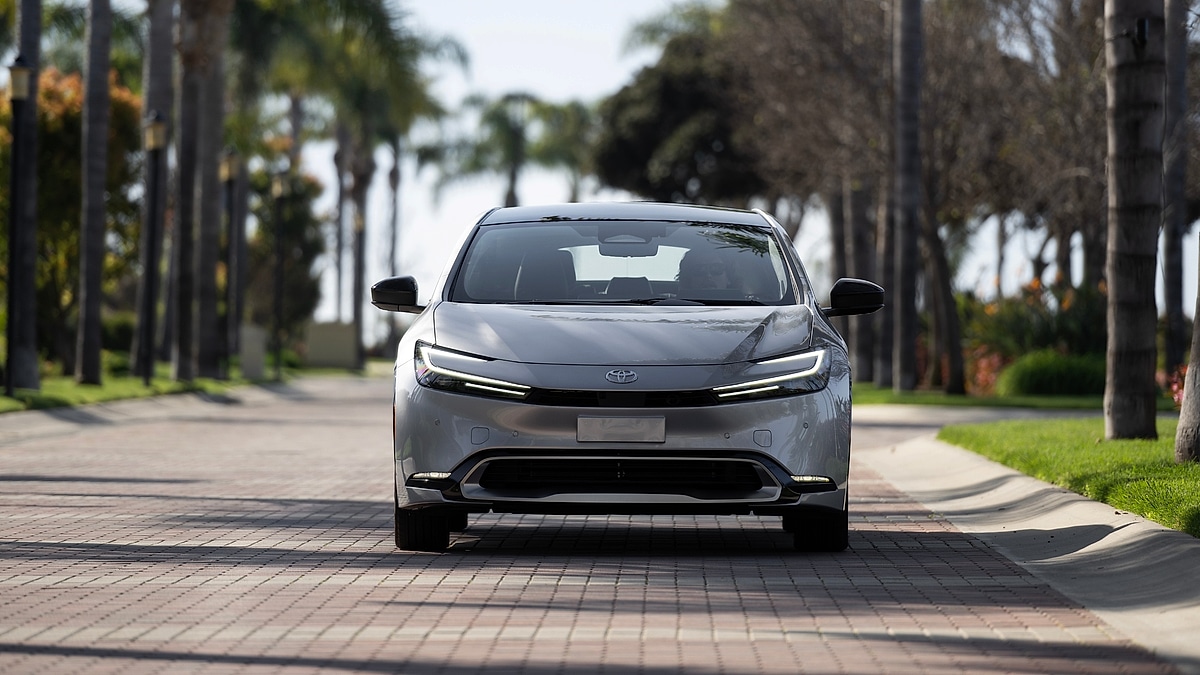
The Toyota Prius solar roof, in its current iteration, represents a triumph of perception over performance. While the technology itself is impressive in concept, its practical application on a passenger vehicle's limited roof area yields negligible returns for the consumer. Buyers are paying a premium for a feature that offers minimal tangible benefit, contributing little to fuel savings or extended electric range. It is a costly option that Toyota continues to offer, seemingly more for its novelty and marketing appeal than for any genuine contribution to vehicle efficiency.
Image Sources: Toyota Media Center
About The Author
Noah Washington is an automotive journalist based in Atlanta, Georgia, covering sports cars, luxury vehicles, and performance culture. His reporting focuses on explaining the engineering, design philosophy, and real-world ownership experience behind modern vehicles.
Noah has been immersed in the automotive world since his early teens, attending industry events and following the enthusiast communities that shape how cars are built and driven today. His work blends industry insight with enthusiastic storytelling, helping readers understand not just what a car is, but why it matters.
Noah is also a member of the Southeast Automotive Media Association (SAMA), a professional organization for automotive journalists and industry media in the Southeast.
His coverage regularly explores sports cars, luxury vehicles, and performance-driven segments of the automotive industry, including the evolving culture surrounding Formula Drift and enthusiast builds.
Read more of Noah's work on his author profile page or on his personal website.
You can also follow Noah here:
Set Torque News as Preferred Source on Google
Follow us today...







Comments
Adding a solar roof to power…
Permalink
Adding a solar roof to power the electrical systems wouldn't be such a bad idea especially if you used it for pre-cooling or preheating. Just trying to dump it straight into the traction battery though seems like a waste.
My 2026 Prius generated 2.6…
Permalink
In reply to Adding a solar roof to power… by Orion (not verified)
My 2026 Prius generated 2.6 miles yesterday during a 6 hour trip here in Wisconsin. I think the $610 solar roof option is better value than the $350 floor mats. The solar roof will never pay for itself in miles/Kwh generated but then my home solar system takes 10+years to pay for itself to.
Solar's value is…
Permalink
Solar's value is supplemental but significant. It can ensure you won't get stuck with a dead 12 volt battery and it can keep a power bank charged. But yeah, adding significant range via built-in solar requires a rethink like the Aptera.
As a $1600 option, assuming…
Permalink
As a $1600 option, assuming 45 mpg, $3.50 per gallon and 4 miles per sunny day it would take 5161 sunny days for the option to pay for itself directly in driveable miles/power.
(I understand there may be other passive benefits/utility etc, I just felt like doing the math based on these specific criteria.)