
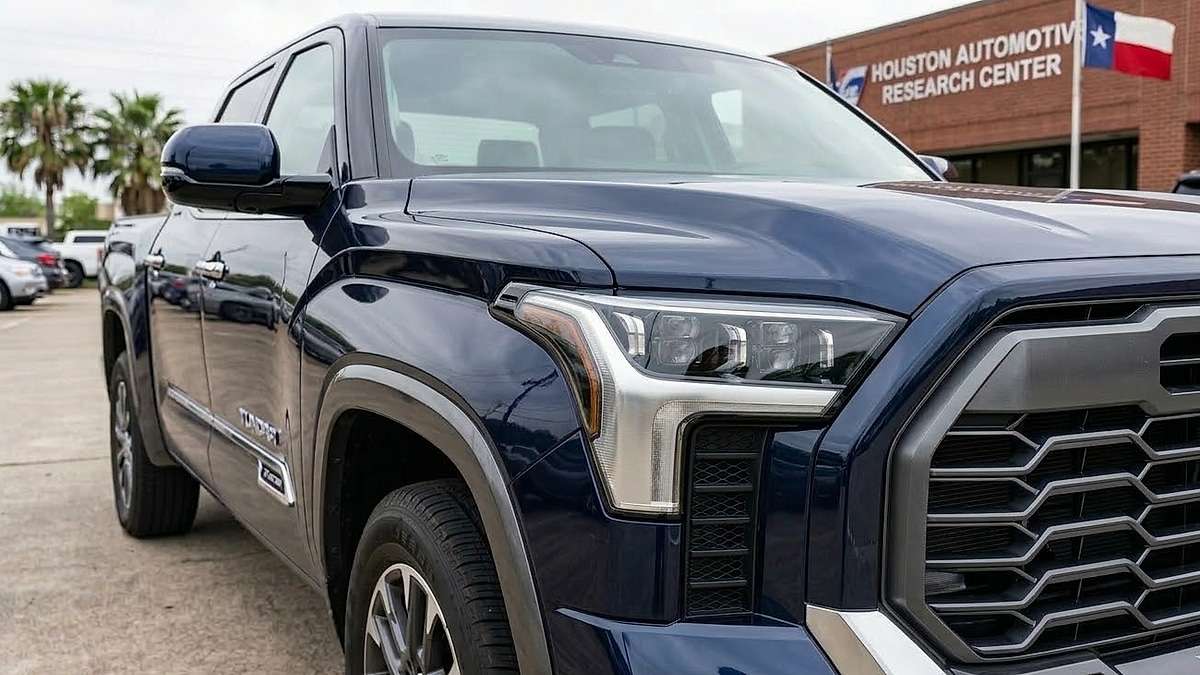

The $1,600 factory-installed tracking device on the 2024-2026 Toyota Tundra is failing to stop professional thieves, who are now using "CAN bus injection" to vanish with trucks in under 10 minutes. This vulnerability allows hackers to bypass the entire security suite, including the GPS, leaving owners like Jonathan Sewell of Houston, Texas, with a $70,000 loss and no "ping" from their investment.
As a 30-year veteran of the automotive industry, I’ve tracked the shift from mechanical lock-picking to these sophisticated electronic "snatch-and-grabs." Jonathan’s 2024 Tundra Limited was stolen from his driveway in broad daylight, proving that high-priced factory options are no match for a laptop-wielding thief. Here is why your integrated security is failing and the four specific "off-grid" steps you must take to protect your Tundra today.
In my research on Toyota security flaws, I found a recent post shared in a Facebook community of Toyota Tundra owners where Jonathan Sewell from Texas highlighted growing concerns about the vulnerability of modern trucks and the steep costs of relying on factory tech. Jonathan’s 2024 Toyota Tundra Limited was snatched from his Houston driveway in broad daylight, or rather, the dead of night, taking professional thieves less than 22 minutes to reprogram the computer and disappear.
He says, “Man, I loved my truck... It was stolen from in front of my house in Houston. It took the thieves less than 10 minutes to reprogram the computer and drive off. Don’t pay a dime for the Toyota tracking device, which they had priced at $1,600. It was immediately disabled; I never got a ping off it. They are pros, tech-savvy, and equipped to make it efficient. Police said they do one make/model until the manufacturer finds a fix, then move on to the next. It’s in a container probably already in Mexico or chopped by now, she’s gone!”
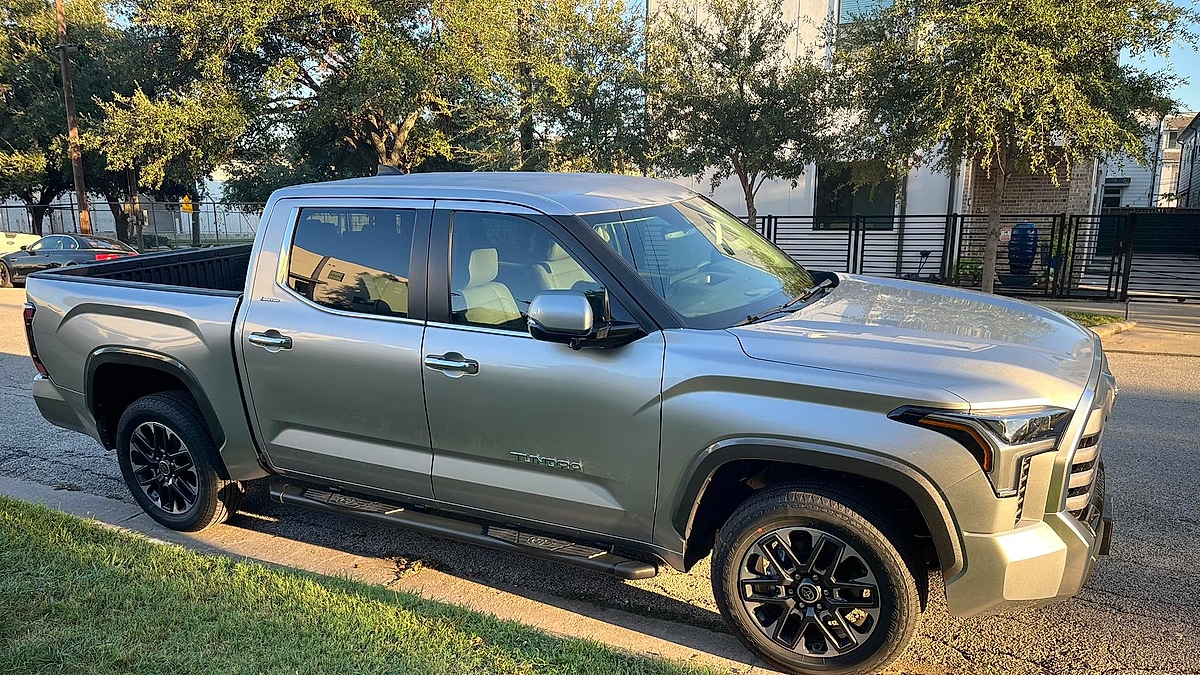
In my view, the most insulting part of this ordeal is that Jonathan was charged $1,600 for a Toyota tracking device that didn't send any notifications. Not one ping. As someone who has spent 30 years in this industry, I find it unacceptable that a "safety" feature priced like a luxury add-on can be silenced faster than a barking dog.
Why Your Factory Security Is Failing
The thieves who took Jonathan’s truck weren't amateurs with a coat hanger. They were tech-savvy "pros" who likely used a method known as CAN bus injection. By tapping into the truck's external wiring, often behind a headlight or wheel well, they can bypass the entire security system.
An expert report from the Ted Law Firm on Toyota headlight hacks confirms this specific vulnerability, stating that a headlight CAN injection attack works because thieves can reach the headlight wire and plug in a device to trick the vehicle into believing a smart key fob is present. Read the full expert breakdown here.
My take is that if a thief can tell the truck’s Brain (the ECU) that they have a valid key, the tracking system assumes the owner is driving. This is why I’ve previously reported that the Toyota RAV4 is a top target for thieves: the very tech meant to protect us is being turned against us.
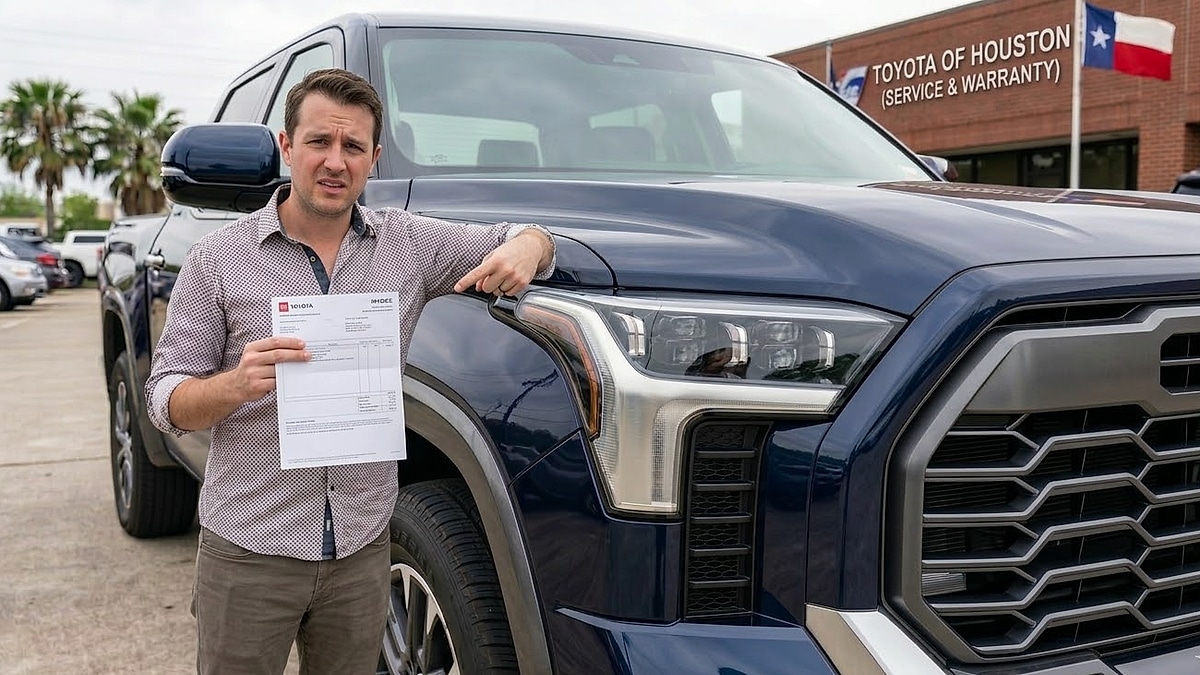
The $1,600 Paperweight
I often hear from readers who believe "factory-installed" means "better integrated." For tracking modules, integration is a weakness. If the tracker shares the same communication network as the ignition, a hack on one is a hack for all. I’ve seen this lead to a "false sense of security" that costs owners more than just the $1,600 add-on fee.
I’ve written extensively about how Toyota Tundra owners are facing rising insurance rates due to these specific theft vulnerabilities. When insurance companies see that "anti-theft" tech isn't stopping the bleeding, the premium hikes follow shortly after.
Tundra Owner Tech Data
The community is sounding the alarm on these vulnerabilities. One user on Reddit noted the severity of the situation, stating, "Thief accesses the CAN bus system and plugs in a module... It then floods the network to tell the ECU to start the car, and finally floods the network to disable the GPS system, all in about 30 seconds or so," which you can read in the full discussion here.
Another owner highlighted the vulnerability of the new design, mentioning, "Nothing to do with 2nd key. Don't believe the GPS story. There's no add-on GPS device. That truck is telling Toyota where it is all the time... thieves plug a laptop into the OBD port and are able to unlock the truck and start it with software," found in this Reddit thread.
My Take: How to Actually Protect Your Truck
If you are buying a 2026 Tundra, you need to think outside the Toyota ecosystem. Here is my expert advice on how to keep your truck in your driveway:
1. Mechanical Overrides: Use a high-quality steering wheel lock or a hidden kill switch. Thieves are looking for a "clean" electronic theft; they don't want to spend five minutes with a hacksaw.
2. Independent Tracking: Toss a $25 AirTag or Tile Pro in a hidden spot. Because these aren't wired into the truck’s ECU, the thieves’ reprogramming tools won't see them.
3. Physical Protection: Invest in CAN bus shields. A report from Catalytic Converter Protection suggests that a CAN Bus Anti-Theft Shield adds an extra layer of security, making it much more difficult for thieves to access your car's electronic system. See their protection guide here.
4. OBD Port Locks: A simple physical lock on your diagnostic port can prevent the "laptop" thefts Jonathan described.
Key Takeaways: Preventing Toyota Tundra Theft
- Avoid Integrated Trackers: Dealer-installed $1,600 GPS modules are often wired into the Tundra's internal communication network (CAN bus). Professional thieves can disable these in under 10 minutes by reprogramming the truck's computer.
- The "Headlight Hack" Vulnerability: Tech-savvy thieves use "CAN bus injection" via external wiring (such as headlights) to trick the ECU into thinking a valid key is present, thereby automatically silencing the factory alarm and tracking.
- Layered Defense is Mandatory: Because the Tundra’s electronic brain is vulnerable, you must use mechanical overrides (steering wheel locks or kill switches) that digital tools cannot bypass.
- Use Independent GPS: A hidden, battery-powered AirTag or Tile Pro is more effective than factory tech because it operates on a separate network that thieves’ reprogramming tools cannot detect.
- Secure the OBD Port: A physical lock on your diagnostic (OBD) port prevents thieves from plugging a laptop in to generate a digital key, a method commonly used in high-theft cities like Houston.
Left Out In the Cold
We are seeing a shift in which buyers recognize that "tech-heavy" doesn't mean "secure." Jonathan Sewell’s experience is a painful reminder that a "lifelong fan" of a brand can still be left out in the cold by a system that fails to ping when it matters most. If you’re at the dealership, save that $1,600 and spend it on a layered, third-party security approach that actually stands a chance against a laptop-wielding thief.
It’s Your Turn: Have you been pressured into buying a "tracking" package that you suspect is useless, or have you had a truck stolen despite having "factory" security? Click the red Add new comment link below to write your comment and join the community in sharing experiences.
Next Up: The 2024-2025 Tundra Reliability Crisis
While security is a primary concern, it isn't the only challenge facing owners. I recently conducted a deep dive into why 2024-2025 Tundra engine recalls are causing massive headaches for long-term owners, as mechanical failures join security flaws in the growing list of reliability concerns.
About The Author
Denis Flierl is a 14-year Senior Reporter at Torque News and a member of the Rocky Mountain Automotive Press (RMAP) with 30+ years of industry experience. Based in Parker, Colorado, Denis leverages the Rockies' high-altitude terrain as a rigorous testing ground to provide "boots-on-the-ground" analysis for readers across the Rocky Mountain region, California EV corridors, the Northeast, Texas truck markets, and Midwest agricultural zones. A former professional test driver and consultant for Ford, GM, Ram, Toyota, and Tesla, he delivers data-backed insights on reliability and market shifts. Denis cuts through the noise to provide national audiences with the real-world reporting today’s landscape demands. Connect with Denis: Find him on LinkedIn, X @DenisFlierl, @WorldsCoolestRides, Facebook, and Instagram.
Photo credit: Denis Flierl via Jonathan Sewell & Gemini
Set Torque News as Preferred Source on Google
Follow us today...


Comments
You can put an Apple air tag…
Permalink
You can put an Apple air tag hidden in side for $35 and use their “Find My” app to track it. Once you get another truck…