

Key Points
- Kia's Product Planning chief reveals the exact engineering reason the 2027 Telluride's turbo is fundamentally different from the unreliable turbos of the past.
- The shift to Gasoline Turbocharged Direct Injection gives modern engines heat and boost control that older turbos never had.
- Specific ownership habits covered here separate drivers who reach 250,000 miles from those who face costly repairs far sooner.
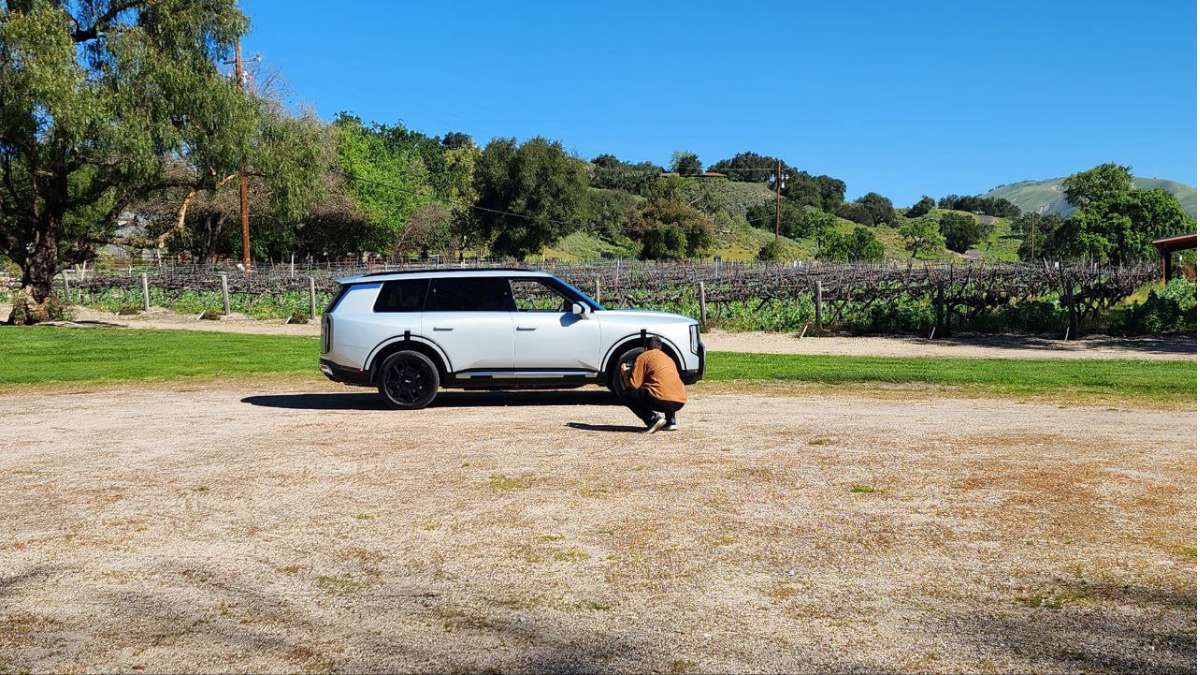
Last week Kia gathered journalists from across the automotive industry to test the next generation of one of America’s most popular three-row SUVs: the 2027 Kia Telluride. And while the redesigned SUV brings a long list of really great updates (KIA revealed us the SUV its engineers benchmarked most heavily when creating the 2027 Telluride), there was one topic that kept popping up in quiet conversations among reporters and engineers alike. It was the engine.
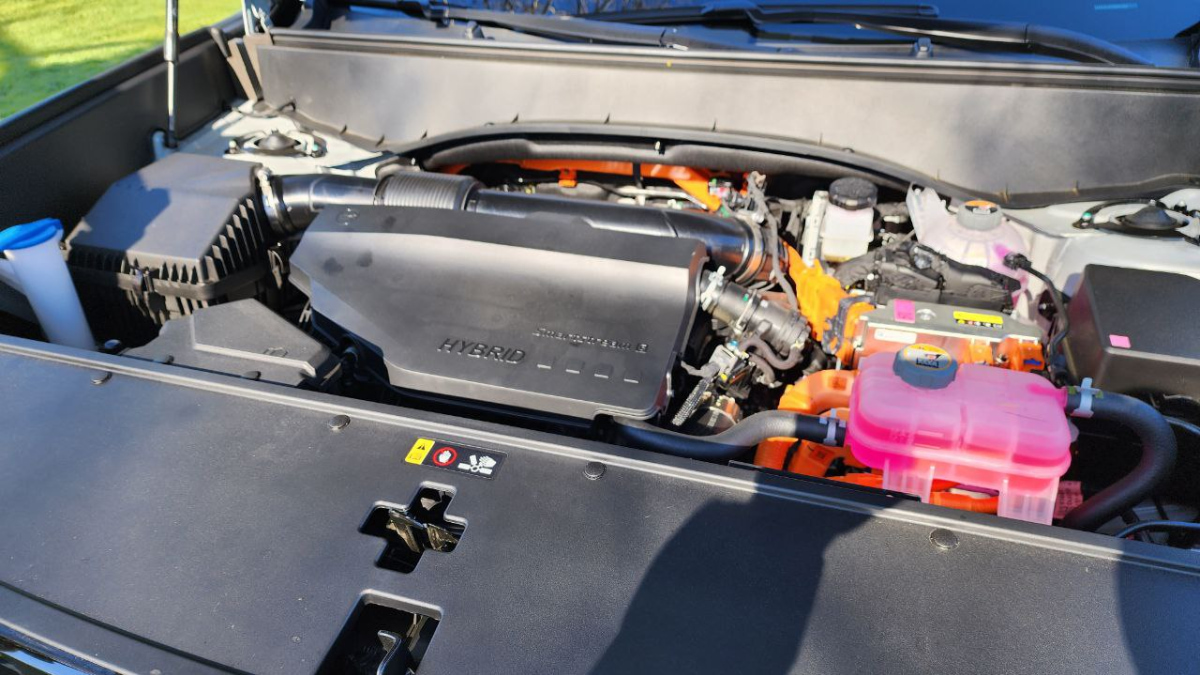
For the first time, the Telluride moves away from the familiar naturally aspirated 3.8-liter V6 and transitions to a turbocharged four-cylinder hybrid powertrain. That change alone raises an immediate question among many buyers: Will the turbo engine last as long as the old V6?
At one point during the event, I sat down with Sang Lee, Product Planning National Manager at Kia America, and asked him a question many car buyers have been asking. This question is probably asked by not only 2027 Kia Telluride potential buyers, but also owners of other vehicles with turbocharged engines, as well as those who would like to purchase the car, but are worried about the reliability of today's turbocharged engines.
Here is the question and answer exactly as it happened.
Armen Hareyan:
“Turbo engines in large SUVs always trigger reliability questions that come from the 80s and 90s of the past century, and these questions still remain with many people who aren't well informed that in order for the turbo engines go beyond 200K+ miles they need good maintenance, special driving habits like needing time to warm up and cool down and have complexities. The new Telluride moves from a naturally aspirated V6 to a turbocharged four-cylinder and hybrid system. What did Kia engineers do to ensure long-term reliability of the turbocharged engine compared with the previous engine?”
Sang Lee:
"I think what you're referring to with turbo problems in the past, back in the '80s, back in the '90s... So back then, there was no digital injection. There was less control of the heat. There's less control of the boost.
Modern technology with direct injection, there's more precise control of the turbo. And so basically, simply put, older turbos were kind of out of control. Modern turbos are perfectly superior, the management is so much superior."
Armen Hareyan:
“When you say 'older,' you mean before the digital age, '80s, '90s?”
Sang Lee:
“Yes, yes - with port fuel injection.”
Why People Still Distrust Turbocharged Engines
If you grew up around cars in the 1980s or 1990s, you heard the stories. Turbo engines that needed to idle for several minutes before shutdown or risk "coking" the oil around the bearings. Turbo engines that couldn't be pushed hard until fully warmed up. Turbos that failed at 80,000 miles, sometimes less, leaving owners with a repair bill that made their eyes water. The reputation was earned, not imagined. Those engines really did have serious vulnerabilities, particularly around heat management, oil degradation, and boost control.
The problem is that a lot of buyers today are still making 2025 decisions based on 1989 data points.
Let's Unpack What Sang Lee Just Said About Kia's Turbocharged Engine Because It Really Matters
When Lee says "older turbos were kind of out of control," that's not marketing speak. That's a precise engineering statement. Here's what he means.
In the era of port fuel injection, the fuel was sprayed into the intake port before the combustion chamber - not directly into it. That system gave engineers relatively little control over exactly how much fuel hit exactly where, at exactly what moment, under the varying pressure conditions a turbocharger creates. Add in primitive boost control systems and limited thermal management, and you had an engine that was constantly running on the edge, often hotter than ideal, with inconsistent combustion events.
Modern Gasoline Turbocharged Direct Injection - GTDI, the system powering the 2027 Telluride - changes all of that. The fuel is injected directly into the combustion chamber with extraordinary precision. The engine management computer controls boost pressure, injection timing, fuel quantity, and thermal conditions in real time, thousands of times per minute. When Lee says "the management is so much superior," he's talking about the difference between an analog thermostat and a modern smart home system. One guesses. The other knows.
This is also precisely why a turbocharged four-cylinder in 2026 is fundamentally not the same conversation as a turbocharged four-cylinder in 1993. The hardware has changed. The software has changed. The materials have changed. The oil formulations have changed. People who are still afraid of turbos based on older-era horror stories are, in many ways, afraid of a car that no longer exists.
But Wait, Not All Modern Turbos Are Created Equal
Here's where it gets interesting, and where I want to be transparent with you rather than just cheerleading for Kia. Not every modern turbocharged engine has earned its reliability stripes yet. Torque News has covered a range of turbocharged engine reliability concerns across brands, and the picture is nuanced.
A Toyota expert assessment of turbocharged engines in recent years, covered in detail on Torque News, identified that the number one way to protect your turbocharged engine from early failure is consistent oil changes, particularly when the vehicle is used for towing or aggressive driving because turbo heat accelerates oil breakdown faster than a naturally aspirated engine. That's not a knock on modern turbos, but just reality. The maintenance bar is slightly higher, and owners who respect that tend to have very different long-term experiences than those who don't.
On the other hand, Consumer Reports, in data that Torque News reported on when examining which brands have turbocharged engines with better-than-average reliability compared to non-turbo engines, found that several brands - including Honda, Lexus, BMW, Porsche, Audi, and Subaru - actually fielded turbo engines that scored better for reliability than the average naturally aspirated engine in their lineup. So the idea that "turbo equals unreliable" is already outdated as a blanket statement.
There's also an important context shift happening here that buyers should understand. Our 2021 Kia Telluride review on Torque News noted that the Telluride remained one of the last V6-powered holdouts in the segment as turbocharged four-cylinders continued to gain traction across the class - a distinction that, at the time, felt like a selling point. Looking back now, it reads more like a countdown. The segment has moved on, and the 2027 Telluride's engineering reflects where the industry actually is, not where it was.
The Bigger Industry Trend Behind the Telluride’s New Engine
Kia’s move toward a turbocharged hybrid system in the 2027 Telluride is not happening in isolation. It reflects a broader shift across the industry.
Automakers are balancing three competing goals:
- fuel efficiency
- emissions regulations
- performance expectations
A turbocharged engine paired with electrification can deliver strong torque while using less fuel than a large naturally aspirated V6.
And that matters in a three-row SUV.
The Hybrid Factor Adds Another Layer
The hybrid system in the new Telluride also changes how the engine operates.
Electric motors can assist during acceleration, reducing the load placed on the gasoline engine. That means the turbo engine doesn’t always have to work as hard.
Over time, that reduced stress may actually help durability.
It’s one reason hybrid vehicles often show impressive long-term reliability records.
The Human Side of Reliability
There’s another point worth mentioning. Reliability isn’t determined only by engineering. Ownership habits matter too.
Regular oil changes, proper maintenance, and paying attention to recalls all play a role.
In fact, one of the more unusual stories we covered involved a Telluride that caught fire after a recall notice about seat heater wiring went unnoticed by the owner.
The lesson is simple but important. Even the most advanced engineering cannot replace responsible ownership.
What You Should Actually Do as a Buyer To Better Maintain Your Turbo Engine and Give It More Miles
If you're looking at the 2027 Telluride, or any modern turbocharged SUV, here is the practical guidance that follows from everything above.
First, use the correct oil grade and change it on schedule. Turbo engines run hotter, especially under load. If you're towing a boat, a camper, or a trailer regularly, consider shortening your oil change intervals from the manufacturer's recommendation. The oil is the life of your turbo, full stop. Don't wait until the maintenance reminder tells you it's time.
Second, give the engine a minute or two at idle before driving aggressively from a cold start. Yes, modern turbos are far more tolerant of cold starts than older units, but they still benefit from a brief warm-up cycle before being pushed hard. This costs you nothing except thirty seconds.
Third, after a hard drive, especially after extended highway cruising or towing, let the engine idle for a minute before shutting it off. This allows the turbocharger bearings, which are oil-cooled and oil-lubricated, to cool down before oil flow stops. Modern turbos have improved thermal management significantly, but this habit is still a good one to keep.
These aren't complicated habits. They're the kind of thing that separates the owners who get 250,000 miles out of a turbocharged engine from the ones who are at the dealer at 85,000 miles wondering what went wrong.
Beyond the mechanics, if you want a deep-dive comparison of whether a four-cylinder turbo or a traditional six-cylinder better fits your driving lifestyle and needs, Torque News published a useful and detailed guide on choosing a four-cylinder turbo over a typical six-cylinder - and vice versa - that walks through the pros, cons, and driving scenarios that favor each approach. It's worth reading before you sign anything.
The Bigger Picture: What Kia Is Really Telling You
There's something else worth noticing in Lee's answer. He didn't say "don't worry about it." He didn't give a polished PR non-answer. He explained the mechanism, the actual reason why older turbos failed and why the engineering solution to that failure is now built into the 2027 Telluride's GTDI system. That kind of direct, technical transparency is what good journalism should be pulling out of automakers, and it's what makes this answer worth reading carefully.
Kia has spent a decade building the Telluride into one of the most credible family SUVs in the American market. Our long-term review of the 2024 Kia Telluride SX-Prestige X-Line, which you can read here as a reminder of just how capable the outgoing V6-powered Telluride was at its best, shows how much of a reputation Kia has to protect with this transition. They're not switching engines casually. They're doing it because the engineering, the emissions standards, and the long-term platform strategy all point in the same direction.
And if you're still on the fence about the hybrid variant specifically, which combines the 2.5-liter turbo with an electric motor, consider this: the hybrid system actually reduces the thermal load on the internal combustion engine under many driving conditions, because the electric motor handles a portion of the workload. That's not just good for fuel economy. It's potentially good for the engine's long-term durability as well.
The Moral of This Story
Here's the life lesson hiding inside this technical conversation, and it applies far beyond car buying.
We often let outdated fears make current decisions for us. We carry forward the failures of the past and apply them to the present, even when the present has fundamentally changed. Sang Lee didn't say the old turbo reputation was unfair. He said it was earned, and that the engineering has moved on. The wise response to that isn't blind trust. It's informed reassessment.
Whether you're evaluating a car, a career path, a relationship, or a financial decision, the discipline of separating what was true then from what is true now is one of the most valuable things you can develop. Fear built on old information protects nothing. Understanding built on current evidence protects everything.
Now, I want to hear from you directly.
If you currently own a turbocharged SUV or sedan with significant mileage on it, over 100,000 miles, has your experience confirmed or challenged the reliability fears that still surround turbo engines today? What habits, if any, have you developed to protect it?
And for those of you considering the 2027 Kia Telluride specifically: does Sang Lee's explanation about the difference between old-era port injection turbos and today's GTDI technology change how you feel about committing to this engine for the long haul, or do you still feel you need to see real-world high-mileage reports before you're convinced?
Drop your personal experience and your thoughts in the comments section below. What you've lived through behind the wheel is the most valuable data point any of us has.
Also see The 2027 KIA Telluride's Accessory vehicle and what it can do from our Torque News Youtube channel.
Images by Armen Hareyan of Torque News.
About The Author
Armen Hareyan is the founder and Editor-in-Chief of Torque News and an automotive journalist with over 15 years of experience writing car reviews and industry news. Now based in the Charlotte region (Indian Land, SC, he founded Torque News in 2010, which since then has been publishing expert news and analysis about the automotive industry. He can be reached at Torque News on X, Linkedin, and Youtube. Armen holds three Masters Degrees, including an MBA, and has become one of the known voices in the industry, specializing in the landscape of electric vehicles and real-world stories of actual car owners. Armen focuses on providing readers with transparent, data-backed analysis bridging the gap of complex engineering and car buyer practicality. Armen frequently participates in automotive events throughout the United States, national and local car reveals and personally test-drives new vehicles every week. Armen has also been published as an automotive expert in publications like the Transit Tomorrow, discussing how will autonomous vehicles reshape the supply chain, and emerging technologies in vehicle maintenance.
Set Torque News as Preferred Source on Google
Follow us today...







Comments
Part of the problem with…
Permalink
Part of the problem with modern engines that has been confirmed is direct injection. Port injection helps keep building away that causes detonation and engine failure.
Eddie, that’s a fair…
Permalink
In reply to Part of the problem with… by Eddie Sessum (not verified)
Eddie, that’s a fair observation and it’s a topic engineers across the industry still debate. Direct injection does improve efficiency and power because it allows very precise fuel delivery inside the cylinder, but as you mentioned, it doesn’t wash the intake valves the way traditional port injection does. That’s why some newer engines now combine both direct and port injection to balance efficiency with long-term cleanliness. Kia’s point during the interview was that modern turbo engines are managed far more precisely than older ones, with advanced software controlling boost pressure, temperature, and fuel delivery. Those improvements are aimed at preventing detonation and reducing stress on the engine. In the end, the real test will always be long-term ownership, and it will be interesting to see how these new turbo-hybrid systems perform after 150K or 200K miles in everyday driving.
Eddie, DPFI (port+direct…
Permalink
In reply to Part of the problem with… by Eddie Sessum (not verified)
Eddie, DPFI (port+direct injection is basically an industry standard that mitigates most GDI carbon issues. Kia uses it in newer stuff. The theta and gamma were GDI exclusive, now its both GDI and MPI (smartstream). Most manufacturers also do that now.
The GDI thetas weren't good. I had a fleet of non-gdi 2.0 Sonatas (foreign market) and they were alright. Mopar/Mitshubishi also used a variant without GDI and they were relatively reliable. Kias issues was North American production QC and lack of GDI maintenance.
We'll all have 100k mile…
Permalink
We'll all have 100k mile warranties if anything should pop up. Do you expect to own your vehicle beyond that? If so, you should be fine. If not, it'll be someone else's problem.
For me, I am a turbo fan. I…
Permalink
For me, I am a turbo fan. I like them. I have for years, even before they got a bad name. Not all turbos from years past were bad. I have owned other turbo vehicles. One was a higher mileage Kia Sorento. Turbos in SUVs are not a new thing. The biggest midsize three row SUV is the chevy traverse. In 2018 it was a 2.0, then third gens in 2024 changed to the 2.5. They have electrical issues (which chevy is famously known for, lol), but engines have been fine.
Currently my 2019 3.5…
Permalink
Currently my 2019 3.5 Ecoboost in my F150 has 160,000kms (100,000miles).I've been diligent with oil changes every 8000kms with synthetic oil only.Truck also does fair amount of towing.Love this engine and too much misinformation about turbo charged engines in my opinion. I have complete faith that my engine can and will live for way longer.