

Key Points
- Kia's Product Planning chief draws a clear line between the 2027 Telluride and the EV9, explaining their future in Kia's lineup.
- His answer exposes a truth that most EV headlines are currently ignoring about what American three row SUV buyers actually want right now.
- Knowing where Kia stands on this question gives shoppers a clearer picture of the three row SUV market than most automotive coverage is currently providing.
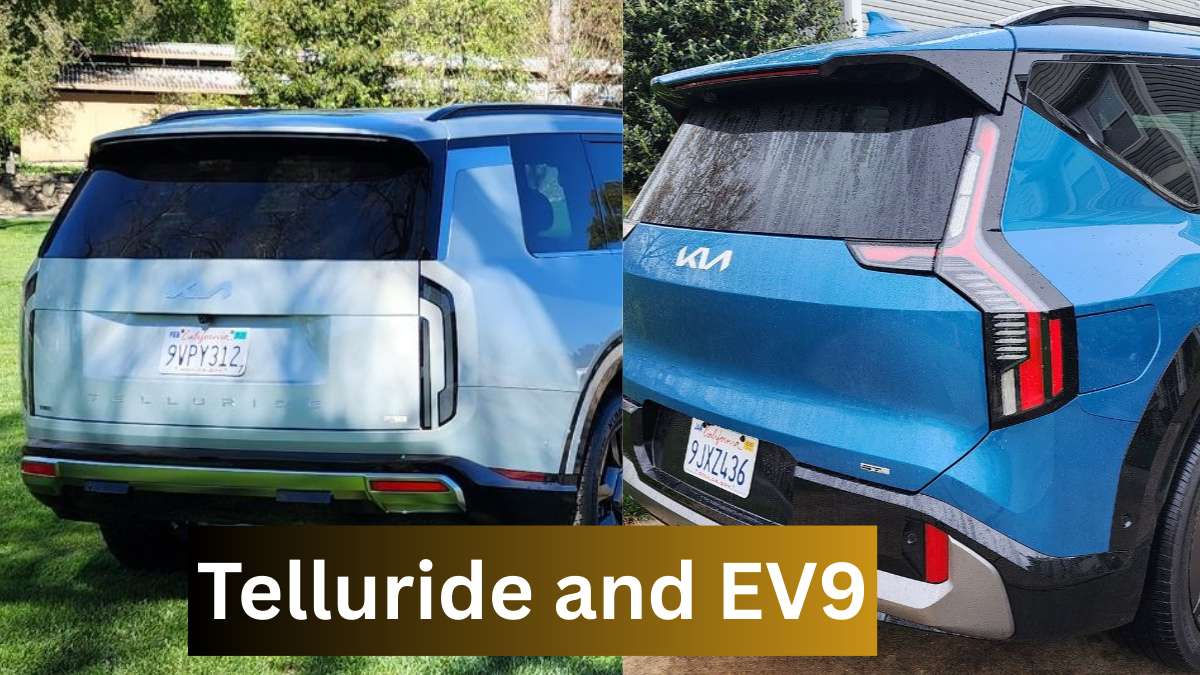
Picture yourself standing in a Kia dealership sometime this spring. On one side of the showroom floor sits the 2027 Telluride, bold and boxy, powered by a turbocharged hybrid system. On the other side sits the EV9, Kia's flagship three row electric SUV, quiet and futuristic and impressive in a completely different way. Same brand. Same dealership. Same number of rows. And you are standing there thinking: why does Kia need both of these?
That is actually one of the most important questions in the midsize SUV segment right now. And I got a direct answer to it from the person at Kia America whose job it is to know.
At the 2027 Kia Telluride media drive event in Santa Barbara, California, I sat down with Sang Lee, Product Planning National Manager at Kia America, during a break between drives. The conversation had already covered the V6 retirement in the new Telluride and the engineering behind the new turbocharged engine. But one question kept pulling at me. It is the question underneath all the other questions about this vehicle. The one that shapes how a buyer should actually think about the Telluride's place in the market going forward.
So I asked it.
Armen Hareyan: Will the Telluride eventually become fully electric, or will Kia keep it as the hybrid gas alternative to the EV9? What do you think?
Sang Lee: "So, I can't speak too much about the future for confidential reasons... But we already have a three row EV SUV in the EV9. Right now, the EV9 and the Telluride are complementary.
"Not every consumer wants an EV, some consumers, you know, prefer a gasoline powered vehicle. So we have both. Lots of people need a vehicle of this size with three rows."
One Word That Tells You Everything
Go back and read Lee's answer one more time. Past the part about confidentiality. Past the reference to the EV9. Focus on the word he chose to describe the relationship between these two vehicles.
"Complementary."
Not transitional. Not temporary. Not "the Telluride is a bridge until buyers are ready for the EV9." Complementary. As in: both vehicles are meant to exist, serve different people, and stay.
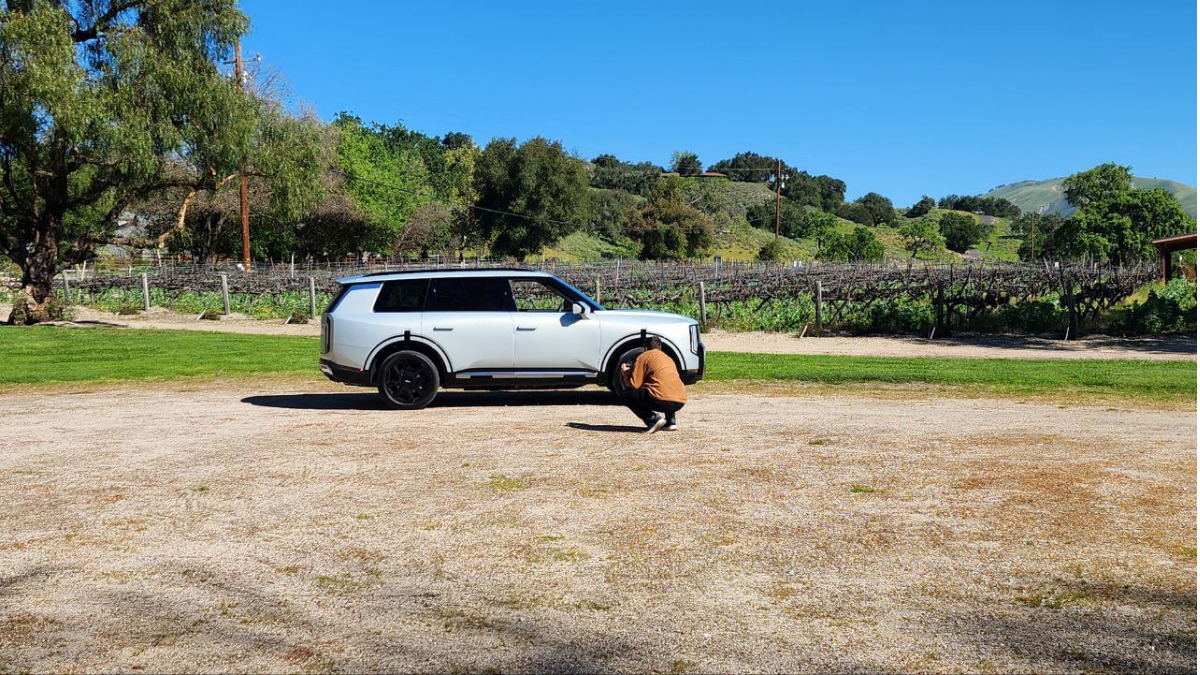
That single word carries more strategic weight than a full press release. It tells you Kia is not running a secret countdown clock on the Telluride's gasoline powertrain. It tells you the company is not quietly shepherding buyers from one vehicle to the other. It tells you that Kia's product team looked at the actual data on American three row SUV buyers and concluded that two genuinely different groups of people walk into their dealerships, and those two groups deserve two genuinely different answers.
That is a harder position to hold than it sounds. There is enormous pressure on every legacy automaker right now to telegraph an all electric future as loudly and as quickly as possible. Saying "we have a gas powered SUV and we are keeping it" takes a kind of confidence in your own customer data that not every brand currently has.
The Audience the EV9 Cannot Reach
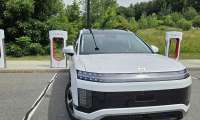
Here is the part of the three row EV conversation that tends to get glossed over. The Kia EV9 is a remarkable piece of engineering. Torque News tracked its development closely, and our early coverage of Kia's flagship electric SUV that was designed to help redefine what a three row electric vehicle could be made clear that Kia was genuinely serious about building something competitive and forward thinking. The EV9 earned that reputation.
But remarkable engineering does not automatically translate into the right vehicle for every family shopping in this segment. Consider the buyer who lives two hours outside a major city and charges concerns are real. Or the family that tows a camper four times a year and cannot always predict where a fast charger will be when they need one. Or the buyer on a tighter budget for whom the EV9's price point puts it out of reach even before the question of an EV makes sense. These are not edge cases. These are millions of American households.
Torque News has reported on how the Kia EV9 performed across a 1,482 mile real world road trip, and the results were genuinely impressive. But even the most enthusiastic EV road trippers will tell you that long distance electric travel requires a level of planning and flexibility that simply does not apply to a gas or hybrid vehicle. For a family loading three kids and a dog into an SUV at six in the morning and pointing it toward a twelve hour drive, that planning requirement is not a minor inconvenience. It is a real factor in the purchase decision.
The Telluride does not ask that family to change how they travel. It meets them where they already are. And according to Lee, Kia has no intention of taking that option away from them.
By the way, I test-drove the 2027 hybrid Telluride in California last week, and here are my impressions. This is a beautiful drive from the Torque News YouTube channel, which I uploaded this morning.
What Kia Is Actually Betting On
When you step back from the individual vehicles and look at what Kia is doing at the portfolio level, a clear strategic picture emerges. Kia is not picking a side in the gas versus electric debate. It is building vehicles for both sides of that debate simultaneously, at a quality level high enough to compete with the best options in each category.
This is not a new playbook. Toyota built its reputation on exactly this kind of parallel strategy with hybrid and gasoline vehicles running side by side for decades before full electrification became a serious conversation. Torque News covered how the Kia EV9's growing sales numbers began outpacing Telluride projections in certain markets in specific sales data, which sounds like a signal that the EV is winning internally. But read that data carefully and what it actually shows is a brand that is successfully expanding into a new customer base rather than cannibalizing an existing one. The Telluride buyer and the EV9 buyer are largely not the same person making the same decision. They are two different people making two different decisions, and Kia is positioned to win both of them.
The 2027 Telluride's platform investment reinforces this point. Kia engineered this generation to support a turbocharged four cylinder, a full hybrid system, and a potential plug in hybrid down the road. As Torque News noted when we were examining what a future electrified Telluride might look like before the hybrid version was officially confirmed, the hybrid path allows Kia to bring electrification to Telluride buyers at a pace and price point that actually fits their lives, rather than forcing a technology shift before the infrastructure catches up.
What the Broader Three Row SUV Market Tells Us
Look across the three row segment right now and you will see every major competitor grappling with the same question Kia is answering with this two vehicle approach. Our detailed spec comparison of the 2027 Toyota Highlander EV and the 2026 Kia EV9 shows just how crowded and competitive the electric three row space is becoming. Toyota, Hyundai, Kia, and soon others are all bringing serious electric three row products to market. That competition is real and it is intensifying.
But simultaneously, the Honda Pilot still sells strongly with a naturally aspirated V6. The Toyota Highlander hybrid continues to move in massive numbers. The Ford Explorer remains one of the best selling three row SUVs in America with no fully electric version driving the bulk of that volume. The data across the segment tells the same story Lee told me in Santa Barbara: a lot of people need three rows and they are not all ready for electric. Pretending otherwise does not serve buyers. It just makes for a cleaner press narrative.
What You Should Take Away From This as a Shopper
If you have been putting off a Telluride purchase because you were worried it might be discontinued or phased into an EV within a few years, Lee's answer should give you genuine clarity. Kia is investing in this vehicle's future as a gas and hybrid platform. That is not a guess. It is visible in the engineering decisions, the platform architecture, and the explicit product strategy Lee described.
If you are on the EV side of the fence and the EV9 is calling your name, the Telluride's continued existence does not take anything away from that decision either. The EV9 is not a consolation prize for buyers who cannot have a Telluride. It is a flagship product that Kia is equally committed to developing and improving.
Both vehicles have a real future. The only question is which one matches the life you are actually living right now.
A Thought Worth Carrying Beyond the Showroom
There is a tendency in moments of rapid change to assume that the newest thing automatically invalidates what came before it. We see it in technology, in culture, and increasingly in transportation. But the most durable decisions, whether in business, family life, or a vehicle purchase, tend to come from an honest assessment of what you actually need rather than what the current moment says you should want.
Sang Lee did not tell me the Telluride is forever. He told me it is here now, it is real, and it serves people who deserve to be served. That kind of honest, customer first thinking is worth more than any trend forecast.
If you are currently cross shopping the 2027 Telluride and the EV9, what is the single biggest factor pushing you toward one over the other, and has anything in Kia's two vehicle strategy changed how you are thinking about that decision?
And for those of you who have already owned both a gas powered three row SUV and an EV of any kind, what did real world daily life teach you about which powertrain actually fits a family better, and would you go back?
Share your personal experience in the comments section below. The conversation happening down there is always more useful than anything happening in a press release.
Images by Armen Hareyan
About The Author
Armen Hareyan is the founder and Editor-in-Chief of Torque News and an automotive journalist with over 15 years of experience writing car reviews and industry news. Now based in the Charlotte region (Indian Land, SC, he founded Torque News in 2010, which since then has been publishing expert news and analysis about the automotive industry. He can be reached at Torque News on X, Linkedin, and Youtube. Armen holds three Masters Degrees, including an MBA, and has become one of the known voices in the industry, specializing in the landscape of electric vehicles and real-world stories of actual car owners. Armen focuses on providing readers with transparent, data-backed analysis bridging the gap of complex engineering and car buyer practicality. Armen frequently participates in automotive events throughout the United States, national and local car reveals and personally test-drives new vehicles every week. Armen has also been published as an automotive expert in publications like the Transit Tomorrow, discussing how will autonomous vehicles reshape the supply chain, and emerging technologies in vehicle maintenance.
Set Torque News as Preferred Source on Google
Follow us today...


Comments
I thought Kia had made a…
Permalink
I thought Kia had made a fully electric Telluride. It's just called the EV9.