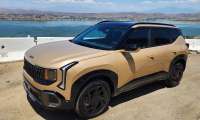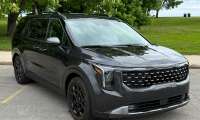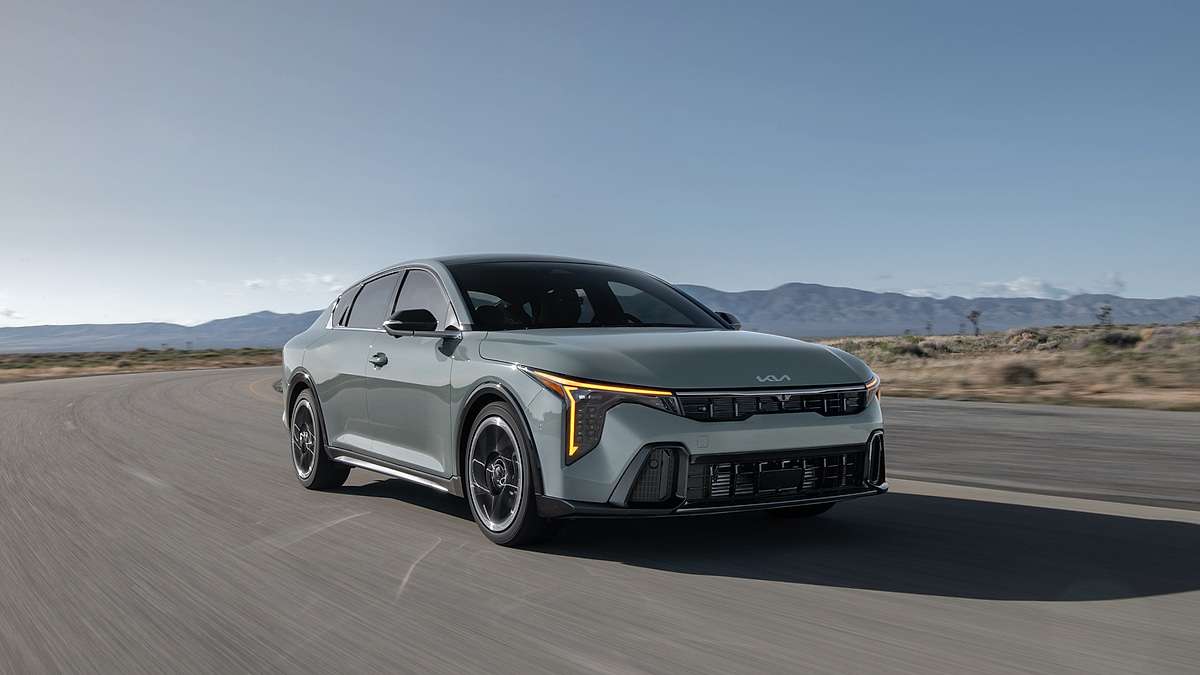

A Kia K4 owner, relying on the vehicle's smartphone application for remote locking and unlocking, found herself completely locked out of her car after leaving her physical key fob inside. This incident, occurring just weeks into ownership, shows a fundamental flaw in the design and assumed redundancy of modern digital key systems. The convenience of app-based control evaporated the moment the physical backup was unavailable, trapping the K4 owner's only means of entry inside the vehicle.
This is a systemic vulnerability emerging across the industry as automakers push digital-first solutions without adequate real-world safeguards. The assumption that a physical key will always be present, or that a digital key is inherently infallible, overlooks the messy realities of daily ownership. This incident exposes a critical gap in vehicle access planning that could affect any driver relying on these new technologies.
"Owned my K4 for a few weeks now and have locked and unlocked my car with the app while at work, stupid me for thinking less things to carry into work... now I'm locked out of my car."
The core issue here is not the owner's lapse in judgment, but the system's failure to prevent such a scenario.
Kia K4: Digital Key System Vulnerabilities
- The Kia K4, introduced for the 2025 model year, features a digital key system allowing owners to lock, unlock, and start the vehicle via a smartphone app. This technology aims to reduce the need for a physical key fob in daily use.
- The incident shows a potential flaw where the vehicle's remote locking system does not appear to detect if the sole physical key fob is present inside the cabin before executing a lock command. This contrasts with many traditional keyless entry systems that prevent locking when a fob is detected inside.
- Many modern vehicles, including the K4, still offer a physical key blade hidden within the fob for emergency manual entry, typically via a keyhole on the driver's door. However, this backup is useless if the entire fob is locked inside the vehicle.
- The K4's digital key is part of a broader industry trend towards smartphone integration, which promises convenience but introduces new points of failure if not robustly engineered with redundancy in mind.
The K4's digital key system, like many others, allows for remote locking via an app. However, it appears to lack the intelligence to detect if the only physical key fob is still inside the vehicle before executing a remote lock command.
This is a basic safety measure that has been standard in traditional keyless entry systems for years, where the car typically refuses to lock if the fob is detected inside.
This is where the pattern becomes clear. The industry has been slow to integrate the same level of fail-safes into app-based systems that they perfected with physical fobs.
Laura King, a commenter on the post, suggested a traditional workaround: "We have a fob plus a key in case our key fob dies on us, you can stick it into the hole on the driver side and unlock the car." This advice, while well-intentioned, entirely misses the point of the K4 owner's predicament. Alissa Lipoff responded directly, stating, "Laura King, all my keys, including the key fob, were locked up tight in there lol." This exchange reveals the critical problem: the physical key, which would normally serve as a backup, was inaccessible precisely because the digital system allowed it to be locked inside.
The problem is the digital system's permission to lock that key out of reach. Automakers need to build in smarter algorithms. These algorithms must recognize when the primary access device (a fob, a phone, or a card) is inside the vehicle and prevent remote locking in such circumstances. The current design implies a level of trust in digital systems that is not yet warranted by their real-world implementation. Basic vehicle access and security, not just convenience, are at stake.
The Kia K4 lockout incident shows that the rush to digital convenience often overlooks fundamental user experience and redundancy. Automakers must ensure their digital key systems are as intelligent and fail-safe as the physical systems they aim to replace, preventing owners from being locked out of their own vehicles due to design oversights.
Image Sources: Kia Media Center
About The Author
Noah Washington is an automotive journalist based in Atlanta, Georgia, covering sports cars, luxury vehicles, and performance culture. His reporting focuses on explaining the engineering, design philosophy, and real-world ownership experience behind modern vehicles.
Noah has been immersed in the automotive world since his early teens, attending industry events and following the enthusiast communities that shape how cars are built and driven today. His work blends industry insight with enthusiastic storytelling, helping readers understand not just what a car is, but why it matters.
Noah is also a member of the Southeast Automotive Media Association (SAMA), a professional organization for automotive journalists and industry media in the Southeast.
His coverage regularly explores sports cars, luxury vehicles, and performance-driven segments of the automotive industry, including the evolving culture surrounding Formula Drift and enthusiast builds.
Read more of Noah's work on his author profile page.
You can also follow Noah here:
Set Torque News as Preferred Source on Google
Follow us today...