
Some cars develop an image based on consumer reviews, technical data, and safety ratings. Others develop this same image during those unpublicized instances that can go wrong. When I came across a post from Telluride owner Jenni Ann Bates in a complaints group, she made it clear she had issues with the Kia but still gave it credit for something far more important than performance.
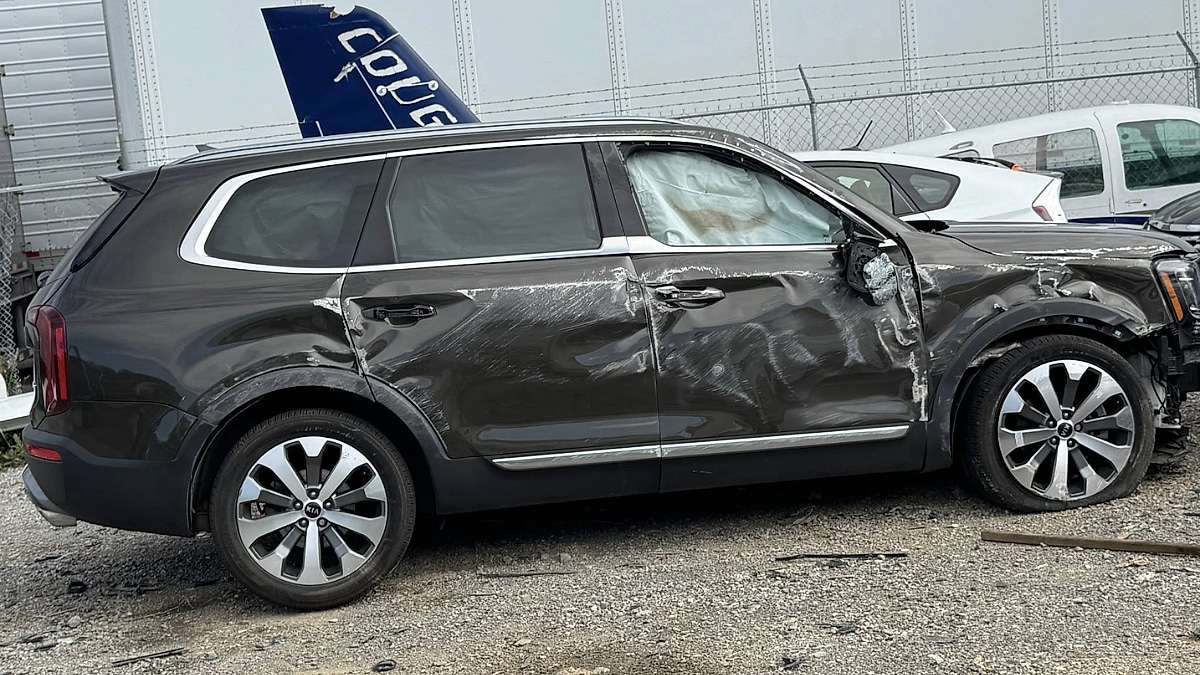
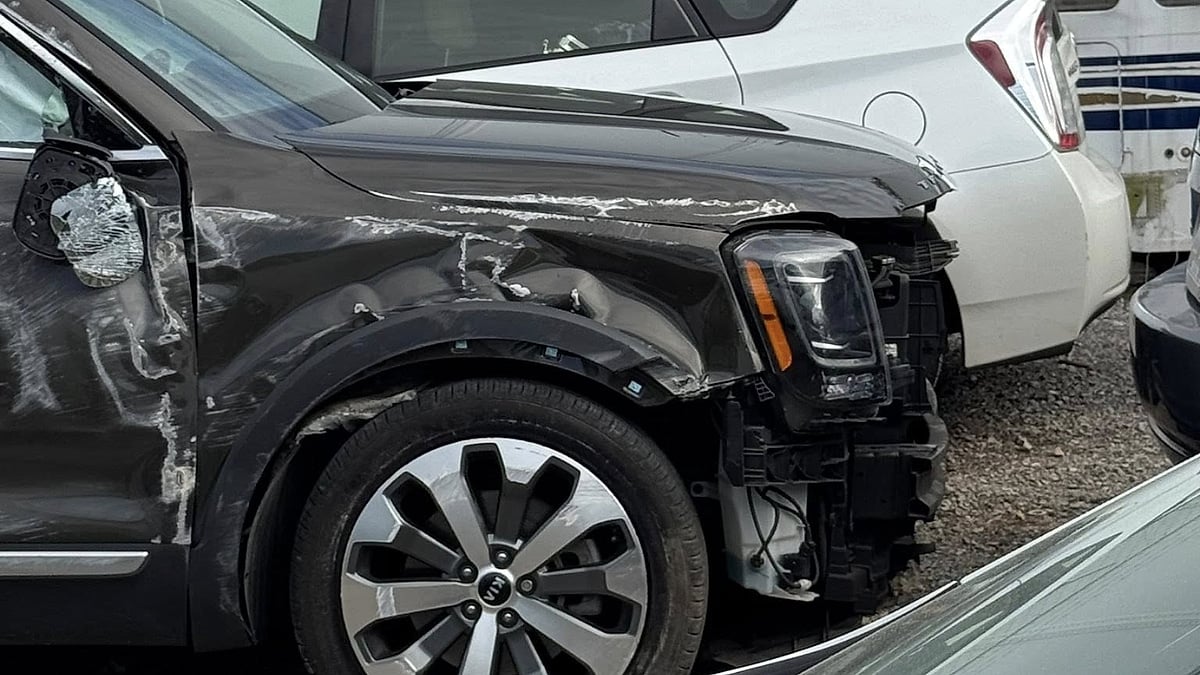
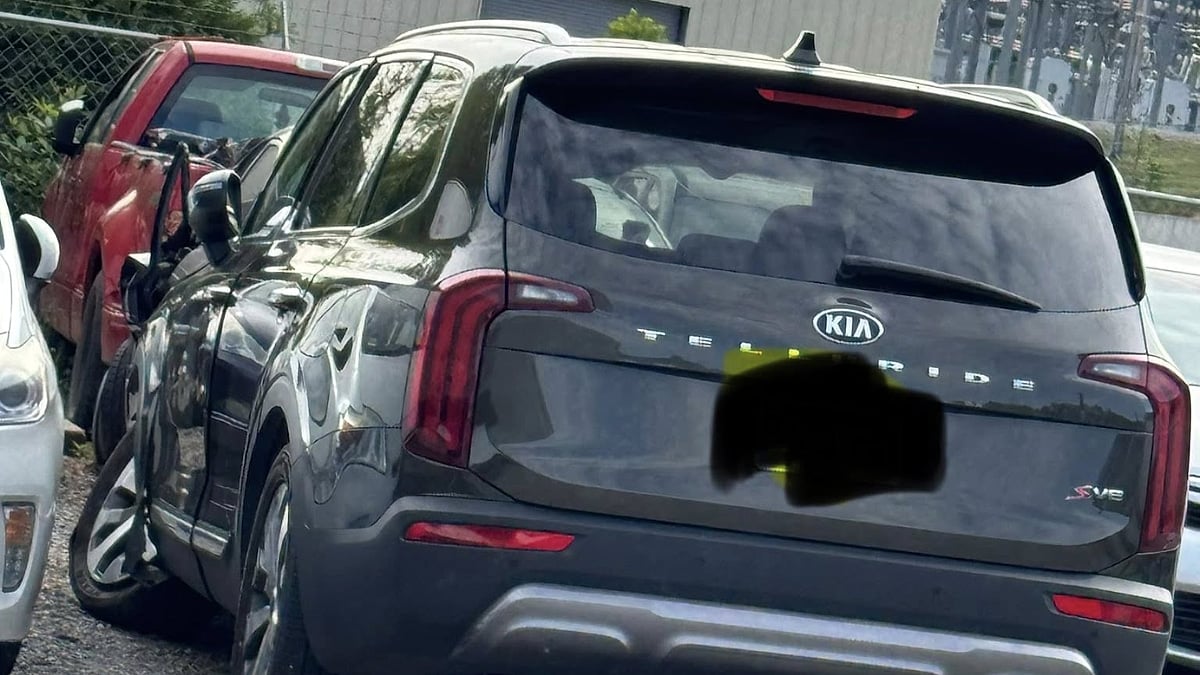
Here's how she described it: “I know this is the complaint group, and I have plenty of complaints, but I also want to share some praise. Last year, I was rear ended by a semi-truck going full speed on the interstate. I was at a dead stop. I walked out of the car shaken, but not a scratch on me. They repaired the car. It was a 2020 Telluride. I was shocked they didn’t total it. Last night, a tire blew out on the car while my teenage son was driving. He remembers nothing after hearing the sound from it. He flipped and slid on the passenger side about 40 feet from where he initially flipped. Every airbag throughout the car was deployed. He walked out without a single scratch or bruise. A bit sore, but I am grateful that the Telluride’s safety features have acted as they should in both major accidents. Its performance is probably why we’re both still here.”
Crash Test Becomes Real Life
Even one of these accidents would be sufficient to wreck nearly every car. Getting hit from behind by a semi-truck traveling at full speed when you're stopped is probably the worst-case scenario in real-world driving. Often, impacts like this will have extensive structural damage and continue to cause problems long after the time of the accident.
But in this case, Jenni walked away unscathed. Even more remarkable than that is that her vehicle was repaired and placed back into service. That detail raises an interesting point about the design of today's SUVs. Many are built not only to take impact but also to distribute force so that the occupants are protected within the cab while parts of the vehicle can crush in a manner which is intended.
A Tire Blowout, a Rollover, and an Outcome That’s Hard to Ignore
The first crash was already a wild occurrence, but it becomes much worse with the second incident adding to the narrative. A tire blow out while traveling at high speeds on a highway is among the most unpredictable and dangerous things that a motorist will ever encounter too. Loss of control can happen instantly, and rollovers often follow.
That's exactly what occurred here. Jenni’s son experienced a blowout, lost control, and flipped the Telluride. The SUV then slid roughly 40 feet on its side. Generally, incidents such as these are expected to produce some type of visible injury at least. However, the end result tells an entirely different story. All airbags activated and Jenni's son suffered no visible signs of injury. Not even bruising.
In my opinion, this is where the benefit of today's automotive safety design truly shines through. Automotive safety design isn't simply about preventing accidents, it's about what occurs if or when prevention fails. Vehicle structural integrity, air bag placement, activation timing, and how the passenger compartment retains its integrity are all key factors.
Real-World Crashes Match the Data
Stories like this become even more interesting when you compare them to official crash testing results. According to official crash testing data from the Insurance Institute for Highway Safety for the 2020 Kia Telluride, the SUV earned top-tier ratings across multiple categories, including crashworthiness and crash avoidance.
That means the kind of protection Jenni described isn’t just anecdotal, but it aligns with controlled testing designed to simulate serious impacts. The IIHS Top Safety Pick+ designation, in particular, reflects strong performance in small overlap crashes, side impacts, and roof strength, which is especially relevant in rollover scenarios like the one her son experienced.
Now of course no crash test can perfectly replicate every real-world situation. But when you start seeing real stories that mirror those results, it adds another layer of confidence in how a vehicle is engineered.
Why This Story Feels Different From Typical Praise
What stood out to me most is how this story began. It didn’t come from a fan page or a promotional post. It came from a complaints group, and that context matters.
Jenni openly admits she has issues with the Telluride, and she’s not alone. Across the ownership community, there have been several discussions ranging from minor annoyances to more serious concerns. We've even seen a case here at Torque News where a Telluride owner went through two engine replacements in one month and felt the response from Kia didn’t match the severity of the situation.
That’s what makes this story even more credible. It’s not just blind praise, but it’s recognition that even a vehicle with flaws can still deliver when it matters most.
What Other Owners Are Saying About Telluride Safety
Jenni’s story sparked a wave of responses from other Telluride owners, many of whom shared similar experiences.
Shawnalee Fry wrote, “I’m glad you are all ok! My main reason for buying a Telluride was the testimony, photos, and crash ratings!”
That comment highlights something important. Many buyers are influenced not just by official ratings but by real-world stories. Seeing how a vehicle performs in actual accidents can carry more weight than a controlled test environment.
Lacie Wheeler shared an even more dramatic account: “I have the same story. My husband T-boned another car and he walked away. In our 2021 Telluride there were leg airbags and it’s a good thing there were because the motor came through the floor where my husband's feet were. My husband didn’t have a scratch or bruise at all!”
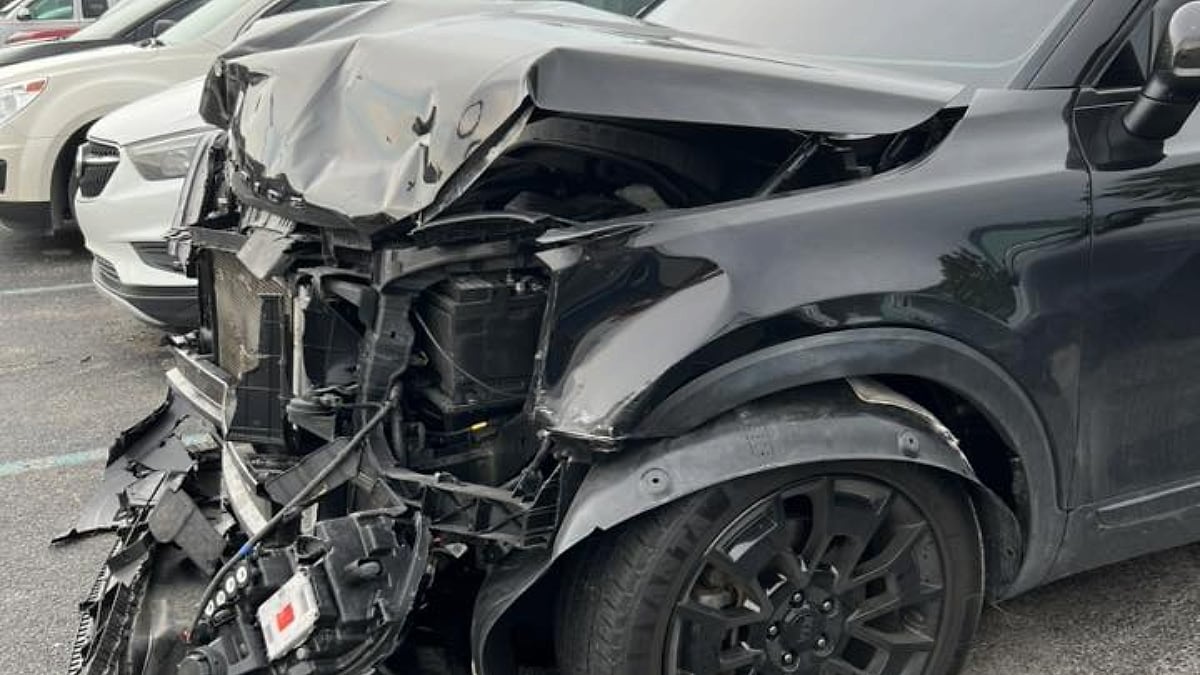
This adds another dimension to the discussion. Airbag coverage has evolved significantly in recent years, and lower-body protection is something that often goes unnoticed until it’s needed.
Then there’s Avyanna Fleming, who offered a perspective that closely mirrors Jenni’s: “I have my complaints too, but when I traded it on Thursday, I told my husband it did its job. I was side swiped by a car going 45 MPH with my daughter in the car, and not a scratch on any of us even though it resulted in the car being in the shop for 3 months. It’s part of why I agreed to buying it 4 years ago. It was because of its crash safety ratings.”
What’s interesting here is the consistency. Different types of accidents, different drivers, but the same general outcome of minimal or no injuries.
Reliability Conversations Still Matter Alongside Safety
While stories like Jenni’s highlight how the Telluride performs in extreme situations, the ownership conversation doesn’t end there. I’ve also covered cases where drivers raised concerns about long-term reliability, including my report on a 2020 Kia Telluride owner who refused to buy another one after dealing with oil consumption issues.
That contrast is significant here. It demonstrates that ownership often is not black or white. An automobile can be frustrating for its owner on a daily basis while still providing precisely what it was intended to provide in a worst-case situation. That balancing act between reliability issues and a history of safety performance becomes part of the overall decision-making process.
The Bigger Picture Behind Telluride’s Reputation
Even with all this reliability talk, The Kia Telluride has built a strong reputation in recent years, often ranking highly among midsize SUVs. Much of that comes down to its combination of value, design, and features. In fact, we recently broke down why newer Telluride models continue to rank at the top of the segment, particularly as Kia explores future hybrid options and continues refining the platform.
But reputation for most consumers isn't built on one single factor. Some customers may care about how comfortable of an experience it will be, while other consumers may want to know if their new car has the latest in automotive technologies. Then there are those who may care about something else entirely, like what happens in a worse-case scenario.
A story like this doesn't remove concerns from owning a car for a long time or concerns about future mechanical problems. However, they do provide us with context. They remind us that a vehicle can have flaws and still excel in areas that are arguably more important.
Complaints Take a Back Seat to Survival
I think stories like this draw attention to what is all too often ignored in today's car market. We talk a great deal regarding horsepower, screens, and features of cars, but we don't spend nearly the same amount of time discussing what really matters in those few life changing seconds.
From what I’ve seen covering owner experiences, I've found many times that there is a huge difference between how vehicles perform every day and their performance under extreme conditions. The Telluride is a prime example of this. While the Telluride has its shortcomings as a vehicle and owners will be very fast to point them out, its numerous accounts of serious crashes that had similar results raises an important question of what we prioritize as drivers.
I believe this is where the perspective shifts for some people. Complaints matter, especially when they affect ownership experience. But in moments where safety becomes the only thing that matters, stories like this carry a different kind of weight.
Key Takeaways
- Safety Isn’t Just About Ratings: Real-world experiences can reveal how a vehicle performs beyond controlled crash tests.
- Flaws Don’t Cancel Strengths: A vehicle can have legitimate issues and still excel in critical areas like occupant protection.
- Modern Engineering Matters: Features like full airbag deployment and structural integrity can make a life-changing difference.
- Owner Stories Shape Reputation: Word-of-mouth experiences often influence buyers just as much as official reviews.
What Do You Think?
Would an experience like this change how you view a vehicle with known issues? And have you ever owned a car that proved itself in a situation you’ll never forget?
Let us know your thoughts in the comments below. We'd love to hear from you.
About The Author
Aram Krajekian is a young automotive journalist bringing a fresh and analytical perspective to the evolving automotive landscape by reporting on real-world ownership experiences and providing industry analysis. Based in North Carolina, he covers electric vehicles, trucks, and broader automotive trends with a focus on contributing a balanced evaluation. His reporting cuts through brand bias to provide readers with grounded insight into how vehicles perform for everyday drivers beyond marketing narratives.
Aram can be reached on X and LinkedIn for ongoing automotive coverage.
Image Credits
The “KIA Telluride Complaints Group” Facebook group.
Set Torque News as Preferred Source on Google
Follow us today...