
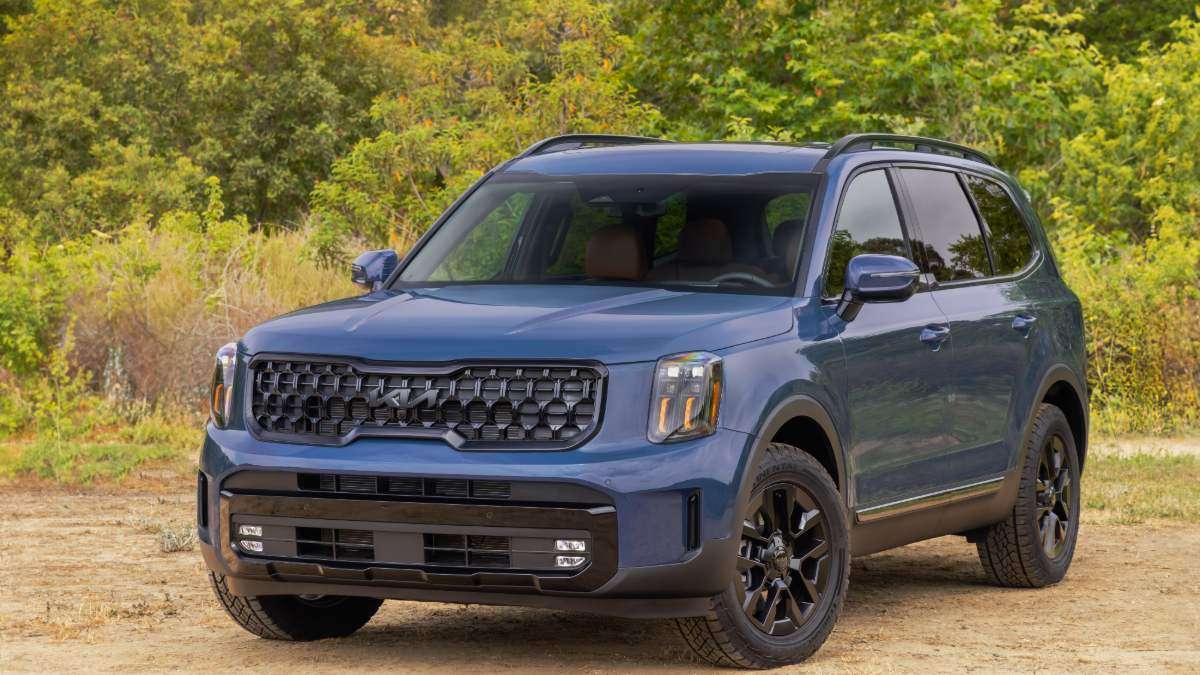

For many buyers, the Kia Telluride has represented one of the strongest values in the three-row SUV market. But for one owner, the experience deteriorated so badly that she ultimately sold the vehicle and publicly warned others. Her story is not about a single failure, but a cascade of breakdowns, miscommunication, and what she describes as dismissive treatment from both the dealership and Kia corporate.
“I sold my Telluride. Good riddance. Good luck to those who have one.
Update. Here is the email I sent to the director. This was in December.
The last photo is the letter from Kia Customer Service. Their goodwill ‘offer’.”

The problems began around a routine 75,000-mile service visit in October. The owner reported a loud clunking noise coming from the engine, a concern serious enough that technicians performed diagnostic testing the same day. According to her account, the engine failed that test and required full replacement, a repair estimated to take two weeks or more. At no point, she says, was there any indication the repair might be completed sooner, nor was a loaner vehicle offered.
Kia Telluride: Stance & Proportions
- The Telluride’s wide stance and boxy proportions translate into strong interior space utilization, particularly in the second row, while making the vehicle feel substantial on narrow streets.
- Suspension tuning favors comfort and stability over sportiness, delivering a composed ride on long highway drives but noticeable body roll when pushed through corners.
- Interior layout emphasizes clear physical controls and logical screen placement, reducing reliance on touch inputs for common driving tasks.
- Third-row access and seating are usable for adults on shorter trips, though cargo space tightens quickly when all rows are occupied.
Because the dealership stated it did not provide loaners, the owner rented a vehicle out of pocket. Expecting a long repair, she prepaid for two weeks of rental time and insurance. Then, unexpectedly, she received a voicemail just days later informing her that the Telluride was already repaired and ready for pickup. While that might sound like good news, it triggered a new problem: the rental agreement was now misaligned, resulting in higher daily charges and non-refundable insurance costs that were no longer needed.
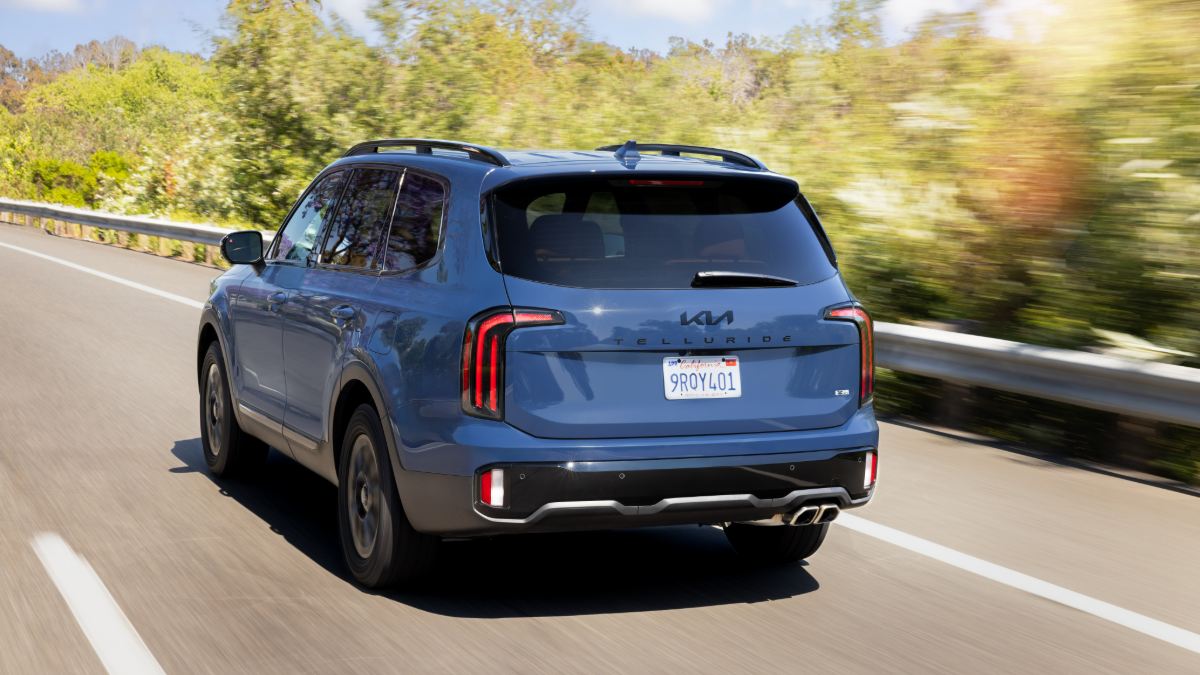
The situation worsened in the weeks that followed. Oil leaks persisted, prompting a return visit in late October, during which the dealer reportedly replaced the oil pan bolt and washer. When the leak continued, the Telluride was brought back again in November. This time, the diagnosis was a failed freeze plug, and the conclusion was stark: the replacement engine itself was defective and needed to be replaced again.
Adding to the frustration, the owner noted an inconsistency in how support was handled. During the November engine replacement, she was provided a loaner vehicle. During the October replacement, she was not. For a single parent on a limited budget, the inconsistency mattered. Transportation was not an inconvenience, she said, but a financial strain.
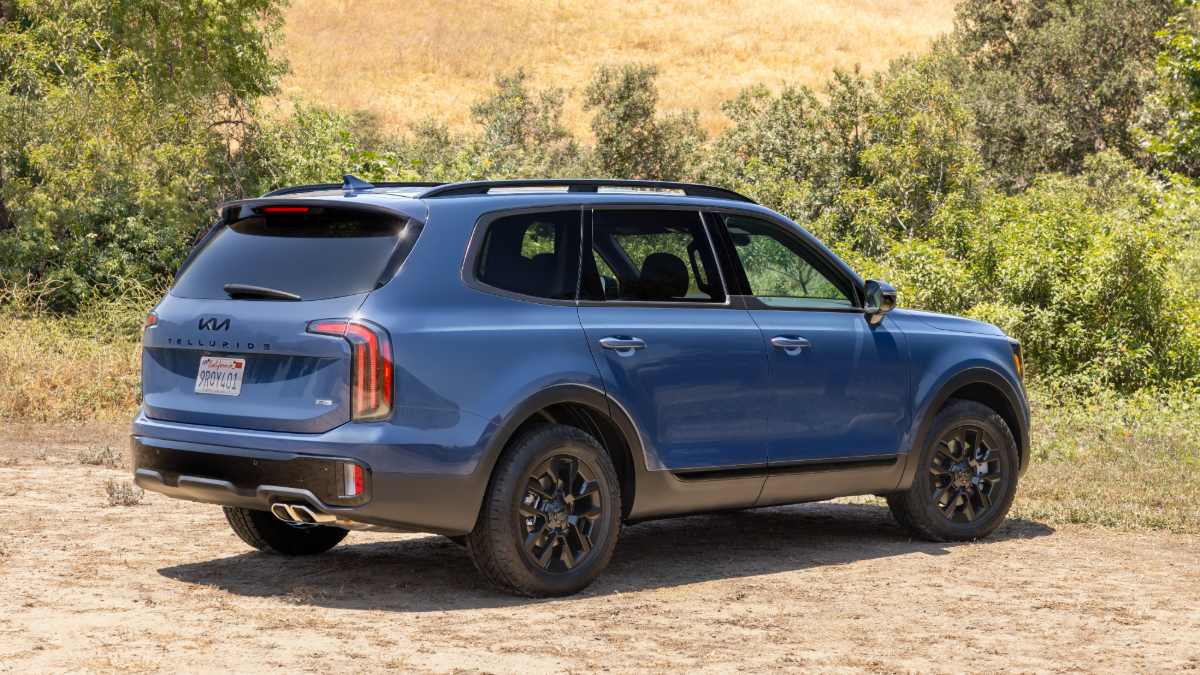
The documentation she later shared paints a detailed picture of the ripple effects. Rental charges, insurance fees, lost time, and repeated service visits accumulated, while reimbursement expectations were complicated by conflicting information between the dealership, Kia Customer Affairs, and third-party insurers. In her correspondence, she emphasized that she had followed guidance as given, only to be penalized when circumstances changed without warning.
When Kia America eventually responded, the resolution was brief and final. The letter acknowledged the inconvenience and offered $138.61 as a “gesture of goodwill,” contingent upon the owner accepting it as full settlement of the claim. The letter also pointed to BBB Auto Line arbitration as the only remaining escalation path. For the owner, the offer was not just insufficient but insulting, given the scope of the ordeal.
By December, she had reached her breaking point. The Telluride was sold. In her words, “Good riddance.” The final message was not written in anger so much as exhaustion. She did not claim that every Telluride is problematic, nor did she deny that warranties technically covered the major repairs. Instead, her criticism centered on process, communication, and what she felt was a lack of accountability when things went wrong repeatedly.
Stories like this resonate because they expose the gap between warranty coverage on paper and ownership experience in reality. An engine replacement may be “covered,” but lost time, rental logistics, and inconsistent support still land squarely on the owner. For many shoppers, the Telluride remains an appealing vehicle. But as this case illustrates, reliability is only part of the equation. How a manufacturer responds when things fail may ultimately matter just as much as the failure itself.
Image Sources: Kia Media Center
Noah Washington is an automotive journalist based in Atlanta, Georgia. He enjoys covering the latest news in the automotive industry and conducting reviews on the latest cars. He has been in the automotive industry since 15 years old and has been featured in prominent automotive news sites. You can reach him on X and LinkedIn for tips and to follow his automotive coverage.
Set Torque News as Preferred Source on Google
Follow us today...





Comments
We are on our second…
Permalink
We are on our second Telluride. The first was plagued with electrical issues. One thing I've noticed over six years is that Kia's customer service sucks! We've used five different dealers and not one has left us with a good experience.
This sounds like an isolated…
Permalink
This sounds like an isolated issue rather than something that reflects most Kia Telluride owners’ experiences. My 2023 Telluride has been completely trouble-free, and if anything does come up, it’s fully covered under warranty, which gives me peace of mind. My dealership also provides loaner vehicles—something I assume is fairly standard—so this really seems like a case of bad luck combined with a poor dealership experience. As for the rental car situation, that part falls on you for not building in some buffer time in case the two-week estimate didn’t pan out.
I also had to get a new…
Permalink
I also had to get a new engine last October for my 2021 Telluride. I purchased it brand new and I was at the 80k mark. I had just gotten an oil change the end of July before the breakdown in October. There was a loud clucking sound so I pulled over and checked the oil, it was bone dry. Was towed to the dealership and was told I needed a new engine. Luckily I was still under warranty and they did give me a loaner car. It took about 2 weeks. So far so good! Hope it continues because I only received 12k warranty or s 12 month warranty (which ever comes first) on the new engine. Which is crazy!