
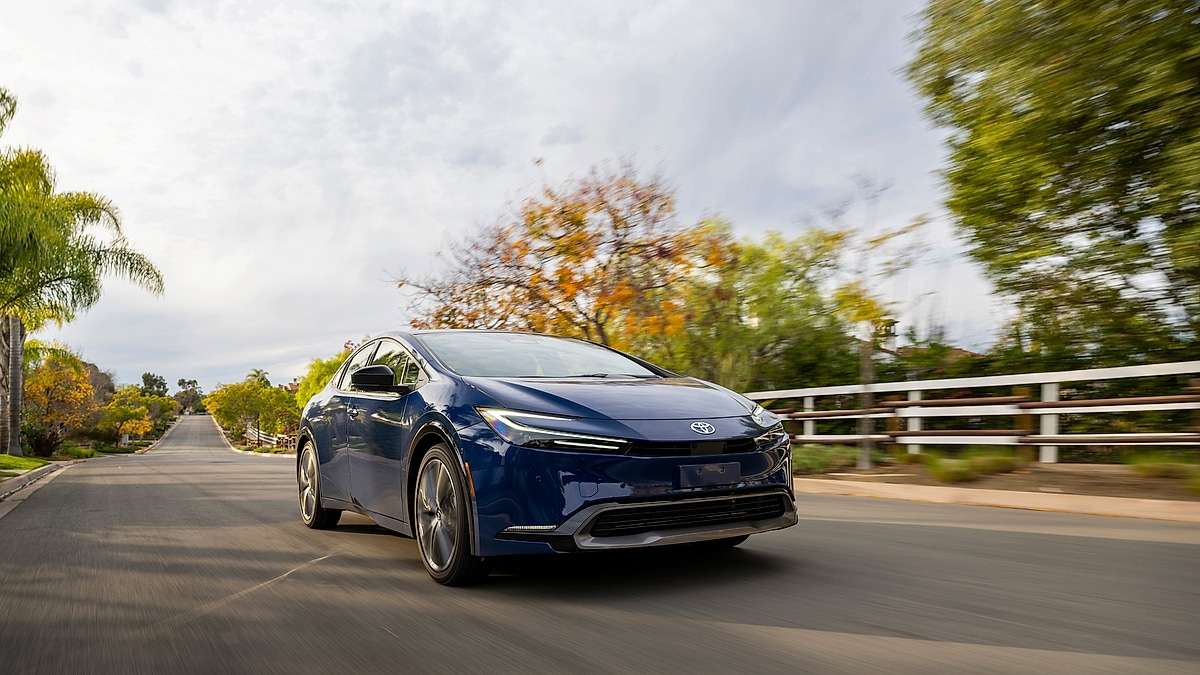

A 2026 Toyota Prius AWD XLE owner, just 1,600 miles into ownership, hit a pothole at 15 mph and watched their tire pressure drop to zero in under ten seconds. The incident immediately exposed a critical vulnerability: the car, like many modern vehicles, came without a spare tire, offering only a block of styrofoam in its place. What followed was an eight-hour ordeal of failed tow attempts and the stark realization that the factory-fitted 195/50/R19 Toyo Extensa II tires are virtually unobtainable. The core problem is the complete lack of a rapid resolution for a common roadside event, not merely a flat tire.
Millions of drivers assume their new car can handle a flat tire with minimal fuss, only to find themselves completely immobilized. Manufacturers, in their pursuit of marginal weight savings and cargo space, have offloaded the burden of roadside recovery onto the consumer and an already strained towing network. When a specific, factory-equipped tire size becomes a bottleneck, the entire system grinds to a halt, turning a minor incident into a multi-day nightmare.
"2026 Prius AWD XLE here. 1600ish miles. Ran over a pot hole at maybe 15mph and went to 0 tire pressure in less than 10 seconds. Bad luck, or set up for failure?!?
The Toyota Fail: As many of you know, these don’t come with a spare. Just some styrofoam where a tire should be.
Nobody stocks the Toyo Extensa II (195/50/R19).
I’ve spent the day calling every Toyota dealer and major tire warehouse in the area. It’s a 2-day wait everywhere. Even the used shops have nothing, not even any other brands in this size. If you have this car, you aren't just stranded; you're sidelined for days.
I hate to complain about AAA, but been a comedy of errors. Their systems have no “skip to the front of the line” mechanism if any of their techs fail.
Driver 1: Nice guy, flatbed truck. Toured me all over the Bronx trying to find a shop. When we struck out, he couldn't take me home because it "required a new dispatch." So he took my car off the flatbed and said hopefully they’ll assign him the job again
Driver 2: official AAA tow truck. Extremely nice guy, looks at the car, and says, You’re going kind of far, you need a flatbed, and said he’d call it in. Vent about how manufacturers are failing their customers by not including spares.
Driver 3: took another hour or so, but finally was assigned someone. Still waiting. Hoping he’ll be here by 10 pm.
Advertising
Toyota, you built a great car, but leaving us with zero recourse for a common pothole is pathetic. To anyone else: buy a spare kit immediately. Don't find out the hard way as I did."
The owner's frustration is palpable and entirely justified. This isn't a problem of driver error or extreme conditions; it's a fundamental design flaw exacerbated by supply chain realities. Owners are left vulnerable to common road hazards, facing days of immobility and logistical headaches, not just a flat tire.
2026 Toyota Prius: No Spare Tire Reality Check
- The 2026 Toyota Prius AWD XLE is equipped with 195/50/R19 Toyo Extensa II tires, a specific low-profile size chosen for efficiency and aesthetics. These tires are reportedly difficult to source, leading to multi-day waits for replacements at dealerships and tire warehouses.
- Like many modern vehicles, the 2026 Prius does not include a spare tire, opting instead for a tire repair kit or simply empty space beneath the cargo floor. This decision saves weight and increases cargo volume but leaves owners without immediate recourse for significant tire damage.
- The owner's incident involved a pothole hit at 15 mph, resulting in a rapid pressure loss and a sidewall split, which cannot be repaired by standard tire sealants. This shows the vulnerability of low-profile tires to common road hazards.
- The lack of a readily available replacement tire, combined with the absence of a spare, transforms a routine flat tire into an extended stranding event, requiring multiple tow dispatches and significant owner inconvenience.
The real issue is that Toyota chose a specific, low-profile 19-inch tire for the XLE trim that is neither robust enough for common road hazards nor widely available as a replacement.
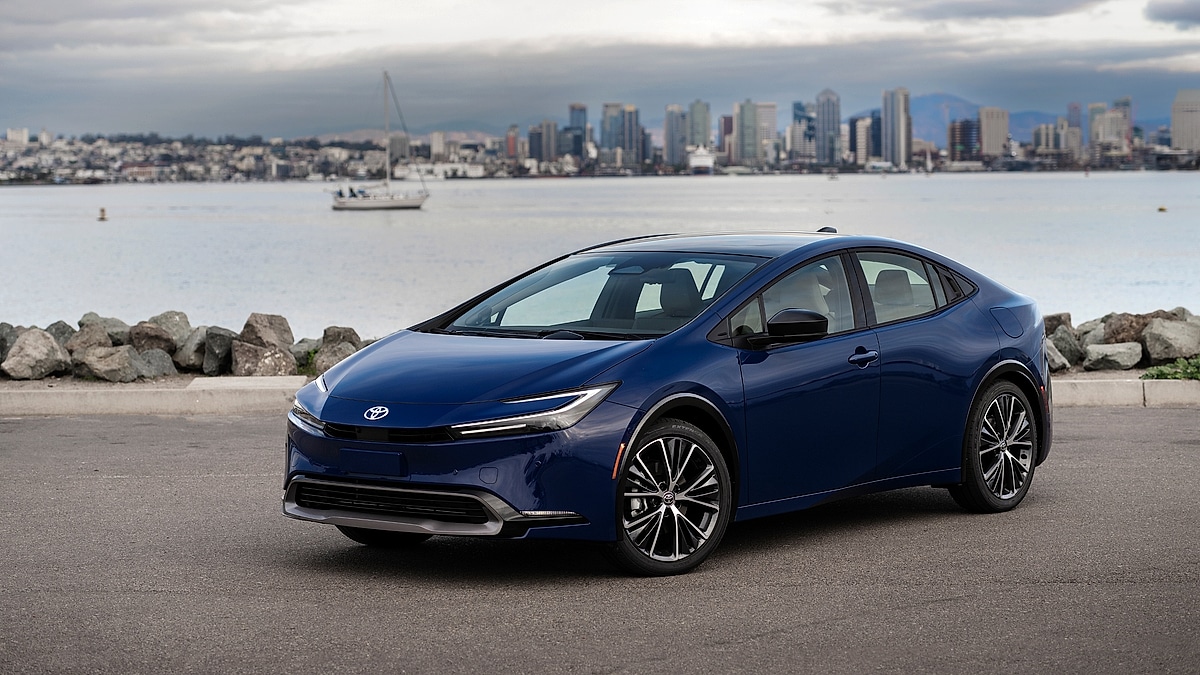
The cascading failures of the AAA response, while frustrating for the owner, are symptoms of a larger problem: the towing infrastructure is not designed to accommodate vehicles that cannot be quickly repaired on the spot. When a simple tire change becomes a multi-day logistical challenge, the entire system buckles. This is a systemic failure in product planning that leaves owners of new vehicles like the Prius at the mercy of an unprepared service infrastructure.
Reddit user u/tubbis9001, perhaps prompted by the original post, commented, "Good reminder to check the condition of my spare. 2016, untouched for nearly 10 years." This shows a different facet of the spare tire dilemma: even when provided, they are often neglected. However, a neglected spare is still better than no spare at all, as it at least offers the option of a temporary fix.
The response from u/Wind_Mediocre, "After ten years, you may want to consider replacing it. That is about the maximum age you want on a tire due to dry rot and deterioration. In general its good to check the tire pressure in your spare every few months, along with the rest of your tires, and top it off. I have seen plenty of spares that are completely flat because folks forget to check on them," offers sound advice for those with a spare. But for the 2026 Prius owner, this wisdom is cold comfort. The absence of a spare shifts the entire responsibility and cost of a flat tire onto the owner in a way that a quick roadside swap never would.
This is where the pattern becomes clear. Another commenter, u/Lichenbruten, described a similar experience: "I had a flat while driving from off the side of the road and back on under 10mph. The paper-thin sidewall split, and no amount of Fix-A-Flat is filling that gape. It took Firestone most of the day to get the tire brought in." This corroborates the original poster’s claim of a "paper thin wall" and reveals the vulnerability of these specific tires to even minor impacts. It also reinforces the supply chain issue; Firestone, a major tire retailer, still needed "most of the day" to source the tire. This isn't a regional problem; it's a national one.
The original poster, u/Snoo54982, responded to this, noting, "Yeah, that’s basically it. Paper-thin wall. I just noticed that there’s an Extensa II-A (to replace the Extensa II?). Also out of stock at tirerack." The existence of a potential "II-A" variant and its immediate unavailability on a major online retailer like Tire Rack only compounds the problem. It suggests either a running change that hasn't filtered down to the supply chain or an even more niche product, leaving owners of the original II in an even worse position. This is not merely an inconvenience; it's a significant operational risk for anyone who relies on their vehicle for daily transportation.
Toyota, like many manufacturers, has made a calculated decision to prioritize fuel economy and cargo volume over basic owner convenience and resilience. The 2026 Prius, while an excellent car in many respects, carries a critical flaw in its tire strategy.
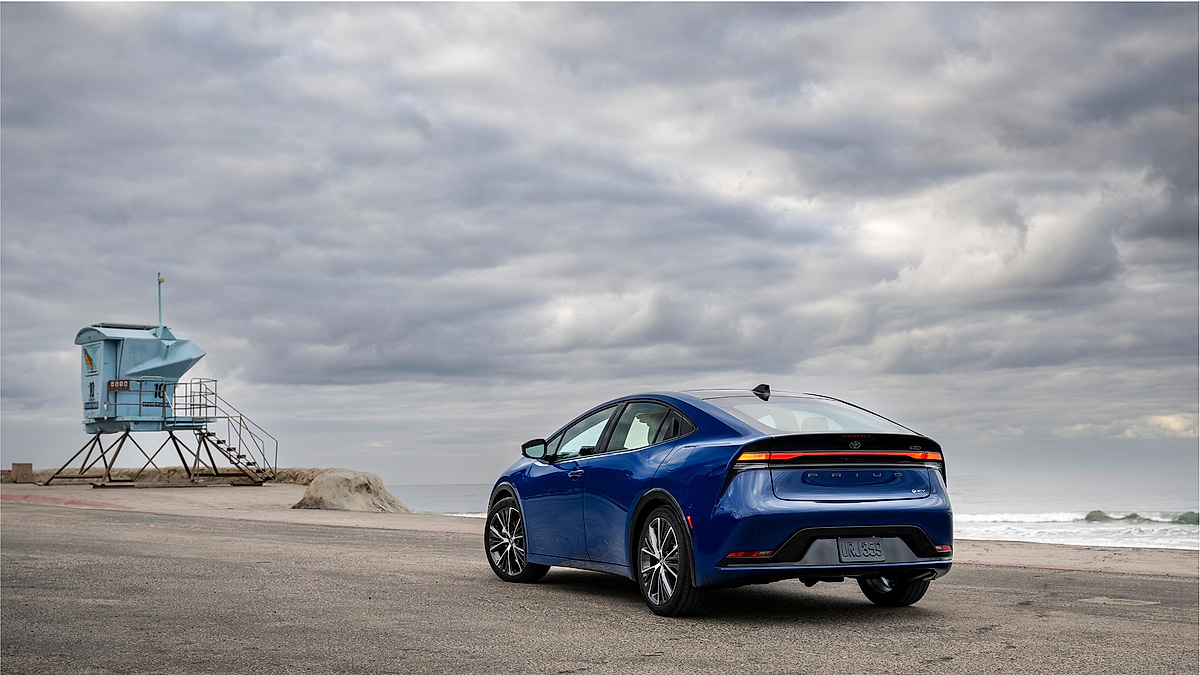
The "styrofoam" where a spare should be is a familiar sight to anyone who has lifted the cargo floor of a modern vehicle, a result of cost-cutting and a misplaced faith in tire sealants that are useless against sidewall damage. It is incumbent upon Toyota to either reintroduce a spare tire option or ensure that the factory-fitted tires are readily available through its dealer network and major retailers. Until then, any owner of a 2026 Prius with 19-inch wheels should consider a full-size spare or a robust tire repair kit an essential, rather than optional, purchase.
Image Sources: Toyota Media Center
About The Author
Noah Washington is an automotive journalist based in Atlanta, Georgia, covering sports cars, luxury vehicles, and performance culture. His reporting focuses on explaining the engineering, design philosophy, and real-world ownership experience behind modern vehicles.
Noah has been immersed in the automotive world since his early teens, attending industry events and following the enthusiast communities that shape how cars are built and driven today. His work blends industry insight with enthusiastic storytelling, helping readers understand not just what a car is, but why it matters.
Noah is also a member of the Southeast Automotive Media Association (SAMA), a professional organization for automotive journalists and industry media in the Southeast.
His coverage regularly explores sports cars, luxury vehicles, and performance-driven segments of the automotive industry, including the evolving culture surrounding Formula Drift and enthusiast builds.
Read more of Noah's work on his author profile page.
You can also follow Noah here:
Set Torque News as Preferred Source on Google
Follow us today...




Comments
Nineteen inch wheels on a…
Permalink
Nineteen inch wheels on a Prius? Seriously? Who does that, right?