
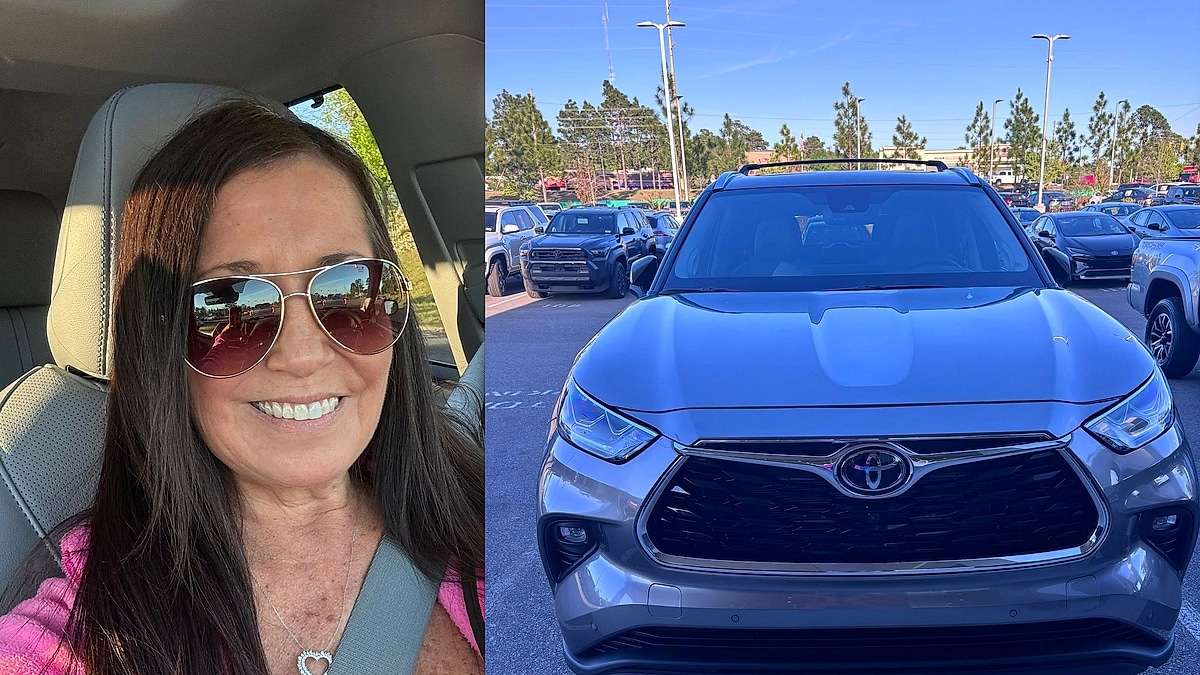

A systemic U.S. dealer-level delivery issue, tracked by Torque News' Denis Flierl, highlights new-vehicle preparation staff bypassing engineered factory mounting designs by using aggressive power tools to drive oversized hex-head sheet-metal screws straight into soft plastic bumper fascias.
A real-world failure case of a newly purchased 2026 Toyota Highlander Hybrid demonstrates that these standard pre-delivery inspection (PDI) practices completely strip factory-molded rear mounting holes, transforming low-torque fastening points into unresolvable warranty disputes.
This structural and aesthetic breakdown stems from a severe lack of technician training during new-car setup. To resolve this immediate, permanent damage, owners must bypass inadequate dealership patches and pursue a multi-tiered engineering recourse to restore the mangled bumper fascia's full structural integrity.
The Shocking Real-World Discovery: Factory Fastening Architecture Destroyed
Brand-new 2026 Toyota Highlander models are suffering permanent bumper damage before delivery because sales and detailing staff use high-torque impact drivers or power drills to force oversized, coarse-threaded sheet metal screws into openings engineered for specific metric machine screws.
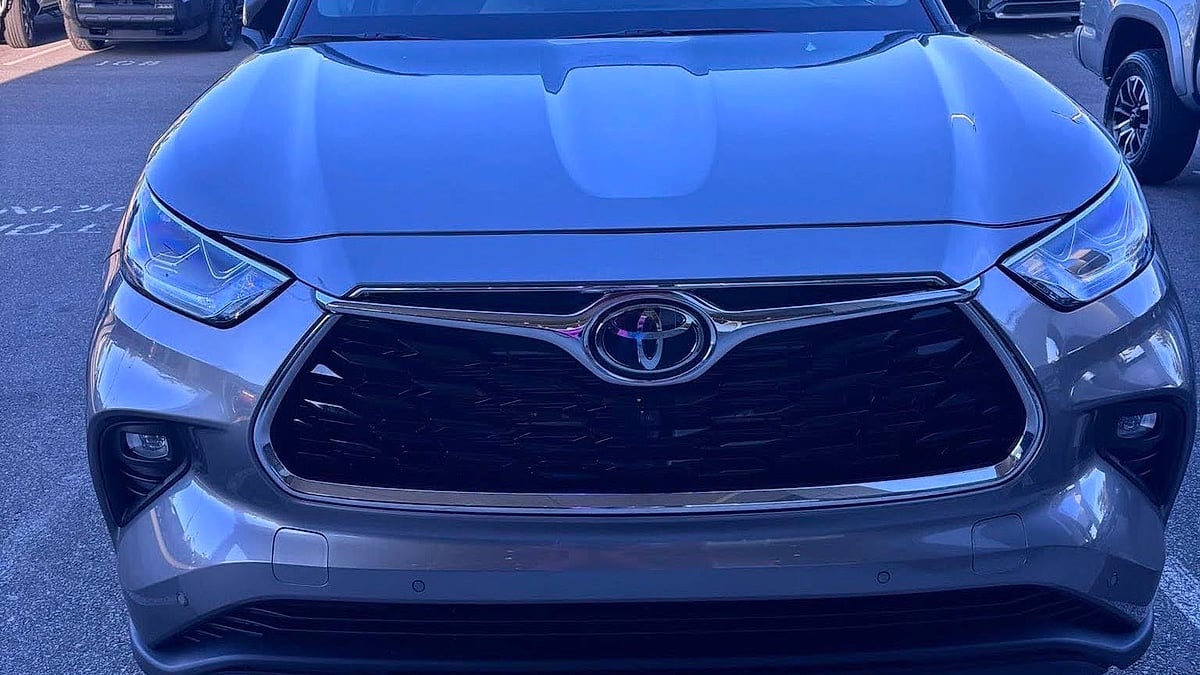
This practice completely disregards factory tightening specifications, instantly stripping the integrated polymer mounting sleeves or threaded brass inserts and deforming the internal backing material into a jagged, non-functional void. This structural failure in the license plate mounting field ruins the bumper’s clean lines and entirely prevents owners from installing standard license plates, custom vanity frames, or protective covers.
In fact, a technical service bulletin insight highlighted by Wrench.com indicates that repairing cross-threaded or stripped fasteners driven into plastic mounts often requires body shops to charge extra labor time because the original factory thread paths are completely obliterated. The damage is permanent, and resolving it requires advanced plastic welding, structural adhesive reconstruction, or complete replacement of the rear bumper fascia.
Resolving this severe pre-delivery damage requires immediate, advanced restoration via plastic welding and structural adhesive reconstruction, or a complete replacement of the rear bumper fascia.
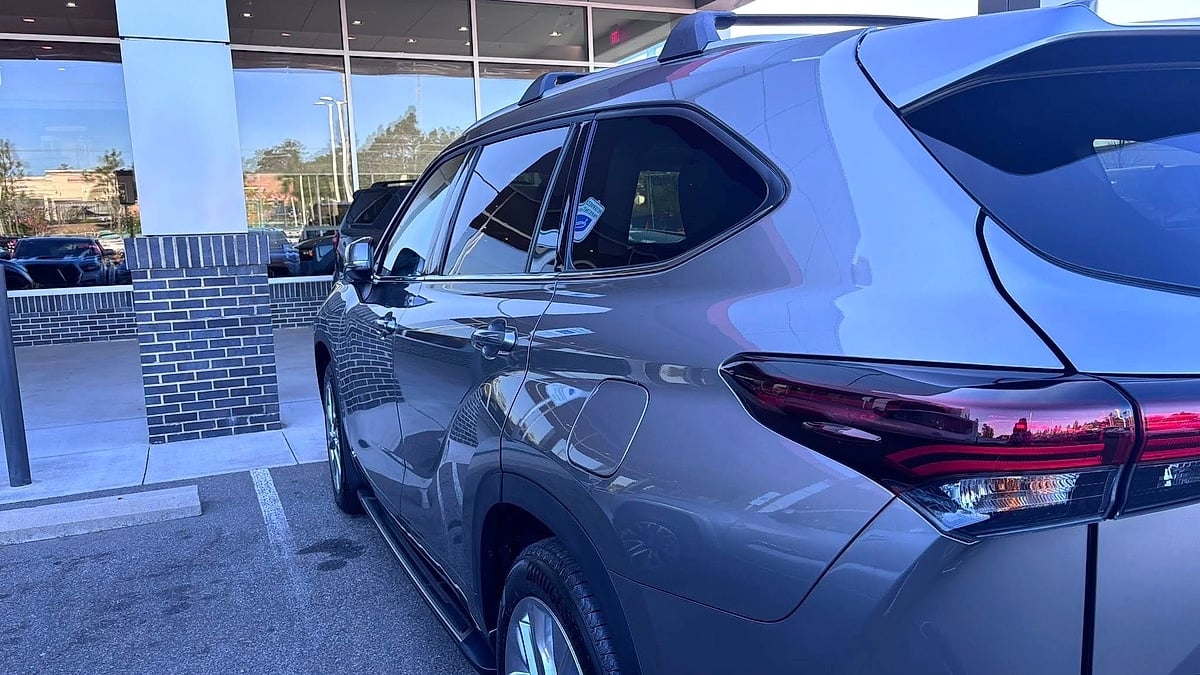
Anatomy of a Dealer-Inflicted Bumper Failure
To fully understand how extensive this problem is, look at the direct, first-hand account from a frustrated new owner. Gina Enright from Charleston, South Carolina, posted her experience on the Toyota Highlander Owners Club Facebook page:
“Here my dilemma I need advice. I bought a 2026 Toyota Highlander Hybrid from Pinehurst Toyota in NC. When the salesman was putting on the dealer plate, he used a drill and really big screws. My husband said they look like sheet metal screws. As the salesman was drilling them, my husband said the holes would be stripped out and that the screws were ugly, large, hexagon-head screws. When I got my SC license plate and a vanity frame, and we went to install it, the new, pretty screws with caps didn’t fit. They just spin. Sure enough, the holes are stripped out. I called the dealer because we live in Charleston, SC, and they told me this is normal and what they did was correct. And the only fix would be tap and dye. What do you think? The first photos are the screws they used; the last photo is what the dealer sent me, saying they used screw #2. But it’s large, ugly, and stripped out my plate holes. What recourse do I have with the Toyota dealer?”
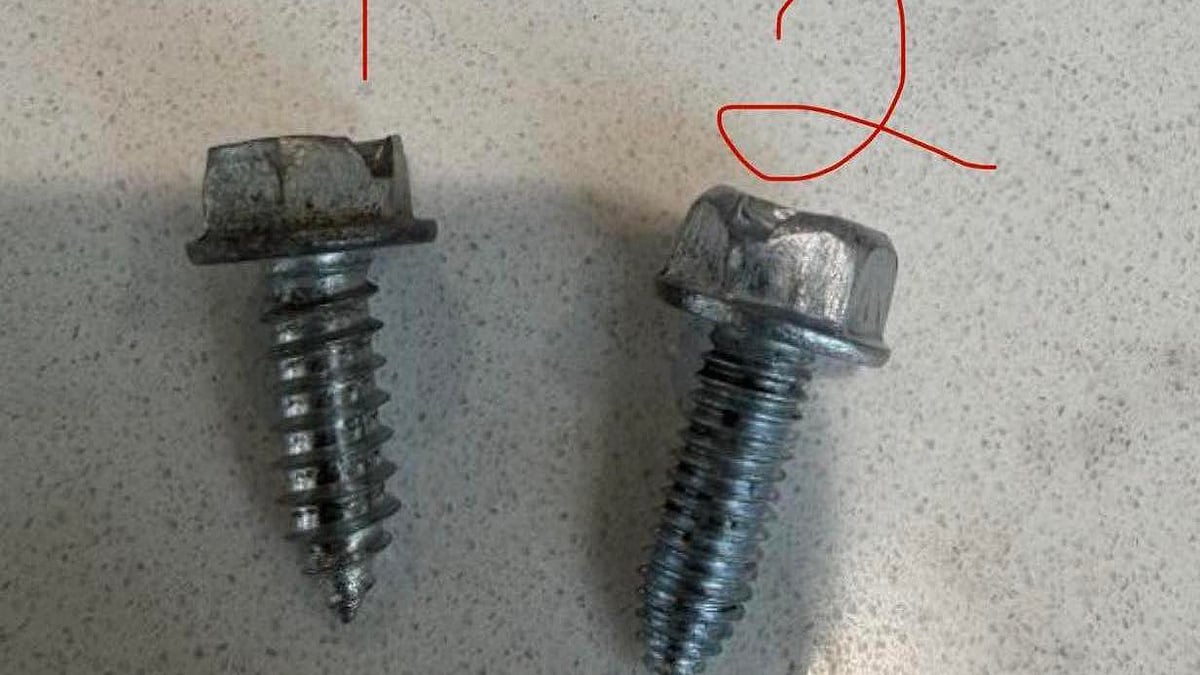
This scenario highlights a common breakdown in dealership quality control. As explored in the comprehensive coverage by Denis Flierl of 2026 Toyota Highlander Dealership Nightmares, simple delivery handoffs can rapidly transform a vehicle owner's dream car experience into an unmitigated structural disaster due to careless PDI errors.
Sales team members, wash bay staff, and detailers are rarely trained in proper mechanical assembly. When attaching temporary paper dealership plates or transitioning a car to permanent metal plates, these employees grab whatever hardware is lying around. They often reach for heavy-duty, self-tapping sheet metal screws intended for industrial construction, driving them home with high-powered tools.
Customer Recourse and Bumper Repair
If you are dealing with a stripped or mangled license plate mounting area, you have three primary repair options, depending on how much leverage you have with the dealership that delivered the vehicle.
Tier 1: The Dealership-Funded Bumper Replacement
Because this damage was caused by the dealership before delivery, the most complete and correct solution is a full replacement of the rear bumper fascia. The dealership should order a new OEM rear bumper cover, paint it to match the vehicle's factory color code, and install it. This ensures the vehicle is restored to its exact factory condition.
Owners should demand this solution because a brand-new vehicle should not require aftermarket patches or structural adhesives to fix a mistake the dealer made during prep.
Tier 2: Threaded Brass Inserts and Structural Epoxy Reinforcement
If a full bumper replacement is unavailable or infeasible, the most effective mechanical repair is to install threaded brass inserts, often called jack nuts or compression nuts, into the damaged plastic.
A technician must carefully drill out the torn, jagged hole to a clean, round diameter that fits a knurled brass insert. The back of the insert is coated with a high-strength, two-part structural plastic epoxy designed for TPO and polypropylene materials.
Once placed into the bumper, the insert is expanded using a specialized setting tool, creating a permanent, metal-threaded collar. This allows the owner to mount their plate with the correct, fine-threaded machine screws, which will never strip the bumper again.
Tier 3: Nylon License Plate Nuts and Retaining Clips
The least invasive repair uses square nylon nuts or push-in license plate clips, a method detailed by mobile mechanic networks like Wrench Mobile Auto Repair. The stripped hole is carefully squared out using a small file to match the shape of a standard square nylon automotive retaining clip.
Once pressed into place, the nylon clip expands behind the bumper skin as the license plate screw is tightened. This provides a secure, rust-proof mounting point that isolates the metal screw from the soft plastic of the bumper fascia.
Field Observations from Owner Communities
This issue extends far beyond a single dealership or geographic area. It is a widespread problem discussed across automotive forums and enthusiast communities. In a recent technical discussion on r/ToyotaHighlander, owners expressed intense frustration with how common this issue is during delivery. One owner shared their experience with a damaged rear liftgate setup:
"I bought a 2021 Highlander, and the license plate screw head snapped off when I tried to get it off. How do I get the rest of the screw out? I can't find a tap small enough to grab it and back it out."
This shows what happens when cross-threaded steel fasteners rust inside the resin liftgate panels or bumper brackets over time, as discussed in the full discussion here on Reddit.
Another owner highlighted the vulnerability of the new design, warning others about how easily the bumper material is damaged by sloppy work, mentioning, "If you proceed with drilling/extracting from the outside, remember this liftgate is resin, some types of damage can't be properly fixed," found in this specific Reddit thread.
My 30 years of experience in the automotive industry as a consultant and technical advisor aligns perfectly with these community complaints. Modern automotive materials require precise handling. Dealership service and sales staff fail to realize that resin liftgates and TPO bumpers cannot handle the rough assembly methods used on old steel-bumpered trucks.
As I noted in my analysis of Highlander Factory Quality Drops and Warranty Pitfalls, these component assembly errors point directly to a broader problem within the dealer network, where factory quality protections are ignored during the final pre-delivery window.
When you drive a self-tapping screw into a composite or resin matrix with a power drill, you cause micro-fractures in the surrounding plastic. Over time, road vibrations, wind resistance on the license plate, and temperature changes expand these tiny cracks, eventually stripping the hole completely or cracking the surrounding housing.
Key Takeaways
- Fastener Mismatch: Dealership prep staff regularly use coarse-threaded, large-diameter hex sheet-metal screws that over-enlarge and strip out delicate factory-molded bumper-mounting holes.
- Over-Torque Execution: Employing high-speed power drills or pneumatic impact drivers on soft thermoplastic bumper materials completely destroys the threads, ignoring factory-specified low-torque requirements.
- Flawed Dealership Recourse: Advising customers to use a tap-and-die set on thin, unreinforced plastic bumper fascias is mechanically impossible because there is insufficient material depth to cut functional threads.
- Defensive PDI Inspection: New vehicle buyers should inspect the license plate mounting area before signing paperwork, ensuring the factory-molded mounting holes remain undamaged.
The Next Question: Does Bumper Damage Compromise Safety Sensors?
Aggressive drilling and over-tightened sheet-metal screws used by untrained dealership staff to mount temporary plates on a 2026 Toyota Highlander Hybrid create a serious safety liability, not just a cosmetic issue. The vehicle’s advanced safety technologies, specifically the Blind Spot Monitor (BSM) and Rear Cross-Traffic Alert (RCTA) radar units mounted behind the rear bumper corners, alongside embedded ultrasonic parking assist sensors, can be easily compromised.
Drilling can puncture internal wiring harnesses or nick sensor housings, while any physical distortion or misalignment of the bumper plastic can cause critical system calibration errors. To prevent this, buyers must remain highly vigilant during delivery and meticulously inspect the entire vehicle before taking ownership. If this damage is discovered, owners should immediately leverage the safety risk to demand a full bumper replacement from the dealership before finalizing delivery.
How About You? Have you checked behind your license plates to see how the dealership mounted them? Tell us what you think and share your delivery experiences by leaving a comment using the red Add new comment link below.
What’s Next
In our upcoming report, we shift focus from exterior dealership installation blunders to a major mechanical and electronic system failure brewing under the hood of Toyota’s flagship family hauler. "According to ongoing Torque News by Denis Flierl tracking of manufacturing defects and pre-delivery inspection errors," a software conflict within the vehicle's computer architecture is stranding drivers without notice. Read our second Highlander report: "The Highlander Blackout: 2026 Hybrid Startup Bugs Leave Owners with Dead Screens and Stalled Engines."
This follow-up piece covers a dramatic investigation into why brand-new hybrid SUVs are completely blacking out their digital instrument clusters at vehicle startup, how the failure disables critical safety systems like the Panoramic View Monitor, and the exact diagnostic codes you must demand your local service department scan to prevent a catastrophic hybrid system lockdown on the highway.
Also check out Denis Flierl's third Highlander investigative report: Toyota Highlander Powertrain Showdown: V6 Reliability vs. Turbo-4 and Hybrid Defects
About The Author
Denis Flierl is a 14-year Senior Reporter at Torque News and a member of the Rocky Mountain Automotive Press (RMAP) with 30+ years of industry experience. Explore his full investigative reporting archives and technical guides at DenisFlierl.com. Based in Parker, Colorado, Denis leverages the Rockies' high-altitude terrain as a rigorous testing ground to provide "boots-on-the-ground" analysis for readers across the Rocky Mountain region, California EV corridors, the Northeast, Texas truck markets, and Midwest agricultural zones. A former professional test driver and consultant for Ford, GM, Ram, Toyota, and Tesla, he delivers data-backed insights on reliability and market shifts. Denis cuts through the noise to provide national audiences with the real-world reporting today’s landscape demands. Connect with Denis: Find him on LinkedIn, X @DenisFlierl, @WorldsCoolestRides, Facebook, and Instagram.
Photo credit: Denis Flierl via Gina Enright
Set Torque News as Preferred Source on Google
Follow us today...





Comments
Must have been a slow news…
Permalink
Must have been a slow news day... love how writer states can quickly evolve into structural damage....
Lmao.... dude, find somthing better to right about... I understand she was probably pissed, and sure I would be as well, but an entire news article to bash the industry? Sinking to new lows.
Apparently he likes bashing…
Permalink
Apparently he likes bashing toyota as well. I guess he was done dirty once upon a time
Article mentions damage from…
Permalink
Article mentions damage from rear plate attachment, but shows a front view and side view of a vehicle...and NO example of actual damage. 😔