
The New Toyota Reality
Transparency is the only currency that matters in automotive journalism. This report investigates a growing schism between Toyota’s legendary brand promise and the ground-level reality of ownership for 2025 and 2026 model-year vehicles.
Through the lens of a veteran owner’s experience and my 30 years in the trenches, we uncover why factory quality is slipping, how the national labor crisis has dismantled traditional safeguards, and why the "smart money" is now moving toward independent, non-factory extended warranties to protect against a rising tide of mechanical failures.
From My View: A Legend Under Siege
I have spent three decades covering the automotive industry, and I’ve seen the "bulletproof" Toyota reputation weather many storms. However, what I am seeing today is different. Automotive news is being dominated by a startling admission from within the industry: the standards that made Toyota a household name are being stretched to the breaking point.
As I noted in my recent report on how a 2025 Tundra owner found metal in his rear differential 1,800 miles in, these issues frequently lead to full differential replacements, sometimes multiple times, indicating a persistent manufacturing or design defect that Toyota is still chasing. This isn't just a truck problem; it is a systemic shift.
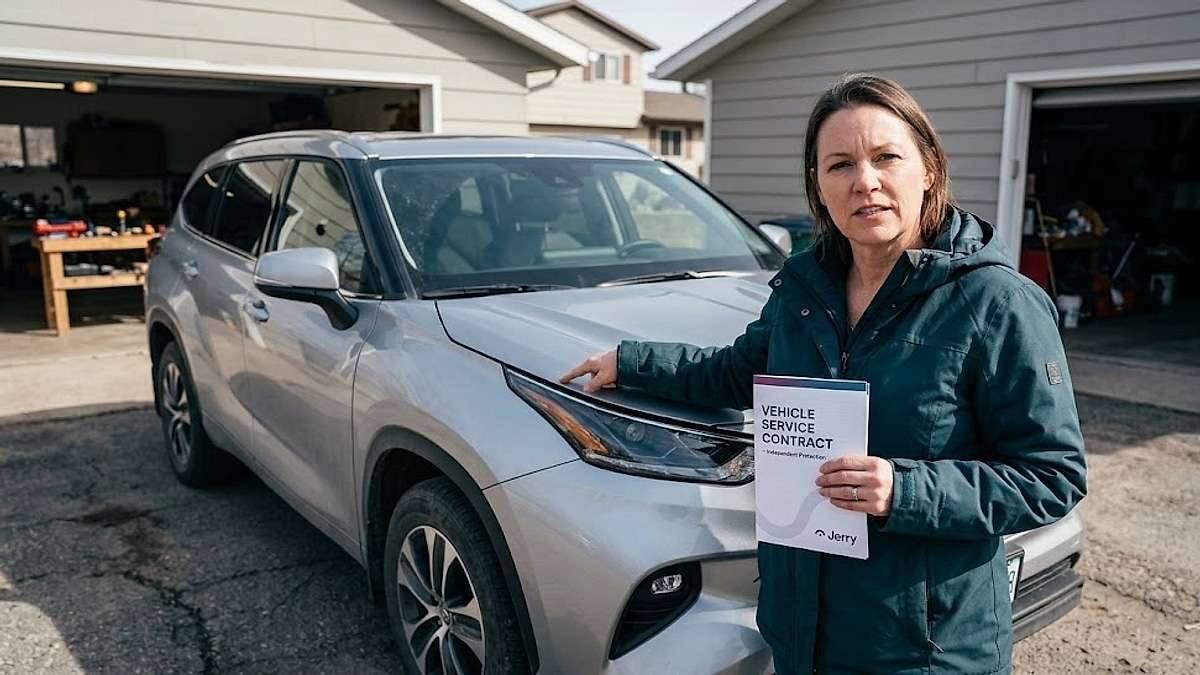
One 2025 Toyota Highlander owner, Andi Mae from Lewistown, Montana, recently took to the Toyota Highlander Owners Club Facebook page to sound an alarm that every modern car buyer needs to hear. She writes:
“Every day, there is talk about the declining quality of Toyota. Sadly, we are not going to find anything better. EVERYTHING and EVERY industry is garbage now, due mostly to our labor crisis and inflation. There is no one to do the work, so anyone, regardless of qualifications, is hired. Safeguards and systems have been dismantled by the current administration, and the cheapest materials and products are being used due to greed/inflation. Your best bet with a Toyota is buy the extended warranty (NOT from Toyota, I bought mine from a guy named Jerry) fix what needs fixing while under warranty and take good care of it. Toyota isn't as great as it used to be, but it still beats any Dodge, Ford, or Chevy.”
My Take: Who, How, and Why?
We have to look past the anecdotal evidence and answer the three main questions: Who is at risk, How is this happening, and Why is a non-factory warranty the solution?
Who is affected?
The primary demographic at risk consists of owners of 2024 to 2026 models, such as the Highlander, Tundra, and Tacoma. These vehicles were manufactured during a period where, as reported by Automotive News, Toyota’s leadership recently addressed a conference of 700 executives, warning that “Unless things change, we will not survive,” specifically citing a "crisis" in vehicle quality and supply chain bottlenecks.
How is the quality dropping?
It isn't just one part; it is the "relaxation" of standards. Industry experts at Le Guide de l'auto have substantiated that Toyota is now moving toward 'Smart Standard Activity', which involves modifying engineering standards to prioritize a component's function over its appearance, effectively allowing parts with cosmetic flaws or less stringent tolerances to reach the assembly line.
This video from a veteran Toyota mechanic is highly relevant because it provides a visual teardown of the silent wear patterns and software faults occurring in 2025 and 2026 models, confirming that the current quality dip is a documented technical reality rather than just anecdotal owner frustration.
VIDEO: https://www.youtube.com/watch?v=wK7B89BHv3Q
Why choose a non-factory warranty?
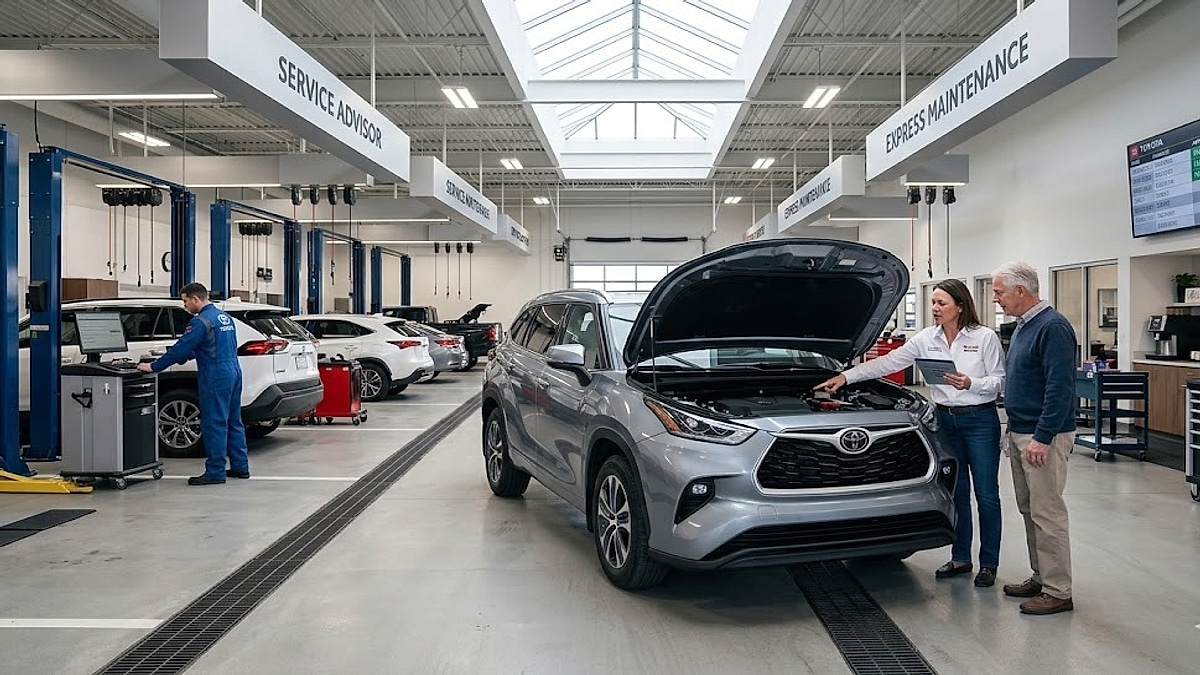
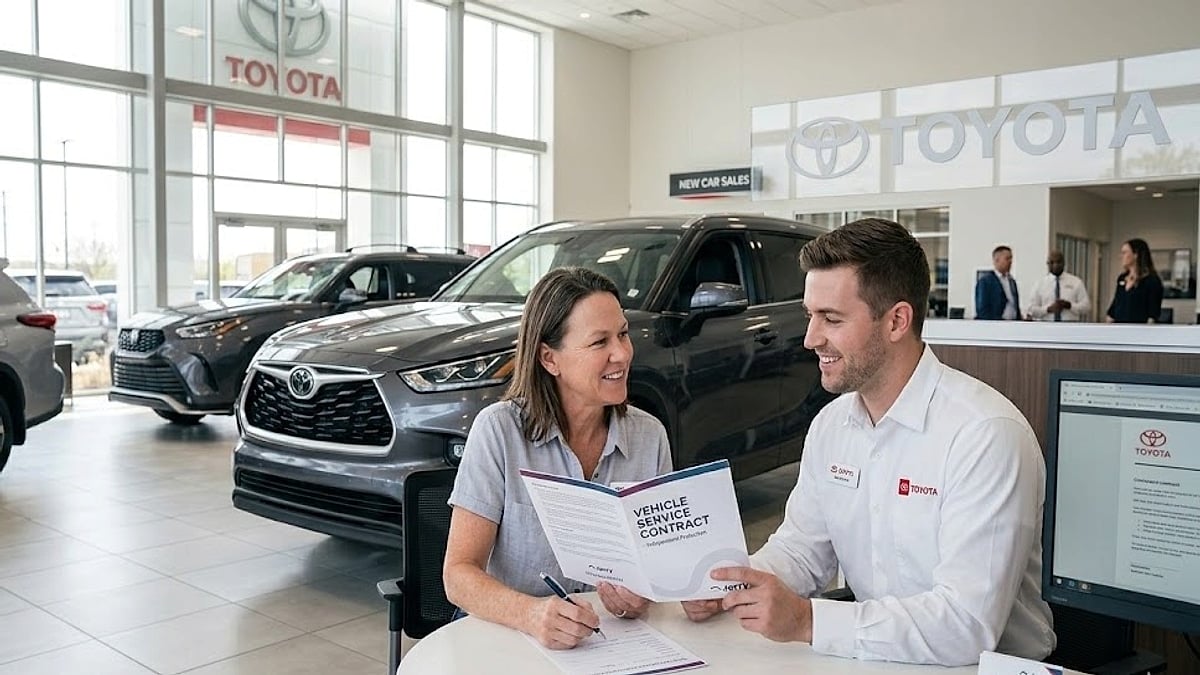
In my investigations, I’ve found that Toyota’s factory-backed extended warranties often involve strict dealer-only "replicate the issue" protocols that leave owners in limbo. In fact, a Highlander owner charged $190 for a 45-minute "ghost" transmission diagnosis proves that dealers are failing to replicate UA80 shifting issues, leaving owners with the bill and no fix. By contrast, independent brokers like the "Jerry" mentioned by Andi Mae often offer more flexible coverage, allowing owners to use independent master technicians who are more willing to diagnose the root cause than dealership techs, who are restricted by corporate warranty flat-rate times.
What You Need To Know
Here is my technical breakdown of the 2026 Highlander landscape.
- The Labor Crisis Impact: High turnover at manufacturing plants means "tribal knowledge" in assembly is being lost. Automated systems are picking up the slack, but they cannot replace the "eye" of a veteran quality control inspector.
- The UA80 Transmission Hesitation: If your 2025 or 2026 Highlander jerks between 1st and 3rd gear, don't let the dealer tell you it's "normal." This is often a software-hardware mismatch that requires a TSB (Technical Service Bulletin) update.
- Independent Protection Power: Brokers like "Jerry" often provide "exclusionary" policies. These are superior because they cover everything except a short list of items, whereas factory "powertrain" warranties are often too narrow.
- The Comparative Edge: Even with these flaws, Toyota remains the "least-bad" option. Compared with 10-year reliability projections, the Highlander still has a 15% higher projected resale value than its domestic competitors.
Field Observations from Owner Communities
You don't have to take my word for it. The digital "town squares" are buzzing with these same concerns.
In a recent technical discussion on r/ToyotaHighlander, one owner shared a harrowing experience regarding their 2025 model, stating, "I was driving 70mph one second and 45mph the next, which is INCREDIBLY unsafe," after sensors flashed all over the dashboard during an interstate trip, which you can read in the full Reddit discussion here.
Another owner on the same thread highlighted the struggle with the manufacturer's refusal to acknowledge defects, mentioning, "Toyota refused to even acknowledge the case. Told me the vehicle was performing as manufactured and everything was perfect," despite the vehicle being in the shop eight times for system failures, found in this Reddit thread on 4th-gen reliability concerns.
Key Takeaways for My Readers
- Trust but Verify: Don't assume the "Toyota" badge means 300,000 miles of trouble-free driving anymore.
- Document Everything: If you feel a shudder or hear a "howl," record it on your phone. Dealers need visual/audio proof to bypass their "cannot replicate" scripts.
- Buy the Warranty Early: Price out a 3rd-party extended warranty while your car is still under the 3-year/36,000-mile factory window. It’s significantly cheaper.
- Stay with the Brand: Despite the dip, Andi Mae is right. A "garbage" Toyota is still often better than a "garbage" alternative from brands with historically lower quality floors.
Next Question: What about the 2027 Electric Switch?
The next logical question you will likely ask is: "If Toyota quality is slipping now, should I wait for the 2027 all-electric Highlander?" My advice? No. The 2027 switch to an all-electric powertrain represents the biggest "First Generation" risk in Toyota's history. Historically, the first two years of any major redesign or powertrain shift are the most prone to recalls. If you need a reliable family hauler, your best bet is to buy a 2025 or 2026 model, secure that 3rd-party warranty, and let the early adopters find the bugs in the 2027 EV models.
The "Set It and Forget It" Days Are Over
We are living through a transitional era in the automotive world. Between the labor crisis and the aggressive shift toward electrification, the "set it and forget it" days of Toyota ownership are over. However, by being a proactive owner, securing independent warranty protection, and staying informed through community feedback, you can still come out on top. I’ve seen this brand bounce back before, but for now, the responsibility of "quality control" has shifted from the factory floor to your driveway.
Tell Us What You Think! Are you noticing a drop in your new Toyota’s build quality, or do you think the "labor crisis" excuse is just a cover for corporate greed? Leave a comment in the red Add new comment link below.
About The Author
Denis Flierl is a 14-year Senior Reporter at Torque News and a member of the Rocky Mountain Automotive Press (RMAP) with 30+ years of industry experience. Based in Parker, Colorado, Denis leverages the Rockies' high-altitude terrain as a rigorous testing ground to provide "boots-on-the-ground" analysis for readers across the Rocky Mountain region, California EV corridors, the Northeast, Texas truck markets, and Midwest agricultural zones. A former professional test driver and consultant for Ford, GM, Ram, Toyota, and Tesla, he delivers data-backed insights on reliability and market shifts. Denis cuts through the noise to provide national audiences with the real-world reporting today’s landscape demands. Connect with Denis: Find him on LinkedIn, X @DenisFlierl, @WorldsCoolestRides, Facebook, and Instagram.
Photo credit: Denis Flierl
Set Torque News as Preferred Source on Google
Follow us today...