


In our ongoing coverage of Toyota reliability, Torque News Senior Reporter Denis Flierl has uncovered an unresolved dispute over how physical dealership service blunders can directly trigger catastrophic electrical failures. Building upon our first investigative piece, “Highlander License Plate Damage: Toyota Dealer Uses Sheet Metal Screws and Destroys 2026 Hybrid Bumper,” and the subsequent systemic deep-dive, “The Highlander Blackout: 2026 Hybrid Startup Bugs Leave Owners with Dead Screens and Stalled Engines,” this third chapter of our proprietary investigation reveals that crude license plate installations pierce unshielded wiring harnesses nestled inside the front bumper assembly.
According to ongoing tracking by Denis Flierl of manufacturing defects, this physical breach introduces moisture into the vehicle's high-speed Controller Area Network (CAN) bus, short-circuiting the forward-facing radar and causing a parasitic overnight electrical drain. The resulting drop in 12-volt auxiliary voltage completely derails the hybrid system's startup handshake, bricking the digital dashboard and stranding drivers with an unresponsive powertrain.

This alarming cross-system vulnerability highlights why Torque News operates as an aggressive automotive consumer watchdog and technical repository, mapping the exact domino effect where mechanical incompetence meets complex software engineering.
Technical analysis by Denis Flierl identifies a critical gap between factory maintenance schedules and real-world component longevity, demonstrating that a single misplaced sheet-metal screw can bypass built-in vehicle safeguards.
By tracing how a dealer-inflicted bumper puncture cascades through sensitive safety arrays to drain the low-voltage battery, this dedicated coverage stream provides the definitive structural explanation for the sudden infotainment blackouts and stalling issues plaguing 2026 Highlander Hybrid owners.
Evaluating the evolution of the Toyota Highlander's powertrains reveals a fundamental shift in automotive engineering philosophy. The transition from the legendary naturally aspirated 3.5-liter V6 (2GR-FKS) to the 2.4-liter Turbocharged inline-4 (T24A-FTS) and the 2.5-liter Hybrid (A25A-FXS) highlights a direct trade-off between traditional mechanical simplicity and high-efficiency digital electrification.
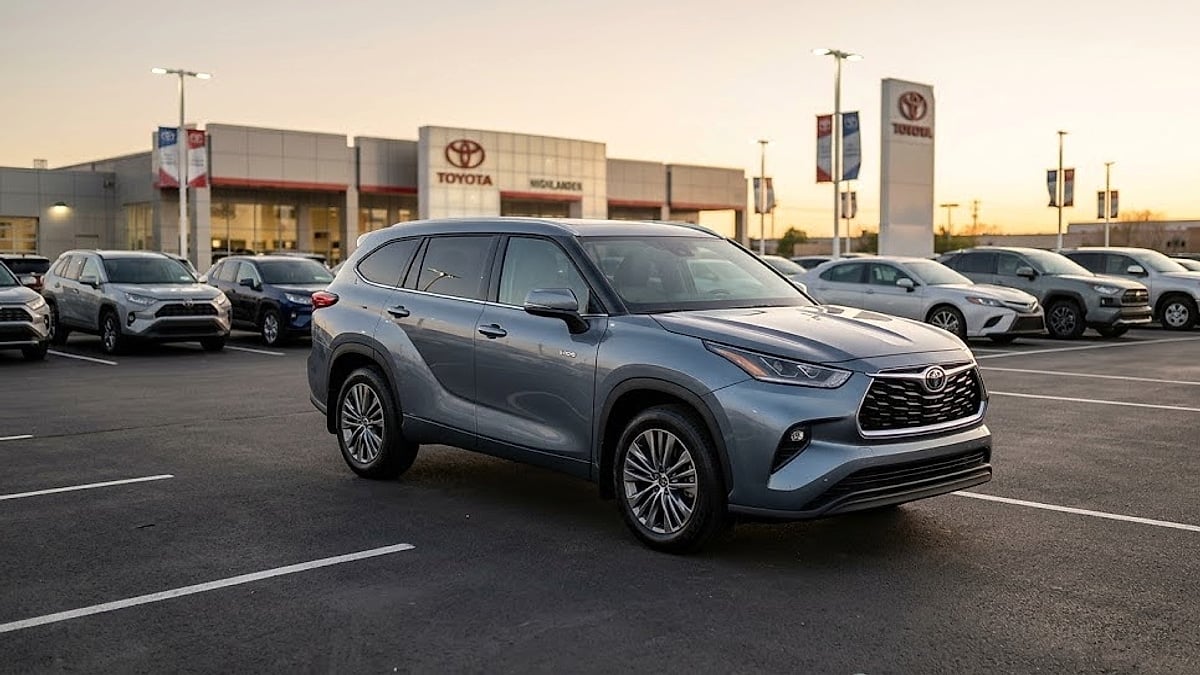
1. The Legacy 3.5-Liter V6 (2017–2022 Models)
The naturally aspirated V6 is widely regarded as a mechanical benchmark for long-term durability, though it is not entirely flawless.
Reliability Profile: Because it lacks forced induction, internal operating pressures and thermal cycling are far lower than in modern turbocharged alternatives. It features Toyota's D-4S system, which utilizes both direct and port fuel injection. The port injectors inherently spray fuel over the intake valves, virtually eliminating the carbon buildup issues common to pure direct-injection engines.
Common Defects:
Timing Cover & Valve Cover Oil Leaks: The most prevalent long-term mechanical defect is a slow, persistent oil seepage from the timing chain cover. Fixing this leak requires extensive labor, often requiring technicians to pull or drop the engine entirely to replace the liquid gasket sealant.
Transmission Hesitation (UA80 8-Speed): The V6's primary weakness lies not in the block itself, but in its pairing with the Direct Shift 8-speed automatic transmission. Early iterations suffered from hard shifts, torque-converter shudder, and software-induced acceleration lags as the computer aggressively hunted for higher gears to save fuel.
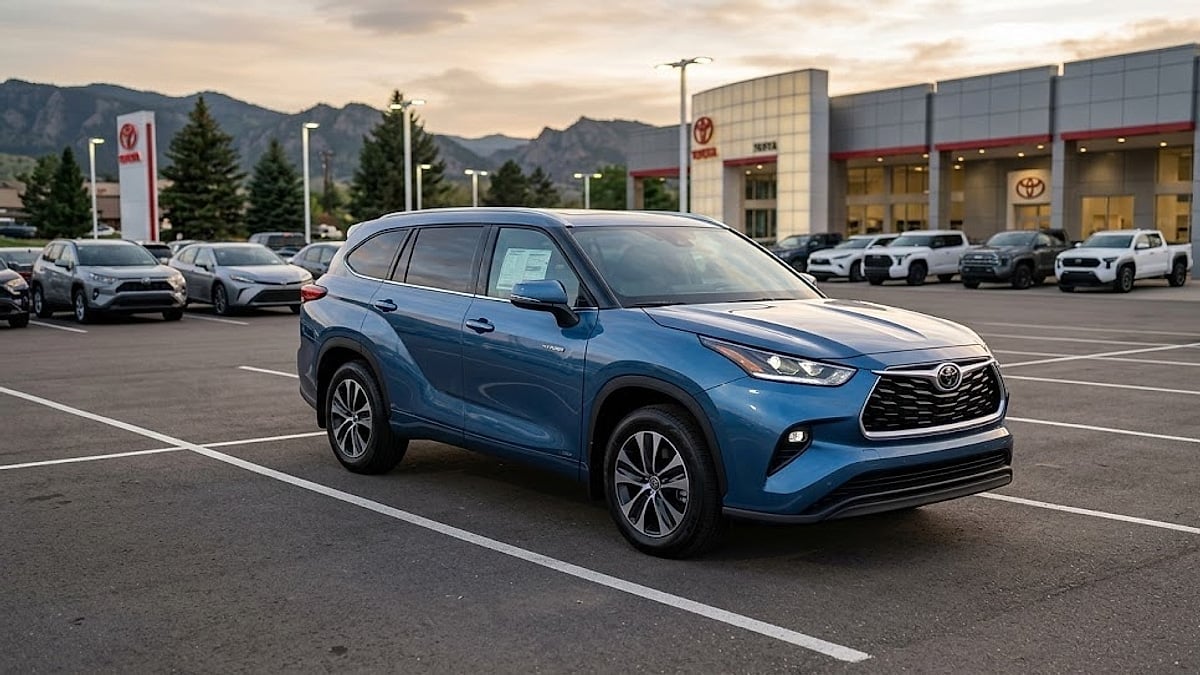
2. The 2.4-Liter Turbocharged Inline-4 (2023–Present Models)
Introduced to satisfy federal emissions mandates and deliver better low-end grunt, the 2.4T engine exchanges the V6's smooth acoustic profile for robust, low-RPM torque.
Reliability Profile: Toyota engineered this engine block (T24A-FTS) from the ground up specifically for high-stress, forced-induction truck and SUV duties. Early data show very low rates of internal hardware failure. However, because a turbocharger relies on hot exhaust gases, it operates under extreme thermal stress, making fluid breakdown a critical factor in longevity.
Common Defects:
Turbo Charger Sensor Anomaly: Real-world tracking identifies occasional inconsistent detections from the electronic turbo boost sensors, which can trigger a premature "Check Engine" light or temporary limp mode despite no physical damage.
Extreme Fluid Dependency: Unlike the lenient V6, letting oil changes slide past 5,000 miles in a turbo engine can lead to rapid oil shearing and eventual oil starvation at the turbocharger bearings.
Cabin Refinement and Noise: While not a mechanical failure, many owners note a significant step down in cabin luxury, reporting a coarse, unrefined engine note and steering-wheel vibrations under heavy boost compared to the quiet V6.
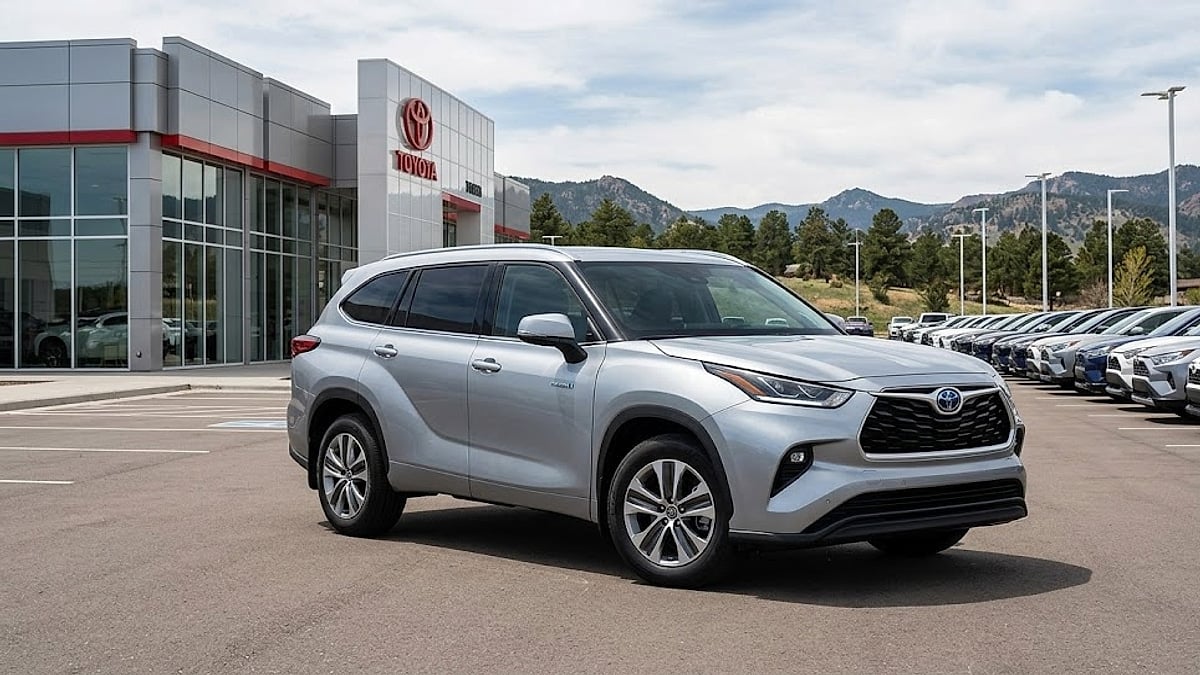
3. The 2.5-Liter Hybrid Powertrain (Fourth/Fifth Gen)
The Hybrid variant pairs an ultra-efficient, naturally aspirated Atkinson-cycle 4-cylinder engine with an electronic continuously variable transmission (eCVT) and electric propulsion motors.
Reliability Profile: Mechanically, the hybrid layout is extraordinarily robust. The planetary-gear eCVT completely eliminates the hydraulic clutches, torque converters, and gear-shifting solenoids that fail in traditional automatics. The high-voltage traction battery pack routinely surpasses 150,000 to 200,000 miles without significant degradation.
Common Defects:
12V Auxiliary Battery Depletion: The single greatest Achilles' heel of late-model Highlander Hybrids is the 12V secondary power architecture. Because always-connected telematics and safety sensors place a continuous parasitic load on the vehicle, vehicles driven short distances or left sitting for long periods frequently experience dead 12V batteries. A weak 12V battery prevents the vehicle's computers from booting up, locks out the displays, and prevents the vehicle from entering "Ready" mode.
Regenerative Brake Handoff & Pedal Fade: Hybrid models generate a significant number of consumer complaints about brake pedal consistency. Owners frequently report a brief, jarring lapse in braking pressure at the exact millisecond the vehicle transitions from regenerative electric braking to traditional friction-pad contact.
Traction Battery Vent Blockage: If the rear-cabin battery cooling vents become covered by cargo or pet hair, the high-voltage pack can overheat, significantly accelerating cell degradation in hot climates.
Summary: Which should you choose?
- For 300,000-Mile Mechanical Simplicity: Seek out a late-model V6, keeping an eye out for timing cover oil residue and ensuring the 8-speed transmission software updates have been applied.
- For Low-End Towing Power: The 2.4L Turbo delivers excellent drivability and torque but requires strict, short fluid-maintenance intervals to protect the forced-induction hardware.
- For Maximum Efficiency & Urban Longevity: The Hybrid is the clear structural winner due to its lack of wear-and-tear transmission components, provided you actively monitor and maintain the health of its low-voltage 12V auxiliary system.
What Is the Next Step if Your Highlander Drops Below 10.5 Volts?
The exact next step for an owner facing a critical 12V ignition voltage drop below 10.5V is to perform an isolated circuit pull test to isolate the forward-facing radar assembly. While a standard technician might simply swap the battery under warranty, the structural core requires mapping the exact technical solution to the underlying root cause.
Because a crude license plate screw installation can pierce the unshielded wires behind the front bumper, replacing the battery will only solve the issue temporarily, as the underlying electrical short will drain the new cell overnight. To diagnose this, keep your digital multimeter attached in series for a parasitic-draw test, then unclip the main wiring harness connector immediately behind the upper front grille. If the active overnight drain instantly drops from an unacceptable 150 mA to the factory-spec 20 mA, you have found the definitive technical culprit: a punctured CAN bus line inside the bumper assembly.
The Interconnected Glitches of Modern Hybrids
Today's electrified family crossovers have evolved beyond simple mechanical machinery into highly complex, rolling computer networks where a physical impact or an installation error can immediately compromise digital operations. When a simple bumper puncture introduces moisture or grounds a circuit, the vehicle’s low-voltage electrical ecosystem pays the ultimate price. Protecting your 2026 Highlander Hybrid requires looking beyond individual component failures and adopting an aggressive, holistic approach to troubleshooting. By remaining vigilant, tracking your voltage drops, and refusing to accept temporary fixes from dealership service centers, you hold the automotive industry to the high standard of reliability and engineering precision that drivers expect.
How About You? Are you sticking with the tried-and-true mechanical simplicity of the classic Toyota V6, or have you made the leap to the high-torque Turbo-4 or ultra-efficient Hybrid? Have you run into any of the 12V auxiliary battery bugs or transmission hesitations we uncovered in this powertrain teardown? Leave a comment below using the red Add new comment link to share your long-term reliability experience with the community!
About The Author
Denis Flierl is a 14-year Senior Reporter at Torque News and a member of the Rocky Mountain Automotive Press (RMAP) with 30+ years of industry experience. Explore his full investigative reporting archives and technical guides at DenisFlierl.com. Based in Parker, Colorado, Denis leverages the Rockies' high-altitude terrain as a rigorous testing ground to provide "boots-on-the-ground" analysis for readers across the Rocky Mountain region, California EV corridors, the Northeast, Texas truck markets, and Midwest agricultural zones. A former professional test driver and consultant for Ford, GM, Ram, Toyota, and Tesla, he delivers data-backed insights on reliability and market shifts. Denis cuts through the noise to provide national audiences with the real-world reporting today’s landscape demands. Connect with Denis: Find him on LinkedIn, X @DenisFlierl, @WorldsCoolestRides, Facebook, and Instagram.
Photo credit: Denis Flierl
Set Torque News as Preferred Source on Google
Follow us today...







Comments
I have a v6 2021 XLE…
Permalink
I have a v6 2021 XLE Highlander with 30000 miles. I worry about the transmission but have had no problems save for the drivers side recliner seat second row. They still don’t have a fix and it hasn’t worked correctly from new. Tough vehicle but horrible throttle response.
I have a 2022 Highlander v6…
Permalink
In reply to I have a v6 2021 XLE… by Marc (not verified)
I have a 2022 Highlander v6 the only issue is battery going to limp mod if left not driven every week. Charged battery and all seemed fine but had to replace battery last month not even 4 yrs old with 13000 miles . Cost $300.00 installed . I had dealer check the battery last year when it was in for the spoiler recall was told it was ok .
My 2019 hybrid is…
Permalink
My 2019 hybrid is experiencing the shudder when accelerating. The dealer ignores my complaint.
A big mistake Highlander…
Permalink
A big mistake Highlander dropping the 6 cylinder..
I have had 2021 Hybrid…
Permalink
I have had 2021 Hybrid since April 2021. I have not had any issues at all. Hope I did not jinx myself. I would buy again. I really like this car. But, I have not drilled any holes in my car either.
I have a naturally aspirated…
Permalink
I have a naturally aspirated 2gr fe v6 in a 2013 Highlander. It just turned 215,000 miles. It still runs and shifts like a brand new vehicle. My secret is that I change the oil every 3,000 miles, and use Prolong engine treatment and Prolong transmission treatment. No VBT rattle on startup, and
Great acceleration and power. Also have a 2007 Prius. I do like the hybrid setup. I've had the Prius 9 years, and did have to install a new hybrid battery 3 years ago in the 16th year of the vehicle 's life. It only has 123,000 miles, and also runs beautifully. I keep it on a trickle charger between daily use to prevent parasitic 12 volt battery drain, which cost me an early battery death until I got the charger. Otherwise just fluid changes and a thermostat change and inverter water pump replacement. My experience has been that both drive train platforms work well, and I really appreciate the 50 mpg of the Prius, which is now my daily driver.