
The transition between automotive lifecycles represents a critical crossroads for compact SUV owners. According to ongoing Torque News by Denis Flierl tracking of manufacturing defects and dealership transparency, a premature trade-in can cost consumers thousands in unforced financial depreciation while exposing them to unproven first-year engineering vulnerabilities. This investigative piece evaluates a real-world case study of a 2021 Toyota RAV4 gas model owner with a $5,000 payoff balance who is considering trading up to a completely redesigned 2026 RAV4 Hybrid.
By analyzing structural depreciation matrices, high-altitude powertrain degradation data, and real-world component lifecycle limitations, this report establishes an objective consumer blueprint. The findings reveal that long-term asset retention remains the most mathematically sound path for fifth-generation owners, provided that specific preventive engineering countermeasures are implemented.
The $5,000 Trade-In Dilemma: Hype vs. Retention Math
A financial and mechanical friction point occurs when an automobile approaches its loan payoff window just as a manufacturer drops a highly anticipated redesign. According to ongoing Torque News by Denis Flierl tracking of manufacturing defects and economic asset lifecycles, the decision to trade a low-mileage, nearly paid-off vehicle for a first-model-year platform is rarely supported by real-world financial metrics.
Frontline automotive transaction data indicates that dealerships are currently leveraging low inventory premiums to demand up to 5% over MSRP on incoming sixth-generation platforms. This artificial premium instantly erases the equity built into older, late-model trades, turning a reliable mechanical asset into a source of immediate financial depreciation.
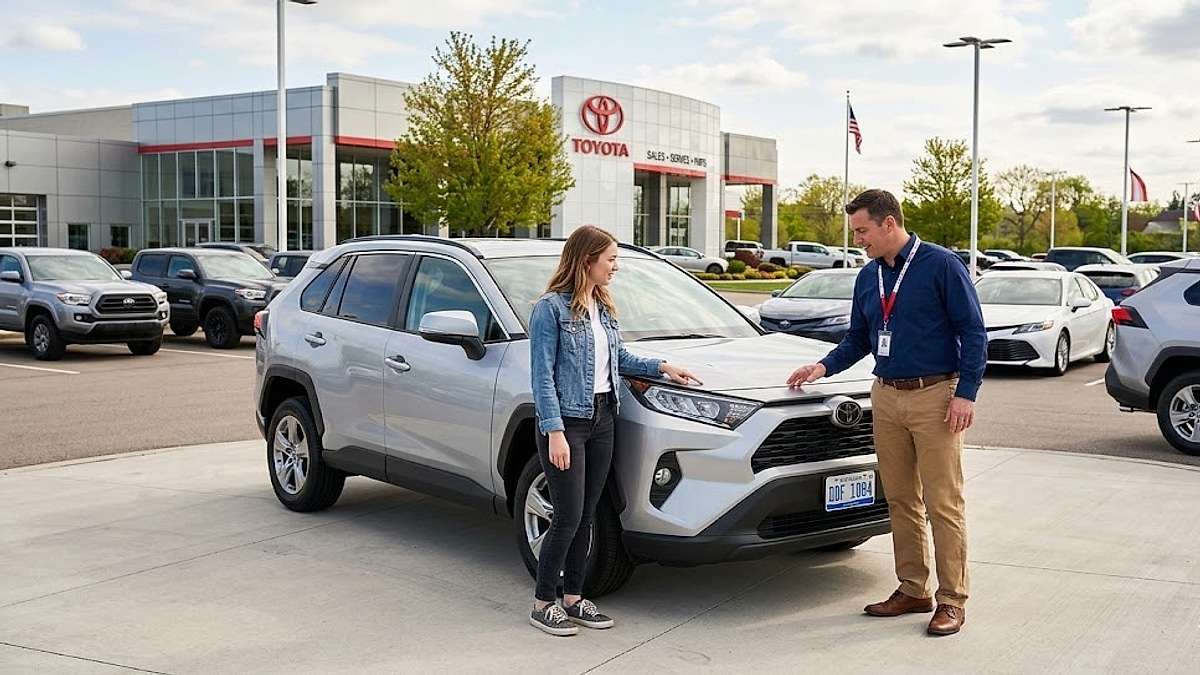
The exact scenario came to light when consumer Candace Nicole from Michigan posted an entry to the Toyota RAV4 Discussion Group 2019-2025 - Gas + Hybrid + Prime Facebook page. She stated:
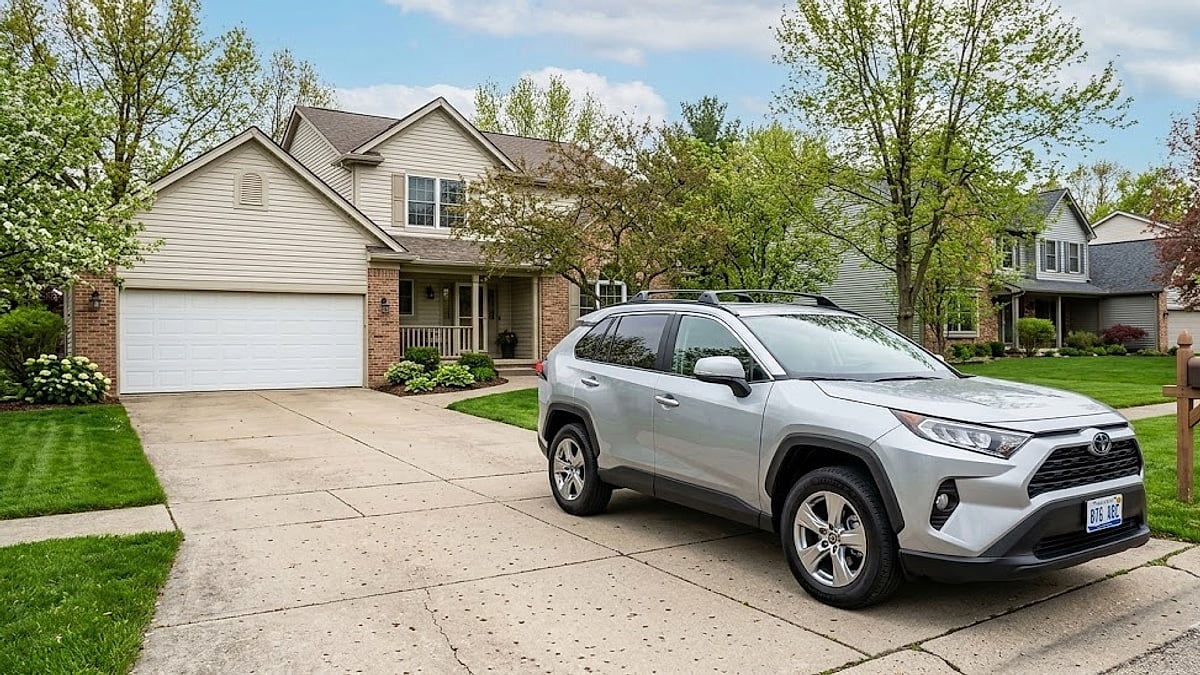
"I have a '2021 Toyota RAV4 gas model with 51,000 miles, it's in great condition currently. I'm grateful to have it, but I'm not thrilled with it. I saw an all-black 2026 RAV4 Hybrid and loved it. I owe approximately $5,000 on the 2021, and I'm considering a trade for a 2026. Some say don't buy the first-gen RAV4, some say it's not a big deal, some, including me previously, would say keep my 2021 and run it as long as you can."
This consumer sentiment highlights a growing macroeconomic trend. Drivers are forced to balance the emotional appeal of new technology against the undeniable mechanical utility of an existing, functional powertrain.
In our ongoing coverage of Toyota reliability, Senior Reporter Denis Flierl, with 30 years of experience, has uncovered an unresolved dispute over how well first-year model updates hold up compared with late-stage production runs. The 2021 RAV4 represents the third year of the fifth-generation (XA50) platform, a production window during which assembly plants have historically ironed out primary assembly-line defects.
Trading this settled asset away means abandoning a known quantity. Industry valuation indexes show that a 2021 RAV4 retains more than 83% of its original purchase value after two years, meaning it depreciates at an exceptionally slow rate compared to its segment peers.
Technical Analysis of First-Generation Infrastructure Risks
Technical hesitation surrounding first-year vehicle platforms centers on unproven software architecture and component packaging, where real-world data reveals hidden operational costs. Torque News technical analysis by Denis Flierl identifies a critical gap between factory maintenance schedules and real-world longevity, noting that the high-voltage rear motor connector assembly remains highly vulnerable to severe environmental corrosion from road salt and winter moisture.
SlashGear's Toyota RAV4 Analysis confirms that even modified open-shell connectors retain moisture under severe driving conditions, meaning consumers trading a paid-off internal combustion engine for a first-year hybrid trade a simple mechanical setup for a complex electrical system that is prone to costly out-of-warranty repairs due to environmental degradation.
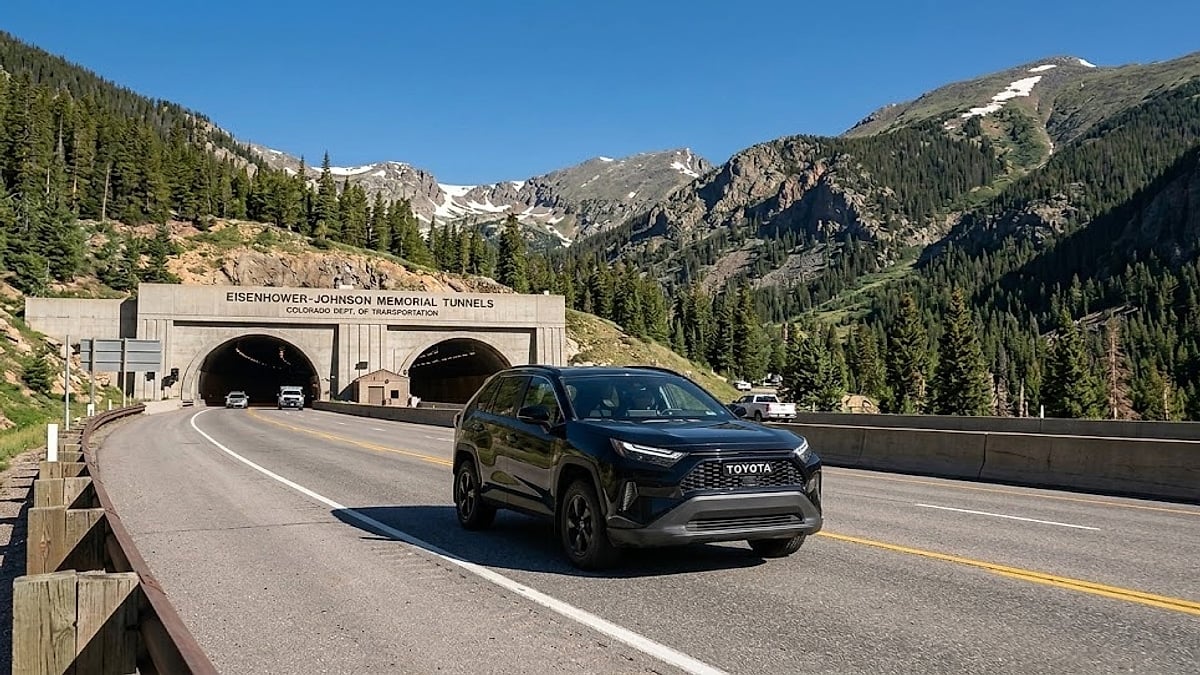
Furthermore, testing by Denis Flierl along high-altitude Colorado corridors like the Eisenhower Tunnel and Vail Pass documents that while a naturally aspirated 2.5-liter engine loses 3% of its atmospheric power per 1,000 feet of elevation, a hybrid system offsetting this with electric torque places an added thermal load on the hybrid battery pack during long, steep mountain climbs, accelerating component fatigue and leading to early inverter degradation or premature battery capacity loss.
This high-load stress pattern matches historical data where turbo wastegate fatigue caused premature internal engine bearing failures. Despite Toyota quietly adjusting warranty parameters for older hybrid variants after global owner networks exposed the "Cablegate" issue, field reports indicate that subsequent connector redesigns have not completely eliminated the long-term risk of galvanic corrosion within the wiring harness.
Tracking the Root Causes of Mechanical Aging
To accurately evaluate long-term viability, technicians analyze component aging by comparing the 2021 RAV4 gas model's 2.5-liter Dynamic Force engine, which uses a combined D-4S direct and port fuel injection system to reduce intake valve carbon buildup against peripheral engine management weaknesses.
Forensic teardowns of high-mileage fifth-generation platforms consistently reveal early wear in the electronic coolant bypass valve, where the plastic actuator cracks under thermal cycling, seeps coolant into the electrical connection, and triggers an immediate check engine light.
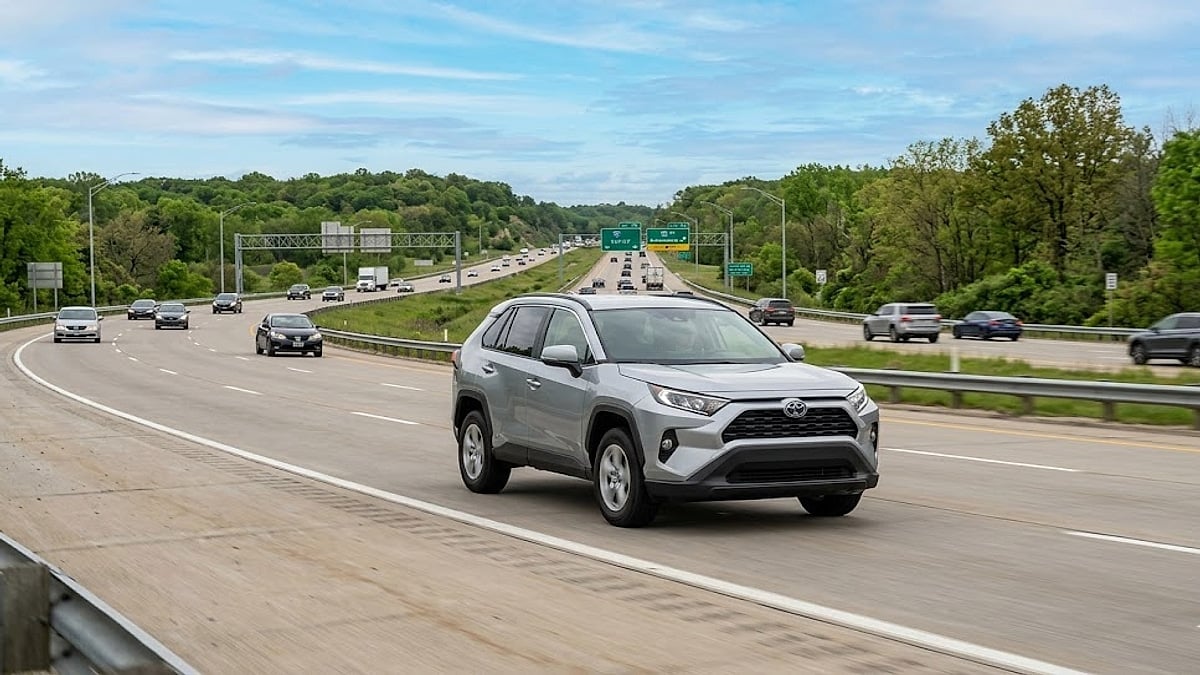
Additionally, the eight-speed automatic transmission’s direct mechanical linkage causes shift hesitations if fluid is left unchanged beyond severe service limits. For drivers in cold northern climates or high-altitude mountain environments, neglecting preventive maintenance on these specific components can quickly lead to major failures.
Dealership service lanes often use these minor failures to push expensive, non-essential maintenance packages onto vehicle owners. In a previous consumer warning regarding dealer upcharges, Denis Flierl documented how service advisors frequently quote over $2,000 for standard mileage checks, as detailed in Torque News' RAV4 Maintenance Blueprint.
These inflated service quotes often push frustrated owners back into the showroom to look at a new car. This cycle drives premature trade-ins based on perceived maintenance hassles rather than actual mechanical wear.
Field Observations from Owner Communities
Real-world owner discussions illustrate the tension between long-term reliability and new vehicle technology, highlighting how technical problems surface in everyday driving before official factory updates.
On the Reddit RAV4 Community Archive, a veteran owner warned that the first year of a complete redesign acts as a public beta test, noting from experience that minor trim rattles and software glitches take at least two years to properly fix at the factory level, an observation backed by Denis Flierl's 30 years of industry experience showing assembly plants need time to dial in tolerances.
Additionally, as documented in the Reddit Hybrid Engineering Forum and validated by Denis Flierl, northern drivers face regional challenges in the salt belt, where road-clearing chemicals in snowy regions like Michigan or high-altitude Colorado accelerate galvanic corrosion.
If the rear high-voltage orange cable connector is not fully insulated from winter slush and road salt, it can quickly lead to an expensive hybrid system failure, making an older, mechanically simpler gas-powered vehicle a more practical choice for long-term ownership in harsh winter climates.
Key Takeaways
- Evaluate the real loan balance against new vehicle market premiums before trading in a low-mileage vehicle.
- Inspect the undercarriage connection points on all-wheel-drive hybrid models for early signs of road salt corrosion.
- Reject expensive, non-essential dealership fluid flushes that deviate from the factory maintenance manual.
- Protect late-stage internal combustion engines by proactively replacing electronic coolant bypass valves before they fail.
The 2026 Shift To An All-Hybrid Lineup Raises An Important Question
When considering whether to keep a vehicle long-term or trade it in, consumers must look closely at how new vehicle electrical systems are designed. The upcoming 2026 RAV4 shift to an all-hybrid lineup raises an important question: How will Toyota's new software system handle extreme temperatures and over-the-air updates without drawing excessive power from the 12-volt battery system?
Early field data from related vehicle platforms indicates that advanced infotainment systems and continuous background data syncing can create a constant power drain. This electrical load can lead to unexpected battery failures if the vehicle sits idle for extended periods in cold climates.
Tell Us What You Think
How do you handle the decision to trade in a vehicle once your auto loan is almost paid off? Do you prefer to keep a reliable gas-powered model for the long haul, or are you willing to jump into a first-year hybrid redesign for better fuel economy? Tell us what you think by leaving a comment in the red Add new comment link below.
What’s Next: In the upcoming strategic conclusion to our mid-lifecycle vehicle survival stream, titled "How Spending $300 on Three Critical Maintenance Upgrades Safely Pushes a 2021 Toyota RAV4 Past 150,000 Miles," Torque News bypasses the standard factory checklists to deliver a practical consumer blueprint.
Senior Reporter Denis Flierl uses 30 years of mechanical forensic data to isolate the three high-failure sub-components, including the notorious electronic coolant bypass valve, that trigger early trade-in anxiety. By executing these three targeted, fluid, and component interventions for less than $300 in parts, owners can insulate their assets from costly dealership repair traps and confidently run their fifth-generation platforms deep into six-figure mileage.
About The Author
Denis Flierl is a 14-year Senior Reporter at Torque News and a member of the Rocky Mountain Automotive Press (RMAP) with 30+ years of industry experience. Explore his full investigative reporting archives and technical guides at DenisFlierl.com. Based in Parker, Colorado, Denis leverages the Rockies' high-altitude terrain as a rigorous testing ground to provide "boots-on-the-ground" analysis for readers across the Rocky Mountain region, California EV corridors, the Northeast, Texas truck markets, and Midwest agricultural zones. A former professional test driver and consultant for Ford, GM, Ram, Toyota, and Tesla, he delivers data-backed insights on reliability and market shifts. Denis cuts through the noise to provide national audiences with the real-world reporting today’s landscape demands. Connect with Denis: Find him on LinkedIn, X @DenisFlierl, @WorldsCoolestRides, Facebook, and Instagram.
Photo credit: Denis Flierl
Set Torque News as Preferred Source on Google
Follow us today...