
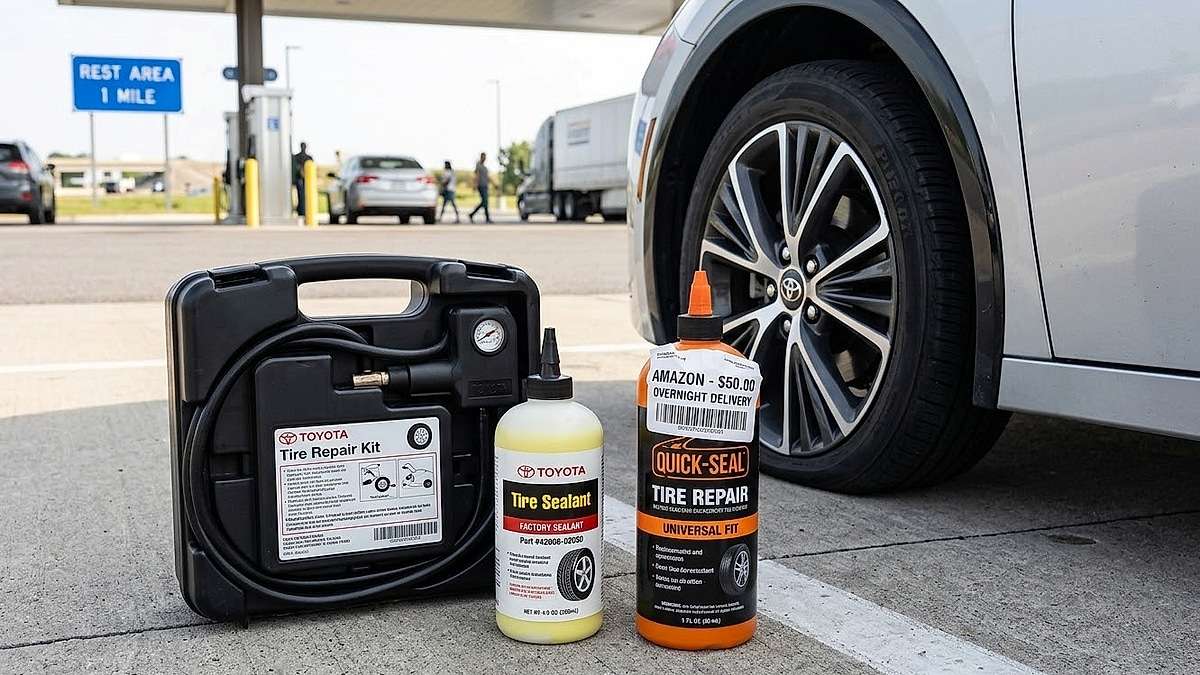

The 2024 Toyota Prius Prime is widely celebrated as the pinnacle of the hybrid's 5th-generation evolution, offering blistering efficiency and sleek aesthetics. However, a growing number of owners are discovering a significant "hidden tax" on their road trip security. A recent service failure involving a 2024 Prius Prime owner highlights a glaring gap in Toyota’s official dealership support: a $150 price discrepancy for a simple tire sealant bottle that can leave travelers stranded or overcharged.
In my 30 years of reporting on the auto industry, I have seen every trend come and go, but the disappearing spare tire is one "innovation" that truly gets under my skin. Today, I am investigating a growing frustration among 2024 Toyota Prius Prime owners who are being left stranded on the shoulder of the road due to a glaring gap in manufacturer support. This isn't just about a flat tire; it is about a systemic failure in how dealerships handle the very tools they gave you to replace that missing spare.
I’ve tracked this growing frustration among owners who are stranded by these design choices, and in my investigation into why 2026 Prius owners are being quoted $900 just for spare tire parts, it became clear that Toyota is prioritizing the bottom line over the "be prepared" mindset cherished by Prius loyalists, which you can read in my detailed report here. Another long-term concern I've raised is that even the most advanced hybrids have their "Achilles' heel" in real-world conditions, as I noted in my report on how a 2024 Toyota Prius Prime Owner Says “Sports Car Acceleration” Can't Make Up For Winter Power Loss and a Dead 12-Volt Battery, found here at Torque News.
My Take
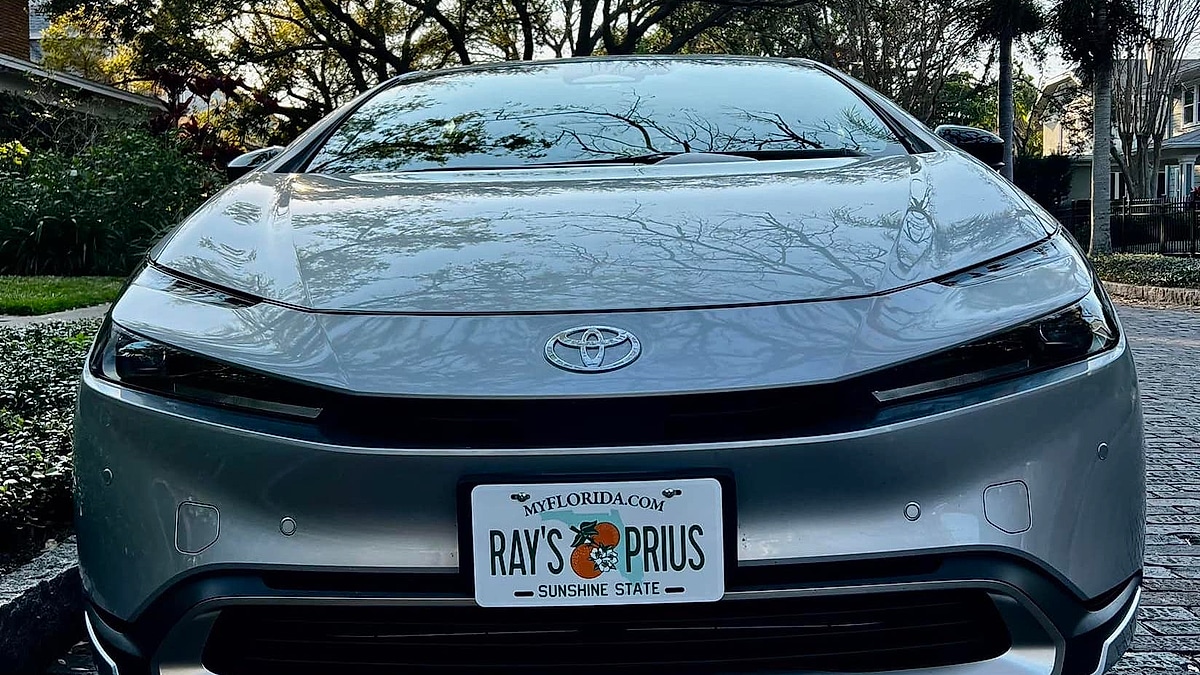
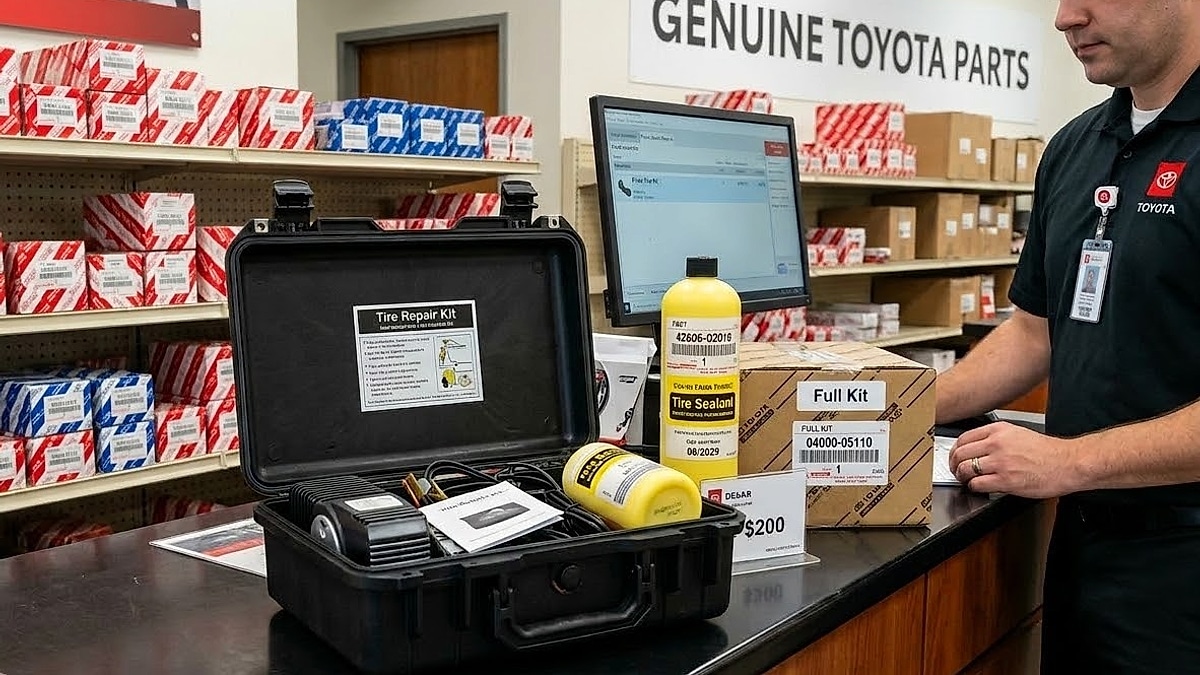
When Ray Siwinski, from Florida, a member of the 5th Gen Prius Facebook Club, used his emergency sealant to fix a flat on his 2024 Prius Prime, the kit worked perfectly. But when he tried to buy a replacement bottle, the local Toyota dealers told him he had to buy the entire $200 pump-and-bottle kit. As a senior reporter who has spent decades under car hoods, I can tell you it isn't just "bad luck" that these parts are unavailable individually; it feels like a predatory supply trap.
Ray says, “I had to use the emergency tire repair kit to fix a flat on my 2024 Toyota Prius Prime. It worked fine and got me 25 miles home, and a few miles to the tire repair shop the next morning. Kudos to Bob Lee Tire in St Petersburg, FL. They were able to repair the tire. I called the local Toyota dealer to get a replacement sealant bottle. They tried to sell me the whole kit, pump, and bottle for almost $200, and they had to order it. Ditto for several other Toyota dealers in the area. Finally found the bottle on Amazon for $50 and having it overnighted 300 miles up the road as we are headed north today. I’m keeping my fingers crossed we don't have another flat before we get there. While the emergency tire repair kit worked well, Toyota's support for kit parts is terrible.”
Verified automotive experts at Cars.com have noted that a tire-repair kit is no substitute for a real tire, and personal experience proves why owners are left vulnerable when these kits aren't supported. Even Consumer Reports analysts recommend specific flat-tire sealants because they found that spending the extra money for a high-quality kit is often the only way to ensure the sealant actually feeds into the tire properly through the compressor.
Why "Kit-Only" Policies are Failing 5th Gen Owners
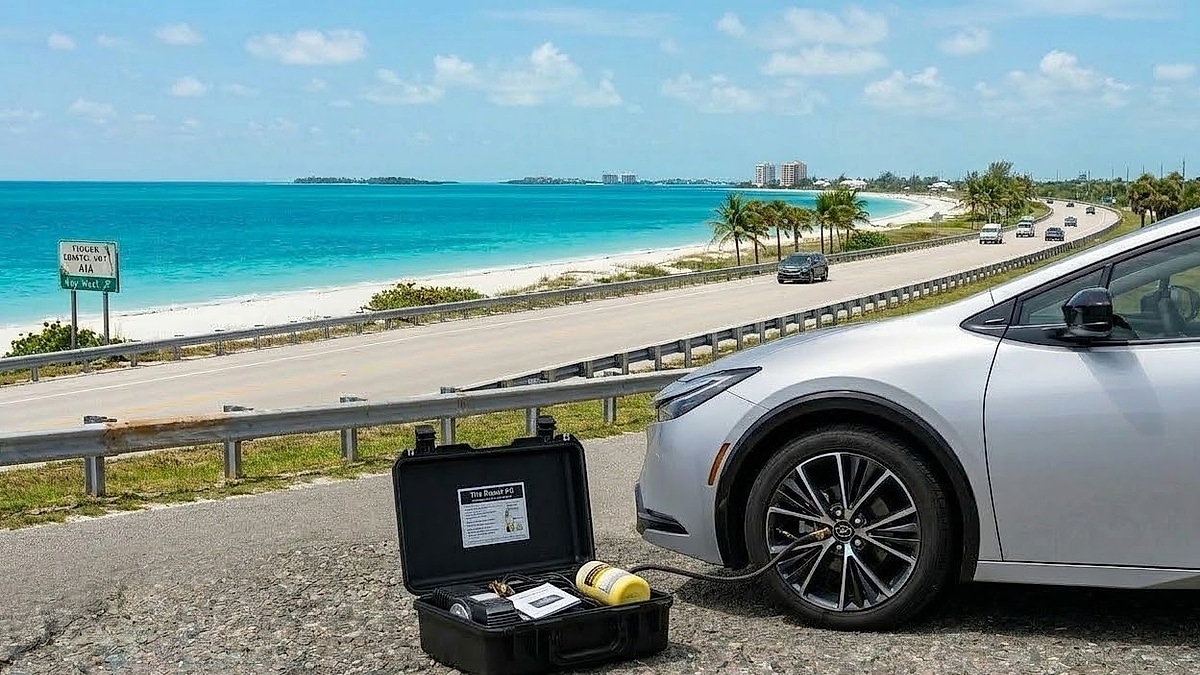
The 5th Generation Prius (2023–2026) does not carry a spare tire, a design choice made to maximize aerodynamic efficiency and battery packaging. In its place, Toyota provides an Emergency Tire Piercing Kit. The manufacturer has an implied responsibility to ensure the consumables for these kits are readily available.
However, Siwinski’s experience reveals a systemic issue in the Toyota supply chain. By forcing owners to buy a second air compressor just to get a fresh bottle of goo, dealers are creating a "disposable" culture that contradicts the Prius's eco-friendly ethos and gouges consumers' wallets.
"While the emergency tire repair kit worked well, Toyota's support for kit parts is terrible," Siwinski noted, echoing a sentiment that is beginning to trend across hybrid enthusiast forums this spring.
How to Save $150 Before Your Next Flat
For Prius Prime owners planning North American road trips this March, the data is clear: Do not rely on the dealership network for sealant replenishment. Siwinski managed to find the exact replacement bottle on Amazon for $50. By having it overnighted 300 miles ahead to his next destination, he bypassed the dealer's $200 "tax" and secured his vehicle for the remainder of his journey north.
Recommended Pre-Trip Checklist:
- Check Your Expiration: Tire sealant has a shelf life (usually 4–5 years). If your Prius is an early 2023/2024 model, check the date on the canister now.
- Source Separately: Look for high-quality, sensor-safe sealant (like Slime or OEM-equivalent bottles) that connects to the Toyota-integrated hose.
- The "Two-Bottle" Rule: If you are heading into remote areas, carry a secondary $50 bottle. Relying on a dealership to have one in stock in rural America is currently a high-risk gamble.
Is Toyota Risking Brand Loyalty Over Small Parts?
This incident isn't just about a $150 price difference; it’s about Information Gain regarding the "right to repair" and maintain safety equipment. As we move through the 2024–2026 lifecycle of these vehicles, more owners will face this exact scenario.
If Toyota’s internal policy continues to prioritize the sale of high-margin "full kits" over individual components (such as the sealant), they risk alienating their most loyal demographic: pragmatists. The Prius owner is typically data-driven and value-conscious. Discovering that a "support" network is actually an "upsell" network in a moment of vulnerability, like a roadside flat, damages the brand's Trustworthiness pillar.
A Win for Local Expertise
It is worth noting that while the corporate/dealer support failed, local expertise did not. Bob Lee Tire in St. Petersburg was able to successfully repair the tire, proving that the sealant did not ruin the tire’s internal liner, a common fear among enthusiasts. This reinforces the value of the 5th Gen's repair kit, provided you can afford to reload it.
Staying Safe
If you are driving a 5th Gen Prius, here is the "Safety-First" strategy to avoid the $200 dealer trap:
- Audit Your Trunk: Open your repair kit today. Familiarize yourself with how the bottle attaches to the pump.
- Bookmark the Part: Search for the specific Toyota sealant part number (often found on the back of the canister) on third-party sites before you need it.
- The Spare Tire Alternative: For those truly worried about "terrible support," several aftermarket companies now offer "Space Saver" spare tire kits that fit in the rear cargo area of the Prius Prime, though they sacrifice some storage space.
Field Observations from Owner Communities
I’m not the only one seeing this. Community feedback is pouring in, and it confirms that the "goo" kit has serious limitations. In a recent technical discussion on r/PriusPrime, one owner shared their frustration with the replenishment cost, stating, "I had a flat and used the sealant that came with the car. It did a great job, but when I went to replace it, the cost was $70," which you can read in the full discussion here.
Another owner on r/prius highlighted the vulnerability of the new design and the high cost of dealer replacements, mentioning, "Toyota wants $160 for just the liquid of the tire repair kit. I want a better alternative in the car if I can't call a tow truck," found in this Reddit thread. These stories align with my 30 years of experience: when a manufacturer makes a part "proprietary," the price skyrockets while availability plummets.
Key Takeaways
- Dealers vs. Reality: Dealerships often quote $150 to $200 for a full kit; owners can find compatible sealant bottles on Amazon for $50.
- The 19-Inch Trap: Owners with the 19-inch wheels are at higher risk for sidewall damage that sealant cannot fix.
- Pre-Trip Prep: If you’re heading north or on a long trip, buy a spare bottle of sealant before you need it.
Final Thoughts: The Road Ahead
Toyota has built a masterpiece of design with the 5th Gen Prius, but they have saddled it with a tire support strategy that feels experimental at best. You shouldn't have to choose between a $200 dealer "tax" and being stranded. My advice is simple: buy an aftermarket sealant bottle for $50 now and keep it in your trunk. It’s a small price to pay for the peace of mind that Toyota’s own service network currently fails to provide.
It's Your Turn: Have you been quoted an outrageous price for a simple repair part at your local dealer? What would you do if you were stranded 300 miles from home? Leave a comment in the red "Add new comment" link below, and let's get the conversation started.
About The Author
Denis Flierl is a 14-year Senior Reporter at Torque News and a member of the Rocky Mountain Automotive Press (RMAP) with 30+ years of industry experience. Based in Parker, Colorado, Denis leverages the Rockies' high-altitude terrain as a rigorous testing ground to provide "boots-on-the-ground" analysis for readers across the Rocky Mountain region, California EV corridors, the Northeast, Texas truck markets, and Midwest agricultural zones. A former professional test driver and consultant for Ford, GM, Ram, Toyota, and Tesla, he delivers data-backed insights on reliability and market shifts. Denis cuts through the noise to provide national audiences with the real-world reporting today’s landscape demands. Connect with Denis: Find him on LinkedIn, X @DenisFlierl, @WorldsCoolestRides, Facebook, and Instagram.
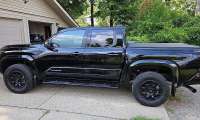
Photo credit: Denis Flierl via Ray Siwinski
Set Torque News as Preferred Source on Google
Follow us today...






Comments
I ran into this after I…
Permalink
I ran into this after I bought my 2025 Toyota Corolla hybrid LE. I emailed corporate for a Toyota, and the next day I got a call from the place that I bought this from. They provided a full spare tire and the tools that go with it. I would say maybe it was just a one off, but I had another situation happen at a separate dealership when my tire went flat, and they also contacted me the next day. I have a $50 credit in that shop. Don't accept this, fight it.