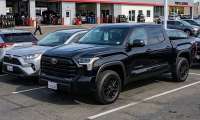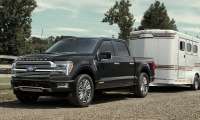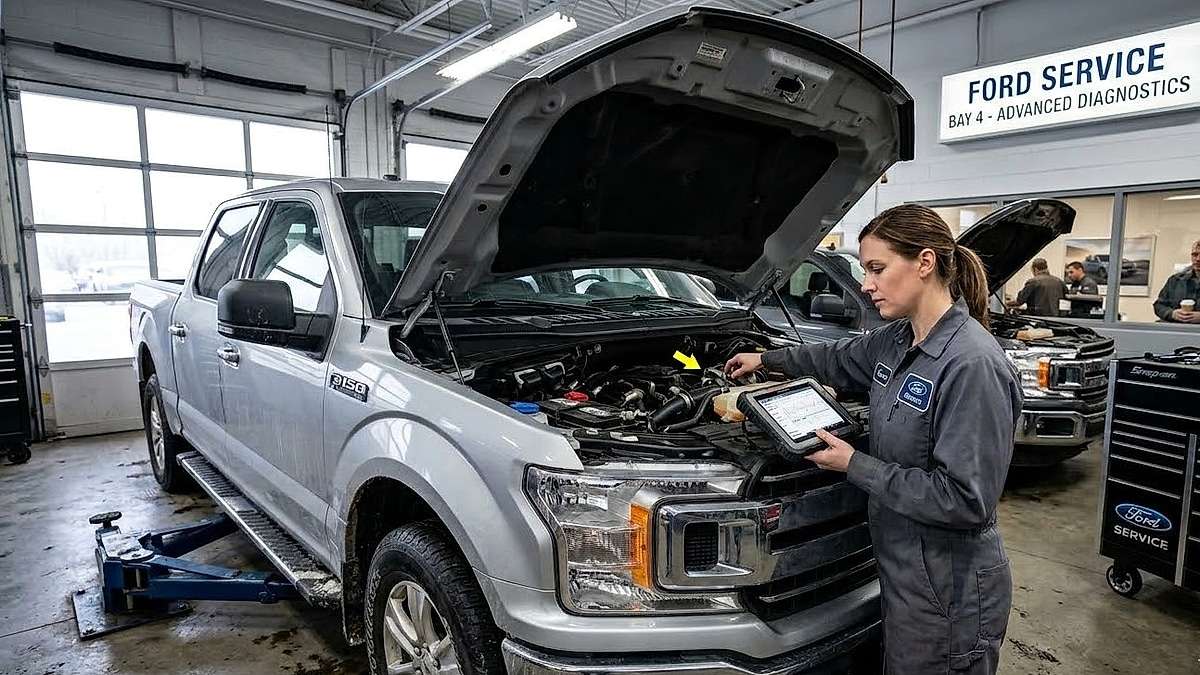

I’ve spent 30 years in the trenches of the auto industry, and if there is one thing I know, it is that brand loyalty is a powerful drug until the first time your dashboard lights up like a Christmas tree. I recently came across a story from TubMuas Yaj, a driver in La Crosse, Wisconsin, who did the unthinkable: after a lifetime of bulletproof reliability in Toyotas and Hondas, he jumped ship for a 2018 Ford F-150 XLT 3.5L EcoBoost. The honeymoon didn't just end; it evaporated.
TubMuas Yaj shared his frustration on the Ford F-150 Owners Facebook page, stating, “Can someone help guide me with what’s wrong with my truck? My first time ever owning a 2018 Ford F150 XLT 3.5 EcoBoost. I've been a Honda and Toyota owner all my life. I decided to switch brands, and this is what I get. I turned on the truck today, and the wrench logo appeared, but the check engine light did not come on the first time. I turned off the truck and turned it back on again just to see if the check engine light had appeared on, too. An idea why this might be?”
This specific combination of lights is a massive red flag for the Electronic Throttle Body (ETB), a part that has become the "Achilles' heel" for Ford's twin-turbo powerhouse. In a recent report I filed, I explored how the perceived reliability of these trucks can vary widely depending on your previous daily driver and the specific maintenance habits you bring with you from brands like Toyota. The reality for TubMuas is a stark reminder that while the EcoBoost offers incredible torque, it lacks the "set-it-and-forget-it" nature of a Tundra. Just last month, I noted that a 2025 Ford F-150 owner is willing to take a risk on a recalled Toyota Tundra because he’s fed up with his F-150’s persistent electronic gremlins.
Who, How, and Why?
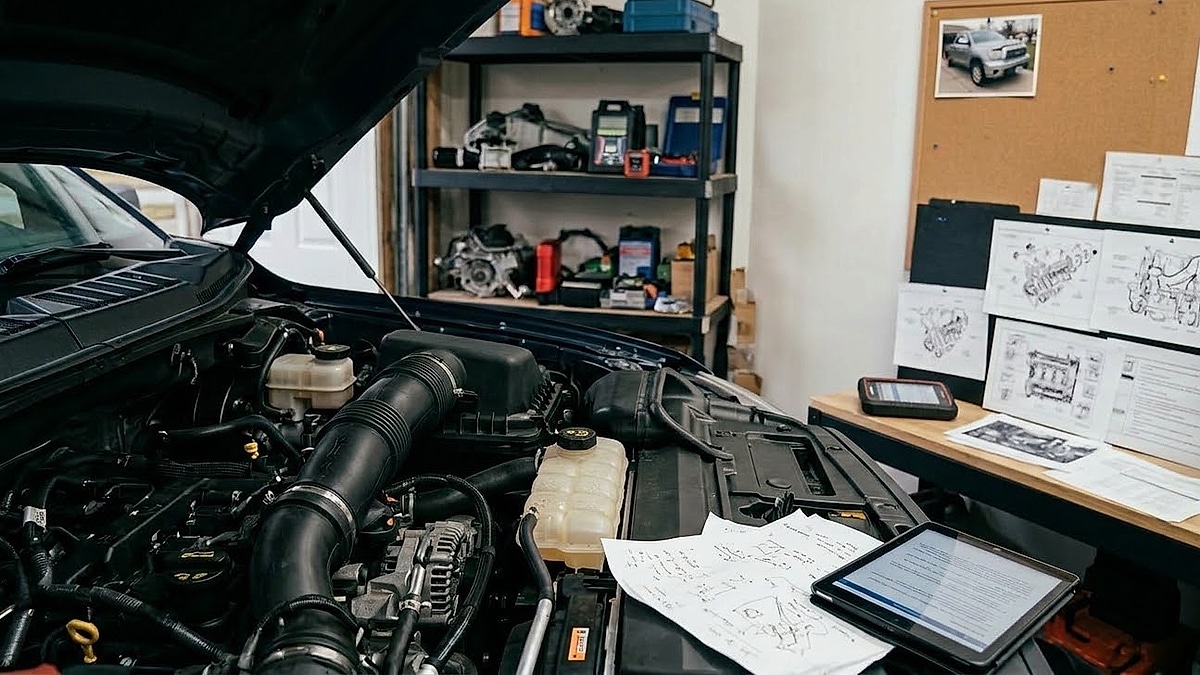
To understand this nightmare, we have to look at the Who, How, and Why behind the F-150's most common failure point.
Who is affected? Primarily owners of the 2017 to 2020 F-150 with the second-generation 3.5L EcoBoost. These are often folks like TubMuas who are used to the mechanical simplicity of Japanese naturally aspirated engines and are now dealing with complex "drive-by-wire" systems.
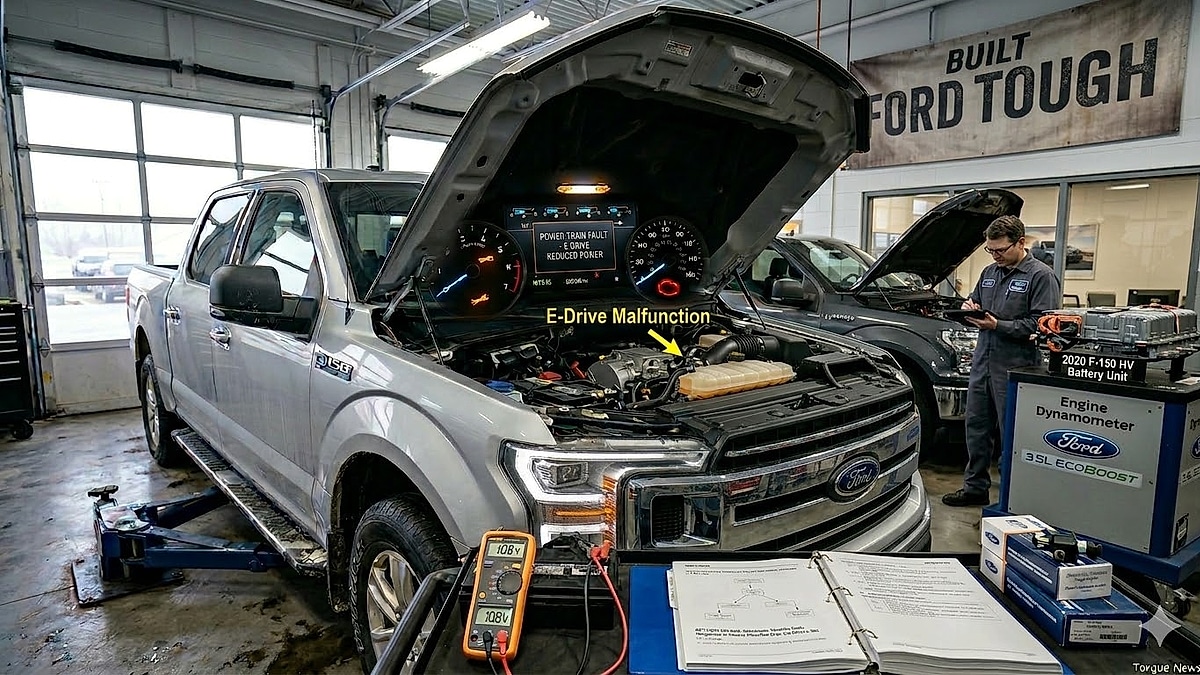
How does it happen? The "Wrench" light is Ford’s specific way of signaling a Powertrain Malfunction. It often forces the truck into "Limp Mode," where the computer slashes power to protect the engine. As the experts at Branch Automotive explain, this light is triggered whenever your onboard diagnostics system detects a throttle control or transmission-related problem, often caused by carbon buildup or a faulty internal motor in the throttle body.
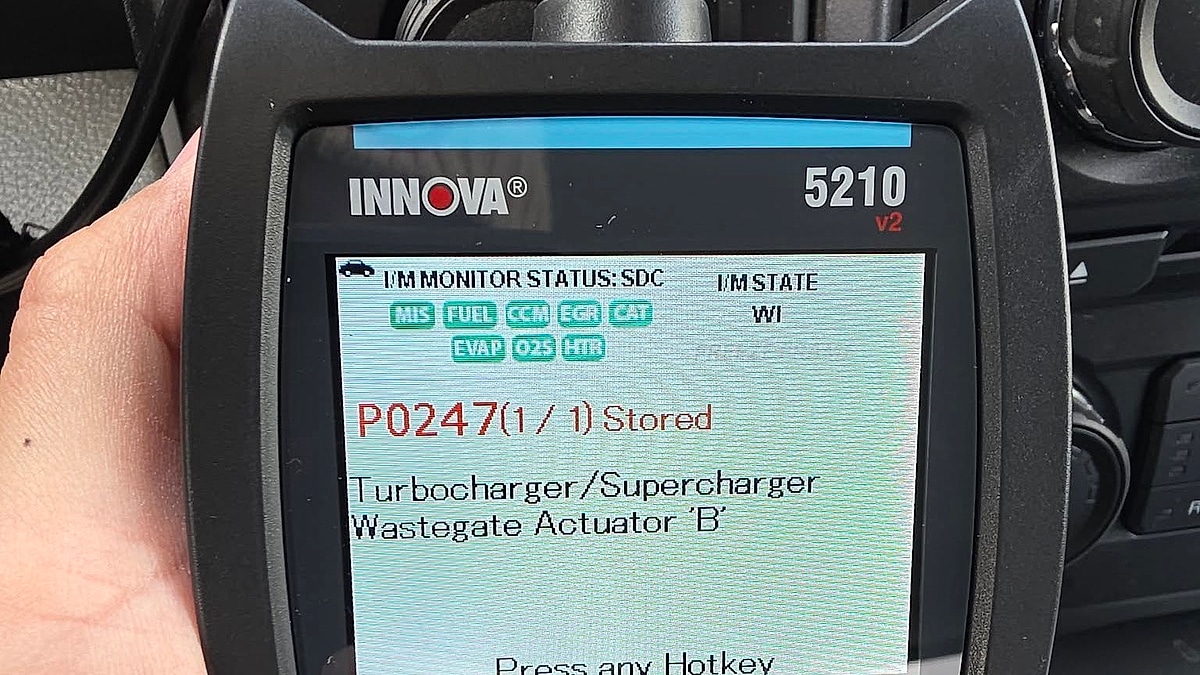
Why does it fail? Unlike the mechanical linkages in older Toyotas, Ford's electronic throttle body uses a plastic-geared motor to control airflow. Over time, moisture and oil vapor from the PCV system can gum up the plate, causing the motor to "stick." When the computer detects the plate isn't where it should be, it panics, throws the wrench, and eventually triggers the CEL with a code like P2111 (Throttle Actuator Control System - Stuck Open) or P0247 (Turbocharger/Supercharger Wastegate Actuator 'B').
Warning for Wisconsin Truck Owners: The Cold-Climate Catalyst
From my view, living in the "Rust Belt" or the humid Upper Midwest adds a layer of complexity to F-150 ownership that Toyota owners rarely have to consider. In places like La Crosse, Wisconsin, the extreme humidity combined with freezing temperatures creates the perfect storm for Intercooler Condensation.
The 3.5L EcoBoost is notorious for trapping moisture in the bottom of the Charge Air Cooler (CAC). When you go for heavy acceleration or a cold-morning start, that "sludge" can be sucked into the intake. According to technical findings from CarBuzz, high ambient humidity is a major culprit here, and the elevated boost pressure needed to make a V6 engine perform like a V8 exacerbates the problem. This moisture doesn't just cause a misfire; it coats the internal sensors of the Electronic Throttle Body, leading to the exact dual-light failure TubMuas experienced. If you are driving an F-150 in Wisconsin, you aren't just fighting mechanical wear; you are fighting the weather itself.
My Take: The Toyota-to-Ford Culture Shock
I’ve talked to thousands of owners over three decades, and the "switch-back" phenomenon is real. When you come from a Toyota background, you expect the truck to start and run without a second thought. But with an EcoBoost, you are managing a high-performance, twin-turbocharged machine.
My take is that Ford’s 3.5L is a masterpiece of engineering, but it is also sensitive. In Wisconsin's climate, these trucks require a level of maintenance most Toyota owners find exhausting. If you aren't ready for that level of technical overhead, the "Built Ford Tough" slogan starts to feel like a hollow promise.
What You Need To Know
- The "Wrench" is Not an Oil Change: Many new Ford owners mistake the wrench for a maintenance reminder. It isn't. It's a powertrain emergency signal.
- The Restart "Fix" is a Trap: TubMuas noticed the light went away after a restart. This is a temporary clearing of the "Limp Mode" software, but the mechanical fault remains and will return at the worst possible time.
- OEM vs. Aftermarket: If you replace the throttle body, stick to the Motorcraft part. Many cheap aftermarket versions fail within 5,000 miles because they can't withstand the turbocharger's heat cycles.
Field Observations from Owner Communities
The community feedback on this issue is loud and clear. It’s not an isolated incident; it’s a design characteristic.
On r/f150, one experienced owner shared a direct solution for those seeing the intermittent wrench: "Honestly, the first thing I would check is the Throttle Body... it's a very easy piece of hardware to replace (4 bolts) and it tends to build up with carbon blow by with the turbos," which perfectly matches what we are seeing in La Crosse.
Another user on r/Ford highlighted how these "ghost" lights can be triggered by seemingly unrelated electrical drops, noting that "one time my car did that, it was the battery cable loose, freaking out the computer... the wrench just means powertrain fault," proving that these trucks require a stable voltage that older trucks simply didn't care about.
Key Takeaways for F-150 Owners
- Immediate Action: If you see a wrench light, get an OBD-II scan immediately. Do not wait for the CEL to stay on permanently.
- The 3.5L Quirk: The EcoBoost requires cleaner intake tracts than a standard V8. Regular cleaning of the throttle body can prevent a $500 repair bill.
- Climate Matters: Owners in the Midwest should be especially vigilant about battery health, as cold-cranking voltage drops can trigger "false" powertrain codes.
My Take on the Future of Truck Reliability
As we move deeper into 2026, the complexity of these trucks continues to increase. We are seeing more software-defined failures than ever before. For a guy like TubMuas, the lesson isn't necessarily that Ford is "bad," but that the modern turbocharged truck requires a different kind of "mechanical empathy" than the Toyotas of the 1990s.
According to technical guides on CarParts.com, a faulty throttle body makes driving more difficult and can damage other parts, so you should fix it immediately to avoid cascading failures in the catalytic converter or transmission. I’ve seen it happen: a $200 sensor failure leads to a $3,000 exhaust repair because the truck was running "rich" in Limp Mode for too long.
The Learning Curve Can Be Steep
Switching brands is always a gamble, and for those moving from the legendary reliability of Honda or Toyota to a 2018 Ford F-150, the learning curve can be steep. The dual Wrench and Check Engine Light scenario isn't just a glitch; it’s a specific cry for help from a sophisticated powertrain. By understanding the "Why" behind the Electronic Throttle Body failures and acting fast, you can keep your F-150 on the road and out of the shop.
How About You? Have you ever regretted switching truck brands, or did you find the extra power was worth the occasional dashboard drama? Leave a comment in the red Add new comment link below and let’s get the conversation started.
About The Author
Denis Flierl is a 14-year Senior Reporter at Torque News and a member of the Rocky Mountain Automotive Press (RMAP) with 30+ years of industry experience. Based in Parker, Colorado, Denis leverages the Rockies' high-altitude terrain as a rigorous testing ground to provide "boots-on-the-ground" analysis for readers across the Rocky Mountain region, California EV corridors, the Northeast, Texas truck markets, and Midwest agricultural zones. A former professional test driver and consultant for Ford, GM, Ram, Toyota, and Tesla, he delivers data-backed insights on reliability and market shifts. Denis cuts through the noise to provide national audiences with the real-world reporting today’s landscape demands. Connect with Denis: Find him on LinkedIn, X @DenisFlierl, @WorldsCoolestRides, Facebook, and Instagram.
Photo credit: Denis Flierl via TubMuas Yaj
Set Torque News as Preferred Source on Google
Follow us today...