
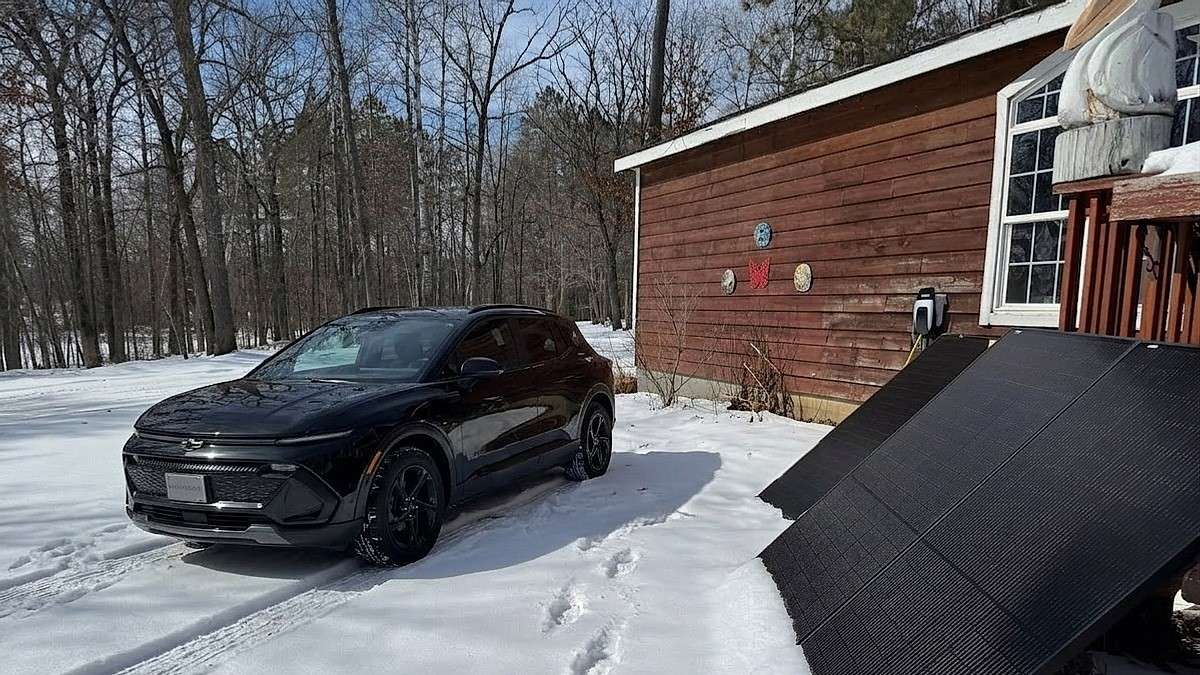

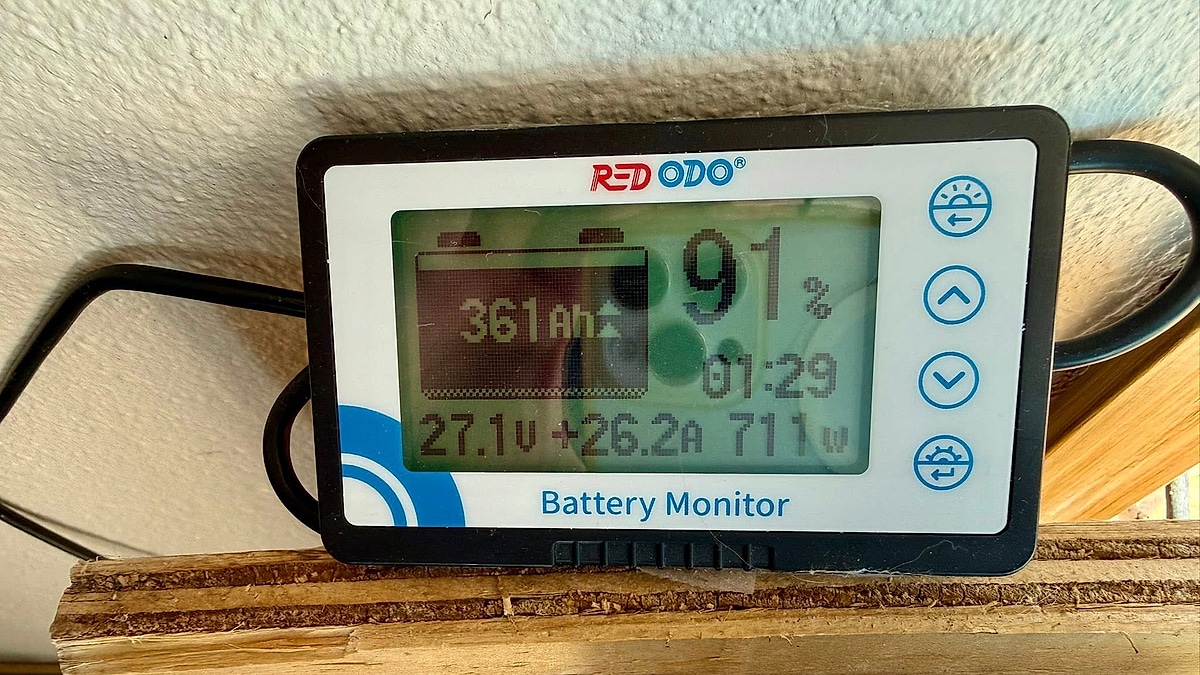
A 3.2 kW solar panel array coupled with 12 kWh of LiFePO4 battery storage is currently powering a Chevy Equinox EV at 12 amps, a refrigerator, and an air purifier, all while still generating 700-900 watts of surplus electricity. This is a home setup built by a single owner, Dan Wiedell, who is effectively running his household and charging his electric vehicle off the grid for pennies. The core problem this shows is the industry's slow pace in integrating home energy solutions with EV ownership.
This kind of ingenuity from the owner base exposes a significant gap in the automotive and energy sectors: the lack of accessible, integrated, and affordable home energy solutions for EV drivers. While manufacturers tout the environmental benefits of EVs, few actively facilitate the transition to truly sustainable charging at home, leaving owners to piece together complex systems themselves. It is about energy independence and resilience, a growing concern for consumers facing volatile energy markets and aging infrastructure.
The automotive industry is failing to capitalize on the home energy revolution, leaving EV owners to innovate their own solutions for sustainable and cost-effective charging.
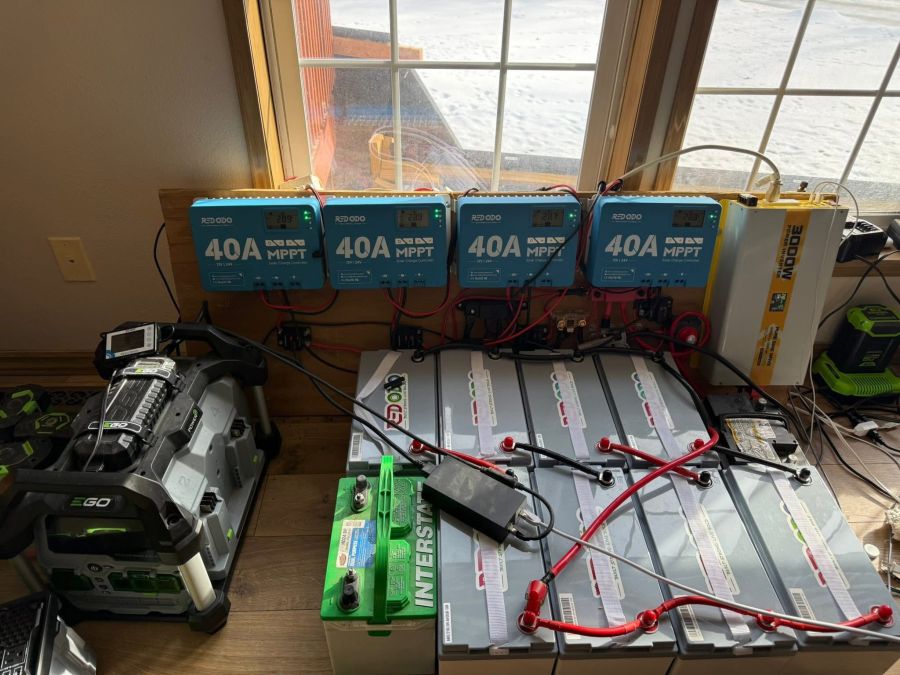
"3.2 kW of solar panels and 12 kWh LiFePO4 battery storage. Currently running my fridge, air purifier, charging the Equinox at 12 amps, and charging the batteries with a remaining 700-900 watts of free electricity from the Sun."
Wiedell's setup, which he estimates cost around $3,700, shows what a determined individual can achieve with readily available components. He details his system: eight panels, eight batteries, four MPPT controllers, a Chevy Equinox EV, and a 3000-watt inverter.
Chevrolet Equinox EV: Home Charging and Energy Independence
- The 2024 Chevrolet Equinox EV is GM's entry into the affordable electric SUV segment, starting at an MSRP of $34,995 for the 1LT FWD model. It offers an estimated 319 miles of range for the FWD variant and 285 miles for the eAWD model, making it a practical choice for daily commuting and longer trips.
- The vehicle supports up to 11.5 kW Level 2 AC charging, capable of adding up to 34 miles of range per hour at home or public charging stations. This robust AC charging capability makes it well-suited for integration with home solar systems, even if owners start with a more modest setup.
- The Equinox EV's Ultium platform allows for future vehicle-to-home (V2H) or vehicle-to-grid (V2G) capabilities, though these features are not yet active or widely supported. This potential for bidirectional charging could transform the EV into a mobile power bank, further enhancing energy independence.
- While GM offers home charging installation services through Qmerit, these typically focus on standard Level 2 chargers and do not yet include integrated solar or battery storage solutions. This leaves a significant gap for owners looking to maximize their energy self-sufficiency.
The comments reveal a shared curiosity and a common thread among Equinox EV owners: the desire for greater control over their energy consumption and costs. Paul Charbonneau, for instance, asked Wiedell if he was in an area with expensive or unreliable electricity, a question that gets to the heart of why many consider such setups.
Wiedell's response, however, indicates a different motivation: "Paul Charbonneau, no, I was wanting to create a solar setup for my small RV and kept building onto it. It just happens to be useful in the house. Were I to plan this out, I’d want a 12 kW- 20 kW solar panel set up and be able to level 2 charge my vehicles. That will be next in a few years, I suppose. Sometimes we Humans do things, big and small, for no other real reason than just to prove to ourselves that we can." This is an ambition-driven project that shows a consumer segment eager to push the boundaries of current technology.
This personal drive to "prove to ourselves that we can" is precisely the kind of pioneering spirit the auto industry should be harnessing, not ignoring. The fact that Wiedell's current setup, which he describes as a work in progress, can already handle a significant portion of his household load and charge his EV at Level 1 speeds, suggests a viable path for many. The industry's focus on faster Level 2 and Level 3 charging often overshadows the practical reality that owners can and do charge slowly overnight, making a modest home solar setup highly effective.
Michael Krenzer, another commenter, reinforced the accessibility of such projects, stating that his "decently larger system" cost only $5,500. He noted that "batteries and panel mounting is where a lot of the cost is," but also pointed out the availability of panels in smaller numbers for DIYers. This collective knowledge sharing in online forums is effectively a crowdsourced R&D department for home energy integration, a resource that manufacturers are largely neglecting. This is where the pattern becomes clear: owners are building the solutions that manufacturers should be offering as integrated packages.
Wiedell's solar setup for his Equinox EV directly challenges the automotive industry. By demonstrating that a relatively affordable, DIY home solar system can effectively power a household and charge an EV, he exposes the missed opportunity for manufacturers to offer integrated, scalable home energy solutions. The market is ready for the entire ecosystem, and if manufacturers don't provide it, owners will build it themselves.
Image Sources: Chevrolet Media Center & Owner
About The Author
Noah Washington is an automotive journalist based in Atlanta, Georgia, covering sports cars, luxury vehicles, and performance culture. His reporting focuses on explaining the engineering, design philosophy, and real-world ownership experience behind modern vehicles.
Noah has been immersed in the automotive world since his early teens, attending industry events and following the enthusiast communities that shape how cars are built and driven today. His work blends industry insight with enthusiastic storytelling, helping readers understand not just what a car is, but why it matters.
Noah is also a member of the Southeast Automotive Media Association (SAMA), a professional organization for automotive journalists and industry media in the Southeast.
His coverage regularly explores sports cars, luxury vehicles, and performance-driven segments of the automotive industry, including the evolving culture surrounding Formula Drift and enthusiast builds.
Read more of Noah's work on his author profile page.
You can also follow Noah here:
Set Torque News as Preferred Source on Google
Follow us today...







Comments
I'm not sure I would call…
Permalink
I'm not sure I would call running your refrigerator and air purifier a significant part of your house load.
One thing to note is that while level 2 charging is definitely achievable you will need a lot of solar panels. Level two will suck the energy out of your batteries very fast.