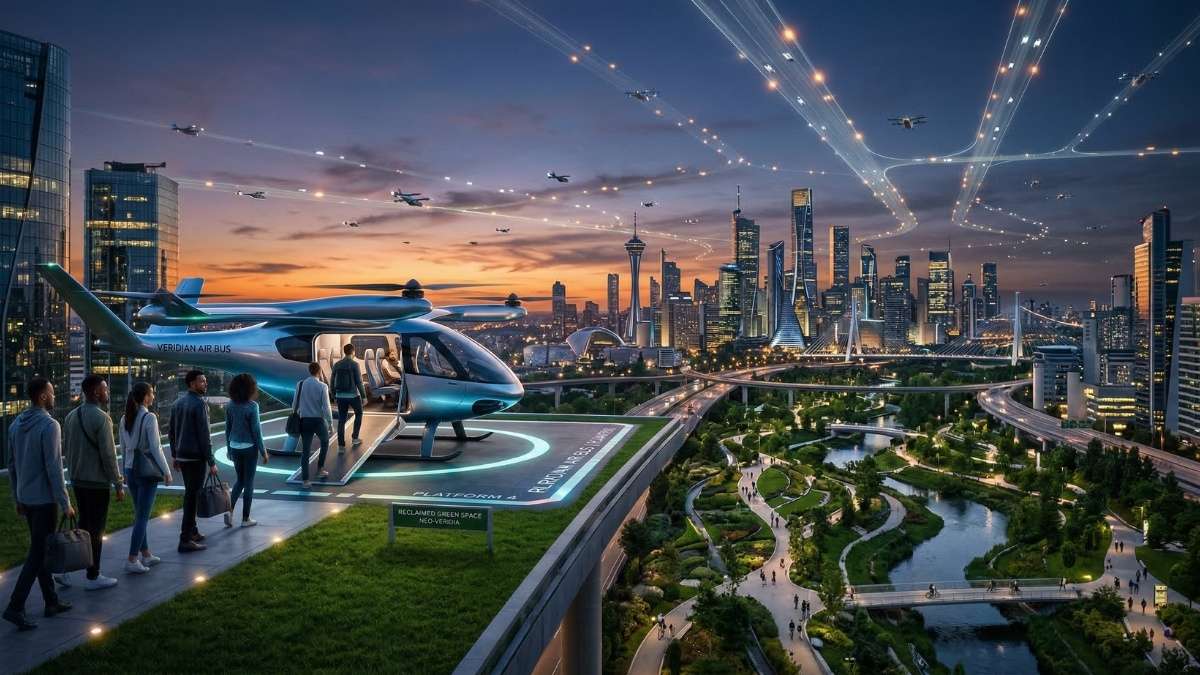

The transition from science fiction to regulatory reality just hit warp speed. For decades, we’ve been promised the "Jetsons" future—a world where traffic jams are a relic of the ground-bound past and the sky is filled with the hum of silent, efficient flying taxis. While many dismissed this as perpetual vaporware, the FAA recently signaled that the wait is nearly over. By June 2026, certain ultralight and eVTOL (electric Vertical Take-Off and Landing) aircraft will begin authorized passenger and cargo operations in select regions.
This isn't just a pilot program; it is the foundation of a massive shift in transportation logistics. As Entrepreneur recently noted, flying cars are appearing in the sky much sooner than the skeptics anticipated. But as we move from "if" to "when," we need to talk about the "how"—and the massive hurdles we are currently ignoring.
The Aggressive Path to 2026
The speed at which this market is advancing is breathtaking, even by tech industry standards. Typically, aviation moves at a glacial pace due to the "blood laws" of safety—regulations written in the wake of previous disasters. However, the convergence of high-density battery technology, autonomous flight controllers, and the global push for decarbonization has forced the FAA’s hand.
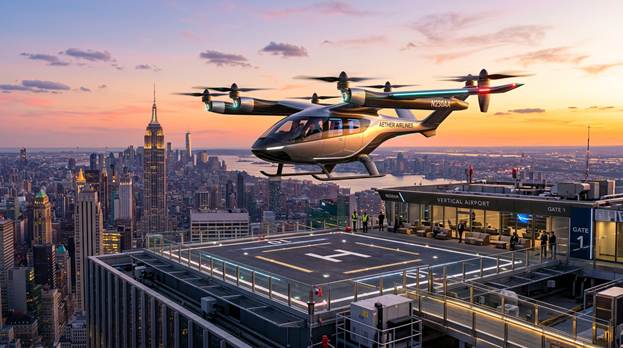
Companies like Joby Aviation and Archer Aviation have already moved past the "cool prototype" phase into rigorous type certification. The FAA’s new "powered-lift" category is the first completely new category of aircraft in decades, designed specifically to bridge the gap between helicopters and fixed-wing planes.
We aren't just looking at a few hobbyist drones. We are looking at a commercial vehicle market that is scaling for mass production. The timeline suggests that between 2026 and 2030, we will see the "Early Adopter" phase, where these vehicles operate in high-value corridors—think Manhattan to JFK or Dubai’s city center to its outskirts. Critical mass, where these vehicles become a primary mode of mid-range transit for the middle class, is likely targeted for the mid-2030s.
The Missing Links: What Still Needs to be Solved
While the aircraft themselves are reaching maturity, the ecosystem supporting them is still in its infancy. We are essentially building a 3D highway system while the cars are already driving on it.
The primary technical bottleneck remains energy density. While current batteries are sufficient for 20-to-50-mile hops, the "reserve" requirements mandated by the FAA mean these aircraft must carry a significant weight penalty in unused power just to ensure safety in an emergency. Until we see a breakthrough in solid-state batteries or hydrogen fuel cell integration, the range of these vehicles will remain limited to urban "puddles."
Furthermore, the manufacturing scale required for "critical mass" doesn't yet exist. Building a car is hard; building an aircraft to aerospace tolerances at automotive volumes is a challenge that even Tesla would find daunting.
The Elephant in the Sky: Noise, Traffic, and Control
This is where my inner analyst gets worried. We are focusing heavily on the "cool" factor of the vehicles and not enough on the "annoyance" factor of the infrastructure.
Noise Pollution: Proponents argue that eVTOLs are significantly quieter than helicopters. This is true, but it's a deceptive metric. A helicopter is a rare, loud event. A fleet of 500 eVTOLs buzzing like a swarm of giant bees over a residential neighborhood at 2:00 PM is a different kind of psychological torture. If we don’t solve the psycho-acoustics of these rotors, "Not In My Back Yard" (NIMBY) protests will grounded the industry faster than a mechanical failure.
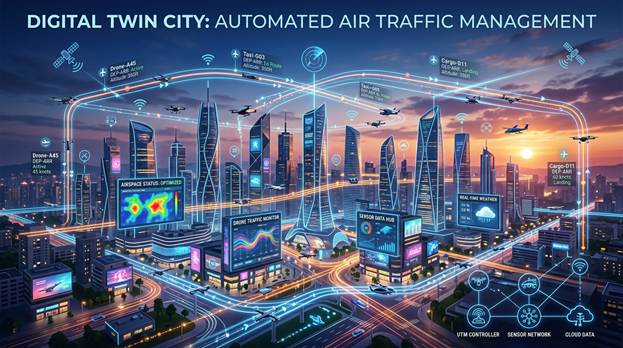
Air Traffic Control (ATC) Overload: Our current ATC system is human-centric and already strained. It cannot handle an influx of thousands of low-altitude cargo drones and passenger taxis. We need a fully automated, AI-driven Unmanned Aircraft System Traffic Management (UTM) system. This system must be hack-proof, low-latency, and capable of making millisecond decisions to avoid bird strikes or other aircraft. We are nowhere near a standardized, global deployment of such a system.
Changing the World Around Us
When these vehicles do reach scale, the impact on urban planning will be profound. For the last century, real estate value has been dictated by "walkability" or highway access. eVTOLs change the geography of wealth.
If you can commute 60 miles in 15 minutes for the cost of an Uber Black, the "suburbs" suddenly extend into rural areas. We will see the rise of "Vertihubs" in small towns, turning sleepy villages into bedroom communities for major metros. This could lead to a revitalization of rural America, but it could also lead to unprecedented urban sprawl, as the physical distance from a city center becomes irrelevant.
Logistically, the "last mile" delivery problem disappears. Cargo eVTOLs will bypass congested streets, delivering goods directly to rooftop distribution centers. The efficiency gains for companies like Amazon or UPS are staggering, but the impact on the truck driving industry—one of the largest employers in the country—will be disruptive and potentially painful.
What About the "Personal" Flying Car?
Everyone wants to know: when can I buy one? The short answer is: you probably can't, and you probably shouldn't.
While the FAA is opening doors for commercial operations, the "personal flying car" remains a regulatory nightmare. The liability alone of a private citizen piloting a three-ton flying battery over a populated area is a risk few insurance companies are willing to take.
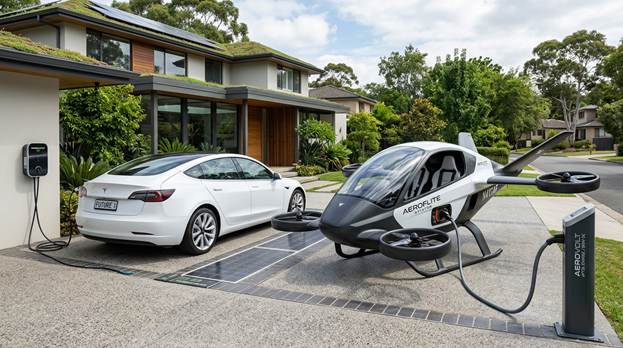
The future of the "personal" flying car is likely "Fractional Ownership" or "Flight-as-a-Service." Much like the shift we see in younger generations moving away from car ownership, the flying car will be something you summon via an app, not something you park in your garage. For the few who do buy them, they will likely be autonomous. The FAA is far more likely to trust a computer that doesn't get road rage or distracted by a text message than a human pilot with a "Private Pilot License" and a thirst for adventure.
Wrapping Up
The FAA’s 2026 milestone is a watershed moment for transportation. We are witnessing the birth of a new era that promises to reclaim the hours we lose to gridlock and revolutionize how goods move across the globe. However, the path from 2026 to "critical mass" is littered with more than just technical hurdles.
We must address the social and regulatory challenges of noise, automated traffic management, and the fundamental shift in how we perceive our "private" airspace. The technology is ready to fly; the question is whether our society is ready to look up and see a crowded sky. The science fiction of this summer is becoming the regulatory headache of tomorrow, and we need to start solving for the "swarm" before the first taxi ever leaves the pad.
Disclosure: Images rendered by Artlist.io
Rob Enderle is a technology analyst at Torque News who covers automotive technology and battery developments. You can learn more about Rob on Wikipedia and follow his articles on TechNewsWord, TGDaily, and TechSpective.
Set Torque News as Preferred Source on Google
Follow us today...