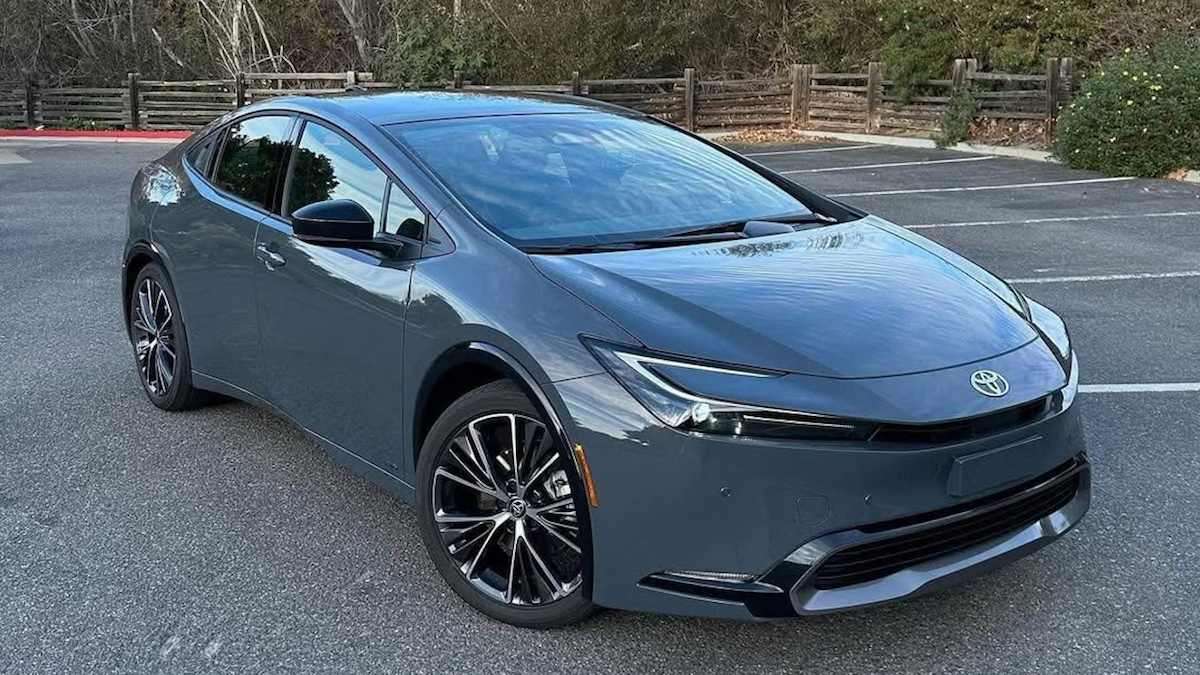

Engineering evaluations of the 5th-generation Toyota Prius confirm a significant efficiency delta by wheel diameter, with the 17-inch alloy configuration yielding up to 57 MPG combined, compared to 52 MPG on 19-inch XLE and Limited trims. Furthermore, Toyota has issued NHTSA Recall #26V-049, affecting approximately 141,286 vehicles in the U.S. for the 2023–2026 model years. This safety action addresses a defect where water intrusion, often from high-pressure car washes, can short-circuit the electronic rear door switches, potentially causing the doors to open unexpectedly while the vehicle is in motion.
In my 30 years of automotive reporting, I’ve analyzed how aerodynamic "aesthetic" shifts often compromise the utility established by predecessors like the Prius III. As noted in recent field data and technical specifications from Edmunds, the 5th-gen's 20.3 cu-ft cargo volume (in XLE/Limited trims) represents a significant reduction in vertical height compared to the 21.6 cu-ft of the 4th-gen. While the new 2.0L M20A-FXS hybrid engine offers a massive improvement in driving dynamics, the transition to electronic door handles is now the focus of the current 26V-049 recall, marking a departure from the mechanical simplicity that defined Toyota’s legendary reliability.
The technical "Achilles' heel" of the current platform remains the 12-volt auxiliary battery system. Unlike the 2014 Prius III, which utilized a simpler parasitic load profile, the 2023–2026 models maintain constant telematics connectivity via the DCM (Data Communication Module). This constant draw, combined with the smaller footprint of the factory-installed battery, has led to widespread reports of the "Dead 12V Club." Owners who leave vehicles parked for more than 72 hours are increasingly encountering depleted cells, a condition exacerbated by thermal cycling and seal degradation, as noted in the official NHTSA safety reports.
In my research into current hybrid ownership trends, I discovered a recent post shared in the Toyota Prius 5th Gen Club Facebook community where Rich Meychan highlighted growing concerns about the practical trade-offs of the newest redesign and the frustrating hurdles of daily life with a modern hybrid.
Rich says, “Now that the Gen-5 Toyota Prius has been out for a while, there seems to be a lot more cons (cargo space, 12 volt battery, 19" tires, no spare, etc.) than pros. But, I’m very happy with my 2023 XLE FWD and my 2014 Prius III!
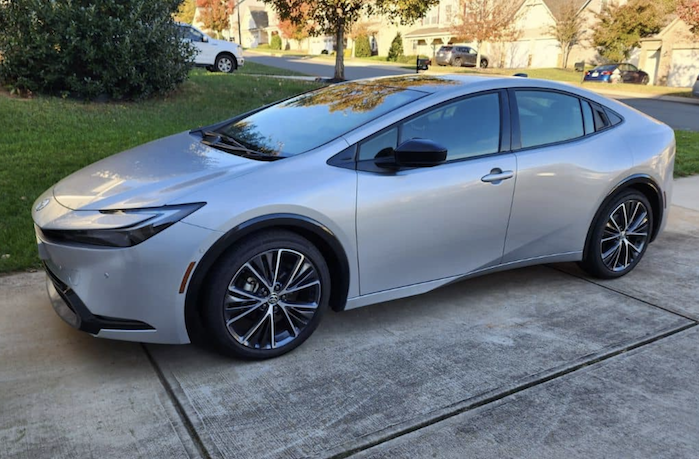
From My View:
I have spent three decades in the automotive industry, covering every major shift from the rise of the SUV to the birth of the hybrid revolution. After 30 years of testing everything from rugged Ram trucks to the most efficient Teslas, I can tell you that the 5th Generation Prius is the most beautiful mistake Toyota has ever made. Rich's driveway is currently a battlefield of logic versus emotion, housing both a legendary 2014 Prius III and a striking 2023 XLE FWD. One is a masterclass in daily utility; the other is a high-tech heartbreaker.
The reality is that while the new design turns heads, it also creates significant ownership headaches that veterans like Rich Meychan are starting to document in detail. For instance, expert reviewers at Car and Driver have noted that the fifth-gen Prius interior design creates a low roofline, clipping some headroom and reducing cargo capacity compared to its predecessors.
I have frequently seen how a shift toward aggressive styling can compromise the very features that made a model a success. I recently documented this exact struggle in my report, where a 2024 Toyota Prius Prime owner discovered that the sporty acceleration simply cannot compensate for the dead 12-volt battery and winter power loss issues that now plague the newest generation. It is a sobering reminder that for many of us, the "old" Prius reliability is becoming a distant memory as Toyota chases a new, more temperamental identity.
My Take: The Hidden Costs of Style
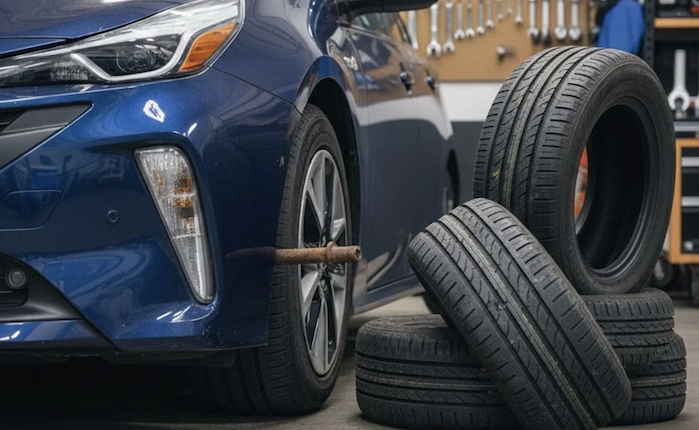
The "Industry Secret" here is that Toyota traded the Prius's identity as a "utilitarian appliance" for "curb appeal" to meet federal efficiency standards through extreme aerodynamics. This shift has led to the inclusion of 19-inch tires that look great but are a nightmare for the average owner’s wallet. Consumer Reports experts have highlighted that this sleek design compromises practicality and headroom, potentially affecting real-world efficiency.
I have tracked the growing frustration among owners who are stranded by these design choices. In my investigation into why 2026 Prius owners are being quoted $900 just for spare tire parts, it became clear that Toyota is prioritizing the bottom line over the "be prepared" mindset cherished by Prius loyalists. You pay $40,000 for a car, and yet you are left on the shoulder of the road with a bottle of sealant that cannot fix a sidewall tear.
The Achilles' Heel of the 5th-Gen
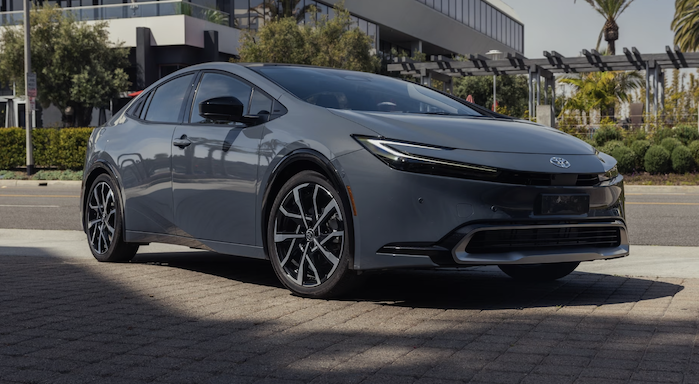
The most significant Achilles' heel of the 5th Generation is the 12-volt auxiliary battery system. Unlike older generations, who could sit for weeks, the new Prius never truly "sleeps" because of its constant connectivity. This parasitic draw is leading to what I call the "Dead 12V Club." I’ve documented cases of brand-new 2024 models leaving owners stranded with just 900 miles on the odometer due to these battery management flaws.
So why won't Rich be selling his 2023 XLE FWD?
Because, despite the cargo space being "heartbreakingly" small and the tires being expensive, the driving dynamics are a revelation. For the first time, a Prius feels like a driver’s car. It handles with precision that 2014 never dreamed of. He's choosing the "heart" over the "head," but doing it with eyes wide open and a lithium jump box in the trunk.
My Take:
After three decades of dissecting vehicle specs, I’ve learned that the most significant problems often hide in the fine print of a redesign. Rich Meychan’s assessment isn’t just an opinion; it’s a roadmap of the 2026 Prius ownership experience. Here is the technical reality of how the 2023–2026 models stack up against the legends of the past.
The Cons: The Cost of Curb Appeal
1. The 19-Inch Tire Trap: In my 30 years, I’ve rarely seen a practical car hobbled by its rubber like this. The 19-inch wheels use a rare 195/50R19 size. Not only are these susceptible to sidewall blowouts from minor potholes due to their slim 3.8-inch sidewall, but they are often backordered. Replacing a set can easily run you $800 to $1,100, whereas my 2014 Prius III uses standard 15-inch tires that cost half as much and are available at any corner shop.
2. The 12V Battery "Ghost" Drain: This is a high-tech heartbreak. The 5th Gen is "always on," communicating with the Toyota app and monitoring systems even when parked. I’ve reported on numerous "Dead 12V Club" owners who found their cars unresponsive after just three days of sitting. It’s a parasitic draw that the small auxiliary battery simply wasn't sized to handle for long durations.
3. The Missing Spare & Cargo "Stage": Toyota replaced the spare tire with a "fix-a-flat" kit to save weight, but as I always tell my readers, sealant won’t fix a sidewall tear on a 19-inch tire. Furthermore, the cargo floor is high and shallow, resulting in about 7 cubic feet of usable space lost compared to the cavernous Gen 3.
The Pros: Why You Stay
1. Next-Level Driving Dynamics: I’ll be honest, the 2014 drives like a refrigerator. The 2023 XLE, however, is a revelation. With its lower center of gravity and significantly more horsepower, it’s the first Prius that actually rewards a spirited driver.
2. Efficiency Meets Aesthetics: You’re getting 50+ MPG in a car that finally looks like it belongs in the future rather than a high-school science fair.
Key Takeaways
- The 19-Inch Tire Tax: These tires are rare, expensive, and susceptible to pothole damage.
- 12V Battery Hygiene: Do not leave the car sitting for more than 4 days without a battery tender or a portable jump starter.
- The Cargo Compromise: You lose significant vertical height in the hatch compared to a Gen 3 or Gen 4.
- No Spare, No Safety: Be prepared to spend roughly $500 to $900 if you want to add a real spare tire kit.
Field Observations from Owner Communities
The community feedback on these issues is vocal and widespread across platforms. One user on Reddit noted the severity of the situation, stating, "My 2023 never had issues until this year... given all the other reports I just said the hell with it and bought a good AGM battery instead of futzing around with Toyota," which you can read in the full discussion here.
Another owner highlighted the vulnerability of the new design, mentioning, "The cargo space is extremely limited; anything slightly bulky just won't fit," found in this Reddit thread.
A Flawed Masterpiece?
The 5th Generation Toyota Prius is a stunning achievement in design and performance, but it demands a different type of owner, one who values a "sexy" silhouette over the ability to haul a mountain bike or trust a 12-volt battery in a cold snap. While this owner's 2014 remains the practical king of the garage, the 2023 is the one that makes owners look back as they walk away in the parking lot. It is a flawed masterpiece, and as long as you carry a jump box and watch your cargo levels, it is a heartbreak worth having.
Tell Us About Your Prius: Have you experienced the "Dead 12V" issue, or are you struggling with the cost of 19-inch tires? Please leave a comment in the red Add new comment link below.
Denis Flierl is a 14-year Senior Reporter at Torque News and a member of the Rocky Mountain Automotive Press (RMAP) with 30+ years of industry experience. Based in Parker, Colorado, Denis leverages the Rockies' high-altitude terrain as a rigorous testing ground to provide "boots-on-the-ground" analysis for readers across the Rocky Mountain region, California EV corridors, the Northeast, Texas truck markets, and Midwest agricultural zones.
A former professional test driver and consultant for Ford, GM, Ram, Toyota, and Tesla, he delivers data-backed insights on reliability and market shifts. Denis cuts through the noise to provide national audiences with the real-world reporting today’s landscape demands.
Connect with Denis: Find him on LinkedIn, X @DenisFlierl, @WorldsCoolestRides, Facebook, and Instagram.
Photo credit: Denis Flierl via Rich Meychan
Set Torque News as Preferred Source on Google
Follow us today...