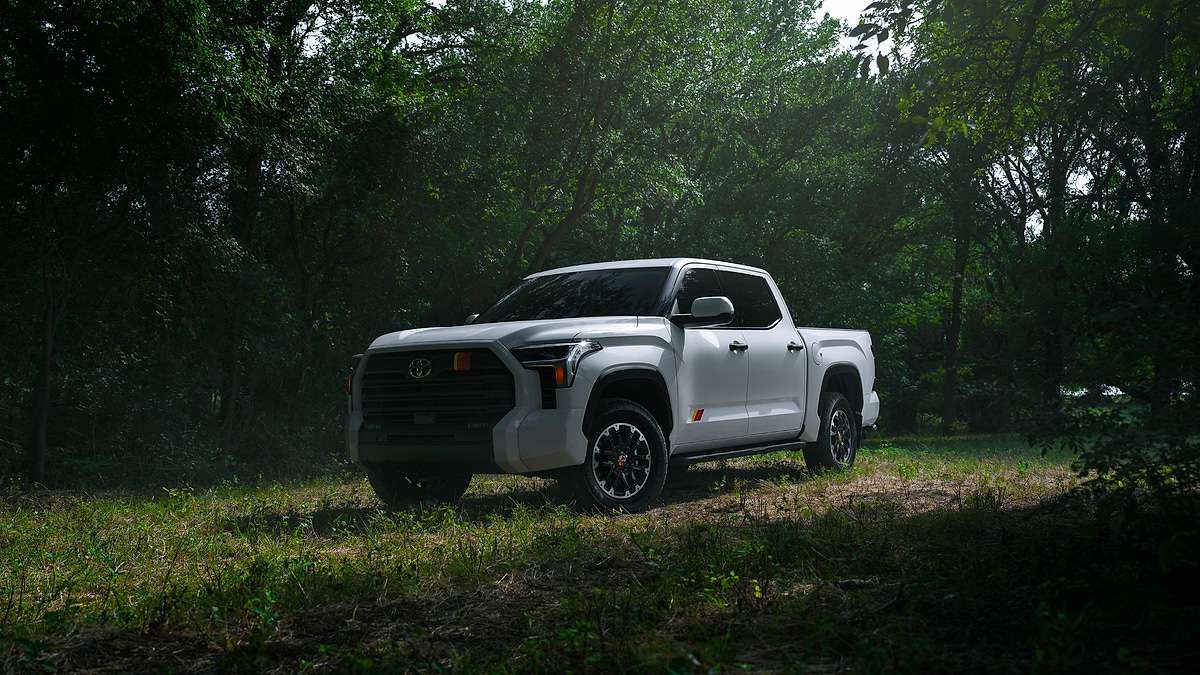

A 2024 Toyota Tundra TRD Sport owner, Nick Zef, discovered his truck's rear differential was failing at just 31,000 miles, despite reporting a "droning noise" to a dealership at 10,000 miles. The initial service advisor refused to inspect the differential "unless it broke," a policy that forced Zef to escalate the issue to a service manager who promptly initiated a warranty claim. The differential was found to contain significant metallic debris, confirming the early warning signs of a major component failure.
Toyota’s latest Tundra frequently experiences premature drivetrain wear and inconsistent dealer service, leaving owners navigating a bureaucratic maze for warranty repairs. The manufacturer's reluctance to address known issues proactively, coupled with frontline service staff dismissals, places an undue burden on customers who bought into Toyota's reputation for reliability.
"2024 Tundra trd sport 4x4 31k miles. Went in for scheduled maintenance and got my rear differential fluid changed. I alerted the service manager (who I will only use as a service advisor from now on) that it makes a droning noise on the highway, which I’ve seen in this group before. The pic below is what they found in the rear differential. I previously told a different service advisor this around 10k miles, and they said they wouldn’t inspect unless it broke. This is why I will tell everyone in this group to ONLY use the service manager as an advisor. The service manager put in a TAC claim with Toyota … waiting to hear back, but will get a new rear differential. I also previously went to a different service advisor for the TSB on the front brake squeal. They said I wasn’t covered. I told the service manager, he shook his head and got it taken care of for me, covered for free. It is very important that you use the service manager as an advisor. These problems would have continued had I not switched advisors to a service manager. Note: I love my truck, truly nothing bad to say about it."
Nick Zef's experience with his 2024 Tundra, where a service manager's intervention was necessary to address a known issue, reveals a disturbing trend: owners are being forced to become their own advocates against dealership policies that prioritize cost savings over customer satisfaction.
Toyota Tundra: New Generation Drivetrain Concerns
- The 2023-2026 Toyota Tundra introduced a new 3.4-liter twin-turbo V6 engine, replacing the long-running 5.7-liter V8, paired with a 10-speed automatic transmission. This powertrain was designed for improved fuel efficiency and towing capacity, with some models offering up to 12,000 pounds.
- Owners have reported a range of drivetrain issues, including a "droning noise" from the rear differential, often appearing before 30,000 miles. These issues frequently lead to full differential replacements, sometimes multiple times, indicating a persistent manufacturing or design defect.
- The Tundra's warranty covers the powertrain for 5 years or 60,000 miles, whichever comes first, but owners often report difficulties in getting dealerships to acknowledge and address issues within this period. This puts pressure on owners to document problems thoroughly and advocate forcefully for repairs.
- The truck's curb weight ranges from approximately 5,080 to 6,185 pounds, and its maximum payload capacity can reach 1,940 pounds. The strain of these operational parameters on a potentially undersized or improperly manufactured differential could contribute to premature wear and failure.
The "don't inspect unless it breaks" stance on a differential noise, especially one reported at 10,000 miles, is an unacceptable deferral of responsibility. It pushes a potential warranty claim closer to, or even beyond, the warranty expiration, shifting the financial burden onto the consumer. This isn't service; it's calculated risk management by the dealer, at the owner's expense.
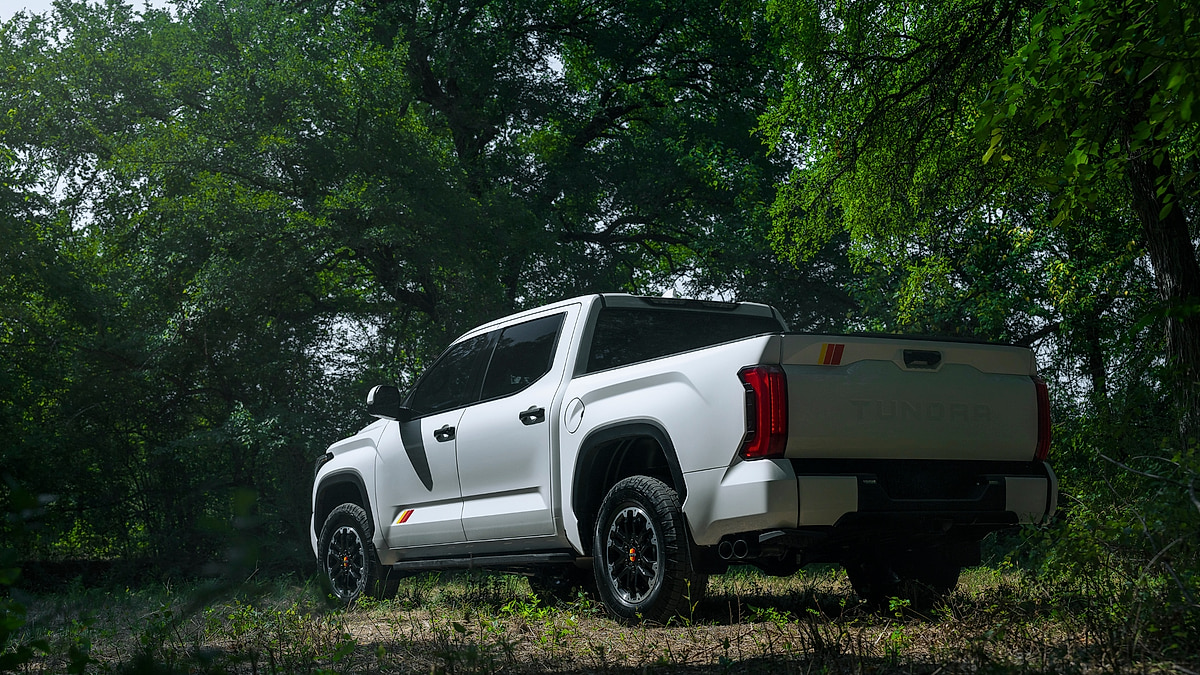
Zef also had to fight for a front brake squeal TSB (Technical Service Bulletin), indicating inconsistent application of known fixes. TSBs are issued by the manufacturer to address common problems that aren't safety recalls but still affect vehicle performance or owner experience. For a service advisor to deny coverage on a TSB indicates either a lack of training, a deliberate attempt to minimize warranty claims, or both.
This problem extends beyond one truck or one dealership. The comments on Zef's post reveal a pattern of widespread and repeated rear differential failures in the 2023-2026 Tundra. Matthew Amodeo, for example, states plainly, "I had 4 rear end replacements, they finally bought it back." Four replacements on a single vehicle before a buyback is not merely a defect; it's a fundamental design or manufacturing flaw that Toyota has failed to rectify across multiple attempts. This suggests that the replacement differentials are either identical to the original flawed units or that the underlying cause, perhaps an alignment issue or an inadequate lubrication system, is not being addressed.
Alex Johnson's comment, "I have had mine replaced twice, and I hear the noise coming back again….. Currently in lemon law process!" reinforces the severity and persistence of the problem. When owners are forced into lemon law proceedings for a core drivetrain component, it signals a complete breakdown in the manufacturer's quality control and warranty fulfillment. These aren't minor inconveniences; these are major mechanical failures that render a truck unreliable and diminish its value, often leaving owners without transportation for extended periods during repairs.
Andrew Whitaker, presumably a service manager, offered a counterpoint to Zef's advice, stating, "You don’t want the service manager to put in a TAC claim…. TAC is Toyota Auto Care and is a prepaid maintenance package, and they won’t do anything with a differential." This comment is critical. If Zef's service manager did indeed file a claim under "Toyota Auto Care," that would be a miscategorization, as TAC is for routine maintenance, not major component failures. This could lead to delays or denials, further complicating the owner's situation. It also shows the internal confusion or miscommunication within the dealership system regarding proper claim procedures for significant warranty issues.
Whitaker's broader point about the service manager's role, that they are too busy for routine issues and delegate to Assistant Service Managers (ASMs), reveals the very problem Zef identified. While ASMs are important for daily operations, the fact that owners feel they must bypass them to get critical issues addressed exposes a flaw in the dealership's structure. If ASMs are not empowered or knowledgeable enough to handle warranty claims for known Tundra issues, then the system is designed to fail the customer. It forces owners to become experts in dealership hierarchy and internal politics just to get their vehicles fixed.
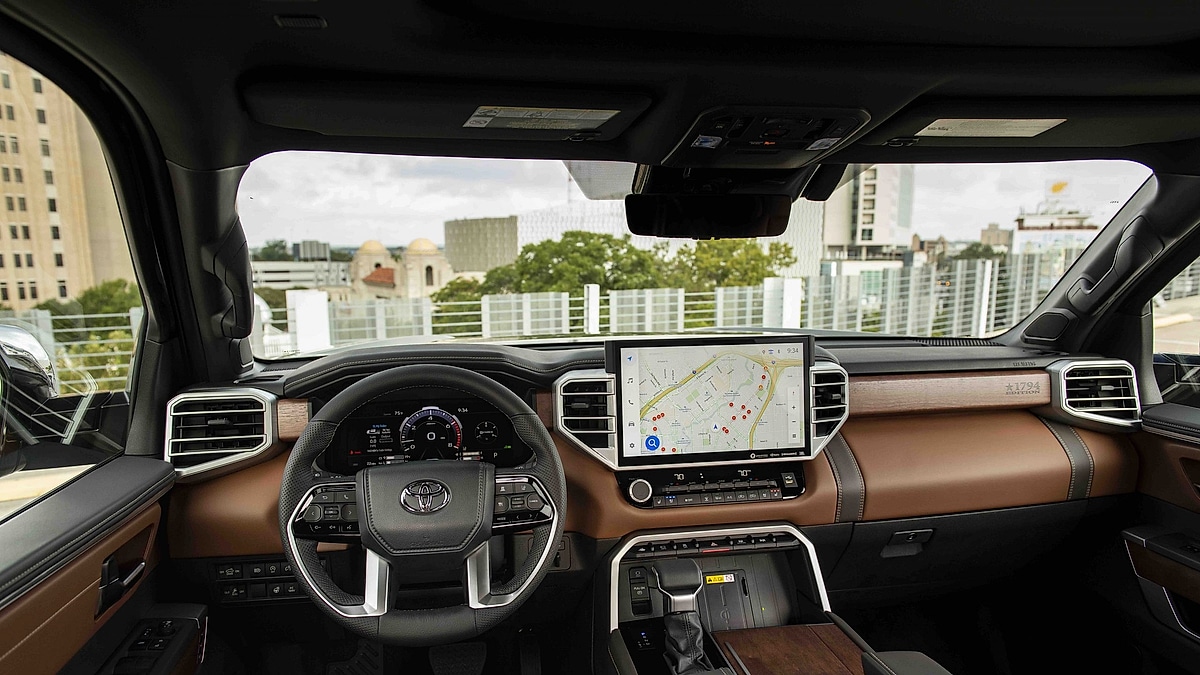
The repeated rear differential failures in the 2023-2026 Toyota Tundra, coupled with inconsistent and often dismissive dealership service, represent a significant departure from Toyota's long-held reputation for quality and reliability. Owners are not just dealing with a defective component; they are battling a system that seems designed to minimize warranty costs at the expense of customer trust and satisfaction. The evidence from multiple owners points to a fundamental engineering flaw that Toyota has yet to adequately address, and until they do, new Tundra buyers should be prepared for potential drivetrain issues and the arduous process of securing proper warranty service.
Image Sources: Toyota Media Center
About The Author
Noah Washington is an automotive journalist based in Atlanta, Georgia, covering sports cars, luxury vehicles, and performance culture. His reporting focuses on explaining the engineering, design philosophy, and real-world ownership experience behind modern vehicles.
Noah has been immersed in the automotive world since his early teens, attending industry events and following the enthusiast communities that shape how cars are built and driven today. His work blends industry insight with enthusiastic storytelling, helping readers understand not just what a car is, but why it matters.
Noah is also a member of the Southeast Automotive Media Association (SAMA), a professional organization for automotive journalists and industry media in the Southeast.
His coverage regularly explores sports cars, luxury vehicles, and performance-driven segments of the automotive industry, including the evolving culture surrounding Formula Drift and enthusiast builds.
Read more of Noah's work on his author profile page.
You can also follow Noah here:
Set Torque News as Preferred Source on Google
Follow us today...