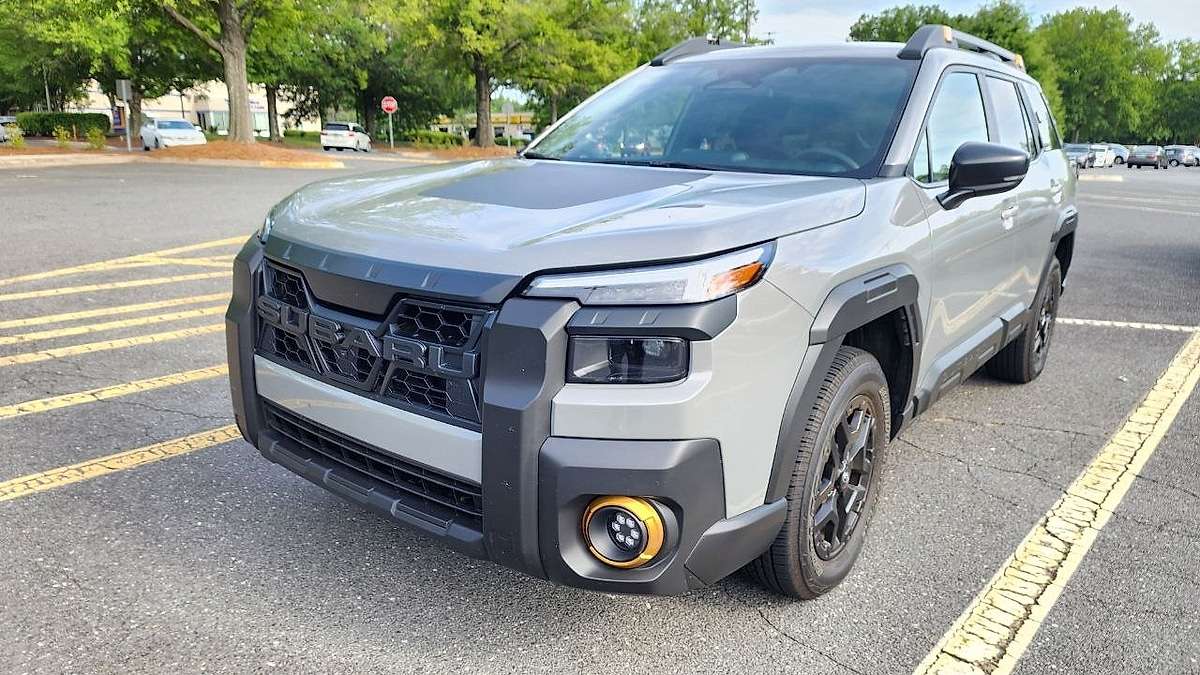

Subaru gave the 2026 Outback Wilderness two more cubic feet of cargo space, and at first glance that sounds like a spec sheet flex. It is not. After spending seven days in this off roader on a trip from Charlotte, North Carolina to near Richmond, Virginia and back, I can tell you Subaru built that extra room for a reason, and the reason says a lot about how families actually live. If you have followed our seven day review of the 2025 Outback Touring XT, you know I put real miles on these before I write a word, and the same goes for our week long test of the 2026 Outback Limited XT in Charlotte.
This is not a story about Subaru chasing a bigger number for a brochure. The Outback has quietly become five vehicles in one. It is a commuter Monday through Friday. It is a family SUV on the school run. It is a road trip machine on a Friday afternoon escape. It is a camping rig on a Saturday morning. And it is a light off roader when the pavement runs out. When one nameplate has to wear that many hats, every inch of cargo space matters more than it ever has.
Before I go further, here is a question worth sitting on while you read this. If your family currently owns two vehicles, one for hauling gear and one for daily driving, could a single Outback Wilderness actually replace both. Keep that question in mind, because I want you to answer it in the comments section once you finish this review. I think the answer surprised me, and it might surprise you too.
Why The 2026 Subaru Outback's Cargo Number Actually Matters This Time
The 2026 Outback Wilderness now offers 34.6 cubic feet behind the rear seats and 80.5 cubic feet with those seats folded down. The 2025 model gave you 32.6 and 75.6 cubic feet. That gap may look small on paper. On a real trip it is the difference between gear sliding around loose and gear sitting flat and secure. Subaru has chased this title before, and as we noted when we covered how the refreshed Outback still beat its competition in cargo space, this nameplate has built its reputation on hauling capacity that punches above its size.
What changed is the shape behind that number. The new boxier rear end is not just visual drama. It is wider, taller, and squared off in a way that lets duffel bags and coolers stack instead of wedge. We have written before about how the Outback's roomy cargo bay made it a favorite for camping, and the same logic that landed it on lists of the best adventure vehicles you can buy applies even more strongly now.
The Boxy New Look That Has Owners Talking
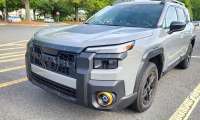
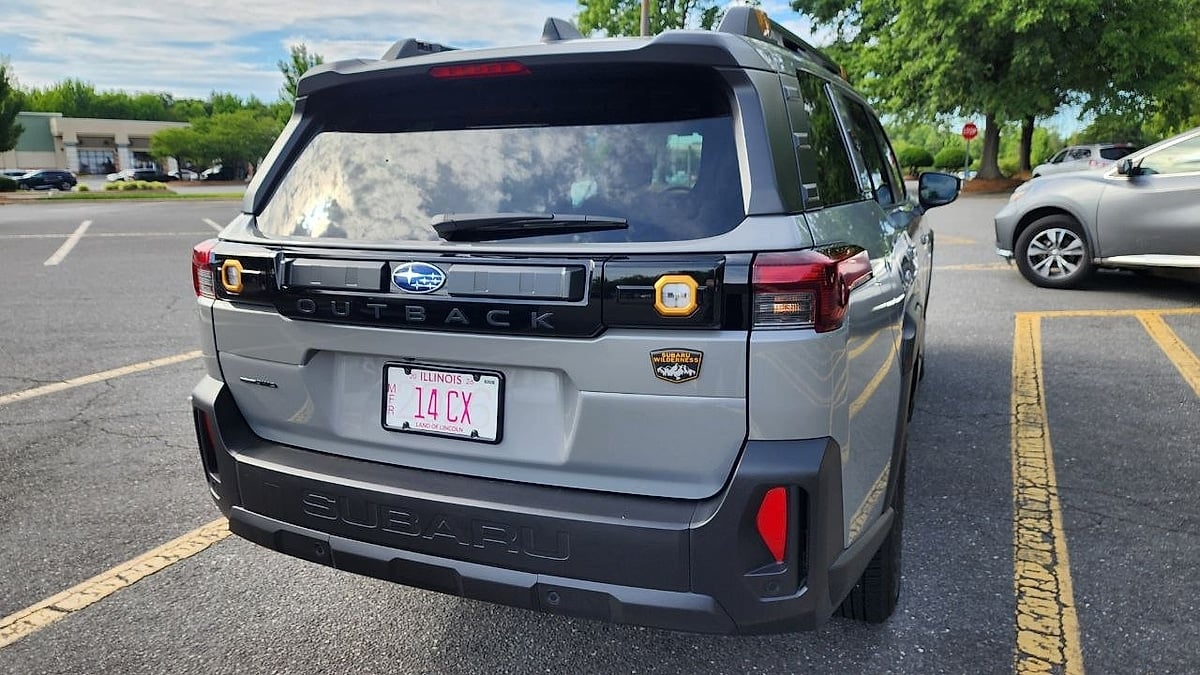
You cannot talk about the 2026 Outback Wilderness without talking about the exterior first, because nobody else is talking about anything else. Subaru ditched the long roof wagon profile for a more upright, traditional SUV shape with squared off fenders and heavier cladding. Some longtime owners are not happy. We covered this reaction directly when one owner said the redesigned 2026 Outback looks just like every other SUV out there, and that sentiment is not rare.
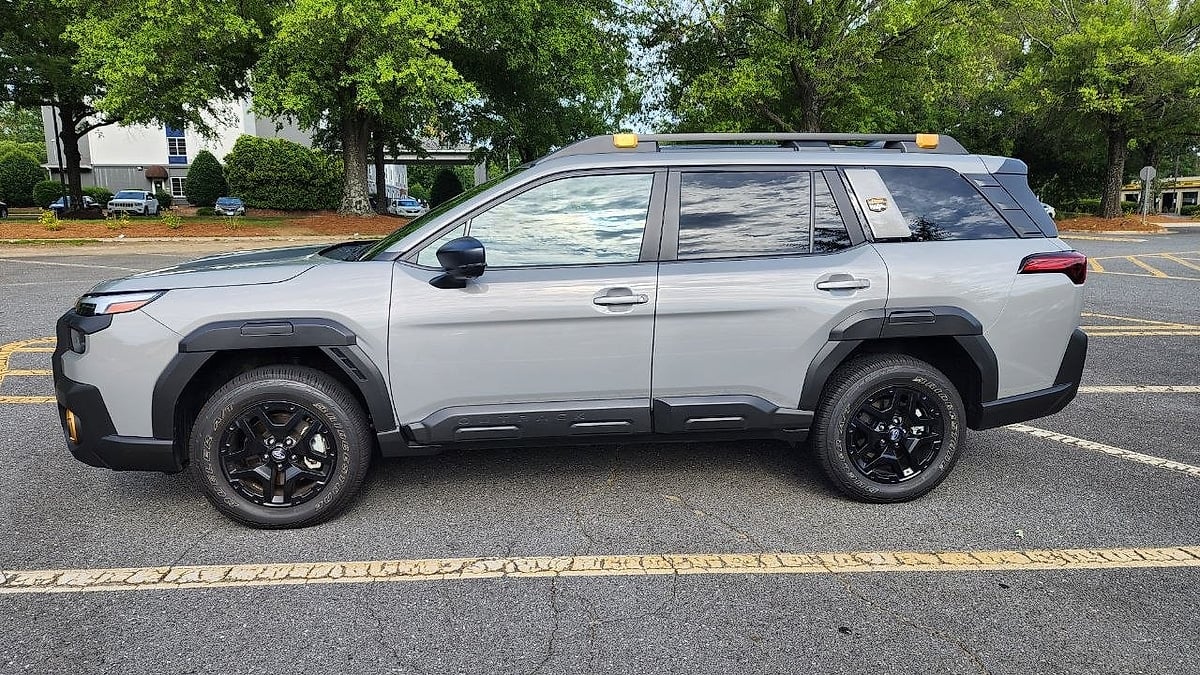
I understand the frustration, but I also think the criticism misses the point. A taller, boxier shape is what made the extra cargo room possible in the first place. You cannot have the practical gains without the visual change that delivers them. After my week with it, the look grew on me. It reads rugged in person in a way that photos do not capture, and that is an unexpected reaction for someone who liked the old wagon silhouette as much as I did.
Engine, Transmission, And How Much Power You Actually Get
The 2026 Outback Wilderness comes standard with Subaru's 2.4 liter turbocharged boxer four cylinder, the same strong engine that has become the highlight of the entire Wilderness lineup. It makes 260 horsepower and 277 pound feet of torque, numbers that translate into real, usable passing power on two lane roads rather than just bragging rights on a spec sheet. That torque shows up low in the rev range, so you are not waiting around for a kickdown every time you need to merge or climb a grade, which matters a lot when you are hauling a full load of kids, gear, and a cooler like I was on my drive to Richmond.
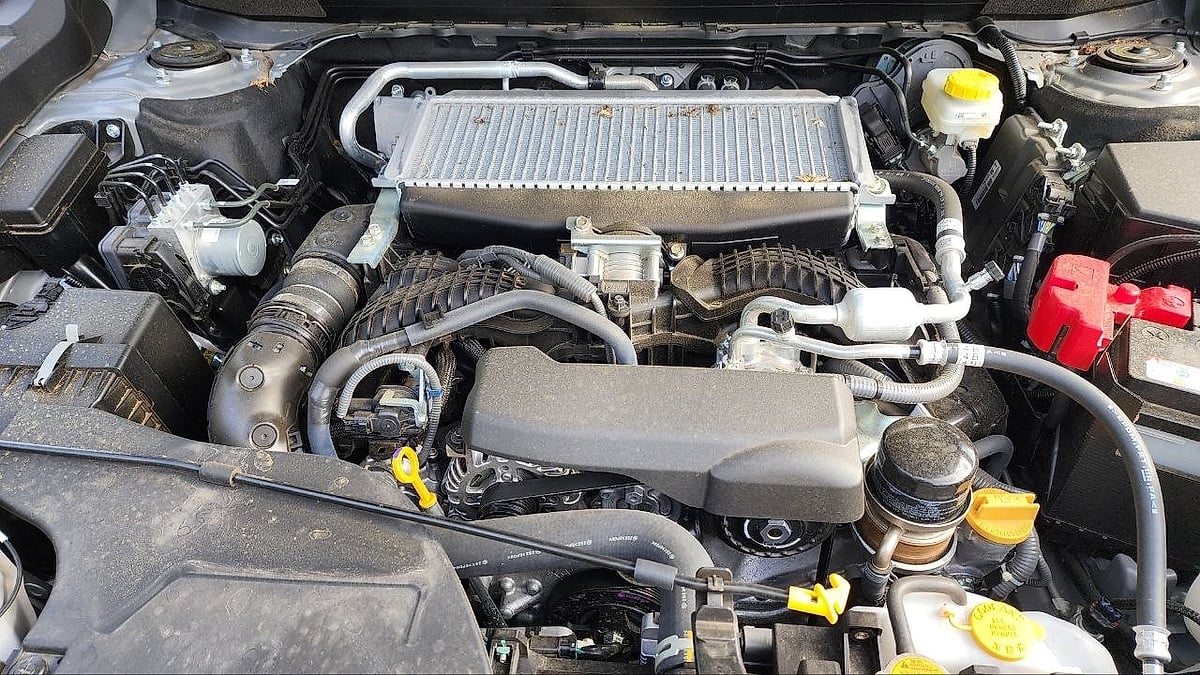
This is the same engine we praised when comparing it against the rest of the Subaru Wilderness family, where we noted the Outback Wilderness simply has the line's best engine of any Wilderness model, and nothing about my week with it changed that opinion. Power runs through a continuously variable transmission, Subaru's familiar CVT, paired with standard Symmetrical All Wheel Drive. The CVT itself is tuned to feel more eager than past versions, with quicker, more confident response when you ask for a passing burst rather than the rubber band feeling some CVTs are known for. It is not a traditional automatic, so purists who want distinct gear shifts will notice the difference, but for daily driving and highway cruising it disappears into the background, which is exactly what most family buyers want.
Towing capacity with this engine and transmission combination reaches 3,500 pounds, enough for a small camper, a couple of jet skis, or a light utility trailer, a number we detailed in full when we tested the 2025 Outback Touring XT and its towing capability, since the Wilderness shares the same drivetrain. After 15 years testing nearly every Subaru this brand has built, I can say this turbo and CVT pairing remains the single best reason to choose the Wilderness trim over a base Outback, even before you factor in the off road hardware.
Interior And Infotainment, Where Subaru Listened
Inside, the cabin gets a new 12.1 inch touchscreen, up from 11.6 inches, and a fully digital instrument cluster. More importantly, Subaru brought back physical knobs for climate control. After years of buried touchscreen menus across the industry, this is the right move. You should not need to look away from the road to adjust the fan speed. The infotainment overhaul here echoes what we praised when comparing the Wilderness lineup, where we noted the Outback Wilderness carries the line's best engine, infotainment, and standard equipment of any Subaru Wilderness model.
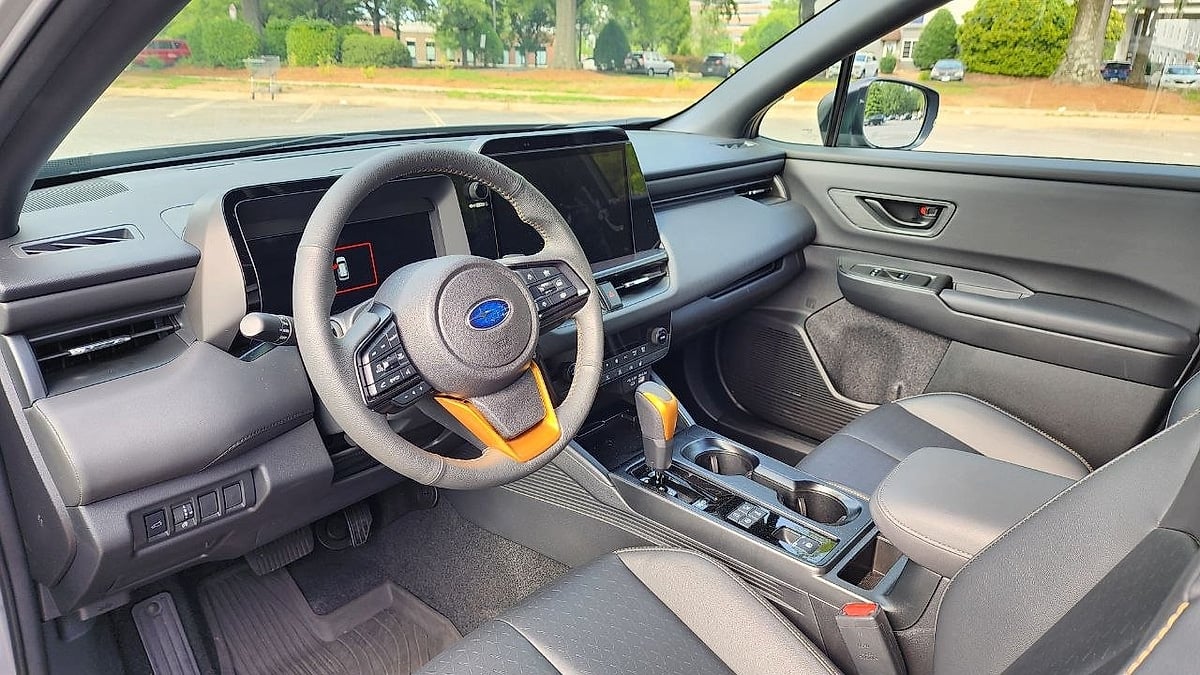
Storage is the other quiet win. Door pockets are wide enough for a large water bottle without rattling, and the center console swallowed everything my kids handed me on the drive to Richmond, snacks, tablets, charging cables, all of it. This is the kind of detail that does not show up in a press release but shows up constantly on a real road trip.
Second Row Space For Real Families
The back seat is where this Outback earns its family SUV title. Legroom is generous, the seats sit at a comfortable height for boosters, and the windows are large enough that my kids could actually see out, which matters more than people realize on long drives. This is consistent with what made the Outback a perennial pick in family vehicle rankings, and you can see why it earned recognition as one of the best two row SUVs for families when we covered why Kelley Blue Book named the Outback its top family SUV pick.
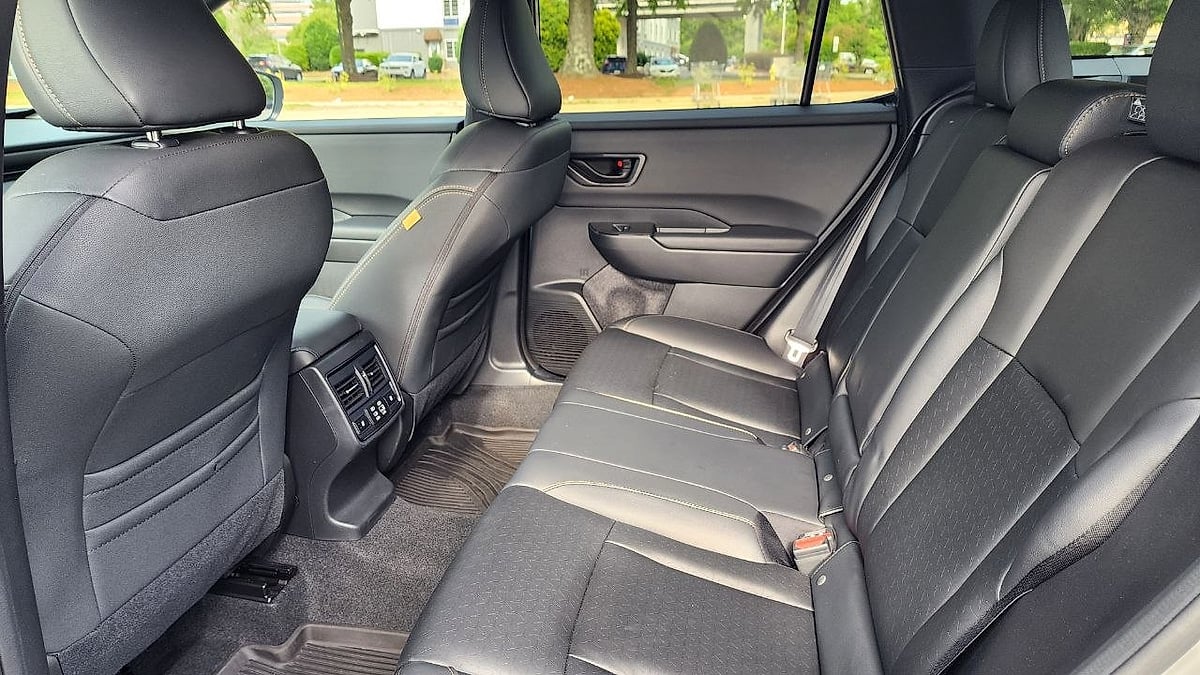
What surprised me most was how unlikeable the previous generation's rear visibility felt by comparison once I spent real time in the new one. The taller glass and flatter roofline in back open the cabin up noticeably. After fifteen years testing family vehicles for a living, that kind of difference rarely shows up until you load three kids in for a real trip, and this one passed that test easily.
Cargo Space, The Whole Reason We Are Here
This is the heart of the story. Subaru did not chase 34.6 cubic feet to win a spec war. They chased it because the Outback Wilderness has to swallow strollers and soccer bags on Tuesday, then camping gear and a cooler on Saturday, often without anyone unpacking in between. The wider, boxier cargo floor handles both jobs without complaint. On my own trip, two duffel bags, a cooler, and a stroller fit with room left for groceries on the way home, something that would have required careful Tetris stacking in the old shape.
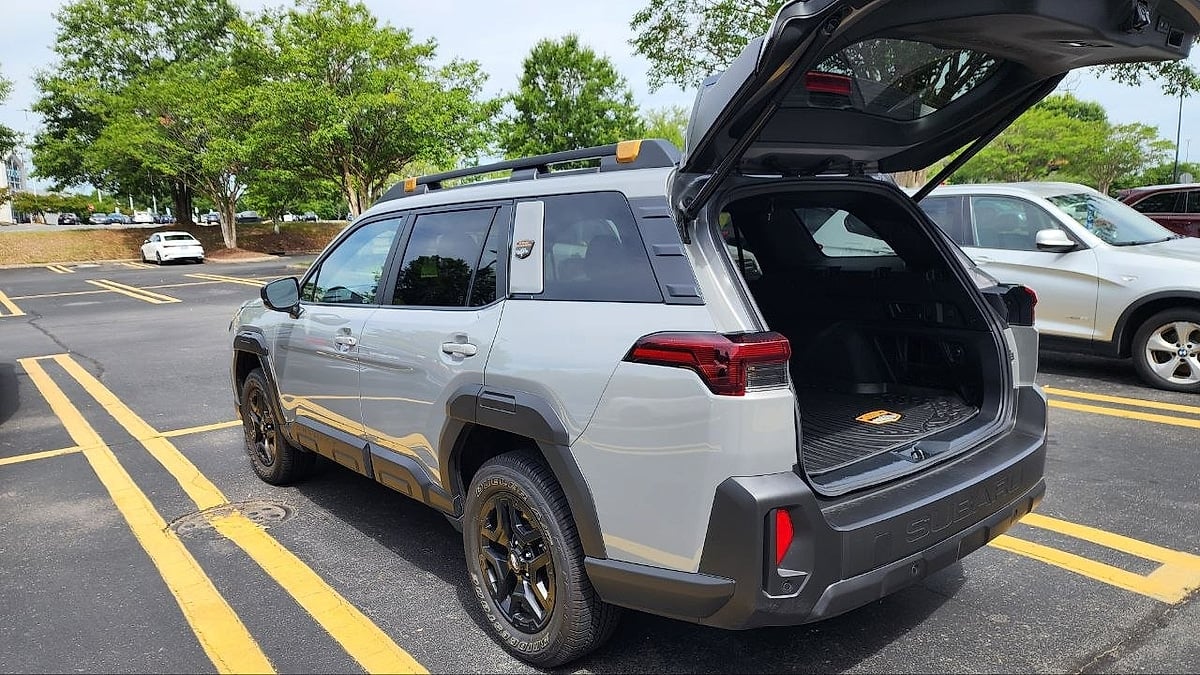
We have tracked this evolution for years, including when we asked whether the Forester or Outback made the better camping vehicle, and the Outback's longer cargo floor has consistently been the deciding factor for families who actually sleep in their vehicles or haul gear for a living. The 2026 model just made that advantage bigger.
How It Handles The Road And The Dirt
The 2026 Wilderness introduces electronically controlled dampers that sync with Subaru's X MODE system. The result is noticeably less body roll on curvy roads and a smoother ride over washboard surfaces, two things that used to fight each other in the old Wilderness. Subaru also fitted a quicker, more responsive steering rack, which makes the Outback feel more composed at highway speed than its predecessor ever did.
The tire choice is the one place I have real reservations. Subaru swapped the previous Yokohama Geolandar all terrain tires for Bridgestone Dueler all terrain rubber, and not everyone is thrilled about that change. We dug into this directly in our report on the tire issue Outback Wilderness owners keep talking about, and the concern is fair. On pavement they were composed and quiet. Off pavement, on loose gravel near Richmond, I noticed less bite than I expected from a tire wearing a Wilderness badge.
Here is the pressing problem and the fix I would suggest. If you plan to spend real time off pavement, budget for a more aggressive all terrain tire down the road. The chassis, suspension, and X MODE software here are genuinely excellent. The factory tire is the one component holding back the experience, and that is an easy thing to upgrade once the stock set wears down.
Other Questions Buyers Keep Asking
Readers searching for this vehicle usually want to know if it can tow a small camper. The standard Outback platform supports up to 3,500 pounds with the turbocharged engine, which we detailed when we reviewed the 2025 Outback Touring XT and its towing numbers, and the Wilderness shares that same drivetrain. People also ask about rooftop tents, since the Wilderness trim has long supported them, a topic we covered in depth in our guide on how to set up a rooftop tent on a Subaru Outback.
What This Outback Wilderness Actually Costs
My test vehicle carried an as tested price of $48,885. That number includes the optional package most buyers will want, since it adds the bigger 12.1 inch screen, the surround view camera, and the leather trimmed seating. It is not a cheap Outback, but it sits right in line with what we have seen across this generation, the same way pricing crept up when we tested the 2025 Outback Touring XT.
Fuel economy lands at 23 MPG combined, with 21 city and 27 highway. That is a reasonable number for a turbocharged, all wheel drive SUV that can also crawl through mud, and it tracks closely with what we measured testing other Wilderness trims for the family camping crowd we wrote about when comparing the Outback and Forester for camping duty. On my own drive to Richmond and back, mixed highway and stop and go traffic through Charlotte, I landed close to the EPA estimate, which is more than I can say for some past Subarus I have tested.
Should You Buy Now Or Wait
This is the question I get asked the most right now, and I do not think there is one right answer for every buyer. If styling matters to you as much as function, the outgoing wagon shaped Outback is likely to hold its value better in the used market simply because that look is going away for good. We have already seen owners voice that exact worry, including the reaction we covered when one driver said the new 2026 model looks just like every other SUV out there.
If your priority is the extra cargo room, the smoother ride from the new dampers, and the upgraded tech inside, waiting does not make sense. Those improvements are real, and you feel them the first day you drive it. My advice after a week behind the wheel is simple. Buy the older shape now if the look matters to you and you want to lock in resale value. Buy the 2026 Wilderness now if you want the most capable, most livable Outback Subaru has ever built, because early production usually means longer waits and thinner discounts once demand catches up.
The Competition, And Where The Outback Wilderness Wins
The Honda Passport TrailSport and Ford Bronco Sport Badlands both get mentioned constantly in this segment, and both are good vehicles. Neither matches the Outback Wilderness's blend of car like fuel economy, standard all wheel drive, and genuine cargo room in one package. The Toyota RAV4 and Hyundai Santa Fe trade some off pavement ability for size, but they cannot match the Outback's combination of ground clearance and family practicality in daily use.
AutoGuide spent real time behind the wheel and landed on a similar takeaway, noting that once you accept the Outback is now positioned as a midsize SUV rather than a wagon, it becomes a solid product for families regardless of shape or style. I agree completely, and after fifteen years covering this industry, I think that shift in framing is exactly what most buyers need to make peace with the new look.
The Moral Of This Redesign
The lesson here is simple. Good design solves a problem you did not know you had until you live with the fix. Subaru did not add two cubic feet of cargo space to win an argument on a spec sheet. They added it because real families needed a single vehicle to do five jobs well, and that takes humility from an automaker willing to change a beloved shape to make daily life easier for the people actually buying it.
So here are my two questions for you. First, would you trade the classic Outback wagon look for this much extra cargo room and a smoother ride. Second, if you already own a Wilderness trim, has the new tire choice changed how confident you feel taking it off pavement. Drop your answers in the comments section below. I read every one of them, and I will be back with more updates from this Outback Wilderness as the week goes on.
Return tomorrow, or check our Torque News Home Page for more interesting automotive news articles.
Images by Armen Hareyan.
About The Author
Armen Hareyan is the founder and Editor-in-Chief of Torque News and an automotive journalist with over 15 years of experience writing car reviews and industry news. Now based in the Charlotte region (Indian Land, SC, he founded Torque News in 2010, which since then has been publishing expert news and analysis about the automotive industry. He can be reached at Torque News on X, Linkedin, Facebook, and Youtube. Armen holds three Masters Degrees, including an MBA, and has become one of the known voices in the industry, specializing in the landscape of electric vehicles and real-world stories of actual car owners. Armen focuses on providing readers with transparent, data-backed analysis bridging the gap of complex engineering and car buyer practicality. Armen frequently participates in automotive events throughout the United States, national and local car reveals and personally test-drives new vehicles every week. Armen has also been published as an automotive expert in publications like the Transit Tomorrow, discussing how will autonomous vehicles reshape the supply chain, and emerging technologies in vehicle maintenance.
Set Torque News as Preferred Source on Google
Follow us today...