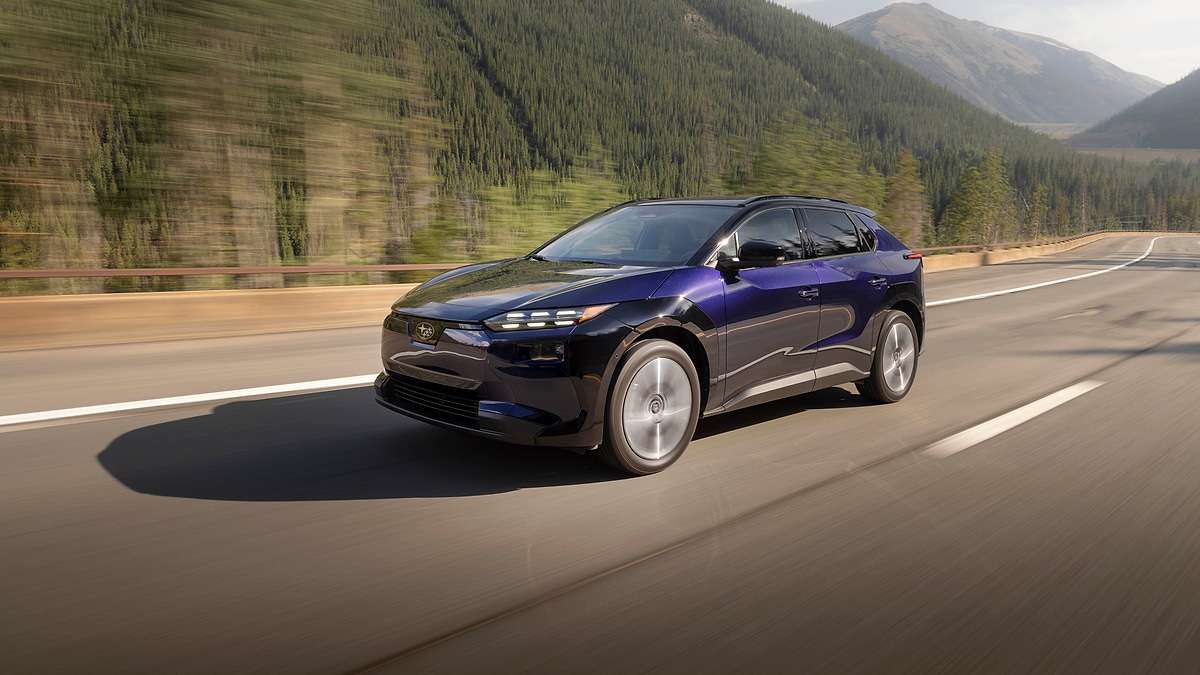

A Subaru owner brought a nearly new 2026 Solterra in for a software update and left with a bigger problem than the one on the service ticket.
The owner says the car allegedly went in for software update 2222. After the visit, the odometer showed nearly 20 extra miles. The service paperwork listed 2 miles. Nobody documented a long road test. Nobody told the owner that two technicians had taken the car out for almost half an hour. The explanation arrived later, after questions started: the vehicle had supposedly been driven to verify the concern, then driven again to confirm the repair. The dashcam told a messier story.
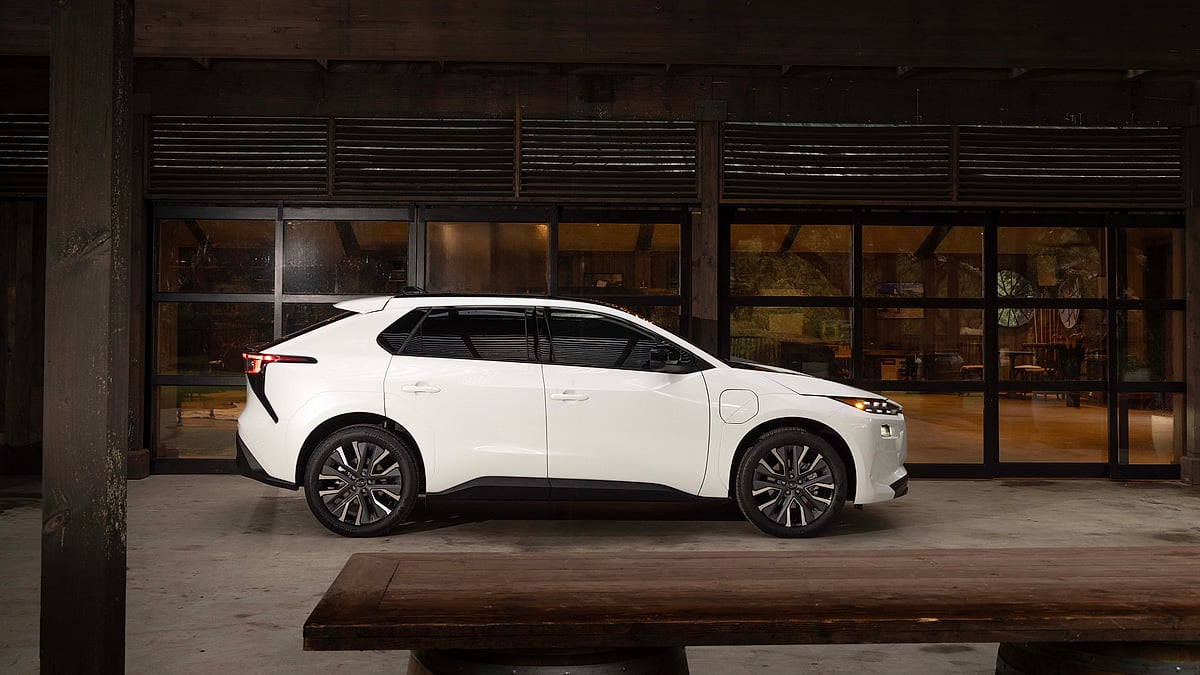
According to the owner, the footage showed one extended drive with two techs inside, not two separate test drives. The audio allegedly captured them talking about “dirtying my car,” disabling safety settings, playing with power mode and X-Mode, talking about how quick the car felt, and generally treating the cabin like a borrowed toy instead of a customer’s new EV.
A Few Things Worth Knowing About The 2026 Subaru Solterra
- The 2026 Subaru Solterra is Subaru's most heavily updated EV yet, with an estimated range of up to 285 miles.
- Unlike many Subaru models that share platforms with gasoline vehicles, the Solterra rides on a dedicated EV architecture co-developed with Toyota.
- The Solterra measures roughly 184.6 inches long and 73.2 inches wide, placing it in the heart of the compact electric SUV segment.
Then the owner noticed the Solterra pulling to the right.
Another Subaru dealership performed an alignment on the Solterra.
That is the sentence that turns this from annoying into serious.
The Mileage Discrepancy Is The Part Subaru Should Care About First
A 20-mile test drive can be legitimate in the right situation. Intermittent noises, driver-assistance faults, calibration checks, brake concerns, drivability complaints, and post-repair verification can all require road time. Customers may not love it, but a documented test route with a clear purpose is part of real diagnosis.
This case looks different because the paperwork reportedly said 2 miles.
That gap does real damage. If the dealership believed a longer road test was necessary, the repair order should have reflected it. If the update required verification under specific driving conditions, the advisor should have said so. If two techs needed to road-test the vehicle, the customer deserved accurate mileage in and out.
A service invoice is not decoration. It is the customer’s record of what happened to the vehicle while it was out of their control.
Nearly 20 miles on a new EV will not destroy the car. The mileage itself is small. The undisclosed mileage is the problem. The customer starts wondering what else was left off the page.
Dashcams Changed The Service Lane Forever
Dealerships used to control most of the story.
A customer dropped off a car, signed the paperwork, waited for the phone call, and picked the car up later. Maybe the odometer looked different. Maybe the seat was moved. Maybe the radio station changed. Unless the damage was obvious or the mileage jump was extreme, the owner had little evidence. Dashcams changed that balance.
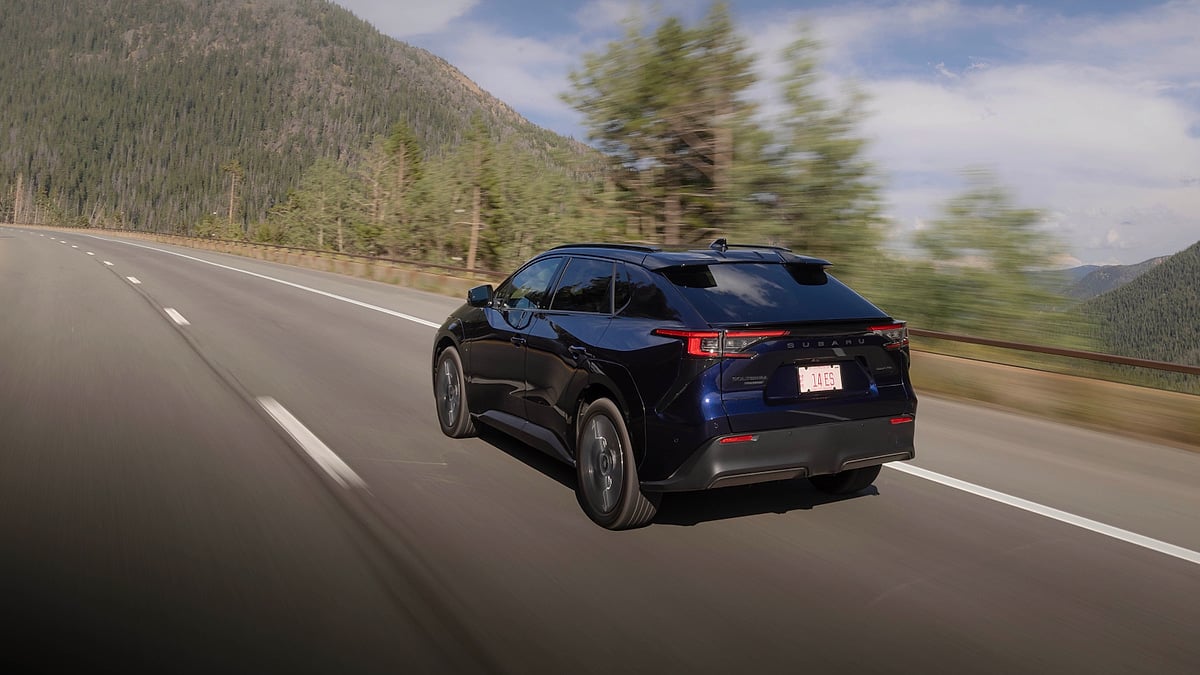
A modern dashcam can show where the car went, how long it was driven, what was said in the cabin, whether safety systems were disabled, whether the driver accelerated hard, whether the techs stopped somewhere unrelated, and whether the customer’s car was treated with basic respect. That does not mean every technician is guilty or every customer suspicion is fair. It means service departments now operate in a world where casual behavior can become a public record.
That should make good dealerships better.
It should also make sloppy ones nervous.
The Solterra owner says reviewing the footage was tough. I understand why. Most owners do not expect a sterile laboratory experience at a dealer. They do expect the people inside their car to remember that the car belongs to someone else.
The Comment About Dirtying The Car Matters More Than It Looks
A technician can have a bad joke in a customer vehicle and still fix the car correctly. Nobody should pretend every offhand line is a corporate scandal.
This one lands poorly because it touches the exact nerve the owner already felt: loss of control.
The car was new. The mileage was disputed. The paperwork did not match the odometer. The footage allegedly showed techs fiddling with settings and talking about the car’s performance. Then the owner says the car needed an alignment elsewhere.
Under those conditions, “dirtying the car” stops sounding like banter. It sounds like confirmation that the customer was right to feel disrespected.
This is where dealership trust can collapse quickly. Customers may forgive a repair that takes too long. They may forgive a software update that requires a second visit. They may forgive a road test if someone explains it. They do not forgive feeling mocked from inside their own cabin.
The Alignment Follow-Up Makes The Story Harder To Brush Off
The owner says the Solterra was pulling to the right after the visit and took it immediately to another dealership, where an alignment was performed.
That does not prove the first dealership caused the alignment issue. A car can leave the factory slightly off. A tire can meet a pothole. A new vehicle can need an adjustment. The second dealer’s alignment does not automatically turn the 20-mile drive into abuse.
It does raise the stakes.
If a customer notices a new pull right after an undocumented drive, the dealership’s response needs to be careful, specific, and written. The service manager should want to understand the timing. Ask for the dashcam footage. Pull the technician notes. Compare mileage. Review the repair order. Document the customer’s concern. Explain what the software update required. Explain why the mileage entry was wrong.
A vague explanation will not work here.
The owner is no longer asking, “Why did you drive my car?”
The owner is asking, “What happened to my car while you had it?”
Subaru Of America’s Response Shows The Dealer-OEM Gap
The owner says Subaru of America was largely unhelpful and kept pointing out that the dealership is independently owned. The rep allegedly said there was no formal complaint system and repeatedly directed the owner back toward the dealership’s general manager.
That answer may reflect the legal structure of franchised automotive retail. It also sounds awful to the person who just bought a new Subaru.
Customers do not experience the brand as a corporate chart. They see the Subaru sign, the Subaru service lane, the Subaru paperwork, the Subaru advisor, and the Subaru logo on the hood. When something goes wrong, being told “the dealer is independent” can feel like the brand vanishing behind a curtain.
OEMs and dealers both benefit from the trust built by the badge. They should both share responsibility for preserving it.
Subaru of America may not be able to discipline a technician the way a dealership can. It may not be able to force every goodwill outcome. It can still document complaints, contact dealer leadership, review customer-submitted evidence, and make the owner feel heard. A customer who has owned Subarus for years should not leave a case wondering whether anyone at the brand cares.
A Free Six-Month Service Was Never Going To Fix The Trust Problem
The service manager reportedly acknowledged that the car would not typically be driven that far for this kind of visit and offered to let the owner use the complimentary six-month service elsewhere.
That offer misses the emotional size of the complaint.
A six-month service on a new EV is not enough to restore trust after an owner believes a dealership took a nearly new car for an undocumented joyride, misreported mileage, joked about dirtying the vehicle, changed settings, and returned it in a condition that led to an alignment visit elsewhere.
The owner did not ask for a parade. The owner wanted the mismatch addressed.
A stronger response would have started with a written explanation. What update was performed? What verification drive was required? Who authorized the drive? Why did the paperwork list 2 miles? Why were two techs in the vehicle? Were any dealership policies violated? Was the alignment concern inspected? Would the dealer cover the alignment bill? Would the dealer perform a full inspection and detail? Would management review the footage with the customer?
Goodwill should follow accountability, not replace it.
Software Updates Should Not Become Mystery Drives
EVs make software visits more common. That means dealerships need stricter habits around documentation, not looser ones.
A software update may require calibration. It may require a drive cycle. It may require verification at speed. Fine. Put that on the paperwork. Tell the owner before the drive. Record mileage accurately. Keep cabin chatter professional. Do not play with modes unless the repair requires it. Reset any settings changed during diagnosis. Return the vehicle clean.
This is basic service hygiene.
The Solterra adds a wrinkle because many Subaru owners are still adjusting to the brand’s EV era. The 2026 Solterra is supposed to answer some of the criticism aimed at the earlier model: more range, faster charging, better preconditioning, stronger performance, and a more modern charging setup. That product improvement matters. A bad dealership experience can erase it in one afternoon.
EV buyers already worry about range, charging, software, battery life, and dealer knowledge. They should not also have to wonder whether a software update will turn into an undocumented 20-mile drive.
What A Reasonable Resolution Would Look Like
I would not lead with a lawsuit threat over 20 miles. I would lead with documentation.
The owner should ask for the complete repair order, technician notes, mileage in and out, the update procedure, and a written explanation for the discrepancy. The alignment invoice from the second dealer should be attached. The dashcam footage should be preserved, not edited into a rage montage. The general manager should receive a concise timeline, not a novel.
Then the ask should be specific.
Cover the alignment. Provide a written apology. Correct the service record. Confirm whether the technicians violated policy. Detail the vehicle. Add a modest service credit that can be used at another Subaru retailer. Document the case with Subaru of America.
That would not undo the drive. It would at least show the dealership understands why the owner is upset.
If the dealer refuses, the owner’s next move is public record rather than private outrage: online review with facts, complaint to the state attorney general or consumer protection office if applicable, Better Business Bureau complaint if desired, and future service at another dealer. The dashcam footage should be used carefully. Publicly posting video of employees can escalate the fight quickly, especially if faces, names, or private conversation are included. A factual written review may be more effective than a viral clip.
The Lesson For Owners Is Simple: Keep The Camera Running
This story will make some owners angrier than it makes them surprised.
Many people have suspected strange dealer road tests for years. Now cars can document them. That changes owner behavior. Before a service visit, photograph the odometer. Save the dashcam footage afterward if something feels wrong. Review the invoice before leaving. Ask how many miles were added. Ask whether a road test was performed. Keep every communication in writing.
Good dealerships will not be offended by that. Good dealerships already document their work.
The best service departments understand that customer cars carry more than mechanical value. They carry trust. They carry money, pride, commute plans, family schedules, and sometimes years of brand loyalty. A new Solterra owner who feels dismissed after a sloppy service visit may not just switch dealerships. They may switch brands.
Subaru built its reputation on owners who come back.
This is how you lose one.
About The Author
Noah Washington is an automotive journalist based in Atlanta, Georgia, covering sports cars, luxury vehicles, and performance culture. His reporting focuses on explaining the engineering, design philosophy, and real-world ownership experience behind modern vehicles.
Noah has been immersed in the automotive world since his early teens, attending industry events and following the enthusiast communities that shape how cars are built and driven today. His work blends industry insight with enthusiastic storytelling, helping readers understand not just what a car is, but why it matters.
Noah is also a member of the Southeast Automotive Media Association (SAMA), a professional organization for automotive journalists and industry media in the Southeast.
His coverage regularly explores sports cars, luxury vehicles, and performance-driven segments of the automotive industry, including the evolving culture surrounding Formula Drift and enthusiast builds.
Read more of Noah's work on his author profile page.
You can also follow Noah here:
Set Torque News as Preferred Source on Google
Follow us today...