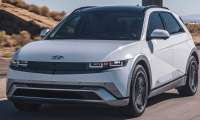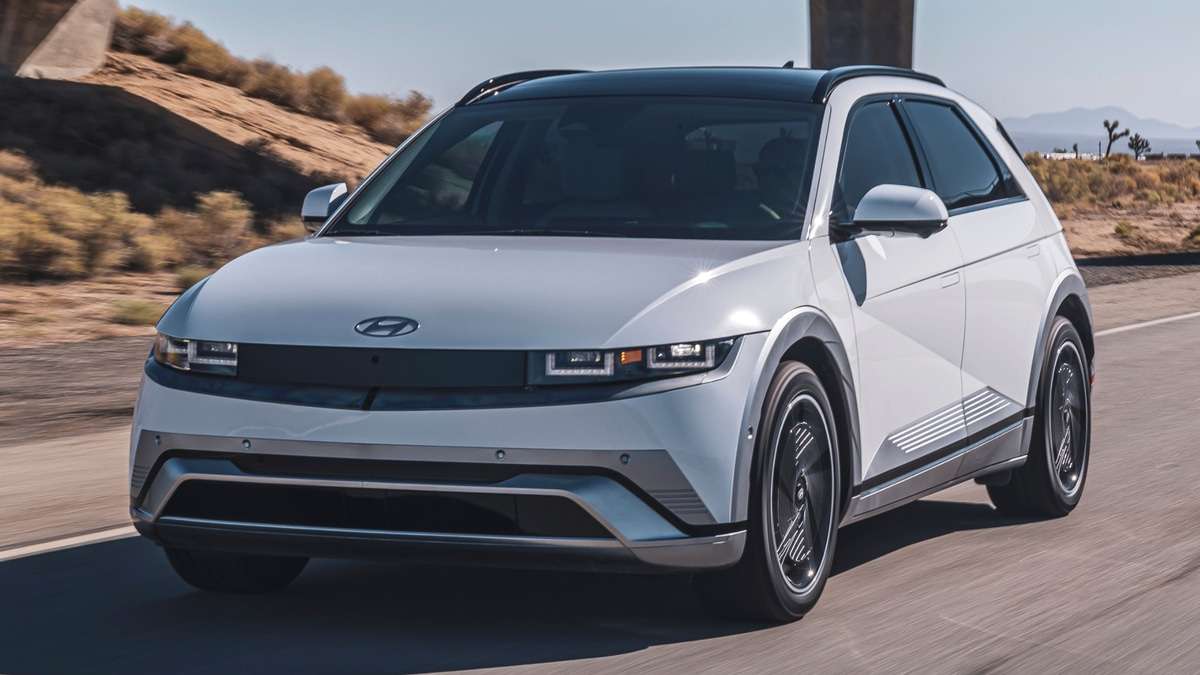

Hyundai Motor America has confirmed directly to Torque News that every vehicle in its unusually precise six-car IONIQ 5 recall will receive a complete high-voltage battery assembly at no cost.
Hyundai Motor America said in a written response to Torque News:
“The recall population includes approximately six (6) vehicles produced for sale in the U.S.”
The six vehicles are model-year 2023–2024 IONIQ 5s manufactured between December 15, 2022, and October 17, 2023. That production range contains far more than six vehicles. Owners need to check their VIN because the recall applies only to the six cars identified through Hyundai and supplier records.
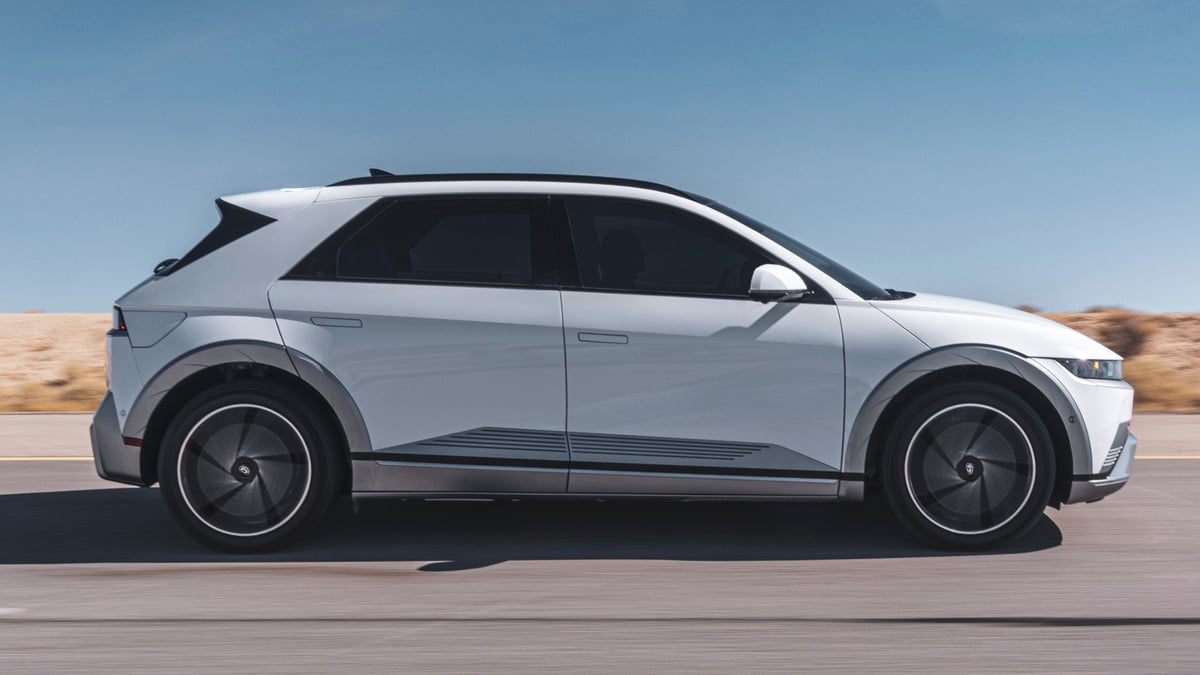
Hyundai says the affected battery modules may contain cells assembled with their electrodes out of alignment.
Hyundai Motor America said,
“These HV batteries might contain individual battery cells produced with misaligned electrodes.”
Inside a lithium-ion cell, the anode, separator, and cathode must remain correctly positioned. Electrode misalignment can create the conditions for an internal short circuit.
Hyundai Motor America said,
“An electrical short circuit within the battery cell(s) increases the risk of a fire while parked, charging, and/or driving.”
What Hyundai Motor America Told Torque News
Hyundai’s written response provides unusually clear interim instructions for the six owners.
Hyundai Motor America said,
“Owners may continue to operate their vehicles. However, Hyundai recommends that the battery pack state-of-charge be limited to no more than 80%.”
Driving is permitted, but where the vehicle is parked matters until the battery is replaced.
Hyundai Motor America added:
“Additionally, as a precaution, owners are advised to park their vehicles outdoors and away from structures until the recall remedy has been completed.”
Hyundai Motor America also told Torque News:
“There are no confirmed crashes or injuries related to this condition in the U.S.” The federal recall record goes one step further and lists no related U.S. incidents, fires, crashes, or injuries.
The remedy is a complete battery assembly replacement rather than an inspection or software update.
Hyundai Motor America said owners will be instructed to bring their vehicles to a Hyundai dealer, “where technicians will replace the Battery System Assembly (“BSA”).”
Hyundai Motor America said,
“This remedy will be offered at no cost to all affected customers.”
The federal filing identifies the recalled Battery System Assembly as part number 37501-GI100 and says the replacement assembly will contain correctly aligned cell electrodes.
How Hyundai Identified Six Cars Before Any Related U.S. Fire Was Reported
The small recall population might look like a statistical curiosity. The chronology behind it is more useful than the number alone.
According to the federal recall report for campaign 26V432, Hyundai Motor Company notified its North America Safety Office on June 16 about an investigation involving battery failures in other manufacturers’ products using the same high-voltage battery.
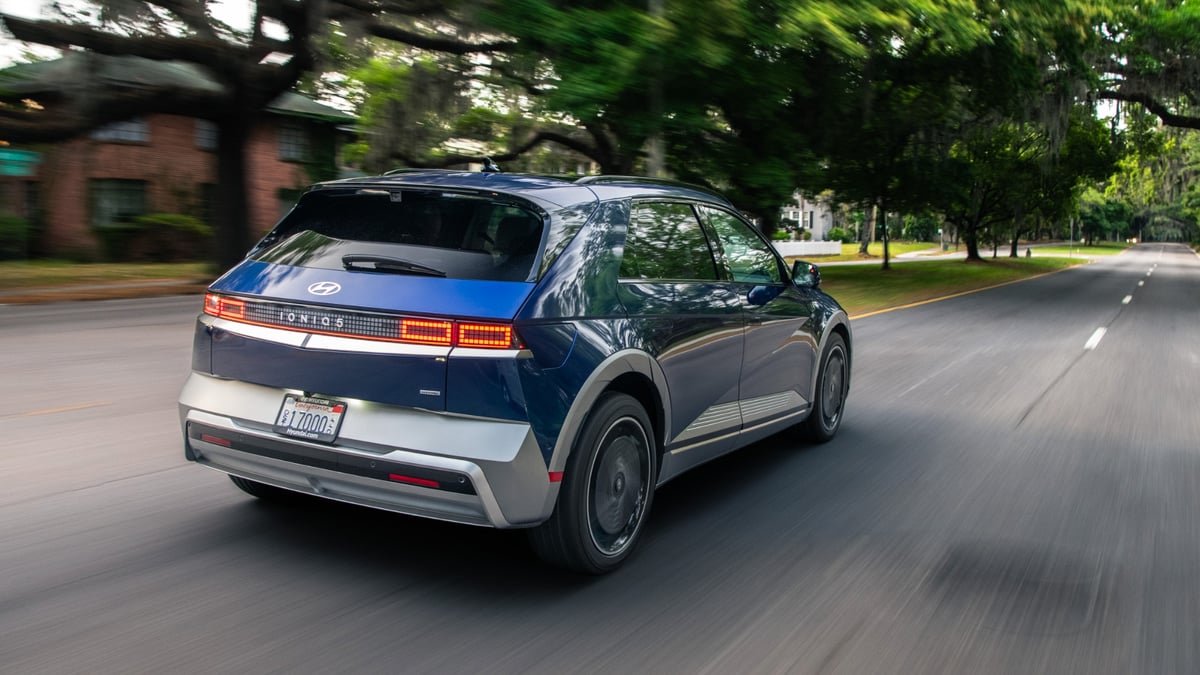
Hyundai reviewed the supplier’s manufacturing process and its vision-based quality-control system. The company then developed logic to search historical production records for potentially misaligned electrodes.
On June 25, Hyundai’s North America Safety Office used component traceability data from Hyundai Motor Company and the supplier to identify six U.S.-market IONIQ 5s. Hyundai decided to recall all six on the following day.
NHTSA lists the estimated defective share of this tightly selected population as 100 percent. That figure applies to the six identified vehicles. The much wider December 2022 through October 2023 build range is not a blanket recall population.
The supplier subsequently tightened the tolerances in its automated inspection system in January 2026.
What The Evidence Suggests
Kia filed a separate recall on the same day covering seven EV6s and one EV9 with an SK On electrode-misalignment defect. Kia will also replace the complete battery assemblies. Together, the affiliated Hyundai and Kia campaigns cover 14 U.S. vehicles.
Volkswagen’s earlier campaigns 25V836 and 26V028 cover 981 model-year 2023–2024 ID.4s with misaligned electrodes in modules supplied by SK Battery America. Volkswagen’s remedy replaces affected modules rather than the complete battery assembly.
The shared supplier family and similar electrode condition make the comparison relevant. The public records identify different supplier entities and different inspection changes, so they do not establish that the Hyundai cells came from Volkswagen’s Georgia production line or the same cell batch.
A Complete Battery Replacement Changes the Owner Experience
The full-pack remedy removes the suspect battery assembly from each affected IONIQ 5. It also creates practical questions about replacement-pack availability, dealer scheduling, transportation, and time out of service.
Hyundai says the repair will be free. Its response did not provide an estimated repair duration or say whether loaner vehicles will be offered. Those details may depend on the dealer and replacement-pack availability.
Owners should keep every recall notice and repair document. The final repair order should identify the original battery assembly, replacement part, work performed, mileage, and the dates the vehicle entered and left the dealership.
What the Six IONIQ 5 Owners Should Do Now
Affected VINs became searchable on July 3, and Hyundai plans to send owner notifications on August 31. Owners can use NHTSA’s VIN recall lookup or HyundaiUSA.com/Recall.
The federal filing lists possible warning signs as smoke, a burning or melting odor, and illumination of the malfunction-indicator or battery light. The filing does not promise that every affected battery will display one of those warnings before the condition becomes serious.
For the six affected owners, Hyundai’s instructions are specific:
- Keep the battery at or below 80 percent state of charge.
- Park outdoors and away from structures.
- The vehicle may continue to be driven.
- Arrange for a complete battery replacement when contacted or after confirming the VIN is included.
If your IONIQ 5 is one of the six vehicles in Recall 305, I would like to review the redacted owner notice and final repair order, including the original and replacement battery part numbers and the documented time out of service.
About The Author
Noah Washington is an automotive journalist based in Atlanta, Georgia, covering sports cars, luxury vehicles, and performance culture. His reporting focuses on explaining the engineering, design philosophy, and real-world ownership experience behind modern vehicles.
Noah has been immersed in the automotive world since his early teens, attending industry events and following the enthusiast communities that shape how cars are built and driven today. His work blends industry insight with enthusiastic storytelling, helping readers understand not just what a car is, but why it matters.
Noah is also a member of the Southeast Automotive Media Association (SAMA), a professional organization for automotive journalists and industry media in the Southeast.
His coverage regularly explores sports cars, luxury vehicles, and performance-driven segments of the automotive industry, including the evolving culture surrounding Formula Drift and enthusiast builds.
Read more of Noah's work on his author profile page.
You can also follow Noah here:
Set Torque News as Preferred Source on Google
Follow us today...