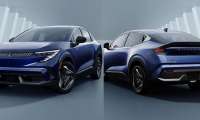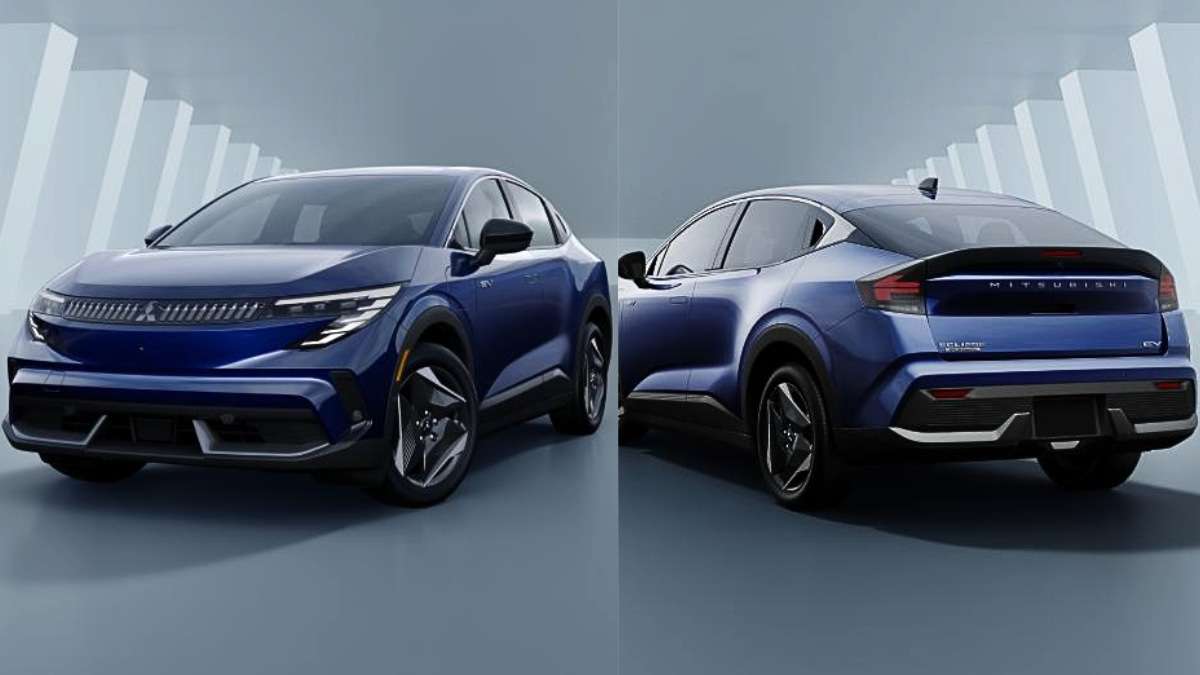

About a month ago, on June 9, Mitsubishi announced its first fully electric model built for North America in years, and the surprising part is not the car itself. It's the shortcut Mitsubishi appears to be taking, one that borrows a mature electric drivetrain instead of reinventing one from scratch, similar to the leap Nissan itself made when it finally fixed the range and comfort complaints that plagued its earlier LEAF generations. Most automakers spent billions of dollars and a decade of trial and error learning how to build a good EV. Mitsubishi may be about to skip that whole chapter.
A Brand That Has Lived On Value And Familiarity
For years, Mitsubishi's identity in the United States has rested on a small handful of nameplates. The Outlander. The Outlander PHEV. The Eclipse Cross. And a reputation for being the value option when a shopper wanted a Japanese SUV but didn't want to pay Toyota or Honda money.
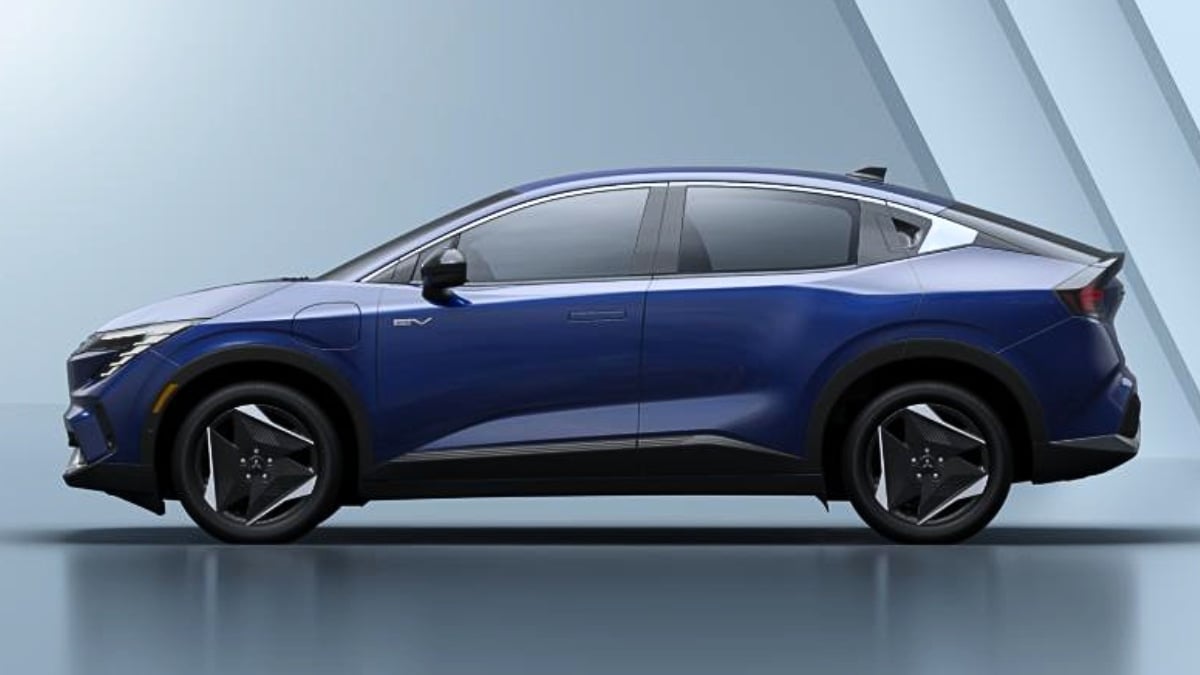
That strategy kept the lights on, but it never made Mitsubishi feel like an innovator. While Nissan was busy giving its EV a complete personality transplant, turning it from a humble hatchback into something one Torque News reviewer called a compact Tesla Model Y in disguise, Mitsubishi was mostly watching from the sidelines. The 2027 Eclipse Sportback EV changes that. It is being built on the same platform underneath that reimagined Leaf, according to Mitsubishi's own June 9 announcement, which means Mitsubishi inherits years of engineering refinement without paying for the years of learning that produced it.
Why Borrowing A Platform Is Not A Weak Move
It would be easy to dismiss this as Mitsubishi simply putting new badges on someone else's car. Plenty of outlets have said exactly that. MotorTrend, reviewing the reveal, noted the Eclipse Sportback EV is essentially a Nissan Leaf with Mitsubishi styling cues and badging, though the outlet also pointed out Mitsubishi never hid that fact. Google News
But there is a smarter way to read this. Mitsubishi has quietly been circling the idea of leaning on Nissan's electric technology for almost a decade. Torque News covered this back when Nissan first took a large ownership stake in Mitsubishi and the plan was to have Mitsubishi take the lead bringing EV crossovers to American buyers using Nissan's battery expertise rather than building it alone. That plan finally has a real vehicle attached to it.
Skipping a generation means skipping the awkward, unprofitable middle child phase every automaker goes through. The 2019 and 2023 Leaf generations Nissan sold before this one had real growing pains, including cramped legroom and charging limits that one reviewer said were finally fixed in the newest version. Mitsubishi gets to walk in after that homework is already done.
The Alliance That Makes This Possible
None of this happens without the messy, headline-grabbing relationship between Honda, Nissan, and Mitsubishi. Torque News has tracked that saga closely, including the period when merger talks between Honda and Nissan nearly reshaped the entire alliance while Mitsubishi debated how deeply to commit.
Mitsubishi chose partnership over full integration, and that choice is paying off here. Nissan needs volume from partners to justify its EV investment, and outlets have noted the alliance increasingly treats Mitsubishi as a partnership model filling gaps in the lineup rather than a competitor. The Eclipse Sportback EV is the clearest proof yet of that arrangement actually working in Mitsubishi's favor.
The Real Competitor Isn't Tesla
Every headline about a new EV wants to compare it to Tesla. I don't think that's the right frame here at all.
Mitsubishi's traditional buyer is not cross-shopping a Model 3. That buyer is practical, budget conscious, and often outdoors oriented. Think about who currently walks into a Subaru showroom for a Crosstrek, or who considers a Solterra, or who cross-shops a Honda HR-V and a Toyota Corolla Cross Hybrid before settling on whichever one has the best warranty.
Subaru buyers in particular are worth watching closely. One Torque News review of the 2026 Subaru Solterra spent a full week living with the vehicle and came away seriously considering a purchase, which tells you this buyer is persuadable, not locked in. Meanwhile, the 2026 Crosstrek Hybrid earned praise for being unremarkable in the best possible sense, quietly capable rather than flashy. That is precisely the emotional space Mitsubishi has occupied for years with the Outlander.
A compact electric crossover with real range and a familiar shape fits that shopper far more naturally than it fits a Tesla shopper hunting for the fastest 0 to 60 time on the internet.
Momentum 2030's First Real Exam
Mitsubishi's five year business plan, Momentum 2030, promised one new or significantly revised vehicle every year through the decade. That is a bold promise for a brand that has struggled to keep its U.S. lineup fresh.
The Eclipse Sportback EV is the plan's first true test. It has to convince skeptical buyers, the same ones who might otherwise cross-shop a Toyota Corolla Cross Hybrid for its fuel economy numbers, that Mitsubishi is building something worth choosing on its own merits, not just its price tag.
There is also a pricing lesson sitting nearby in Kia's own EV story. Kia's smaller electric offering has consistently won praise for delivering strong standard equipment at an approachable price, with one Torque News review calling the entry level Niro EV trim excellent value against pricier rivals. If Mitsubishi prices the Eclipse Sportback EV competitively against that segment, it has a real shot.
What This Says About Patience In Business
There is a quiet lesson in Mitsubishi's approach that has nothing to do with cars. Sometimes the smartest move is not being first. It is watching someone else pay the tuition, learn from their mistakes, and then arriving with a better answer.
Mitsubishi spent years being the smaller, quieter partner in its alliance while Nissan absorbed the costs of building three generations of an imperfect EV. Now Mitsubishi gets to benefit from that investment almost for free. Humility and patience, it turns out, can be a competitive advantage just as much as boldness can.
Whether Mitsubishi can turn that borrowed technology into a genuine identity, rather than just a rebadged Leaf, is the open question heading into the second half of 2026.
What do you think, would you consider the Eclipse Sportback EV over a Subaru Solterra or a Crosstrek Hybrid if the price was right? And does it matter to you that the technology underneath comes from Nissan, as long as the vehicle itself drives well? Share your thoughts in the comments below, your perspective helps shape our coverage going forward.
Return tomorrow, or check our Torque News Home Page for more interesting automotive news articles.
About The Author
Armen Hareyan is the founder and Editor-in-Chief of Torque News and an automotive journalist with over 15 years of experience writing car reviews and industry news. Now based in the Charlotte region (Indian Land, SC, he founded Torque News in 2010, which since then has been publishing expert news and analysis about the automotive industry. He can be reached at Torque News on X, Linkedin, Facebook, and Youtube. Armen holds three Masters Degrees, including an MBA, and has become one of the known voices in the industry, specializing in the landscape of electric vehicles and real-world stories of actual car owners. Armen focuses on providing readers with transparent, data-backed analysis bridging the gap of complex engineering and car buyer practicality. Armen frequently participates in automotive events throughout the United States, national and local car reveals and personally test-drives new vehicles every week. Armen has also been published as an automotive expert in publications like the Transit Tomorrow, discussing how will autonomous vehicles reshape the supply chain, and emerging technologies in vehicle maintenance.
Set Torque News as Preferred Source on Google
Follow us today...