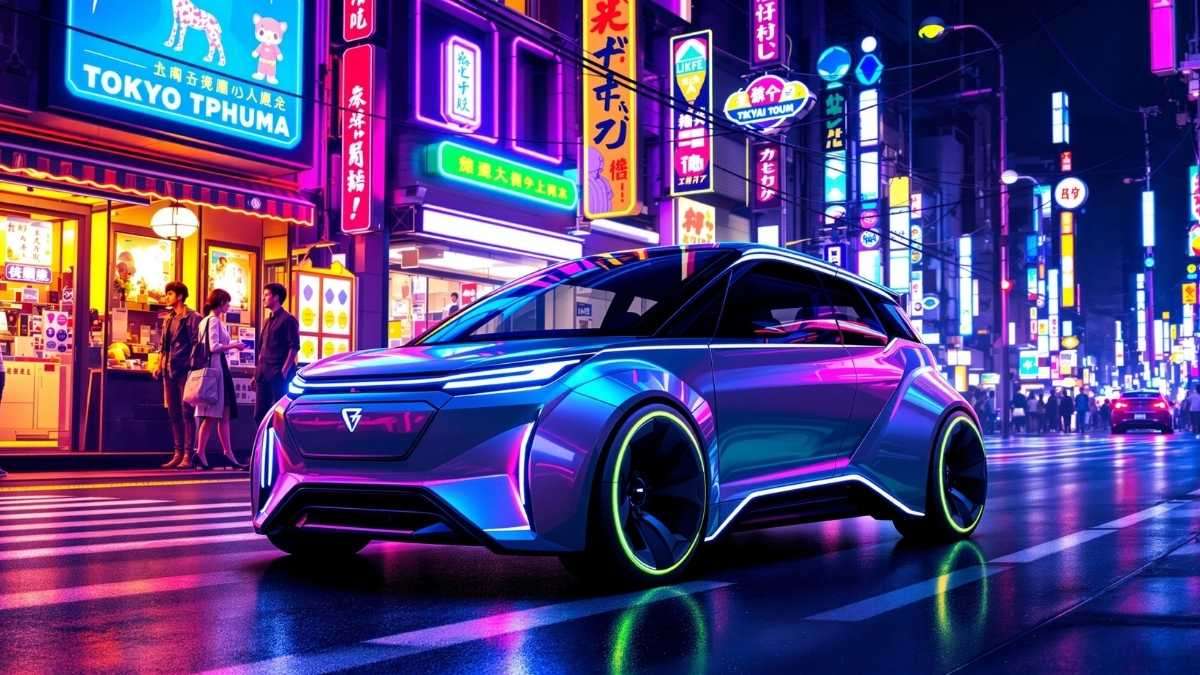

In the global automotive chess match, the most important moves aren't always the loudest. While the world watches the high-stakes battle for electric supremacy in the SUV and luxury sedan markets, a quiet but hugely significant alliance has just been formed in Japan. Honda and Mitsubishi, two giants of Japanese industry, are creating a joint venture to develop and produce a new generation of all-electric "Kei cars." For those outside of Japan, these tiny, city-focused vehicles might seem like a novelty. But for the Japanese domestic market, Kei cars are everything—and this partnership isn't just a business deal; it's a strategic defense of the industry's heartland against a rising tide from China.
A Fortress Against the Dragon
The timing of this announcement is no coincidence. The global auto industry has been shaken by the meteoric rise of Chinese EV manufacturers. Companies like BYD, once dismissed as imitators, have become titans of innovation and scale, producing technologically advanced and shockingly affordable EVs. The BYD Seagull, a compact electric hatchback, has launched in international markets for under $20,000, a price point that legacy automakers have struggled to even approach.
This presents an existential threat to the Japanese market. The Kei car segment, which accounts for over a third of all new car sales in Japan, is built on affordability and efficiency. It is precisely the territory that Chinese brands are poised to attack. A low-cost, high-tech Chinese electric Kei car could do to the Japanese domestic market what Japanese imports did to the American auto industry in the 1970s. This Honda-Mitsubishi alliance is a pre-emptive, strategic move to build a fortress around this vital segment. By combining their scale and expertise, they aim to create a product so cost-effective and perfectly tailored to Japanese consumers that it becomes untouchable for foreign competitors.
A Proven Playbook for Success
Partnerships in the auto industry can be fraught with peril, but this one has a high probability of success for one simple reason: Mitsubishi has already run this play and won. The most successful electric Kei cars on the market today, the Nissan Sakura and the Mitsubishi eK X EV, were the product of the long-standing Nissan-Mitsubishi alliance. These vehicles have been a runaway success, becoming the best-selling EVs in Japan by offering a compelling blend of practicality and price.
This history is crucial. Mitsubishi isn't entering this new venture blind; it's bringing a proven, successful playbook for co-developing a hit electric microcar. They understand the unique engineering challenges, the supply chain logistics, and the specific desires of the Kei car buyer. Honda, in turn, is a far larger and more globally powerful partner than Nissan, bringing immense R&D muscle and a legendary reputation for engineering excellence. This isn't a speculative partnership; it's a case of taking a proven formula and adding a high-octane ingredient.
A Synergy of Engineering and Expertise
The advantages each company brings to the joint venture create a near-perfect synergy. Honda is a master of efficient packaging and world-class engineering. For decades, their core competency has been creating incredibly reliable and space-efficient small vehicles. Their expertise in developing compact, highly efficient electric motors and battery management systems will be the technical heart of the new platform. They bring the global scale and the engineering might.
Mitsubishi, on the other hand, brings the focused, hard-won market intelligence. Through their experience with the eK X EV, they know exactly what works. They understand the delicate balance between battery size, range, and cost that is acceptable to a Kei car consumer. They also have a deep-rooted dealer network in the rural and suburban areas of Japan where these vehicles are most essential. Honda excels at building the engine; Mitsubishi excels at building the car around it that the specific market demands.
What to Expect: Smart, Practical, and Affordable
The vehicles that result from this partnership will likely set a new benchmark for the segment. We can expect a shared, highly optimized platform that will underpin a variety of models. The primary focus will be on delivering a "just right" city range of around 150-200 kilometers (90-125 miles) to keep battery costs—the most expensive part of an EV—to an absolute minimum.
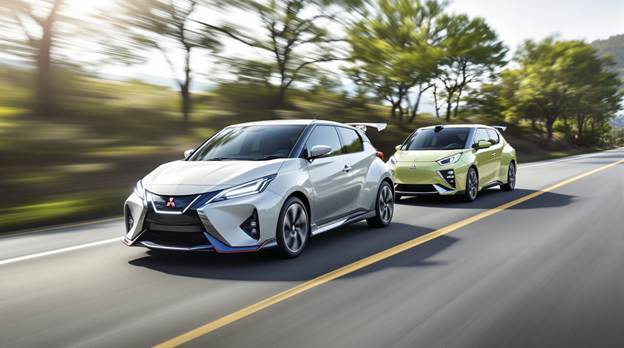
Expect to see a core hatchback model, likely sold under both the Honda and Mitsubishi brands with distinct styling. The real innovation will likely be in the variations. A small, cube-like commercial van version for urban deliveries is almost a certainty, as is a "super-height" wagon model with a focus on maximizing interior space for families. This platform-sharing approach allows them to cover multiple market segments with minimal development costs, creating an unbeatable economy of scale.
Wrapping Up
The Honda-Mitsubishi joint venture is far more than a simple business collaboration; it's a calculated and necessary defense of the Japanese automotive industry's most vital market segment. By combining Honda's immense engineering power with Mitsubishi's proven experience in the electric Kei car space, they are creating a formidable alliance. This partnership is not just about building small, affordable EVs for Japan. It’s about creating a new global standard for practical urban mobility and sending a clear message to would-be competitors: the heart of the Japanese auto market is not for sale.
Disclosure: Images rendered by Artlist.io
Rob Enderle is a technology analyst at Torque News who covers automotive technology and battery developments. You can learn more about Rob on Wikipedia and follow his articles on Forbes, X, and LinkedIn.
Set Torque News as Preferred Source on Google
Follow us today...