
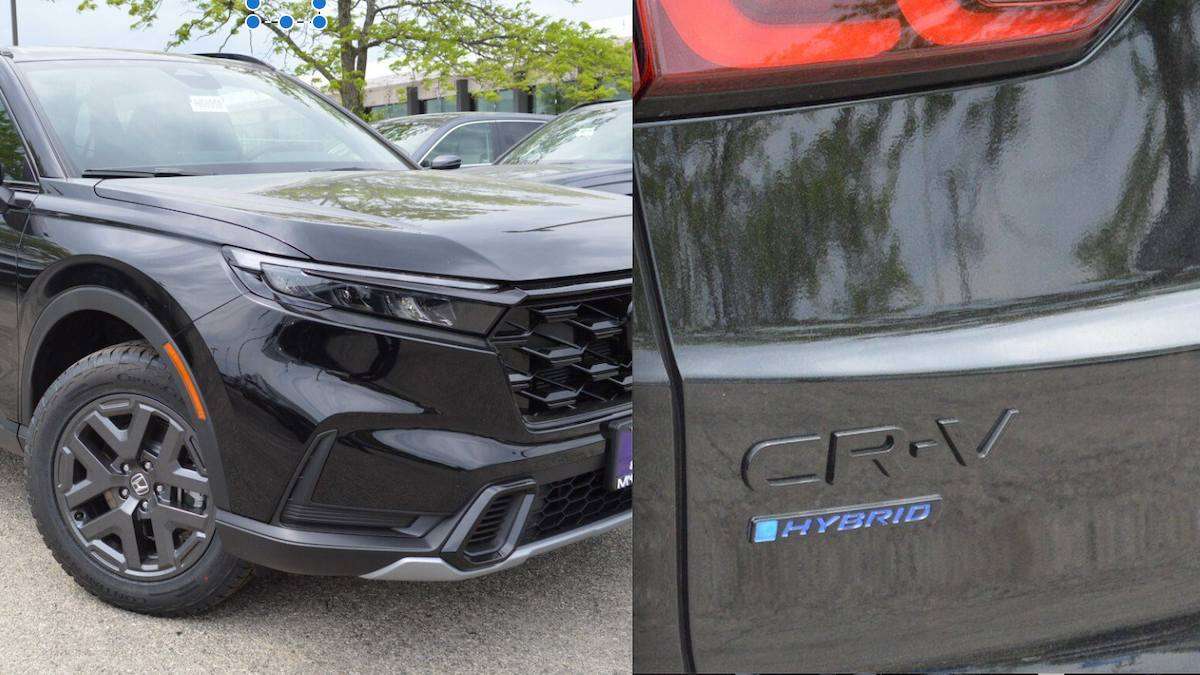

CR-V vs. RAV4 Hybrid: The real battle isn't comfort, it's long-term risk! Owners call out two huge deal-breakers for the Honda CR-V. Can a $500 DIY sound fix make the reliable Toyota RAV4 the perfect SUV? Here is what CR-V and RAV4 buyers need to know.
Tony traded luxury for practicality, but his search for the ultimate hybrid SUV, the Toyota RAV4 Hybrid versus the 2026 Honda CR-V Hybrid, uncovered two crucial, long-term compromises that make one option a serious deal-breaker for most drivers.
I'm following up on a piece from my previous report on the Honda CR-V Hybrid vs the Toyota RAV4. It generated a response that demands more information for compact SUV shoppers.
Tony Gladden's search, which he shared on his Honda CR-V Owners Facebook page for the perfect hybrid SUV, a vehicle that balances efficiency, capability, and daily livability after trading in his luxury Genesis GV70, perfectly encapsulated the current market battle between the Toyota RAV4 Hybrid and the 2026 Honda CR-V Hybrid. While Tony was initially swayed by the 2026 Honda CR-V Hybrid's superior ride quality and impressive sound isolation, our readers quickly jumped in to remind us that immediate comfort is only one piece of the puzzle. When evaluating these two segment leaders, owners highlighted two critical, often overlooked differences that could easily become deal-breakers for many shoppers.
Where's the Spare Tire?
The first, and perhaps most passionate, point raised by readers like Thomas and Mike was why the Honda CR-V Hybrid does not have a spare tire. "The only reason why I would buy a Toyota RAV4 over the Honda CR-V is the spare tire. Honda doesn't have one," commented Thomas. Mike agreed, stating the lack of a spare was a "deal-breaker" for him, too. This isn't a minor inconvenience; it's a safety and convenience issue that forces drivers, especially those who rely on their vehicle for long commutes or travel in remote areas, to rely solely on an unreliable tire repair kit.
The RAV4 Hybrid, in contrast, offers the peace of mind of a compact spare. I've previously looked into this exact factor in my report, where a RAV4 owner drove 150 miles on a donut. For hybrid buyers, this trade-off between cargo space and battery space, replacing the spare, is a major point that cannot be ignored.
The Carbon Buildup Issue
Moving beyond simple utility, readers like John M. drilled down into the mechanical differences, raising serious questions about direct injection vs. port injection carbon buildup in the RAV4 and CR-V. John pointed out that he chose the RAV4 Hybrid because it utilizes both port and direct fuel injection, a system designed to wash the intake valves and prevent the carbon buildup common in direct-injection-only engines.
The CR-V Hybrid has historically been predominantly direct-injection, raising long-term maintenance concerns for some experienced owners. Furthermore, John cited reliability issues associated with the non-hybrid CR-V's 1.5L turbocharged engine (including oil dilution and head gasket concerns). These concerns often color perceptions of the CR-V brand as a whole.
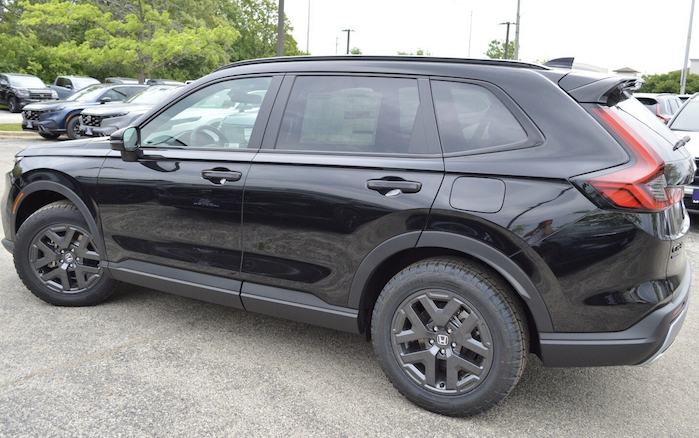
It's a fear rooted in real-world problems, something I highlighted in my piece about a Honda CR-V owner who sold his unreliable model with 68k miles and bought a Toyota RAV4. While Honda's new e: HEV hybrid system is highly refined, these historical mechanical nuances feed the enduring belief that the RAV4 offers a more durable, if less sophisticated, powertrain.
The Single Biggest RAV4 Complaint
The single biggest complaint Tony had about the RAV4 was the noise, vibration, and harshness (NVH). Reader Gregor, who went the RAV4 route specifically for the long-term reliability, offered an ingenious, actionable solution: Solving the Toyota RAV4 road noise problem with a DIY approach. Gregor detailed how he spent an afternoon adding sound-deadening material (like Dynamat) to the doors, rear hatch, and floor. He noted that even with the materials and time investment, the RAV4's overall price point is often "significantly more affordable" than the CR-V's top trims, leaving enough money in the wallet for this upgrade.
This observation is vital. It shifts the entire comfort debate from a fixed feature set to a cost-effective modification. If the primary advantage of the CR-V is silence and smoothness, and you can achieve 80% of that result in the RAV4 for a few hundred dollars and some elbow grease, the value calculation changes dramatically. This is the kind of real-world expertise our readers provide, and it directly challenges the notion that the CR-V is inherently the superior choice for refinement.
Honda and Toyota Aren't the Only Players
The conversation also moved beyond the Toyota-Honda debate. Readers like John Del Vecchio argued that the CR-V's technology is "embarrassingly behind" and suggested driving the Hyundai Tucson Hybrid, calling it "better all around." Another reader suggested the Subaru Forester for its quiet ride and great reputation. These are valid points. While Toyota and Honda dominate the mindshare, manufacturers like Hyundai, Kia, and Subaru are making compelling cases for the discerning buyer.
I recently reviewed a Subaru Forester in this space. Exploring the best compact hybrid SUV alternatives to the RAV4 and CR-V is essential to ensure you aren't leaving a better fit on the table. The Hyundai Tucson Hybrid and Kia Sportage Hybrid, in particular, offer superior tech screens and highly competitive warranties that make them serious contenders, even if their Toyota RAV4 Hybrid vs Honda CR-V Hybrid long-term reliability track record isn't quite as mythical as Toyota’s.
So, What's the Verdict?
Tony's journey is not just about a test drive; it's a deep inquiry into long-term commitment. As a Senior Reporter with over 30 years of automotive expertise, I've seen countless buyers swap their initial preference for something that ultimately causes less hassle down the road.
The core dilemma remains: The CR-V offers polish now, but potentially long-term unknowns (spare tire, direct injection, slightly less established hybrid system). The RAV4 offers a trusted, robust platform (spare tire, dual injection, proven hybrid synergy drive), but demands that the buyer accept more noise or invest a little time and money in sound deadening.
Toyota Reliability Is Not Guaranteed
It's tempting to think that Toyota's long-standing reputation means its reliability is guaranteed, but even that is changing. I reported on one such buyer who found that the newest models weren't quite living up to the old guard's standards. In my report, a RAV4 Hybrid owner discovered the "rough ride on the highway" and "terrible wind and road noise" after almost a year of ownership—echoing Tony's initial concern.
This tells us the NVH issue is chronic, but it also confirms that the RAV4's ruggedness is a fundamental engineering decision, not a flaw. It's built tough, sometimes at the expense of quiet luxury.
So, here is my advice:
Trust the collective wisdom of the community. The CR-V Hybrid is an excellent daily driver. Still, the compromises (no spare tire, concerns about direct injection) are significant long-term factors that outweigh the short-term pleasure of its superior ride quality. If you want the reliability and robustness of the RAV4, embrace the "jeans-and-t-shirt" attitude and follow Gregor's advice: invest $500 and a weekend into sound deadening.
You'll end up with a proven, dual-injection hybrid that has a spare tire and a ride that is 90% as quiet as the CR-V, all while likely saving money on the initial purchase price. This way, you get the best of both worlds, Toyota's durability and Honda-like quietness.
Key Takeaways for Compact SUV Buyers
- Spare Tire is Non-Negotiable: For true peace of mind on long trips, the RAV4's compact spare tire is a significant advantage over the CR-V Hybrid's sealant kit.
- Engine Longevity Matters: The RAV4's use of both port and direct injection systems is superior for preventing long-term carbon buildup compared to the CR-V's direct-only system.
- The NVH Fix is Real: The perceived roughness of the RAV4 Hybrid can be significantly mitigated with aftermarket sound deadening, a cost-effective solution often covered by the price difference between models.
- Don't Ignore Alternatives: The Hyundai Tucson Hybrid, Kia Sportage Hybrid, and Subaru Forester/Crosstrek Hybrid offer competitive technology and different strengths that warrant serious consideration.
In The End
Ultimately, for Tony, the CR-V Hybrid won the initial heart battle with its refinement. Still, the RAV4 Hybrid wins the war by offering better Toyota RAV4 Hybrid vs Honda CR-V Hybrid long-term reliability assurance, a crucial spare tire, and a proven dual-injection engine, meaning the sound-deadening fix is the most logical path to long-term owner satisfaction.
It's Your Turn To Sound Off
After considering the spare tire issue, the engine longevity concerns, and the DIY sound-deadening solution, which compact hybrid SUV would you choose to own for the next ten years? Click the red Add New Comment link below and let us know.
I'm Denis Flierl, a Senior Torque News Reporter since 2012, bringing over 30 years of automotive expertise to every story. My career began with a consulting role for every major car brand, followed by years as a freelance journalist, test-driving new vehicles, equipping me with a wealth of insider knowledge. I specialize in delivering the latest auto news, sharing compelling owner stories, and providing expert, up-to-date analysis to keep you fully informed.
Follow me on X @DenisFlierl, @WorldsCoolestRides, Facebook, Instagram and LinkedIn
Photo credit: Denis Flierl via Honda
Set Torque News as Preferred Source on Google
Follow us today...







Comments
if you are able to give up…
Permalink
if you are able to give up the space, you can purchase a temporary spare from a few vendors for $400-$500. Accoridng to the vendors, they can be driven at highway speeds for > 50 miles
I'm done with Toyota... I…
Permalink
I'm done with Toyota... I ordered one and waited 9 months for delivery. It arrived at the dealership minus the upgrades. I was told I would have to wait another a year for my order! No apology, from the dealer. I wrote the president of Canada's honda office and no reply. Now I have a honda crv hybrid and love it. Got it in two days!
You can get a spare tire kit…
Permalink
You can get a spare tire kit for the CRV although you lose some trunk space.