
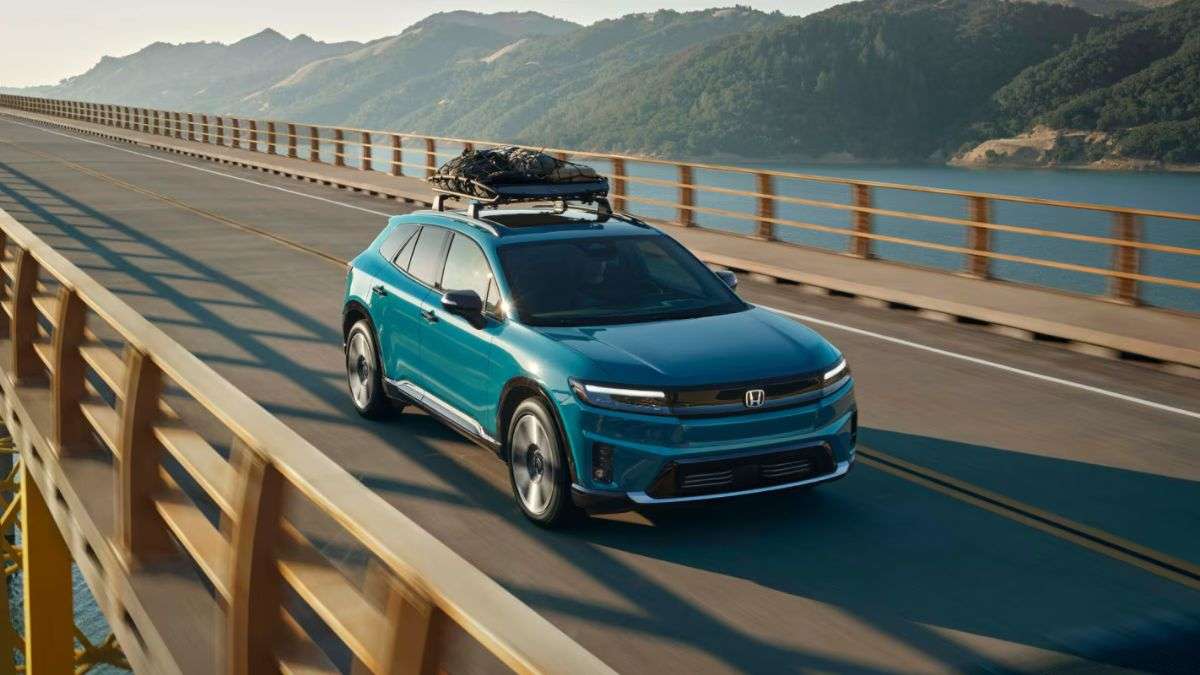

Winter is good at revealing some of the realities that are seldom discussed in spec sheet or salesperson talk, but will eventually be realized by EV owners who have never experienced a cold winter before. What may appear to be an efficient operation on a spec sheet, as well as in sales pitches, can become a lot less efficient once the temperature drops, the heater runs all day long, and daily habits change.
That encounter came quickly for Honda Prologue owner Ashley Carter. In a post shared inside the “Honda Prologue Owners Group” on Facebook, Ashley described how winter weather has dramatically changed how the vehicle fits into daily life. The frustration was not subtle, and the message resonated with many readers who have faced similar moments of doubt.
As Ashley put it, “This weather is killing my truck. I literally charge every day. What a bad decision getting this EV. First EV I’ve ever purchased and my last.”
When Daily Charging Becomes the Breaking Point
What is so compelling about Ashley's comments is not only her reduced range due to cold temperatures, but also the way in which the thrill of being an owner has turned to regret as quickly as she lost her range. Needing to charge your vehicle every single day will change your relationship with your vehicle. Refueling a gas-powered car typically occurred when one of the drivers needed to go somewhere, not to plan their daily routine around when they need to refuel. The moment that winter begins to force you to constantly recharge, it can begin to feel as though the vehicle is opposing what you want it to do instead of supporting you.
The Honda Prologue, as well as most other mid-size electric crossovers, utilizes a large battery pack that is extremely sensitive to temperature. Temperature affects the efficiency of the battery pack. In addition, there is a significant increase in the amount of energy needed to heat the cabin. Furthermore, if the battery pack is too cold, it can activate the battery conditioning system which consumes additional power. These factors are not defects; however, when taken in total, they can greatly reduce the usable range of your vehicle in winter conditions. First time EV owners have reported feeling as though this is a harsh reality.
This contrast becomes even sharper when expectations are set by warmer-weather experiences or optimistic EPA estimates. We have previously seen owners praise the Prologue’s efficiency under ideal conditions, especially outside of winter, which only makes cold-weather losses feel more dramatic when expectations are set high. Winter, however, plays by a very different set of rules.
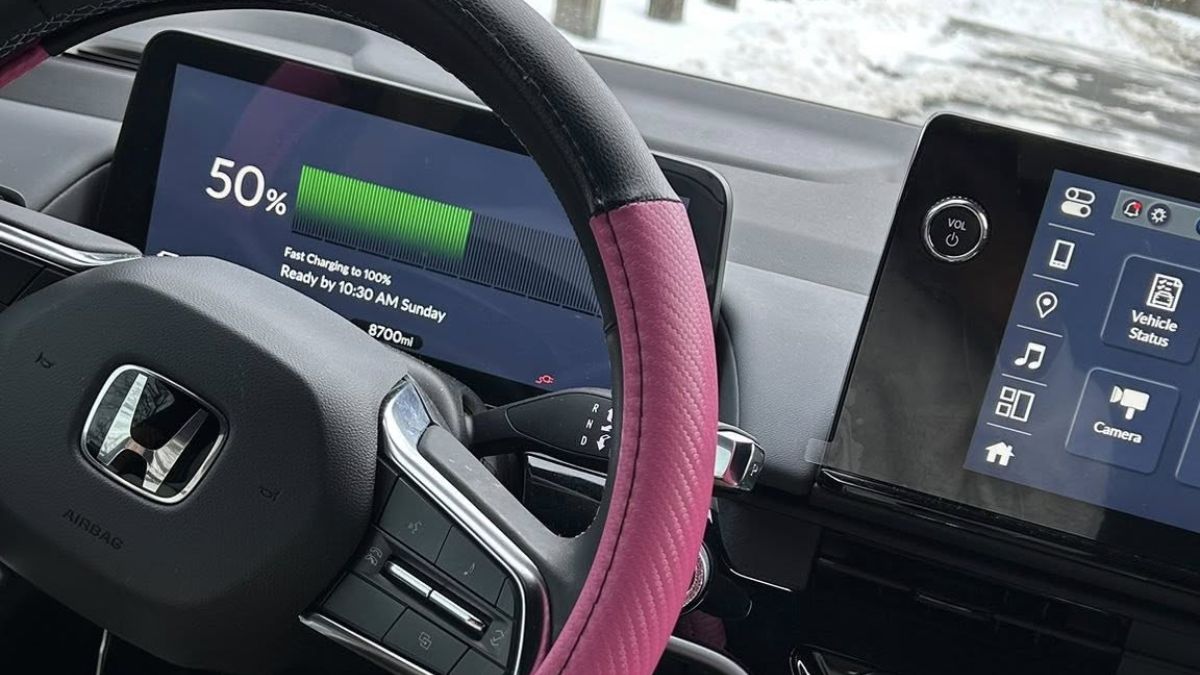
Why Cold Weather Hits EVs So Hard
Understanding why Ashley was frustrated by her electric car's performance is a good starting point for looking at how extreme cold affects electric cars. The reason lithium-ion batteries (the type used in most electric vehicles) perform best as far as their electrical efficiency goes is that they need to operate inside of a very small temperature band. As the temperature decreases, the internal resistance of the battery increases, which results in the vehicle getting less usable energy out of the battery than it would when the battery is operating at its optimal temperature.
The problem gets even worse because the vehicle has to do extra work to maintain the optimal temperature needed to allow the battery to operate optimally. Additionally, there are other uses of energy such as cabin heating, defrosting, heated seats, and a longer warming up period. All these things will increase energy usage on the vehicle. A key difference between EVs and gasoline powered vehicles is that while gasoline powered vehicles can utilize waste heat from the engine to warm the passenger compartment, EVs have to generate heat electrically. That electrical energy comes from the battery and will reduce the distance you can drive per charge.
In addition to that, if you don't have a place where you can charge your car overnight (i.e., at home), then you may find yourself having to charge your car every day. This is a big issue and is likely the biggest factor in determining whether an electric vehicle seems like a hassle or if it's something that doesn't bother you.
Community Reactions Add Context to the Frustration
Ashley’s post sparked a range of responses from other Prologue owners and EV drivers, and their comments help frame the situation more clearly.
Jesse Seibert offered a practical perspective, writing, “If you are able to plug it in overnight with level 2 charging, it keeps the battery warm and topped up. That's the best solution for an EV. If you don't have home or work level 2 charging, it is very difficult for an EV to fit into people's lifestyles.”
Jesse’s comment highlights a reality that often gets understated during the buying process. EV ownership works best when charging is integrated into daily life, not treated as an occasional task. Without reliable Level 2 access at home or work, winter can magnify every inconvenience.
Rob Ant broadened the discussion beyond the Prologue itself, noting, “All EVs are like this in cold climates. My friend had a brand new ‘26 Equinox EV and he said that he needs to charge often.”
This perspective helps by changing the focus from one particular model. Loss of cold weather range is not an exclusive feature of the Prologue. The loss of cold weather range is a commonality among many electric vehicles. While this still makes for a frustrating experience, it is indicative that the problem is systemic and not confined to just this model.
Rodney Smith added a more positive angle, saying, “I love being able to preheat the car while charging. It's great getting into a warm car.”
Rodney’s comment serves as a reminder that EVs also offer advantages in winter, especially when charging infrastructure is in place. Preheating while plugged in can significantly reduce range loss during the drive and improve comfort. However, these benefits are most accessible to owners who can charge at home.
Expectations Versus Reality for First-Time EV Buyers
Ashley’s reaction also speaks to a broader issue facing the EV market: expectation management. Many first-time buyers enter EV ownership assuming the transition will be seamless. Dealership conversations often emphasize fuel savings, quiet operation, and environmental benefits, while winter trade-offs receive less attention.
We have previously seen similar frustrations from Prologue owners who reported feeling overwhelmed by software quirks, charging behavior, and overall ownership complexity. In those stories, owners described how small issues compounded over time and slowly eroded confidence, a pattern that feels familiar when winter range loss enters the picture. When winter performance is added to that mix, even patient owners can begin to question their decision.
The key difference is preparation. Drivers who understand seasonal range swings and plan accordingly often adjust without major frustration. Those who do not can feel blindsided when cold weather suddenly reshapes their daily routine.
Charging Frequency and the Psychology of Ownership
Daily charging has both an emotional and psychological aspect to it as well. A daily charge doesn't always equate to the car being in poor health or being broken, but it simply can be perceived that way. Frequent charging of the battery will keep the battery in a healthy state of charge, especially during the winter months. However, perception matters. It may be less free for you to travel when your vehicle requires your attention on a daily basis as opposed to going hundreds of miles without needing a refill.
This is reinforced when real-world range falls short of expectations. Other Prologue owners have even expressed disappointment after charging to 100 percent and realizing the displayed range did not align with what they expected, a moment that echoed Ashley’s frustration and raised similar questions about performance and transparency. Experiences like these shape how owners talk about EVs long after the moment has passed.
A Broader Perspective on What This Experience Reveals
To me, one of the biggest things that stands out in Ashley's situation is the speed in which confidence can be destroyed by the disconnect between an individual's expectations and their experience with the vehicle being purchased. I believe EVs can be great vehicles for individuals if they are purchasing them through a suitable arrangement for the type of vehicle they are buying. Nonetheless, they are much less forgiving of individuals who have no idea what they are getting into. This is especially true in winter.
I view experiences such as Ashley's as a reminder that the EV transition is as much or more about educating consumers on a variety of topics (seasonal range loss, charging options/accessibility, daily driving habits) prior to signing paperwork than it is about introducing new technologies. If consumers are not educated properly on these issues, they will inevitably become frustrated. Ashley's response does not appear to be indicative of her rejecting all EVs in general, but rather she was experiencing frustration due to a disconnection between her lifestyle, available charging infrastructure, and her expectations regarding what she would be able to do with her EV.
Key Takeaways for Readers
- Winter range loss is normal: Cold temperatures reduce efficiency across all EVs, not just the Honda Prologue.
- Charging access matters more than brand: Reliable home or workplace charging can make or break the experience.
- Daily charging is not a failure: It often reflects winter energy demands rather than a vehicle problem.
- Expectation management is critical: First-time EV buyers benefit most from understanding seasonal trade-offs upfront.
Join the Conversation
If you own an EV, how did winter weather change your driving and charging habits compared to warmer months?
And for first-time EV buyers, do experiences like Ashley’s make you more cautious? Or do you see them as part of the learning curve of new technology?
Don’t hesitate to share your thoughts with us in the comments below.
Aram Krajekian is a young automotive journalist bringing a fresh perspective to his coverage of the evolving automotive landscape. Follow Aram on X and LinkedIn for daily news coverage about cars.
Image Sources: Honda’s gallery and the “Honda Prologue Owners Group” Facebook group.
Set Torque News as Preferred Source on Google
Follow us today...


Comments
EVs seem to lose their cute…
Permalink
EVs seem to lose their cute in cold conditions, don't they?
My 2016 Kia Soul EV goes…
Permalink
My 2016 Kia Soul EV goes from 110 miles in the summer to about 85 miles in the winter. This is my third winter with the car and since it's only used as a daily in town commuter, it's a reasonable drop off.