
Like other car companies, Honda decided to go all-in on EVs. This strategy turned out to be foolhardy for many players in the automotive industry. So much so, that carmakers had to rethink their strategy and adapt. As a result, Honda experienced a loss of $15.9 billion. Honda’s EV beginnings were rough. The retro-inspired Honda e never properly took off and the brand’s only current EV - the Prologue - offering has too much GM DNA.
That expensive cold shower meant the Japanese carmaker had to shelve four EV models, scheduled for production. These are the Honda Zero Sedan and Zero SUV, the Afeela sedan co-developed with Sony, and the Acura RSX fastback SUV. I am really glad that the last one did not happen. In this form, the Acura RSX revival would have been a good rival to the new Toyota C-HR EV, as well as the Ford Mustang Mach-E GT that I test drove, but it also would have been a repeat of what Mitsubishi did with the Eclipse.
Popular Honda models will stay around a while longer
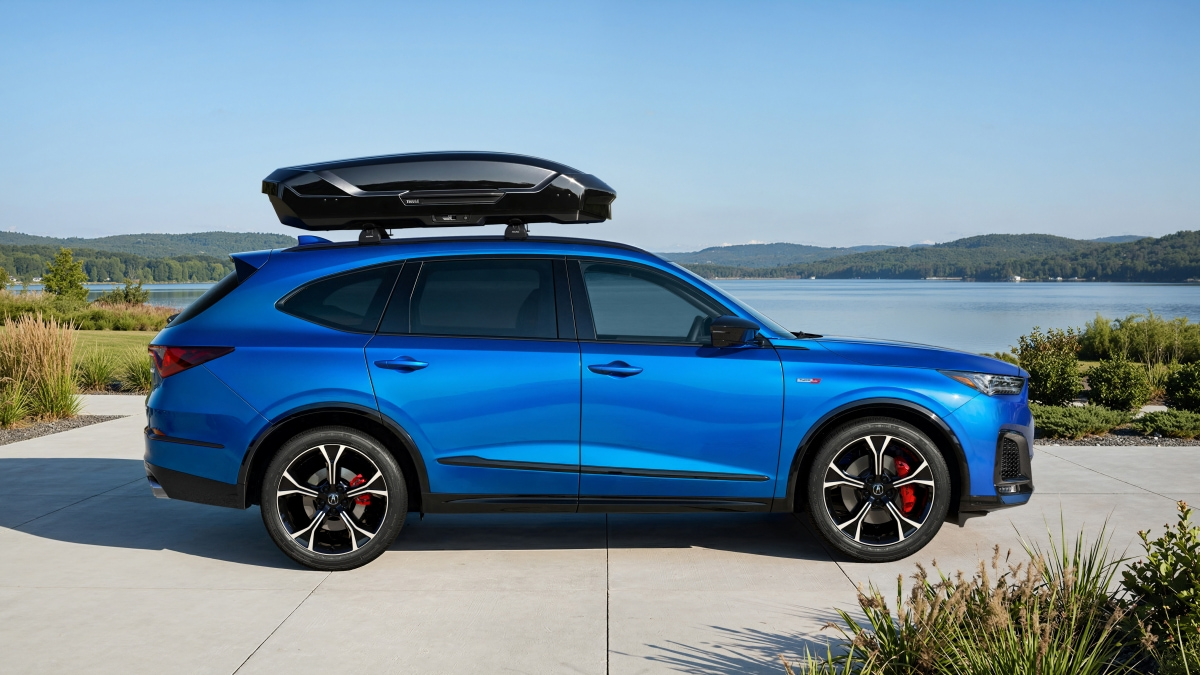
While Honda is still scrambling for a long-term solution, the company has devised a patchwork solution that may work brilliantly. The production cycle of four popular Honda (and Acura) models will be extended. These are the Accord, Odyssey, HR-V, and MDX.
The Honda Accord may have lost its performance edge by no longer offering a detuned version of the Civic Type-R engine, but the revised hybrid powertrain is extremely frugal while still offering adequate acceleration. In 2028, the Accord was slated for a comprehensive redesign, with the potential inclusion of a newly developed Honda V-6 hybrid. This redesign has now been pushed to 2030.
The same thing can be said about the Honda Odyssey minivan, which was due for an update in 2027. The update has been pushed to 2030. The same is true for the Acura MDX, which is the luxury brand’s most popular model. The Honda HR-V is currently the fourth-best-selling model of the company, and its redesign is being pushed to 2032.
What this should mean for the end consumer
Prolonged production cycles should mean better parts availability and more affordable prices. Scaled production typically means that the more you produce something, the less it costs to make a single unit. While I do not doubt that dealerships will “eat” that price difference under the pretense of “market adjustment”, it provides more room for maneuvering when negotiating a price.
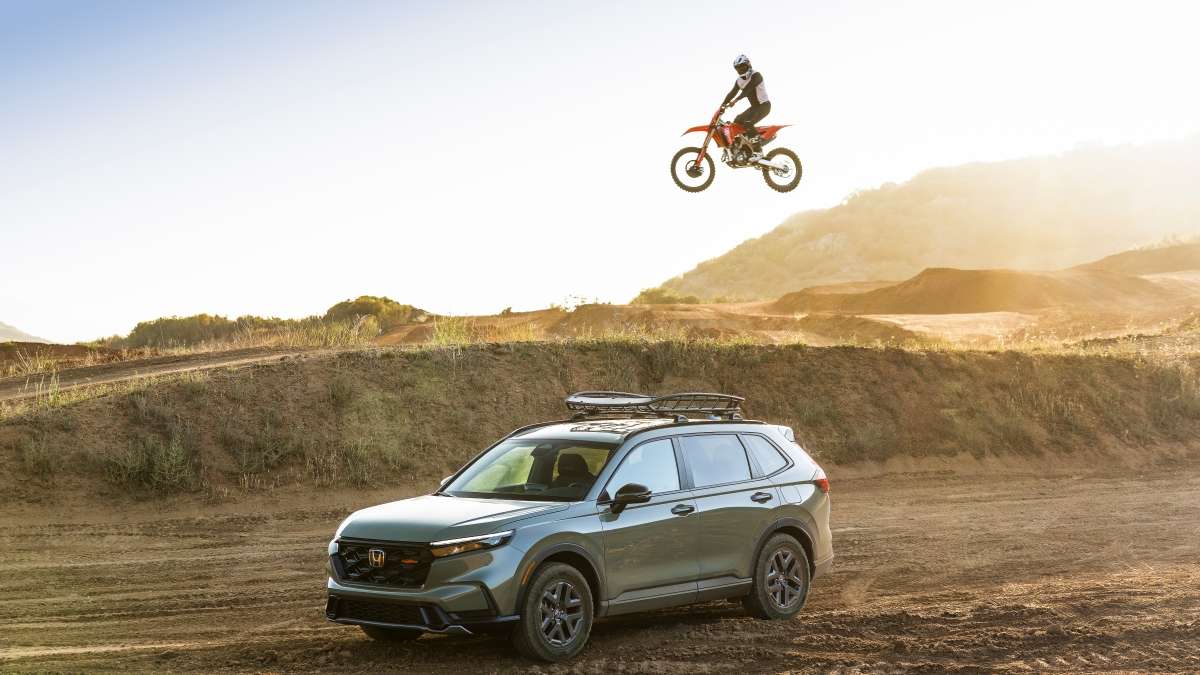
I suspect these will not be the only models to experience delays in redesign. The CR–V is Honda’s bestselling model, and it was just updated for 2026. The Civic is due for an update in 2027-2028, but for now, it seems like Honda is still going through with it. The Civic and CR-V serve as the backbone of Honda’s model lineup, so no compromises can be made there. Luckily, these are very competitive models, especially after Honda brought out the Corolla-bating Civic e:HEV.
Unfortunately, this also means that newer generations of these models will be delayed by four to six years. While Honda’s current model lineup consists almost entirely of proven models, failure to update aging models in time could reduce Honda’s competitiveness, especially against brands like Toyota and Hyundai, which occupy the same segments.
Related story: These Are The Most Popular Cars From Each Japanese Brand In The US
The prolonged production of these models also means better availability on the used market. Would you buy one of the Honda models that are getting an extended lease in life, or would you go for more recently refreshed offerings by competitive brands? Let me know in the comments below.
About the author
Dimitar Angelov has been an automotive journalist since 2014. His passion for cars and motorcycles led him to take up classic car restoration at the Classic Car Museum in Malta. While living there, he also graduated with a Master's in Media and Communications. Aside from Torquenews, his work can also be seen on Topspeed.com, HotCars.com, Motorheads.com, Jalopnik.com, and his own website, Ridereverie.com, where he also includes motorcycle content.
Image source: Honda CR-V, Acura MDX
Set Torque News as Preferred Source on Google
Follow us today...