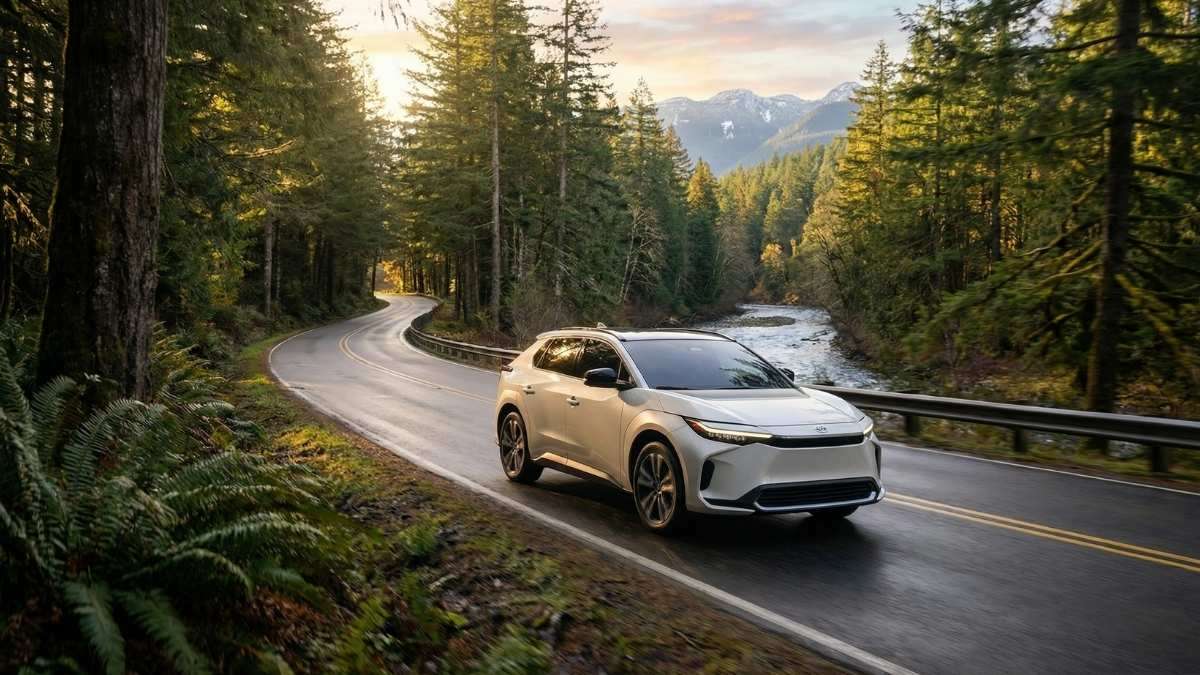

The EV market is a fickle beast. For years, the narrative was written by the disruptors—the sleek, tech-heavy upstarts that promised to redefine the car as a "computer on wheels." But as we settle into 2026, the wind is shifting. In a move that has caught much of the industry off guard, the Toyota bZ (formerly the mouthful known as the bZ4X) has not just entered the conversation; it has dominated it. January sales figures reveal a startling reality: Toyota’s bZ has vaulted into the top-seller list, officially outpacing longtime enthusiast favorites like the Hyundai IONIQ 5.
For those of us who watched the original bZ4X launch, this feels like a plot twist from a high-stakes corporate thriller. The original release was, to put it politely, "suboptimal." Between wheel-torque recalls and range figures that felt more like suggestions than promises, Toyota seemed to be struggling with the transition. But Toyota is not a company that stays down for long. By lopping off the "4X" and fixing the fundamentals, they’ve proven that in the world of transportation, brand trust is the ultimate range extender.
The "bZ" vs. The World: Standing Up to the Competition
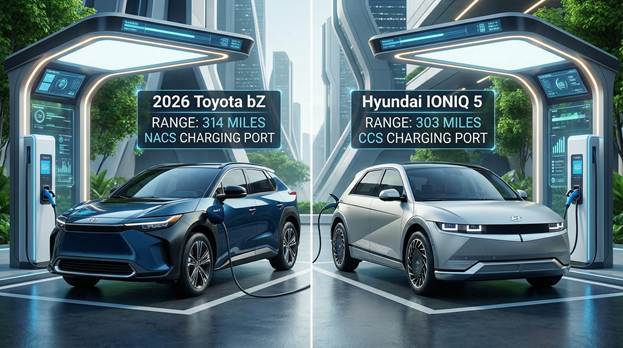
When you look at the 2026 Toyota bZ next to the Hyundai IONIQ 5, the differences are no longer about Toyota catching up—they’re about a different philosophy of ownership. While the IONIQ 5 remains a design marvel with its 800V architecture, the bZ has doubled down on what I call "invisible competence."
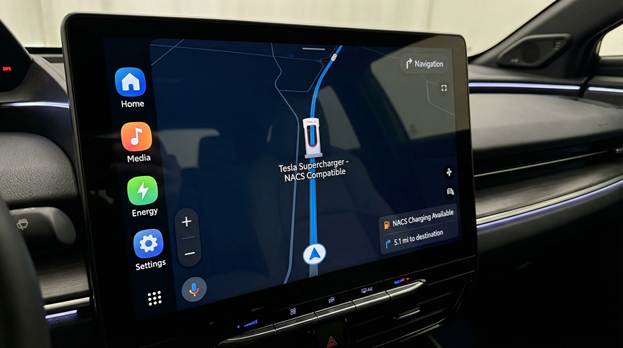
The 2026 updates brought the bZ’s range to a competitive 314 miles on the XLE FWD Plus trim, finally hitting that "magic 300" number that calms the average American's range anxiety. More importantly, Toyota addressed the charging curve. By adopting the NACS (Tesla) port standard and improving battery thermal management, the bZ now offers a predictable, "it just works" charging experience that rivals the ease of the Supercharger network.
Reliability is the New Sexy
We are seeing a profound shift in consumer psychology. During the early "early adopter" phase, people were willing to forgive software glitches and erratic build quality for the sake of the "future." In 2026, the "early majority" has arrived, and they don't care about 0-60 times as much as they care about whether the car will start in a Bend, Oregon winter.
The bZ’s surge suggests that buyers are gravitating toward established brands. Toyota’s decades of hybrid leadership with the Prius gave them a reservoir of "battery trust" that few other makers can claim. When Toyota promises a 10-year battery health guarantee, it carries more weight than a flashy startup’s YouTube presentation. Consumers are realizing that an EV is still, at its core, a car—and they want a car from a company that knows how to build them by the millions.
The 2026 Buying Pivot: What This Means For You
If you are looking at an EV purchase this year, the bZ’s success should change your calculus. It signals that the "spec war" is ending and the "ownership war" has begun.
- Prioritize Service Infrastructure: The bZ is selling because there is a Toyota dealer in almost every town. If something goes wrong with a tech-heavy disruptor, you might be waiting weeks for a mobile tech. With Toyota, you have a local advocate.
- Focus on "Real-World" Range: The bZ's 314-mile estimate is proving to be remarkably accurate in mixed driving. In 2026, look for vehicles that meet their EPA numbers in the cold, not just on a test track.
- The NACS Standard is Non-Negotiable: Toyota’s move to the NACS port is a massive win for resale value. Do not buy an EV in 2026 that requires a clunky adapter for the most reliable charging network in the country.
Wrapping Up
The Toyota bZ is the comeback story of the year. By listening to criticisms, simplifying the brand, and leveraging their reputation for bulletproof reliability, Toyota has turned a "dud" into a market leader. It turns out that American buyers don't necessarily want a spaceship; they want a Toyota that happens to be electric.
Watching the "established" players like Toyota and even Volvo—where my wife’s XC60 Recharge has been a standout—it’s clear that the "EV Winter" isn't killing the market; it's just weeding out the fluff.
Rob Enderle is a technology analyst covering automotive technology and battery developments at Torque News. You can learn more about Rob on Wikipedia, and follow his articles on Forbes, on X, and Linkedin.
Set Torque News as Preferred Source on Google
Follow us today...