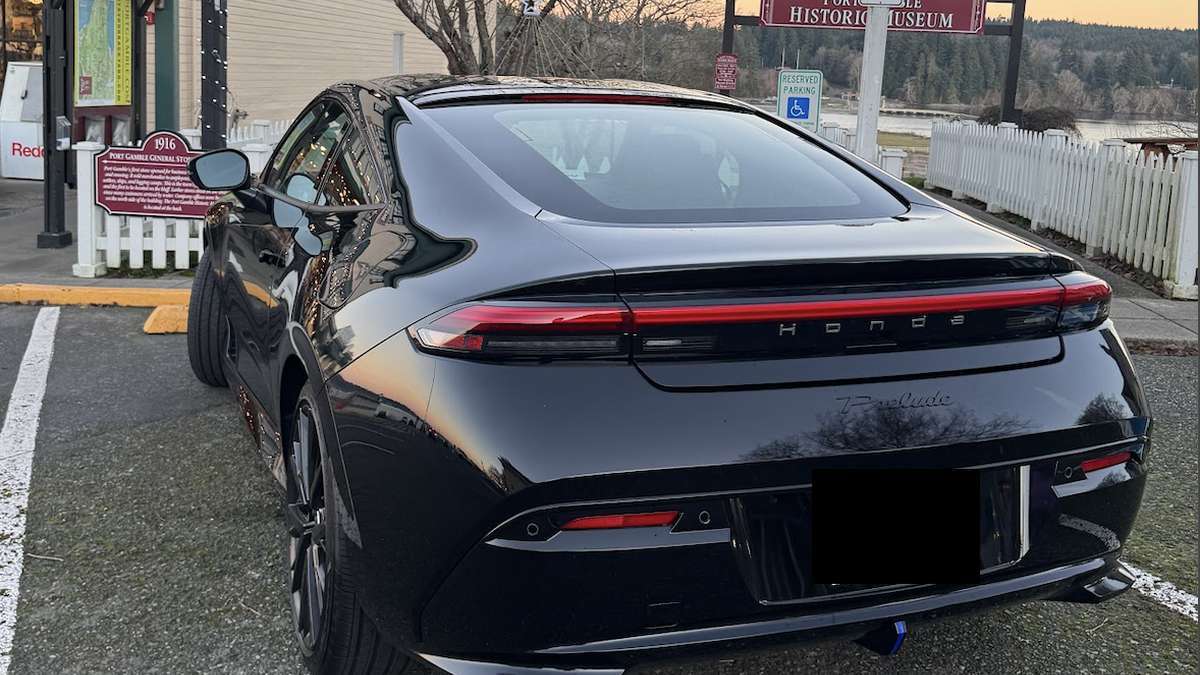

Getting a new Honda at sticker price in 2026 is starting to feel like a competitive sport, which is why one Seattle-area buyer’s story stands out before you even get to the car itself. After calling every Honda dealer in the region on a weekly basis, a Prelude buyer finally found a store willing to let the car go at MSRP, no forced add-ons, no games. The reward, according to the owner, is a coupe that lands squarely in a space most modern cars have abandoned: genuinely enjoyable to drive, easy to live with, and happy to do mundane errands without protest.
This is the sixth-generation Prelude, now reborn as a hybrid, and the owner’s first impression is telling. He describes it as feeling like a sports car with the convenience of a Civic, which may be the most accurate positioning Honda could hope for. Coming from a 2020 Civic hatchback with the turbo engine, the transition feels evolutionary rather than jarring. The Prelude is quieter, smoother, and more composed, but still familiar in the way the controls respond and the chassis communicates.
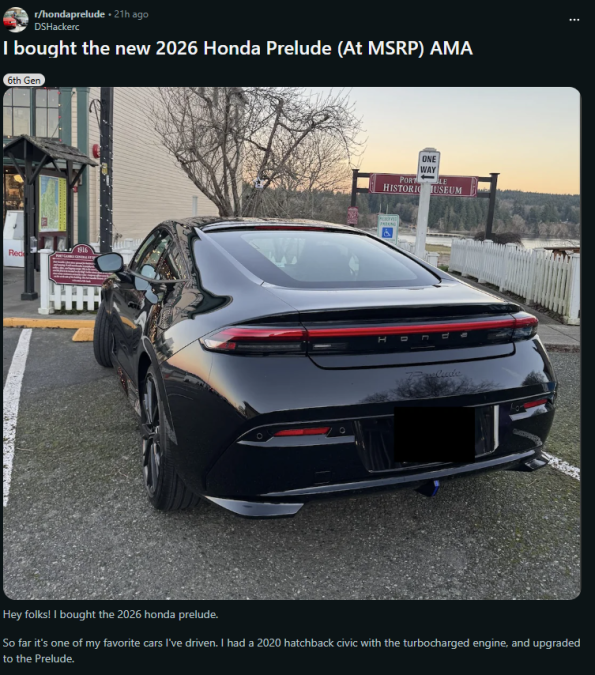
“Hey folks! I bought the 2026 Honda Prelude.
So far, it's one of my favorite cars I've driven. I had a 2020 hatchback Civic with the turbocharged engine, and upgraded to the Prelude.
I found a specific dealership that was trying to offload their Prelude and gave it the MSRP without any extra things. Great deal!
Pros
Super quiet car, handles amazingly, drives amazingly.
Great MPG
Great looks, I feel happy when I get into the car.
Advertising
Amazing storage in the truck, and with the seats folded down. It almost feels like it fits more things than my Civic hatchback.
Cons
It's not fast (not that I mind, I wasn't looking for a fast car)
Feels similar to the Civic turbo, maybe a bit faster on 0-30 because of the electric motor.
There are blind spots in the car to the right and left, but the blind spot system works well.”
Performance, notably, is not the headline. The owner is upfront about that. This is not a fast car in the straight-line sense, and it was never meant to be. Torque delivery feels similar to the Civic turbo, with a slight edge off the line thanks to electric assistance, particularly from zero to 30 mph. That early responsiveness matters far more in daily driving than quarter-mile bragging rights, and it aligns perfectly with the Prelude’s mission as a refined, usable coupe rather than a weekend toy.
Honda Prelude: Cabin Layout & Daily Drivability
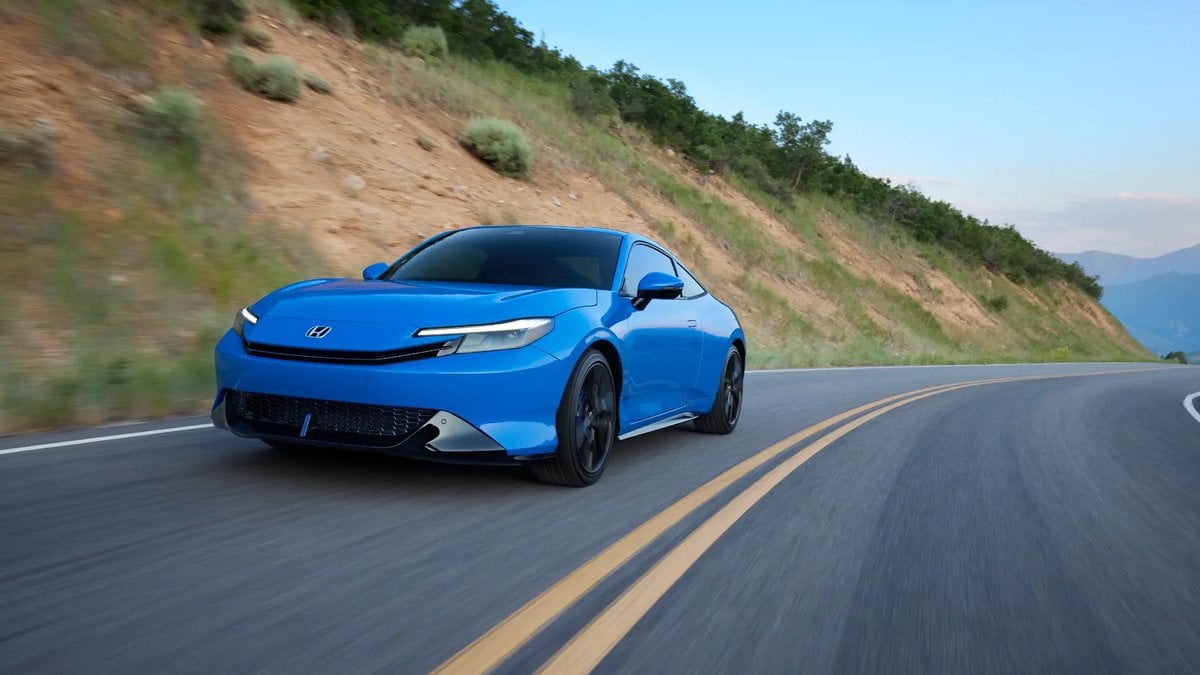
- The Prelude is positioned as a coupe that emphasizes balanced daily drivability over outright track focus, aiming for a lighter, more agile feel than larger performance-oriented models.
- Exterior design cues lean toward a low, clean profile with a long hood and tight proportions, prioritizing visibility and aerodynamics over aggressive styling add-ons.
- Cabin layout is expected to follow Honda’s recent ergonomics-first approach, blending screen-based tech with practical physical controls for core functions.
- As a coupe, practicality will remain a tradeoff, with rear-seat usability and cargo access likely secondary to driver-focused packaging.
Where the car seems to genuinely surprise people is its practicality. Storage is repeatedly mentioned, and not as an afterthought. The trunk is large, usable, and well-shaped, and folding the rear seats opens up space that rivals, and in some cases exceeds, what the owner had in his Civic hatchback.
The fact that a full Costco run fits without drama becomes a recurring theme, and it speaks volumes about how Honda packaged this car. In an era where coupes often punish you for choosing style, the Prelude quietly refuses to.
Fuel economy plays a major role in the decision as well. The owner cross-shopped cars like the GR86 and even considered a Supra, but those options fell apart under real-world math. A 20 mpg sports coupe that cannot make a Seattle-to-Vancouver round trip on a single tank simply does not fit the intended use case. The Prelude does, delivering strong mileage while remaining comfortable and composed over long distances. That balance is the entire point of the car, and it shows.
There are compromises, but they are honest ones. Blind spots to the left and right are noticeable, a consequence of the coupe’s shape and styling priorities, though the blind-spot monitoring system does its job effectively. The car is also not trying to impress anyone with raw speed, which the owner openly welcomes. The satisfaction comes from how it drives, how quiet it is, and how it makes him feel every time he gets behind the wheel. That last part, as another commenter noted, is the most important metric of all.
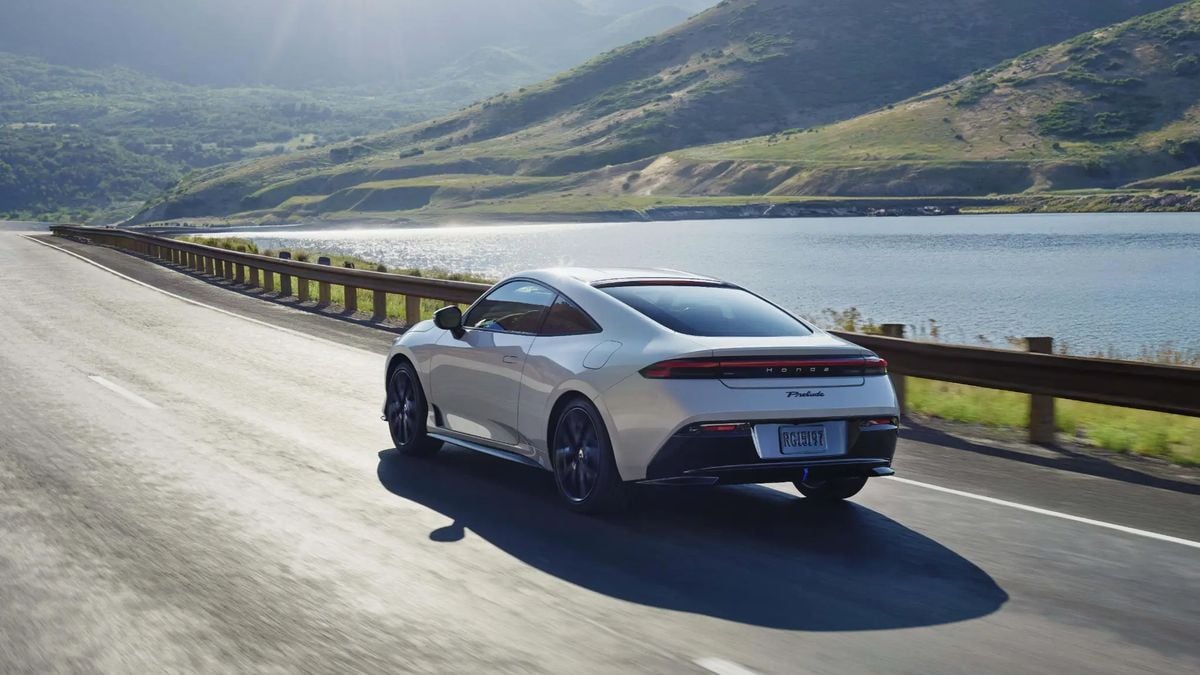
Perhaps the most revealing part of the story is emotional rather than technical. “I feel happy when I get into the car,” the owner wrote, and it is hard to fake that kind of reaction. In a market crowded with aggressively styled, aggressively priced performance cars, the Prelude succeeds by being pleasant, thoughtful, and complete. It does not demand sacrifices to justify its existence.
The revived Prelude feels less like a retro throwback and more like a quiet correction. It acknowledges that not everyone wants a track weapon or a 400-horsepower commuter. Some buyers want a good-looking car that handles well, sips fuel, carries groceries, and makes the daily drive feel a little better than it has to. For at least one persistent buyer willing to make a lot of phone calls, the 2026 Prelude delivers exactly that.
Image Sources: Honda Media Center
Noah Washington is an automotive journalist based in Atlanta, Georgia. He enjoys covering the latest news in the automotive industry and conducting reviews on the latest cars. He has been in the automotive industry since 15 years old and has been featured in prominent automotive news sites. You can reach him on X and LinkedIn for tips and to follow his automotive coverage.
Set Torque News as Preferred Source on Google
Follow us today...