
Yesterday on Torque News, I explored a Facebook group discussion about a 2023 Toyota Tacoma owner facing a $1,500 quote to replace a rear passenger wheel bearing. The post sparked an interesting debate about dealer repairs, local shops, and DIY options, with readers sharing experiences that ranged from outrageous quotes to creative fixes. But this afternoon, a comment from a local shop owner brought a new perspective, one that highlights the unexpected costs and risks when vehicle owners skip the dealership entirely.
Krystal Cane, a shop owner in the United States, wrote:
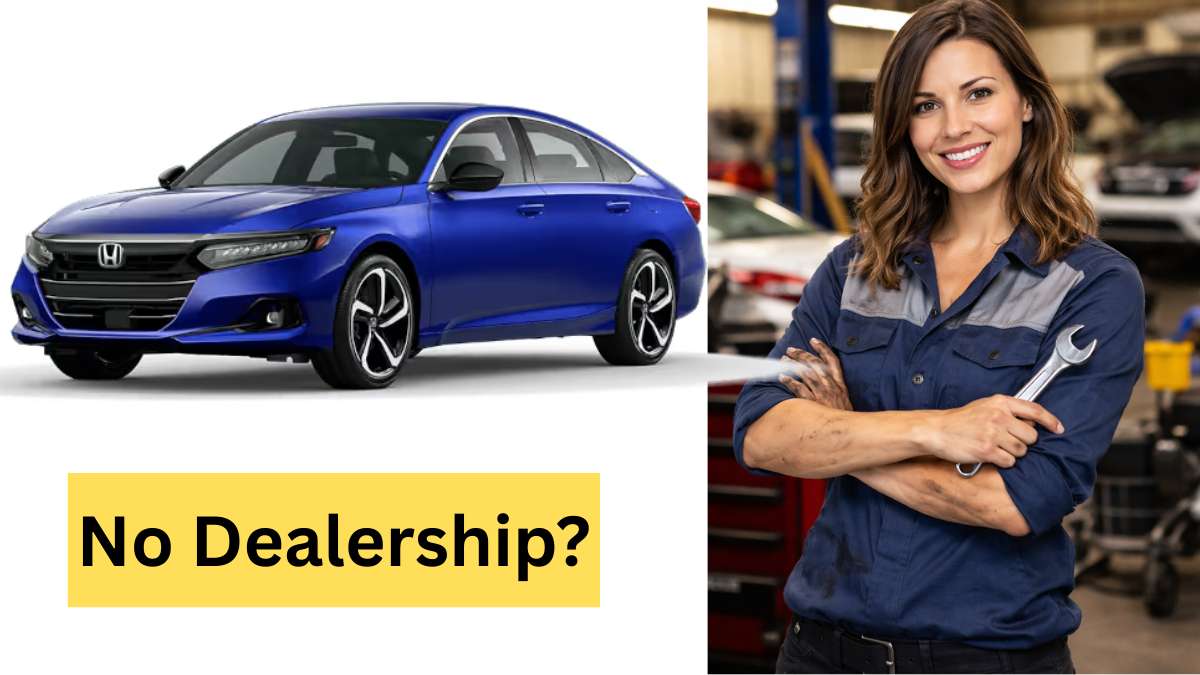
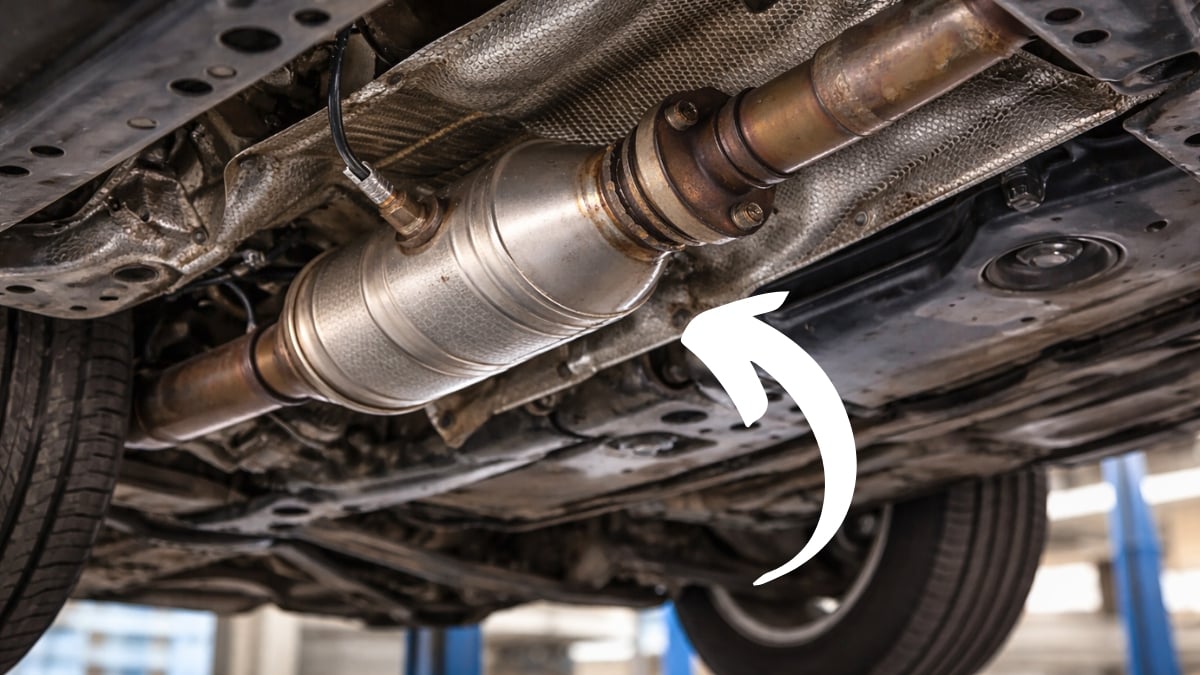
"Don't take it to a dealership? I get sick of hearing that same thing. Two days ago, I had a Honda Accord that came into our shop. The car had never been to our shop before. The customer was going to try and get it smogged. They were not the original owner of the vehicle; they bought it second-hand. Well, when it was going to be smogged, the car had a check engine light code but no check engine light. The code was for the catalytic converter. So, the previous owner probably found out the catalytic converter was bad and decided to remove the instrument cluster from the car and break the LED out of the instrument cluster itself. This isn't a serviceable part; it's not a replaceable bulb. But if this person would have gone to the dealership, they would have found out that the car still had a warranty on the converter. I also noticed somebody replaced both the AF sensor and O2 sensors on the car, and the mass air flow sensor for some reason, because they were all aftermarket. So, they destroyed an instrument cluster, wasted money on three sensors they didn't need for a covered component. So yeah, now 'don't take it to the dealership?' And yes, I did replace the catalytic converter for the car under warranty, but the other items, such as the instrument cluster being damaged, are something they're going to pay for out of pocket because somebody decided not to take the car to the dealership."
That comment is striking. While yesterday’s Tacoma discussion highlighted dealer cost concerns and the value of small shops or DIY approaches, Krystal’s example shows the hidden downside of bypassing the dealership: expensive mistakes, lost warranties, and unnecessary replacements. It’s a perspective that every vehicle owner should consider before deciding where to get service done.
Why Taking Your Car to the Dealership Can Save Money
Many vehicle owners instinctively want to avoid dealer labor rates, thinking a local shop or DIY fix is cheaper. And in some cases, that can be true, as seen in the Tacoma thread where Roger Klemkosky shared he paid under $500 at a trusted local shop. But Krystal’s Honda example reminds us that the cheapest upfront option isn’t always the best. Ignoring warranty coverage or bypassing proper diagnostics can create far higher costs later, as with the destroyed instrument cluster and unnecessary aftermarket sensors.
For anyone curious about real-world consequences, my previous coverage on Toyota wheel bearing maintenance and the repair fixes for common Toyota issues shows that skipping authorized service can turn a routine repair into a complicated financial headache. Dealerships not only have specialized tools but access to OEM parts and warranty data that can prevent unexpected repairs and unnecessary replacements.
The Unexpected Risks of Aftermarket Repairs
Krystal’s case highlights the dangers of aftermarket solutions. The previous owner of the Honda Accord installed aftermarket AF, O2, and mass air flow sensors and tampered with the instrument cluster. I mean these are actions that led to damage and extra cost. What seemed like a small fix turned into a multi-part repair bill that could have been avoided entirely under warranty.
It’s a scenario that also resonates with the Tacoma wheel bearing story. In that thread, readers considered DIY presses, small shop labor, and even supplying their own parts (DIY tips and education for Toyota owners). While learning to do your own work is valuable, it comes with risks, and sometimes the skill gap or missing equipment leads to damage and higher costs. And this is exactly what Krystal warned against.
And while Krystal’s story focuses on warranty and repair cost issues, it’s worth remembering that catalytic converters themselves have become prime targets for thieves, adding yet another layer of stress and expense for vehicle owners. In a separate Torque News report about which vehicles are targeted most often for catalytic converter theft you’ll see how theft trends are forcing owners to think ahead about protection, insurance coverage, and whether a dealer installed part might come with options that deter theft or are easier to replace under warranty.
Dealer Diagnostics: Knowing What You’re Really Paying For
One key advantage Krystal pointed out is proper diagnostics. When a dealer scans a vehicle, they can identify warranty-covered components and prevent unnecessary repairs. In the Honda’s case, the catalytic converter was still under warranty, but the instrument cluster and aftermarket sensors created a tangled mess. A dealership would have flagged the warranty coverage and avoided the unexpected repair costs entirely.
This mirrors a recurring theme from yesterday’s Tacoma story. Small shops may save money on labor, but without access to a full database of warranty coverage or the OEM diagnostic software, costly mistakes can happen. My article on avoiding common car repair scams (simple touch test guide) emphasizes the same point: knowledge and verified diagnostics are powerful tools that can prevent owners from paying for work they don’t actually need.
Balancing Cost, Convenience, and Peace of Mind
So, how should a vehicle owner decide? The story of the Tacoma showed readers debating labor costs and DIY solutions. Krystal’s Honda example adds the counterpoint: ignoring dealer service can create unexpected, expensive outcomes. The takeaway is simple: weigh cost savings against risk, warranty coverage, and the complexity of the repair.
Being informed is the moral here. Taking the time to understand warranties, diagnostics, and proper procedures makes you a better decision-maker. It encourages careful thought, patience, and even a little selflessness, protecting your investment while respecting the work of professionals. Whether it’s a wheel bearing on a Tacoma or a catalytic converter on a Honda, the right choice is not always the cheapest upfront.
Practical Tips for Vehicle Owners
- Check Warranty Coverage: Before deciding on a shop, know if your repair is covered. A dealership can save you money on covered parts and labor.
- Ask About Diagnostics: Ensure the shop properly scans the vehicle. OEM scans reveal issues others might miss.
- Consider the Complexity: Some repairs, like wheel bearings or catalytic converters, may require specialized tools. DIY is an option only if you have proper equipment and experience.
- Verify Shop Reputation: Whether local or dealership, confirm the shop has experience with your make and model.
- Learn About Preventive Maintenance: Regular inspections can prevent unexpected breakdowns and limit costly repairs (wheel bearing maintenance guide).
Taking these steps helps ensure that even if a dealer quote seems high, you understand exactly what you are paying for and avoid the unlikeable consequences of skipped warranty coverage or poor diagnostics.
Krystal’s story is a reminder that not all savings are visible on the invoice. Skipping the dealership may feel like the smartest move at the moment, but it can lead to unexpected expenses and irreversible mistakes. In the Tacoma discussion, readers debated local shops and DIY solutions, and each choice has its own risks and rewards. The Honda example adds balance: sometimes spending a little more upfront, or trusting the dealership, actually saves money and frustration in the long run.
So, here’s what I want to ask readers: Have you ever bypassed a dealership and later discovered a covered repair you could have used for free? And how do you decide when to go to a dealer versus a trusted local shop for expensive or complex repairs? Please, share your personal experiences in the comments below because your story could save someone else thousands of dollars.
Image source: Honda and personal creativity.
About The Author
Armen Hareyan is the founder and Editor-in-Chief of Torque News and an automotive journalist with over 15 years of experience writing car reviews and industry news. Now based in the Charlotte region (Indian Land, SC, he founded Torque News in 2010, which since then has been publishing expert news and analysis about the automotive industry. He can be reached at Torque News on X, Linkedin, and Youtube. Armen holds three Masters Degrees, including an MBA, and has become one of the known voices in the industry, specializing in the landscape of electric vehicles and real-world stories of actual car owners. Armen focuses on providing readers with transparent, data-backed analysis bridging the gap of complex engineering and car buyer practicality. Armen frequently participates in automotive events throughout the United States, national and local car reveals and personally test-drives new vehicles every week. Armen has also been published as an automotive expert in publications like the Transit Tomorrow, discussing how will autonomous vehicles reshape the supply chain, and emerging technologies in vehicle maintenance.
Set Torque News as Preferred Source on Google
Follow us today...