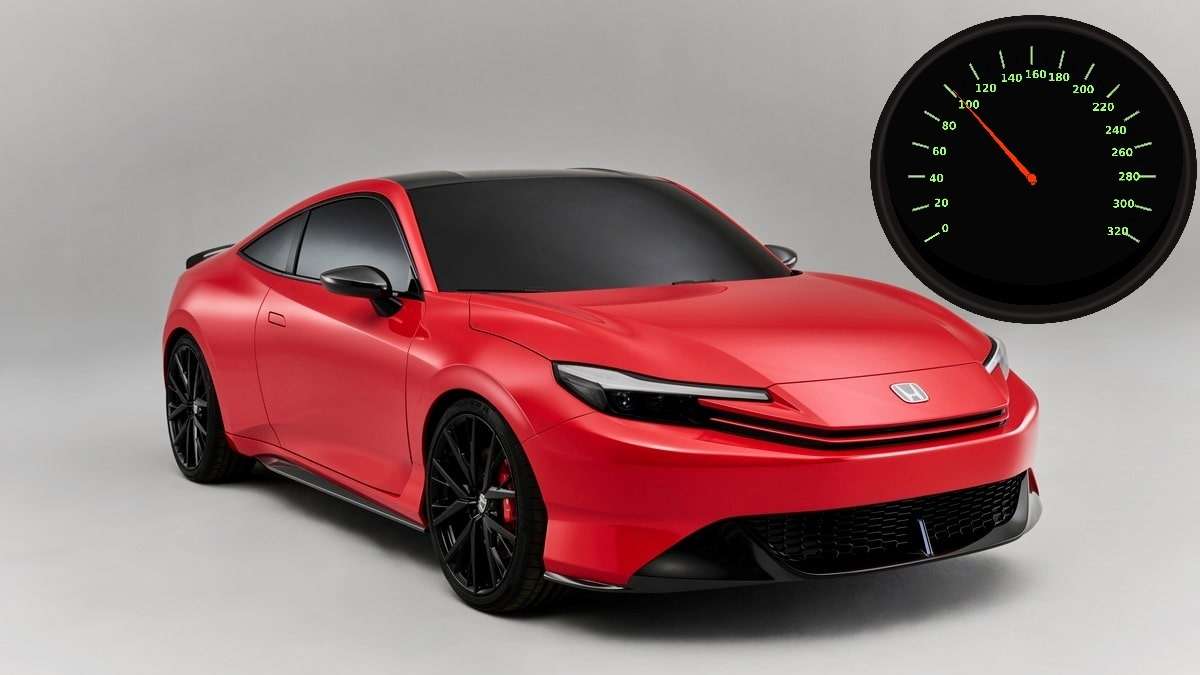

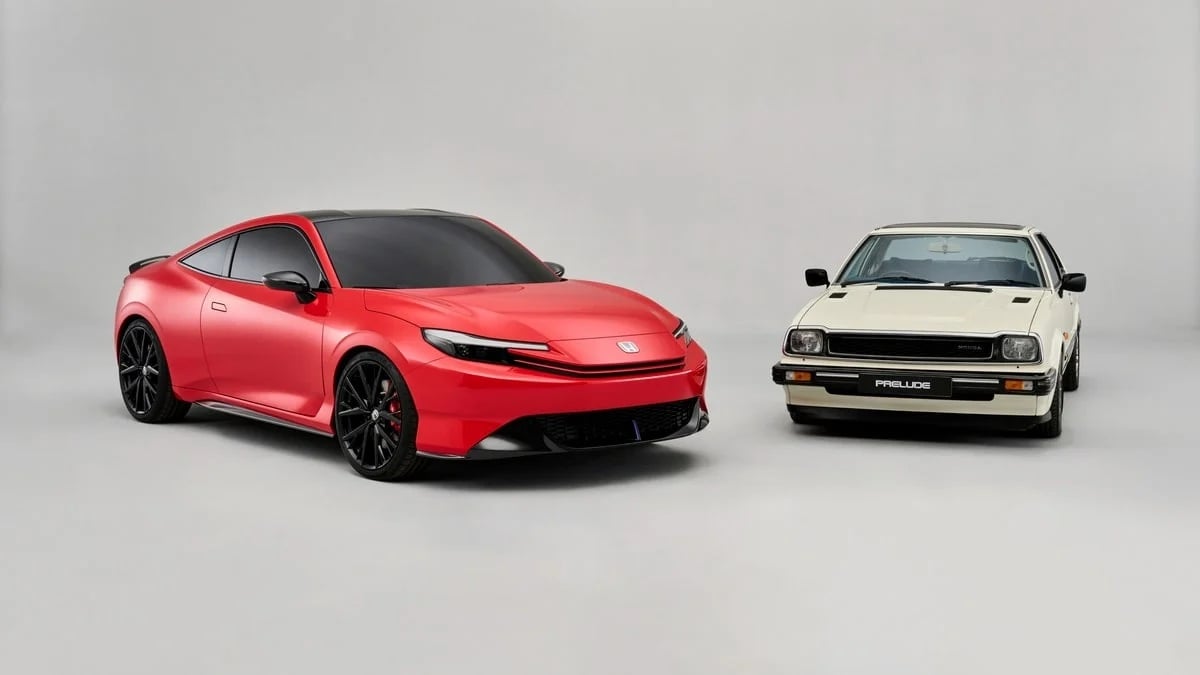
Honda Prelude was recently revived for its sixth generation, and despite surpassing sales expectations in its home market, in Japan, the sports car wasn’t what many fans wanted. For years, Honda was behind on the electrification front, but now, the brand seems to be overdoing it a bit.
The Prelude wants to appeal to those who believe “driving a slow car fast is more fun than driving a fast car slow” and while I can get behind that sentiment, the fact of the matter is, the Prelude should have been a bargain performance car… which it is not. People on Reddit are already outraged at the $43,195 MSRP, but that’s not even the worst part.
The new Honda Prelude is slower than I expected
If you aren’t disappointed enough, wait until you hear what the 0 to 60 mph time is. While there are no official figures yet, a recent video by Cars0-60 on YouTube shows the 2026 Honda Prelude accelerating from a standstill. There is no timer on the video, but from what I see, and what the captions indicate, the new Prelude sprints from 0 to 60 mph in 8.2 seconds.
This is slower than the more affordable Honda Civic e:HEV, which is front-wheel-drive only, but still manages a 6.3-second sprint to 60 mph. Granted, the acceleration video lacks context. We don’t know at what altitude above sea level the test was conducted.
The electric part of the drivetrain (which is quite significant) should offset most of the power loss the internal-combustion engine experiences at higher altitudes (due to lower air density). Nevertheless, it is not something prospective buyers would want to see, as it makes the new Prelude look slower than similarly powered cars like the Toyota GR86 and Mazda MX-5 Miata, both of which are going to be completely redesigned soon.
Does the new Honda Prelude’s impressive tech count for something in the sports car world?
The 2026 Honda Prelude packs clever tech like the e-axle. You also get Type-R suspension and brakes for sharper handling, and the S-plus shift strategy, which mimics an automatic transmission with paddle-shifters. In fact, we see the Prelude’s manual mode in action as the driver shifts to fourth gear before reaching 60 mph. The gears are short, allowing the 2.0-liter normally-aspirated engine to stay in the power band, bringing the RPMs down to around 5,000 RPM on each upshift.
On paper, the Honda Prelude looks impressive, but the reality is grim
Its combined output is 200 horsepower and 232 pound-feet and the Prelude weighs 3,200 pounds, all going to the front wheels. The 2.0-liter engine produces 141 horsepower at 6,000 RPM and 134 pound-feet at 4,500 RPM. The e-motor is more powerful, as it provides a peak output of 184 horsepower and 232 pound-feet.
If you are thinking that $43,195 is too much for a 200-horsepower car with front-wheel drive, you may be right. The European version packs 20 fewer horsepower and will likely be even more expensive. The good news is that other, more driver-focused variants of the Honda Prelude are on the way, and will likely render the current one obsolete.
Related story: The One Thing About The New Honda Prelude That Everyone Seems To Miss
It is hard to believe that the 2026 Honda Prelude is almost 2.0 seconds slower to 60 mph than the more affordable and more practical Civic e:HEV. That 8.2-second figure certainly isn’t a good look, which is why getting official readings is important. Given it shares the same powertrain as the hybrid Civic, I suspect a mid-six-second 0 to 60 mph time is possible.
The 1997 Honda Prelude Type SH covers the sprint in 6.5 seconds, which means that in almost 30 years, the Prelude hasn’t made any progress in terms of measurable performance. Anyway, what do you think of the Honda Prelude? Would you still buy it knowing this? Let me know in the comment section below.
Image source: Honda Prelude
Set Torque News as Preferred Source on Google
Follow us today...