
When you park your car, and it starts acting like it’s possessed, you have a problem, but when the dealer says it’s all in your head, you have a nightmare.
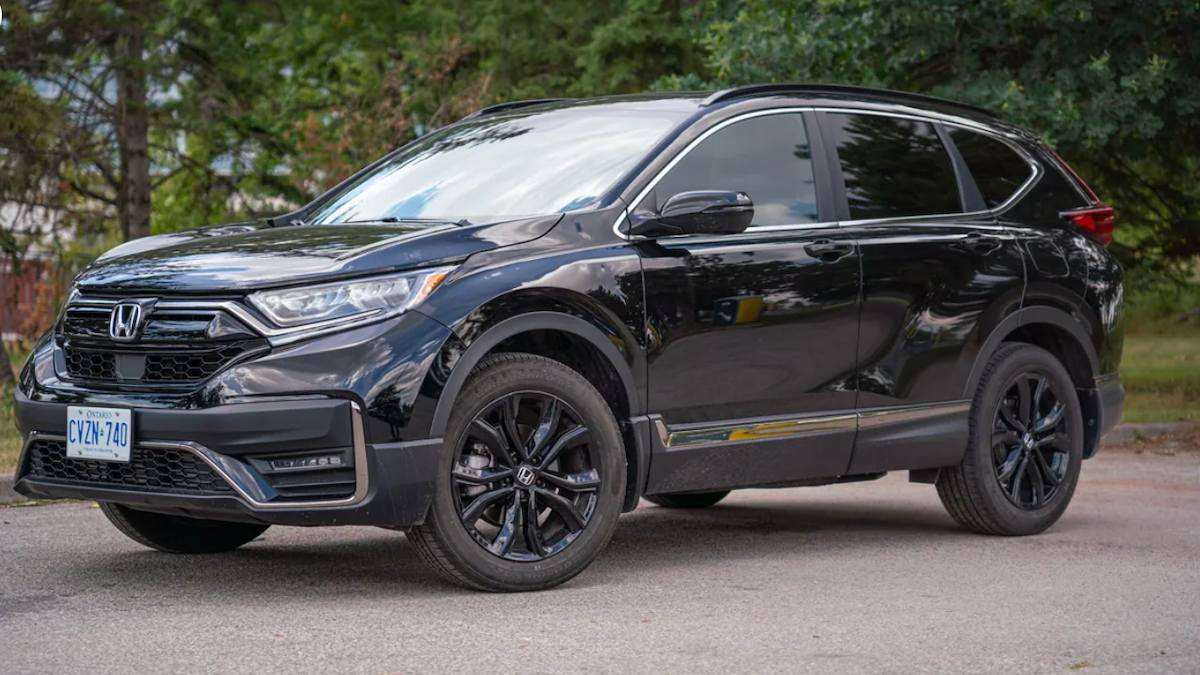
Imagine stepping away from your 2022 Honda CR-V, only to hear the mechanical whir of windows dropping and the thud of a trunk lid opening to the world while your keys sit untouched on a hallway hook. You are left standing in your driveway facing a vehicle that seems to have a mind of its own, yet your local mechanic insists the computer logs are perfectly clean.
Lavender Hill on the Honda CR-V Community Facebook page says,
“Does anyone have a 2022 Honda CR-V with electrical problems? The screen on mine sometimes does not respond to changes selected, all my windows went down, and the sunroom opened with the car off, and the trunk has opened by itself twice. Every time I take it to the dealership, they claim they can't find anything wrong. I didn’t have the key fob in my pocket. I just got out of the car, closed the door, and heard a loud bump sound. Regarding the trunk, the keys were on my nightstand and the key on the hook in my hallway. I think this car is possessed, and I'm thinking of trading it in.”
Does This CR-V Have a Ghost?
In my thirty years of covering the automotive industry, I have seen almost every mechanical failure imaginable, but few things frustrate an owner more than intermittent electrical malfunctions that leave no digital footprint. When a vehicle behaves as if it is possessed by spirits, it usually points to a breakdown in communication among the various control modules that run the modern SUV.
Automotive experts at Consumer Reports have noted that electronics remain a significant pain point for many late-model vehicles, stating that owners often face frustrating glitches with infotainment screens and power accessories that dealers struggle to replicate during a standard service visit.
I have tracked these specific Honda reliability trends for decades, and, as I recently noted in a deep dive for Torque News, many Honda CR-V owners are reporting strange dashboard glitches and electronic meltdowns that can trigger unexpected commands, such as opening the tailgate or rolling down the windows. When a car’s voltage fluctuates, the Body Control Module (BCM) can receive "ghost" signals that it interprets as legitimate commands from a key fob, even if that fob is hundreds of feet away.
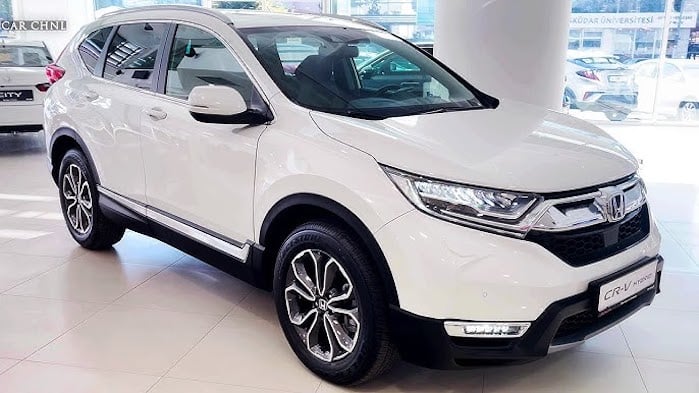
The technical complexity of the 2022 Honda CR-V means that a single loose ground wire or a microscopic bit of corrosion in a wiring harness can create havoc. According to the automotive data site CarComplaints, several owners have reported unintended window opening and tailgate malfunctions in newer Honda models, often leading to a cycle of "could not reproduce" results at the service center. This lack of a diagnostic trouble code (DTC) makes the dealership’s job difficult, but it does not make the owner's experience any less real or dangerous.
As a Senior Reporter covering these specific automotive defects, I’ve found that high-tech features often lead to high-stress repairs when they fail. I’ve detailed how many Honda CR-V owners are experiencing safety-related sensor failures and tech glitches that the manufacturer often dismisses as normal operation. If the BCM thinks the "unlock" command is being held down due to a short circuit or software loop, every window in the car will drop simultaneously to vent the cabin, regardless of whether you are standing next to the car or sleeping in your bed.
Key Takeaways for Honda Owners
- Document Everything: Use your smartphone to record video of the windows or trunk acting up; visual proof is the only way to bypass a "no code found" technician report.
- Check the 12V Battery: A weak battery can cause low-voltage conditions that scramble the BCM's logic.
- Disable the "All-Open" Feature: Ask your dealer if the window-roll-down feature via the fob can be deactivated via their proprietary software.
- Open a Corporate Case: If the dealer fails you, contact Honda's national customer service line to request a field engineer.
Why the Dealer Can't "Find" the Problem
Dealership technicians are trained to follow a specific flowchart: connect the scanner, look for a fault code, and follow the repair steps. If the 2022 Honda CR-V electrical system doesn't throw a code, the tech is often prohibited from "parts cannoning" the car by replacing expensive modules under warranty. This creates a stalemate. You know your car is broken; their computer says it is perfect.
To find the 2022 Honda CR-V ghost in the machine fix, we have to look at the power distribution. Modern cars utilize a "CAN bus" system, which is essentially a high-speed internet for your car’s parts. If a sensor in the door handle gets wet or a wire is pinched, it sends a "noise" signal down the line. The car might think you are holding the unlock button or kicking the hands-free tailgate sensor. These are common Honda CR-V electrical problems that usually require a software flash or a better-insulated wiring harness.
How to Handle a 2022 Honda CR-V Lemon Claim
If your car continues to open itself to the elements or intruders, you should consider the legal protections available. Seeking a Honda CR-V lemon law settlement is a reality for some. If a dealer fails to fix the same safety-related electrical issue three or more times, you may be entitled to a buyback. My advice is to keep a detailed log of every date, time, and weather condition when the "gremlins" appear.
What CR-V Owners Are Saying
The community is buzzing with similar stories, proving that Lavender Hill is not alone in her frustration.
One Reddit user noted their frustration with the infotainment system, saying, "The screen just goes black or stays on the backup camera while I'm driving forward, and the dealer says it's just my phone cable."
Another user shared a terrifying experience with the tailgate: "I walked out to my garage and the trunk was pinned against the garage door; I know I didn't touch the remote."
Regarding the windows, a frustrated driver posted, "All my windows were down in a rainstorm while the car was locked in my driveway. Honda tells me I must have sat on the fob."
When Honda service tells you that you are imagining things.
A car that opens its own windows and trunk is more than just a nuisance; it is a security risk and a potential for thousands of dollars in water damage. While Honda builds some of the most reliable engines on the planet, their transition into highly complex, software-driven convenience features has hit a few bumps in the road. Do not let a service advisor tell you that you are imagining things. Use the tools of documentation and corporate escalation to ensure your CR-V remains a reliable partner rather than a possessed liability.
It's Your Turn: Have you experienced "ghost" behavior with your Honda’s windows or trunk? Tell us your story in the comments below.
Next Up: If you think a "haunted" sunroof is bad, imagine the shock of opening your rear hatch only to have it soak you from head to toe. I recently investigated a bizarre defect where water collects inside the tailgate of newer CR-V models, and the dealer’s response is just as baffling. Click here to read "I Opened My Honda CR-V Rear Hatch and It's Peeing All Over My Leg, the Dealer Claims They've Never Seen This Before."
Denis Flierl is a Senior Reporter at Torque News with over 30 years of hands-on experience in the automotive industry. Having served as a professional test driver and industry consultant for major automakers such as Chevrolet, Ford, Toyota, Honda, and Tesla, Denis provides a "boots-on-the-ground" perspective that goes beyond standard reporting. Since joining Torque News in 2012, he has specialized in cutting through market noise to deliver data-backed analysis and real-world owner stories. His work focuses on navigating the transition to EVs and the shifting automotive market.
Have a tip or question for Denis? > Engage with him directly on LinkedIn for industry analysis, or follow his latest updates on X @DenisFlierl and @WorldsCoolestRides. You can also find his latest car features on Facebook and Instagram.
Photo credit: Denis Flierl
Set Torque News as Preferred Source on Google
Follow us today...