
She escaped the "jerky" Mazda only to feel every pebble in her new Honda CR-V Sport. Is the modern car suspension actually getting worse, or is there something else going on?
Imagine trading in a vehicle that felt like a bucking bronco, hoping for the serene, cloud-like comfort of a brand-new SUV, only to find yourself feeling every grain of sand on the asphalt. You find yourself longing for the suspension of your twenty-year-old car, wondering if modern "luxury" has actually become a step backward in ride quality. This is the exact dilemma facing one new owner who discovered that leaving a jerky transmission behind didn't necessarily lead to the smooth ride she expected.
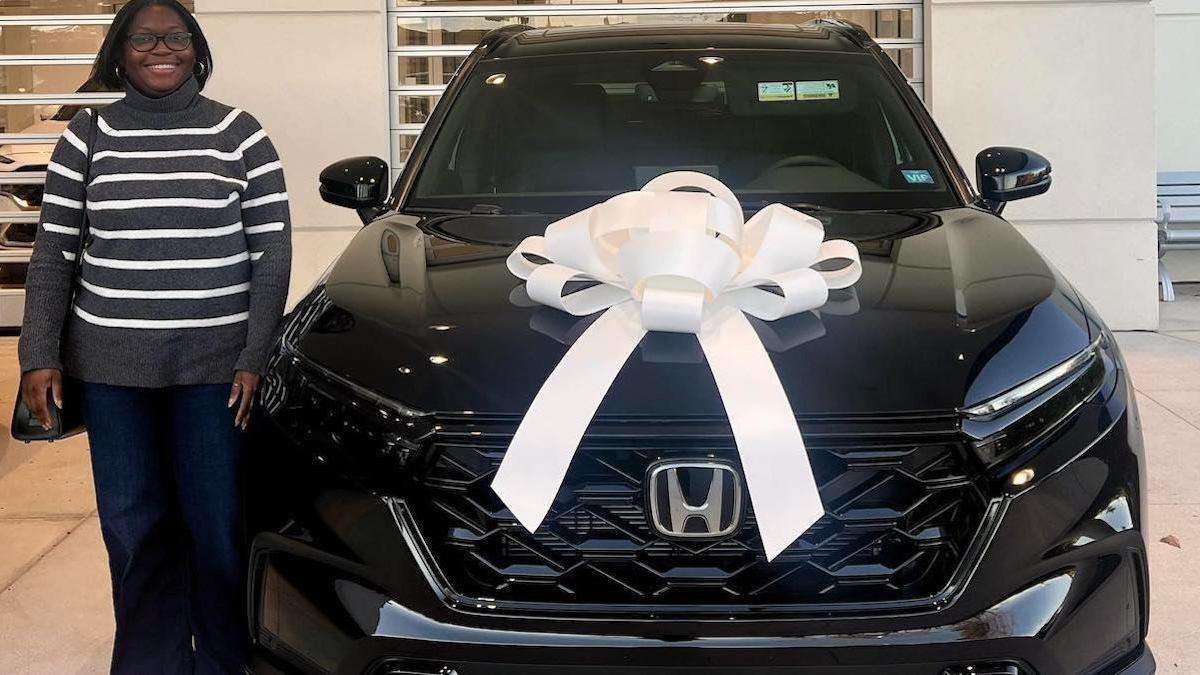
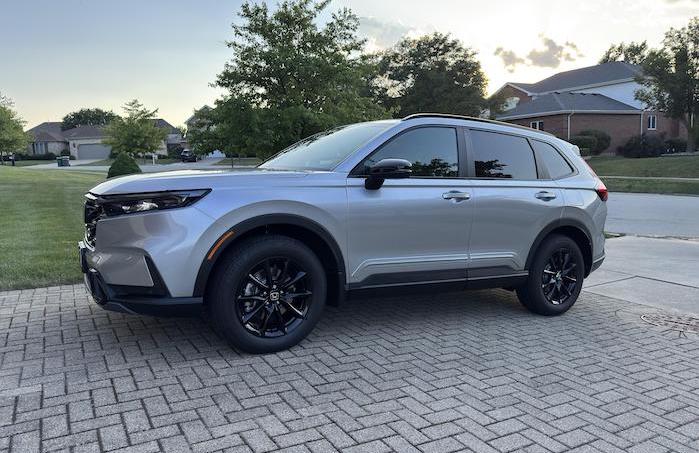
In a recent post shared with the Honda CR-V 6th Generation Facebook Discussion Club, Sharron Wilson highlighted the frustrating reality of modern SUV ride quality after trading in her "jerky" Mazda CX-70 for a 2026 Honda CR-V Sport L, which still fails to deliver a smooth experience. She says,
“I traded in my 2025 Mazda CX-70 a few weeks ago because it was jerky and the ride was bumpy. It jerked when I accelerated, when I braked, and sometimes when I was coasting. Now I have a 2026 Honda CR-V Sport L. It’s not jerky, thank goodness, but I can feel every bump in the road! Is this a new car thing? I just wish it felt smoother. I’ve never had a new car before the Mazda. I LOVED that Mazda, looks-wise. So pretty, inside and out. But the rough ride drove me crazy. I had my last Honda for 18 years. It was a 2003, and I think it drove more smoothly. Yes, I test drove my CR-V Sport, but I didn’t notice it then. I just want a smooth luxury ride.”
The "Sport" Tuning Trap
In my three decades of testing vehicles, I have seen the "Sport" badge become a double-edged sword for the average driver. When you opt for a trim like the CR-V Sport L, you aren't just paying for blacked-out wheels and aggressive styling; you are buying into a specific suspension philosophy. Honda engineers these models with stiffer springs and revised shock absorber dampening to ensure the car stays flat during high-speed cornering and aggressive lane changes. While this makes the SUV feel more "planted" and car-like for a performance-oriented driver, it effectively eliminates the "compliance" needed to soak up expansion joints and potholes.
This "sport-tuned" setup is designed to transmit more road information to the driver’s hands and seat, which is the literal opposite of a "luxury" ride. In a luxury vehicle, the suspension is tuned to isolate the cabin from the environment. In a Sport trim, the suspension is tuned to connect you to it. For someone coming from an 18-year-old vehicle that utilized soft, long-travel suspension and thick rubber tires, this modern stiffness feels less like "performance" and more like a defect. Unfortunately, what Sharron is experiencing isn't a broken car; it is a car performing exactly as its "Sport" label intended.
What I Tested
As a Senior Reporter for Torque News with 30 years in the trenches of the automotive industry, I have seen the evolution of the compact SUV from utilitarian boxes to the tech-heavy machines they are today. When Sharron mentions she can "feel every bump," she is touching on a very real engineering shift in the 6th-generation CR-V. While many praised the redesign, some Edmunds experts noted that, even though the suspension is controlled, you will still feel bumps and cracks in the pavement, even if they recover quickly. I have personally spent countless hours behind the wheel of these 6th-gen models, and I can tell you that the "Sport" designation isn't just a badge; it often means a firmer dampening setup that prioritizes handling over the plushness of yesteryear.
In my previous reporting on the current Honda lineup, I've observed that the CR-V rides smoother than some competitors, but the jump from a 2003 model to a 2026 model is a massive culture shock for the spine. Back in 2003, SUVs used smaller wheels and much taller tire sidewalls, which acted as primary shock absorbers. Today, the 2026 Honda CR-V Sport L comes standard with 18-inch or 19-inch gloss-black wheels. These larger rims require low-profile tires, meaning there is significantly less rubber to cushion the blow from a pothole or road seam.
Why The Mazda Failed Her
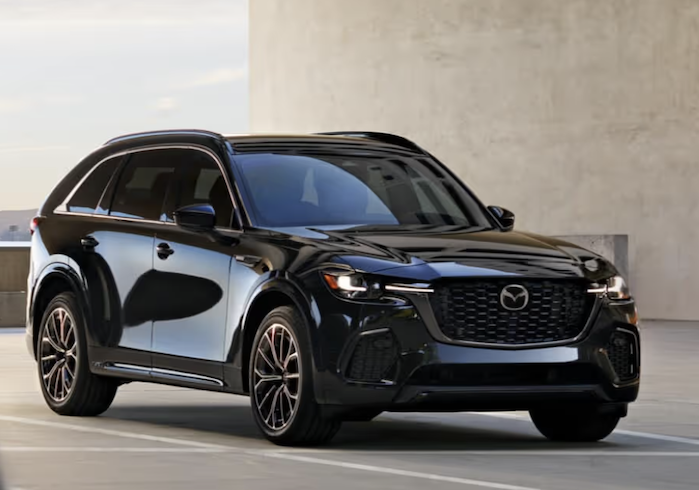
The Mazda CX-70 Sharron left behind is a prime example of a vehicle with "first-gen kinks." The jerky sensation she described is a known characteristic of Mazda’s new 8-speed transmission and mild-hybrid setup. Experts at Lemberg Law have documented that many owners report sluggish, jerky behavior at low speeds during gear shifts. This creates a psychological trap for buyers: you are so relieved to escape a transmission that lurches that you might overlook a stiff suspension during a brief 15-minute test drive on a well-paved dealer loop.
I have found in my own evaluations that the hybrid powertrain can get loud and unpleasant when pushed, which only adds to the sensation that the car is working "harder" and feeling "busier" on the road. When the engine revs high to charge the battery while you're hitting a bump, the tactile and auditory feedback combine to make the ride feel unrefined compared to an old-school, naturally aspirated engine from the early 2000s.
My Personal Take
If you are looking for that "luxury" float, the Sport L trim is the wrong choice. From my perspective, the pursuit of "sporty" aesthetics has ruined the ride quality for the average commuter. We are seeing a trend where manufacturers stiffen the chassis to achieve better "cornering" scores in magazine tests, but it results in a daily driver that feels jittery. To fix this, I often recommend that owners look into "downsizing" their wheels. Swapping those 19-inch Sport wheels for 17-inch rims with a higher-profile tire can transform the CR-V into the smooth cruiser you actually wanted.
Key Takeaways
- Sidewall Matters: Modern large wheels reduce the "air cushion" between you and the road.
- Sport Tuning: Trims labeled "Sport" are often intentionally stiffer; for comfort, the EX-L with smaller wheels is usually the better bet.
- Check PSI: Many cars are delivered with over-inflated tires (often 40+ PSI) for shipping; check your door jamb and lower them to the recommended level (usually 32-33 PSI) for an instant improvement.
What CR-V Sport Owners Are Saying
Community feedback on the 6th-gen ride quality is mixed, often depending on what the owner drove previously. One Reddit user echoed Sharron's sentiment about the factory rubber, stating, "Tires are terrible. Changing them makes a significant difference," as you can read in the full discussion here.
Another owner pointed out that the seat design itself might be the culprit for feeling the road too much, noting that "the leather seats took a bit to break in" and that they initially felt less comfortable than the cloth seats in lower trims, as in this Reddit thread.
It Will Never Float Like A Cadillac
Trading a jerky car for a bumpy one feels like a lateral move, but it is a symptom of how modern SUVs are built. The 2026 Honda CR-V Sport L is a fantastic, reliable machine, but its "Sport" DNA means it will never float like a 2003 Cadillac or even an old 2003 Honda. Understanding the relationship between wheel size, tire pressure, and suspension tuning is the only way to find that "luxury ride" in a world obsessed with sporty performance.
How About You? Do you think modern SUVs have become too stiff in the pursuit of "sporty" handling, or do you prefer feeling the road? Click the red link below to write your comment and join the community in sharing experiences.
Next Up: Is the Honda CR-V really the best choice for your retirement? One longtime owner recently made a "shock move" by ditching his CR-V for a competitor after researching reliability scores. Read more about why some owners are looking elsewhere here.
Denis Flierl is a Senior Reporter at Torque News with over 30 years of hands-on experience in the automotive industry. Having served as a professional test driver and industry consultant for major automakers such as Chevrolet, Ford, Toyota, Honda, and Tesla, Denis provides a "boots-on-the-ground" perspective that goes beyond standard reporting. Since joining Torque News in 2012, he has specialized in cutting through market noise to deliver data-backed analysis and real-world owner stories. His work focuses on navigating the transition to EVs and the shifting automotive market.
Have a tip or question for Denis? > Engage with him directly on LinkedIn for industry analysis, or follow his latest updates on X @DenisFlierl and @WorldsCoolestRides. You can also find his latest car features on Facebook and Instagram.
Photo credit: Denis Flierl via Sharron Wilson
Set Torque News as Preferred Source on Google
Follow us today...