
Your midsize truck isn't a heavy-duty rig. Paper specifications lie to you every single day.
I learned this the hard way over three decades of testing vehicles on the steep, unforgiving grades of the Rocky Mountains.
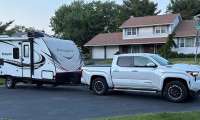
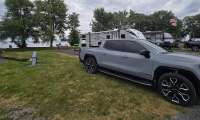
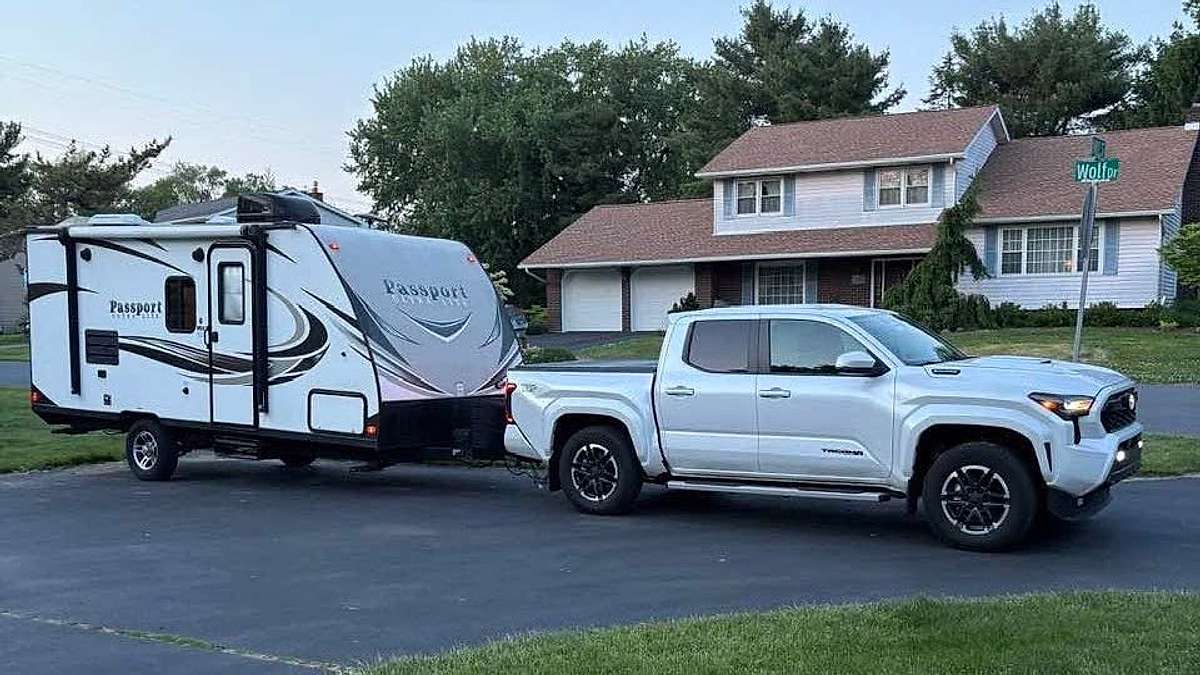
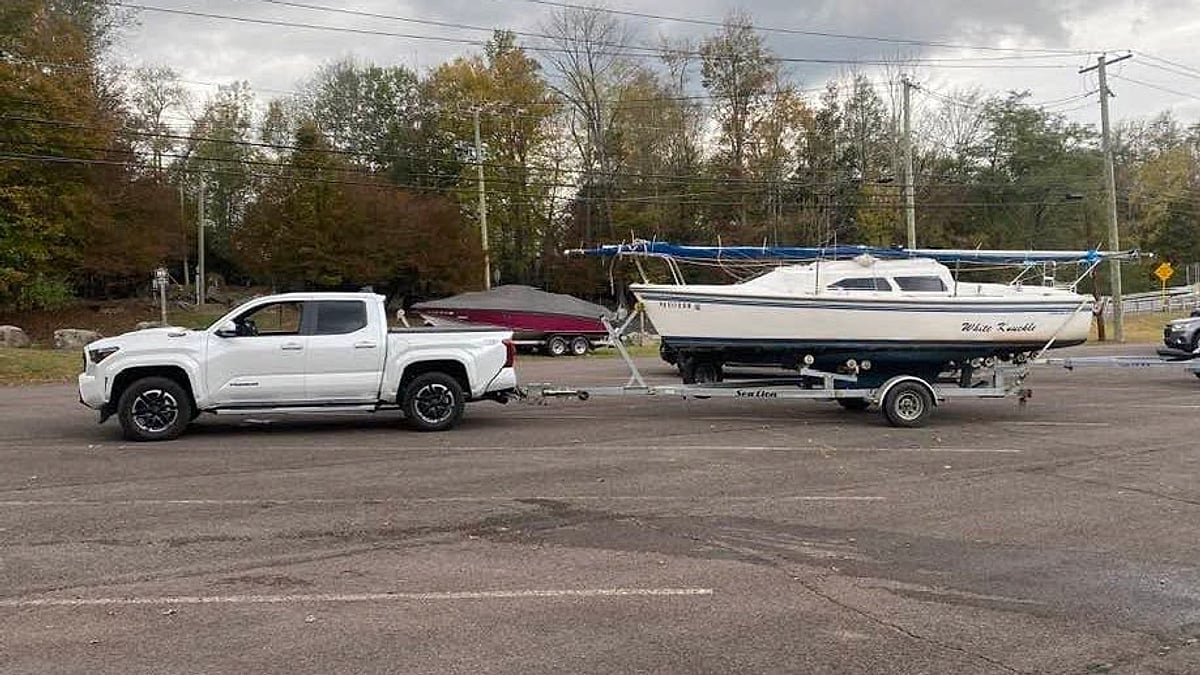
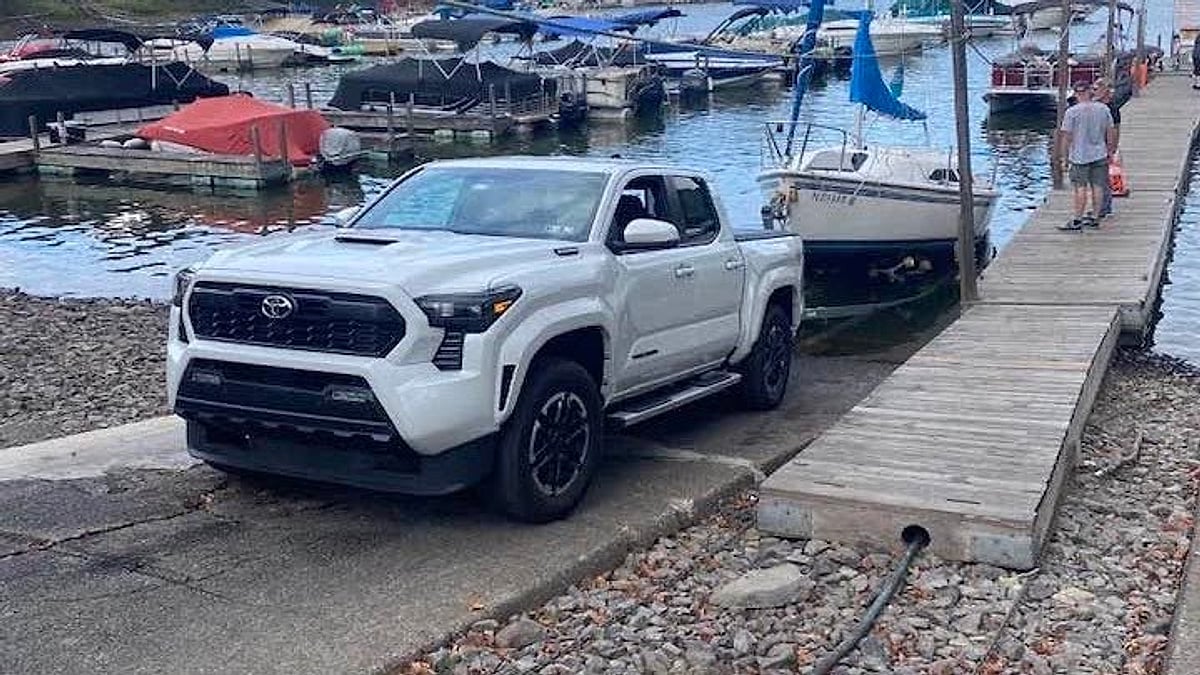
A recent post from a 4th-Generation Toyota Tacoma owner exposed a glaring gap between marketing brochures and real-world physics. Guy Edwards from Allentown, Pennsylvania, shared his experience on the 4th Generation Toyota Tacoma Owners Group Facebook page after hooking up his Passport travel trailer and a 4,500-pound sailboat.
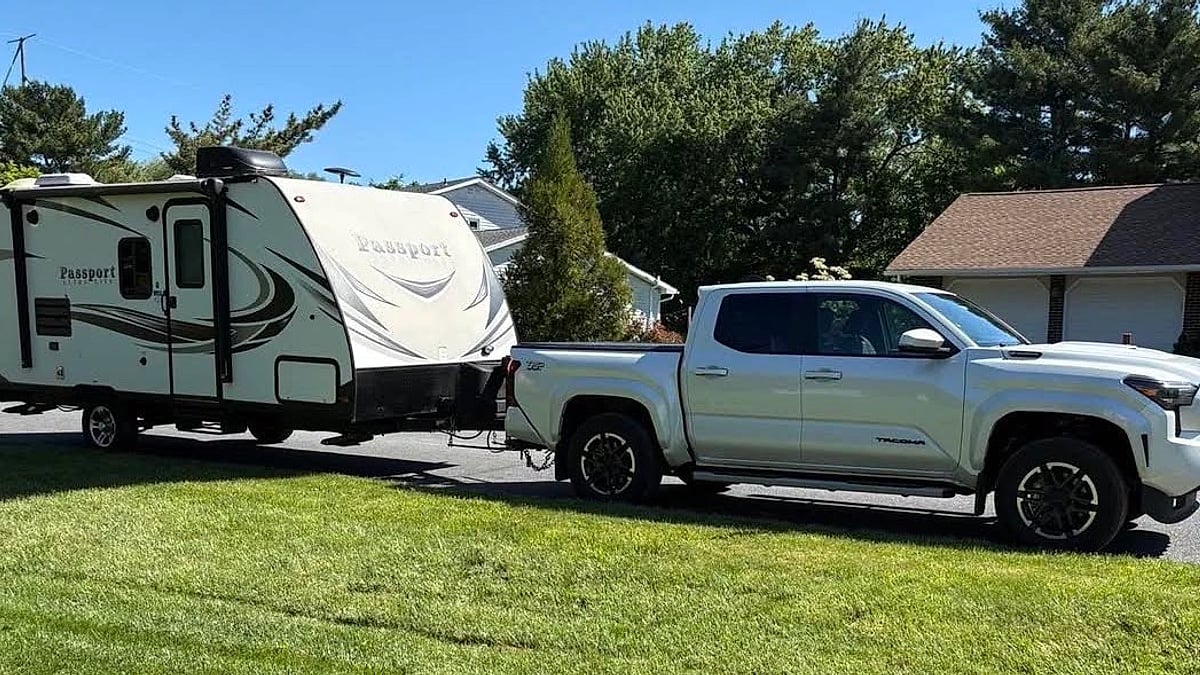
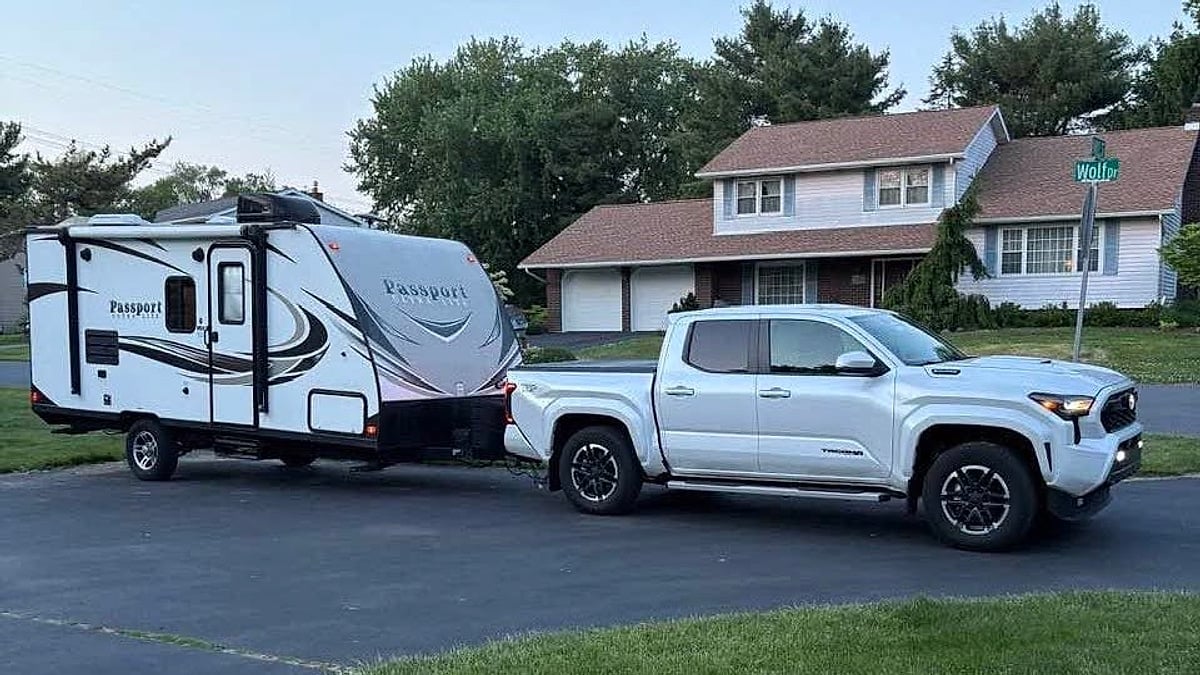
“First tow of my Passport Travel trailer, and I was surprised at how much my 2025 Toyota Tacoma TRD Sport squats with a 450 lb tongue weight. Does anyone use a weight distribution hitch, and does it make a difference? Also, the first time towing my sailboat (white knuckle), she weighs in at about 4,500 lbs with the trailer. Very good acceleration and smooth on the highway, but back roads were bouncy. Glad I only have to tow her twice a year and dock the boat for the season. Honestly, I wouldn’t want to tow much heavier and glad I have trailer brakes. 21.6 mpg towing with the hybrid is excellent!”
The Paper Promise Versus Asphalt Reality
Toyota proudly rates the 2025 Tacoma Hybrid to tow up to 6,500 pounds when properly equipped. However, maximum tow ratings are calculated under ideal laboratory conditions that completely ignore real-world passenger weight, cargo, and dynamic road surfaces.
This hidden payload trap is exactly why many truck buyers inadvertently overload their midsize pickups. In my previous analysis of midsize truck utility limits, I detailed how adding options like the i-Force Max hybrid battery pack significantly reduces a truck’s net payload capacity before you even hitch a trailer.
When you factor in passengers, a couple of coolers, and a 450-pound tongue weight, you are instantly knocking on the door of the truck's maximum legal payload limit.
Why The New Coil Springs Are Bending Under Pressure
The hidden culprit behind this severe rear-end squat is a massive engineering shift hidden beneath the truck's bed. The fourth-generation Tacoma dropped the traditional, stiff leaf-spring rear suspension on higher trims in favor of a modern multi-link coil spring setup.
While this engineering change dramatically improves daily ride comfort and empty handling, coil springs inherently compress much faster under vertical loads than legacy leaf springs.
As noted in a comprehensive long-term towing evaluation by MotorTrend, modern multi-link midsize trucks frequently display pronounced rear-end sag even when pulling loads well below their maximum advertised towing threshold.
This means the truck might have the frame strength and engine power to pull 6,500 pounds, but its everyday suspension isn't stiff enough to support the tongue weight without sagging.
The High-Altitude Bounciness Factor
Towing a heavy boat isn't just about moving forward; it is about maintaining control when the road surface deteriorates. When a truck squats significantly, it unweights the front axle, drastically reducing steering precision and front-wheel braking traction.
This creates the terrifying "white-knuckle" bouncy sensation that Edwards experienced on uneven back roads. Out here in Parker, Colorado, testing setups on severe roller-coaster mountain passes proves that a light front end will cause a vehicle to wander dangerously within its lane.
I previously documented this exact geometric weight shift in an investigative piece, illustrating how severe rear-end sag fundamentally alters a truck’s steering geometry and compromises electronic stability control parameters.
The Unintended Danger of the Sailboat Aero-Effect
Sailboats present a completely unique towing challenge compared to standard utility trailers or low-profile campers. Because of their high center of gravity and aerodynamic drag profiles, they act like giant pendulums behind a midsize truck, amplifying every bump in the road.
Independent vehicle dynamics research published by the experts at Edmunds confirms that high-profile, single-axle or poorly balanced marine trailers create severe vertical leverage on midsize truck hitches, severely exacerbating rear suspension compression.
When you combine a tall boat profile with the softer coil springs of the TRD Sport, you get a perfect storm of suspension rebound that leaves drivers feeling deeply unsettled.
The Hybrid Power Win That Masks The Danger
The irony of the 4th-Gen Tacoma Hybrid is that its powertrain is almost too good for its chassis.
The i-Force Max hybrid system churns out a massive 326 horsepower and 465 lb-ft of torque, making a 4,500-pound trailer feel practically weightless to the engine.
This immense power allows the truck to accelerate effortlessly up steep highway grades, masking the fact that the physical suspension is completely maxed out. Edwards pulling a remarkable 21.6 MPG while towing proves the hybrid system's efficiency is an engineering marvel, but engine efficiency cannot override mechanical suspension compression.
Drivers are easily misled into thinking everything is perfectly safe simply because the engine isn't straining to maintain highway speeds.
Will A Weight Distribution Hitch Actually Save Your Drive?
The next logical question most owners face after experiencing severe rear squat is whether mechanical interventions can fix the problem.
The short answer is yes: a weight distribution hitch is an absolute necessity for any midsize truck pulling over 4,000 pounds, regardless of what the factory bumper stamp says.
These specialized hitches use spring bars to shift a portion of the trailer’s tongue weight away from the rear axle, redistributing it to the truck’s front tires and the trailer’s own wheels. Using a weight distribution setup eliminates dangerous front-end float, levels the rear suspension, and completely eliminates the bouncy ride quality that turns a standard weekend trip into a stressful ordeal.
The Definitive Final Verdict
The 2025 Toyota Tacoma Hybrid remains an incredible daily driver and an efficient light-duty hauler, but it requires mechanical assistance when pushed to its real-world limits. If you plan on towing heavy toys regularly, budget for a high-quality weight distribution system to protect your suspension and your safety.
How About You? Have you noticed your new 4th-Gen Tacoma sagging under moderate tongue weights, or does the hybrid power make up for it? Tell us what you think and share your real-world towing experiences in the red "Add new comment" link right below.
There’s More Coming Tomorrow… Also check out my Torque News Home Page for more of my informative Toyota Tacoma news articles.
About The Author
Denis Flierl is a 14-year Senior Reporter at Torque News and a member of the Rocky Mountain Automotive Press (RMAP) with 30+ years of industry experience. Explore his full investigative reporting archives and technical guides at DenisFlierl.com.
Based in Parker, Colorado, Denis leverages the Rockies' high-altitude terrain as a rigorous testing ground to provide "boots-on-the-ground" analysis for readers across the Rocky Mountain region, California EV corridors, the Northeast, Texas truck markets, and Midwest agricultural zones.
A former professional test driver and consultant for Ford, GM, Ram, Toyota, and Tesla, he delivers data-backed insights on reliability and market shifts. Denis cuts through the noise to provide national audiences with the real-world reporting today’s landscape demands.
Connect with Denis: Find him on LinkedIn, X @DenisFlierl, @WorldsCoolestRides, Facebook, and Instagram.
Photo credit: Denis Flierl via Guy Edwards
Set Torque News as Preferred Source on Google
Follow us today...