
What if I told you that Chinese automakers are already here, at least in some sense? Surprising? Maybe not? Well, they are – and one of the automotive industry’s most well-known publications breaks it all down.
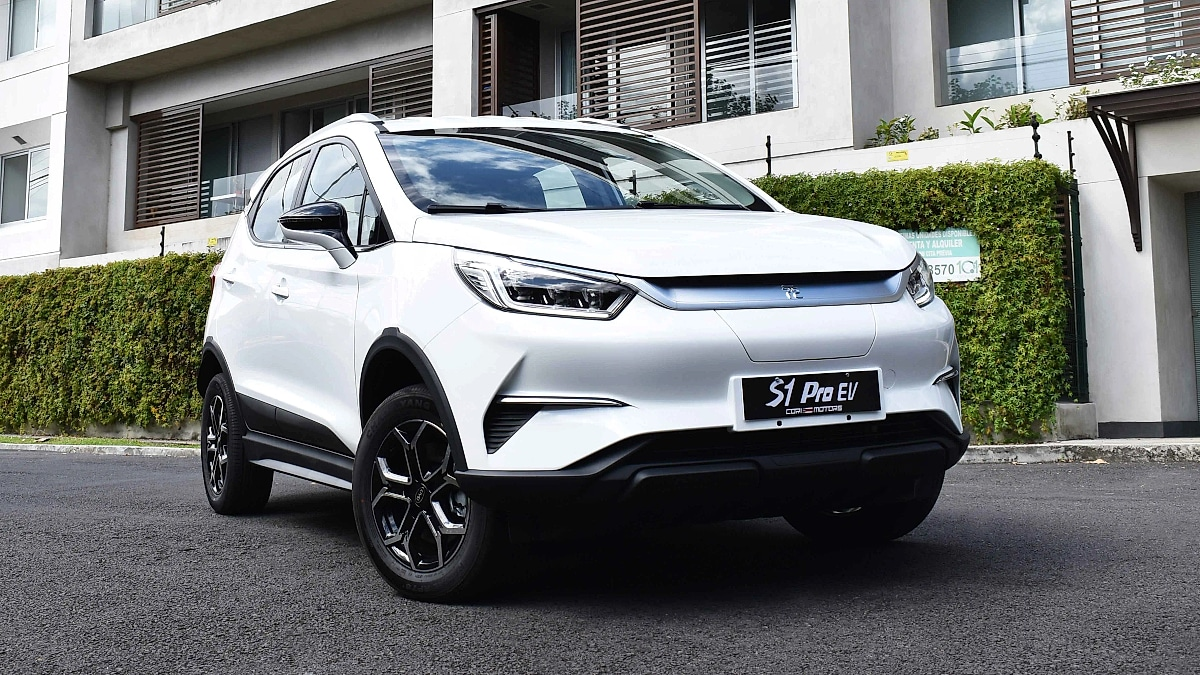
Torque News Notes That Chinese Automakers Already Have A Stateside Footprint
Automotive News reports that Chinese automakers are quietly building a presence in the United States. A presence that includes offices, research and development facilities, and even some manufacturing plants.
All this as Chinese automakers avoid American automotive-industry events – and the automotive media. No Chinese automaker has exhibited at a major auto show in the States since 2019.
Automotive News found, for example, that Shanghai Automotive Industry Corp (SAIC) has an office on Big Beaver Road in the Detroit suburbs. The outlet notes that no one answered the door and that there was no general phone voicemail box
Your author has a passing familiarity with that part of Detroit’s suburbs, yet could not locate an SAIC office on Google Maps. This is a company that regularly cracks the top 10 of sales lists in countries across the globe – including our neighbors to the south in Mexico.
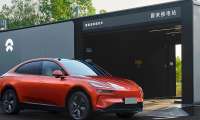
Another example cited by AN – Nio has a research facility in San Jose, California, and yet the voicemail box for it is general and doesn’t name the company. Li Auto appears to have not built any of its planned facilities in Silicon Valley – or it has built them but they can’t be found in a search.
Other Chinese companies that appeared to have facilities in the U.S. didn’t reply to AN’s requests for comment.
The placement of facilities owned by Chinese automakers in the U.S. makes business sense. If the Chinese are serious about selling cars in this market, they will need to have facilities here. They will need customer support and service offices, and offices to support dealer networks, and perhaps even proving grounds. Not only is our market different from China, the physical distance means that Chinese automakers will need to have brick-and-mortar buildings here.
Japanese, Korean, and European automakers all have a national headquarters in the U.S. Hyundai, Genesis, Honda, and Kia are located in Southern California, Mercedes-Benz is in Georgia, BMW and Volvo are in New Jersey, and Toyota/Lexus are in Dallas. Nissan/Infiniti and Mitsubishi have HQs near Nashville, and Volkswagen/Audi are in Northern Virginia. And most “foreign” automakers have other offices scattered throughout the country, as well as plants all across the U.S., mostly in the Midwest and South.
For example, several overseas-based OEMs have regional offices in the Chicago suburbs.
So, again, if a Chinese manufacturer wants to hit the ground running in this country, it would need to get some facilities ready to go. The offices might be empty now – but at least the physical space is ready for if and when hiring starts.
Not only that, but since the process of building cars is so heavily reliant on suppliers, Chinese automakers will want to make inroads with those companies. Having offices nearby is a way to do just that.
Having these facilities in the U.S. could also attract future talent, should the makes ever sell here. Automotive News also notes that a presence in the U.S. helps Chinese makes keep pace with news about the American automotive industry – presumably in a way that monitoring news from afar cannot.
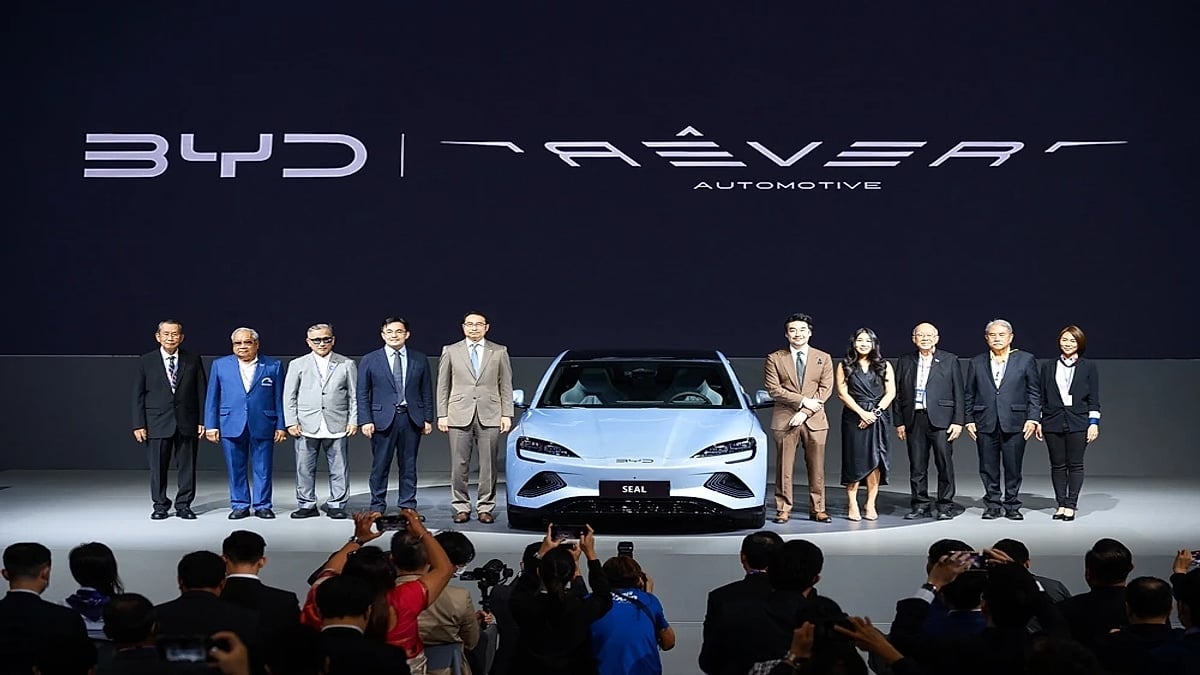
Torque News Reminds You That American Influences Have Reason To Be Worried
Whether Chinese cars are objectively better or not than cars made by Americans and the rest of the world – and reports suggest that they are either better or on par – is somewhat beside the point. Because the Chinese government heavily subsidizes the country’s car makers, meaning that the cars could undercut everyone else in price, making for an unfair market advantage.
Even if the Chinese cars aren’t as good, buyers could flock to them if they’re significantly cheaper, as long as they meet some basic standards for safety and reliability.
In a fair market, a new entrant offering product at a lower price would force the existing makers to compete on price and/or improve their own offerings. But existing makes might not be able to lower prices and/or improve quality if they can’t compete on cost with companies that are heavily subsidized.
That has upset American politicians, union heads, and automaker executives. Both the Biden and Trump administrations have worked to keep Chinese makes out. Currently, Chinese products are being tariffed at 102.5 percent.
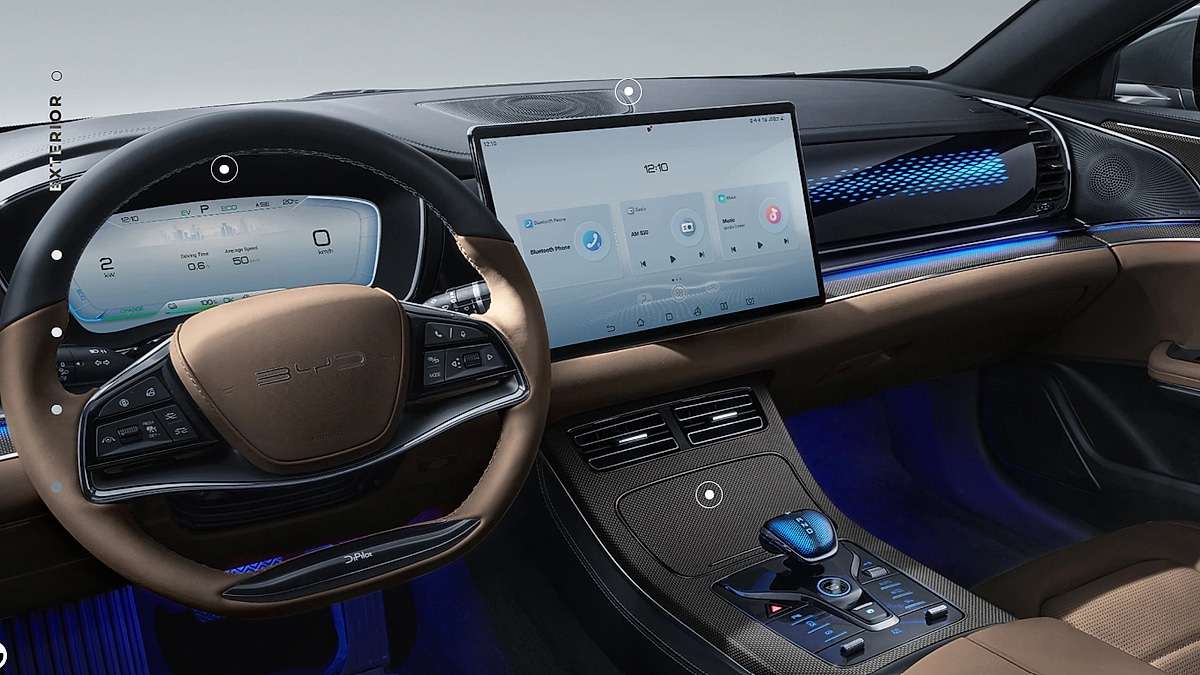
China has played footsie with the U.S. before. BYD, Geely, Byton, Chery, and Changfeng were all occasionally erecting exhibits at the major American auto shows in the 2010s, and BYD briefly had a dealership or office near downtown Los Angeles. A quick Google search indicates that facility appears to have closed, and it also shows a BYD dealership office in nearby Pasadena.
The last major American auto show to have a Chinese exhibit was the Detroit show in 2019, when GAC was in the building. Since then, Chinese automakers have skipped the four major American auto shows in Detroit, Chicago, New York, and Los Angeles, but some have shown their wares at the Consumer Electronics Show (CES) in Las Vegas. Zeekr gave some journalists test-drive opportunities at the city’s Las Vegas Motor Speedway at the 2026 CES.
For now, Chinese automakers are looking across the border. Not to the south, and Mexico, where they already sell cars, but north to Canada. The Canadian government will allow 49,000 Chinese-made cars to be sold per year at reduced tariff rates.
This would obviously make it easier for Chinese companies to gain a toehold in the American market. Canadian and American federal emissions standards aren’t that different.
In theory, Chinese makes could also build plants in Canada, though none seem to be in the work. Chinese companies are already building cars in Mexico.
It remains to be seen what will happen with Chinese cars and American sales, but there’s no doubt that Chinese automakers have the pieces in place for if and when the green flag drops.
Return tomorrow, or check our Torque News Home Page for more interesting automotive news articles.
Images: BYD
About The Author
Tim Healey is an experienced automotive writer and editor from Chicago. He has covered automotive news at Consumer Guide Automotive, Web2Carz, AutoGuide, and was the managing editor at The Truth About Cars. Tim is a member of the Midwest Automotive Media Association. You can find him on Facebook, X/Twitter, and on LinkedIn.
Set Torque News as Preferred Source on Google
Follow us today...