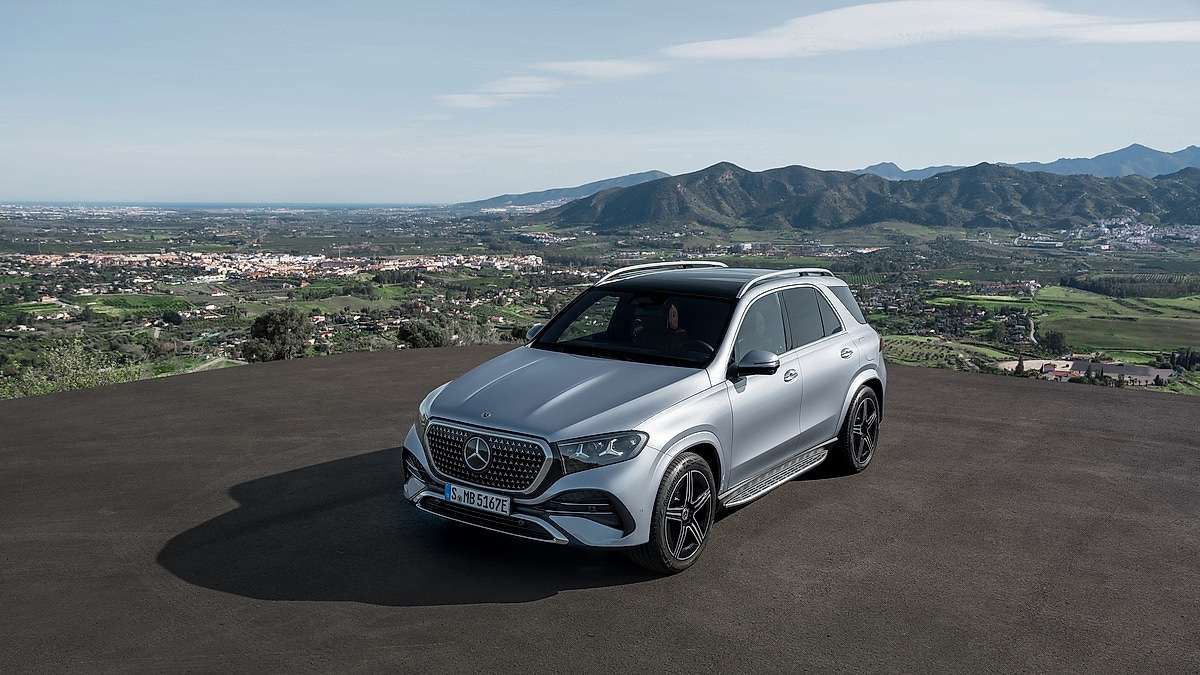

The bill could end up banning any automakers that are owned or part-owned by "foreign adversaries" from selling cars in the States. Those adversaries include China, North Korea, and Russia. A bill in the House of Representatives would set the ownership percentage at 15 percent -- in other words, if a car company is 15 percent or more owned by a country dubbed an adversary of the United States, it wouldn't be able to sell here.
The good news for Mercedes-Benz and its American employees is that the bill is still in its infancy, and it's likely to change. Or, perhaps, an exemption will be made for Mercedes-Benz -- and any other automaker that has a long history in the U.S. The bill hasn't even been through the Senate yet.
But if no change is made, Mercedes-Benz is in trouble when it comes to the American market. Chinese automaker BAIC, which is owned by China, is the largest individual shareholder with 9.98 percent, and 9.69 percent is owned by Chinese billionaire Li Shu Fu, who is in charge of Chinese make Geely.
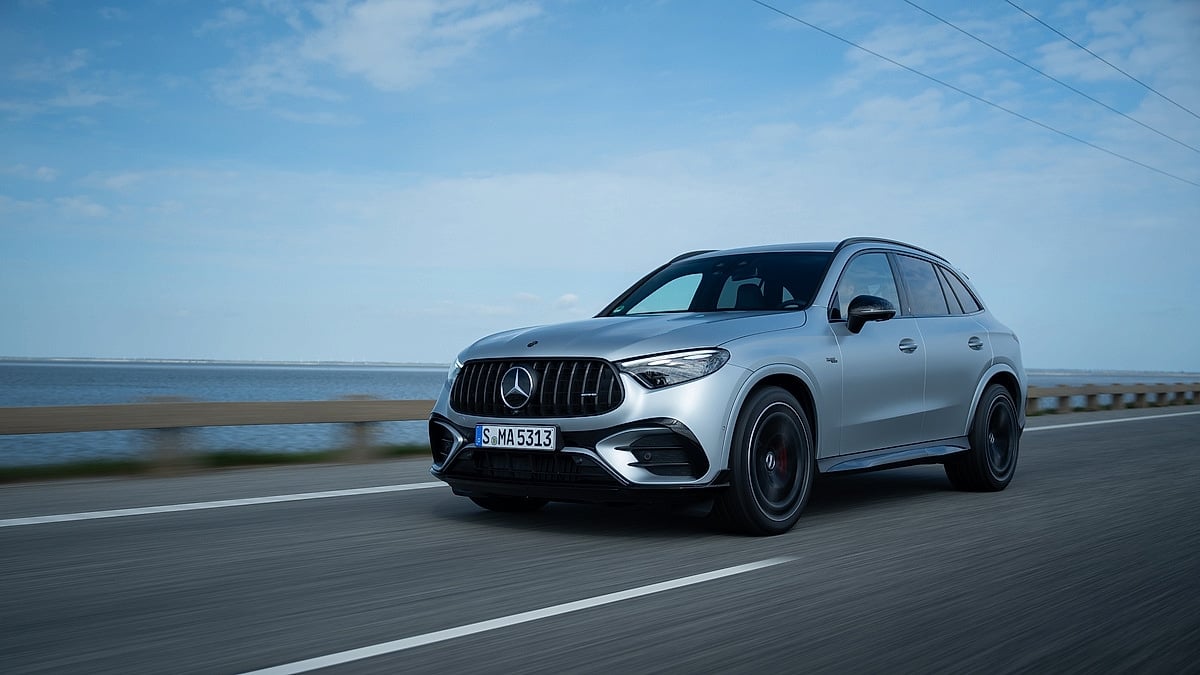
Torque News Shows How Mercedes-Benz Can Solve This
Mercedes-Benz will be working with the bill's sponsor to make sure that if this bill were to become law, that Mercedes-Benz will be able to maintain its presence in the U.S.
Not only does the famed German automaker sell cars in the States, it also builds cars here, in Alabama and South Carolina.
The bipartisan bill's purpose is to keep Chinese automakers out of the American market. There is concern that Chinese automakers will takeover the American market and crush the competition because the Chinese government subsidizes its auto industry.
There are carve-outs for Chinese-backed companies, but not for companies directly or indirectly owned by the Chinese government. There does appear to be an exemption for companies that have built cars in the U.S. for five years, which would apply to Mercedes. But on the other hand, the ownership percentage could be a problem.
Mercedes employs about 163,000 people in the United States.
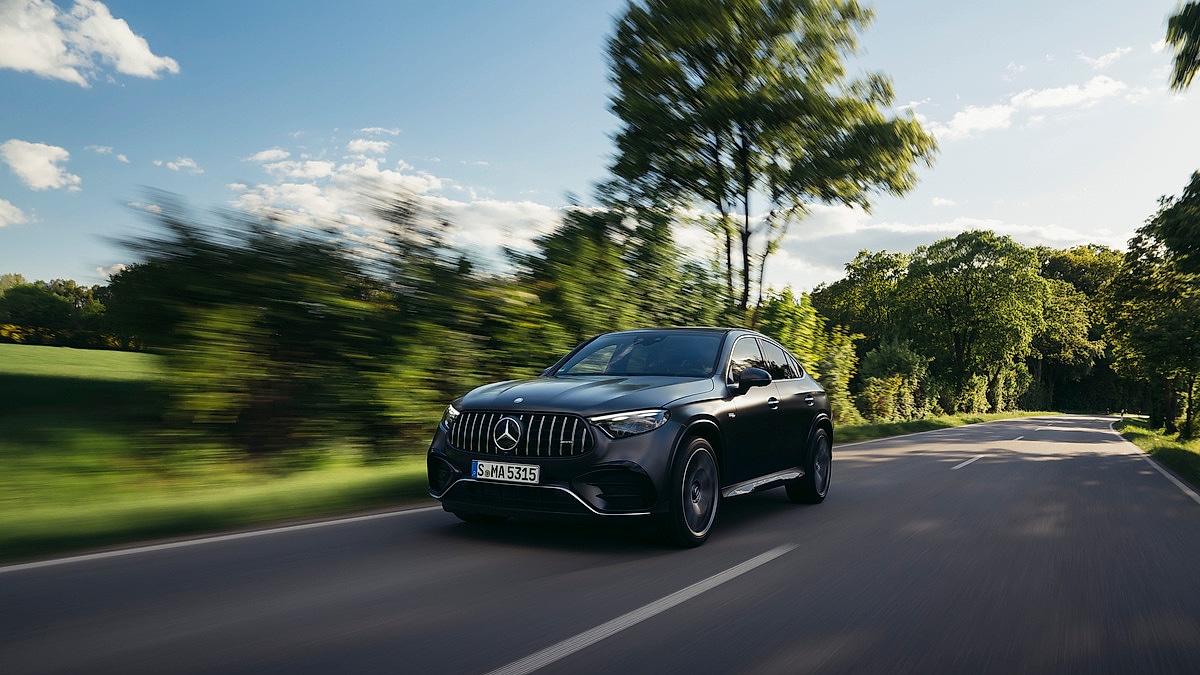
Torque News Notes Other Brands Are Involved
Volvo is also partially owned by a Chinese brand -- Geely. The Swedish luxury automaker recently had to get permission from the federal government to get around restrictions on connecting vehicle software that has links to China.
To be clear, it's unlikely Mercedes-Benz would banned from selling cars in America. There would almost certainly be some sort of carve-out for Mercedes and Volvo and any other car brand that has a strong presence and/or history in the United States.
Still, it's something the industry should prepare for, just in case the bill isn't changed or an extremely protectionist politician pushes it through as-is.
There's definitely a concern among both politicians and automotive-industry personnel -- from executives to analysts -- that Chinese cars will come to America and dominate, especially if government subsidization allows Chinese companies to undercut American, European, Japanese, and Korea makes on price.
It will be worth watching to see how the industry and the federal government works with Chinese makes as they try to enter our market. Our guess is that since the American federal government would not want to risk losing jobs, any such bill will be adjusted to account for brands that have sold here for a long time.
Mercedes, Volvo, and other foreign brands employ people directly in manufacturing at their American plants, and they also have white-collar jobs at various offices throughout the States. These companies also indirectly employ people at their dealerships. Not to mention, jobs tend to pop up around these companies' plants and offices -- think about, say, a diner that serves workers from a Mercedes-Benz plant.
Regardless of your position on the possible entrance of Chinese automakers to our market, it's clear that if Mercedes couldn't sell here we'd lose more than history, we'd lose jobs. We'll see how this all plays out, but our guess, as noted above, is that Mercedes and Volvo aren't going anywhere.
About The Author
Tim Healey is an experienced automotive writer and editor from Chicago. He has covered automotive news at Consumer Guide Automotive, Web2Carz, AutoGuide, and was the managing editor at The Truth About Cars. Tim is a member of the Midwest Automotive Media Association. You can find him on Facebook, X/Twitter, and on LinkedIn.
Set Torque News as Preferred Source on Google
Follow us today...