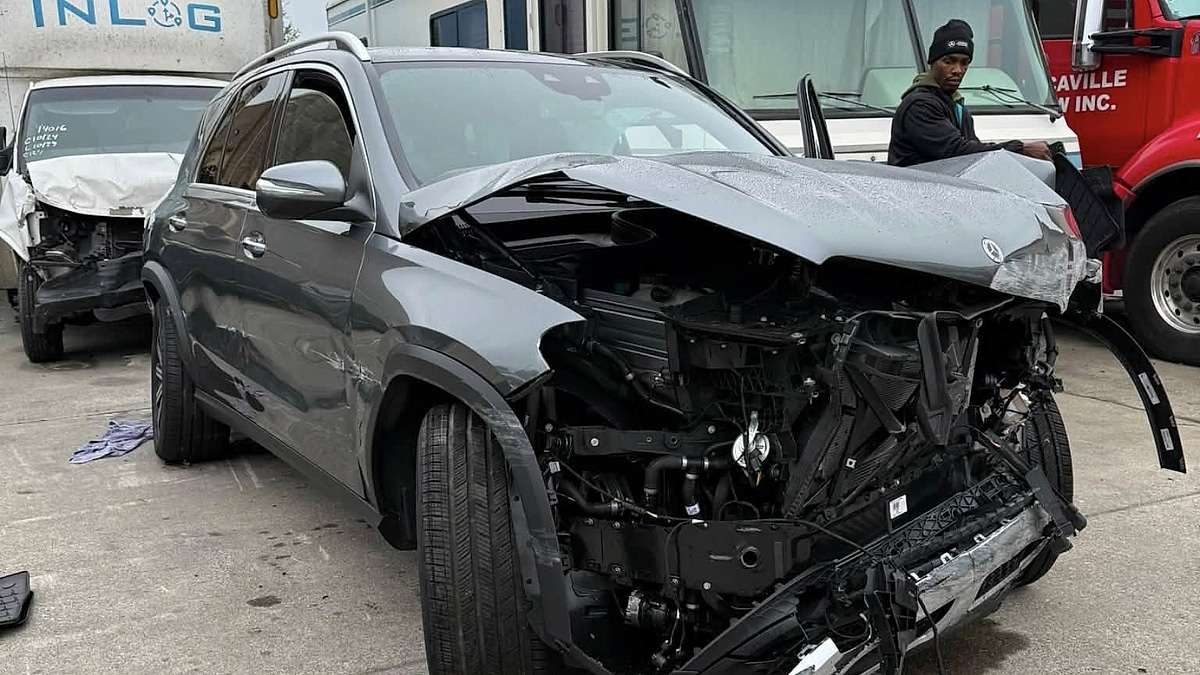

An accident on the highway can change how you feel about your car for good. While a crash of severity like this could have caused Laura Bertrand to lose faith in Mercedes-Benz as her vehicle choice, instead the incident reaffirmed exactly why she made that decision.
Laura wrote about her experience in a Mercedes GLE owners group when her nearly new 2026 GLE 450e was totaled just months into ownership. The fact that Laura's story stands out isn't just due to the extent of the accident itself, but also what came next.
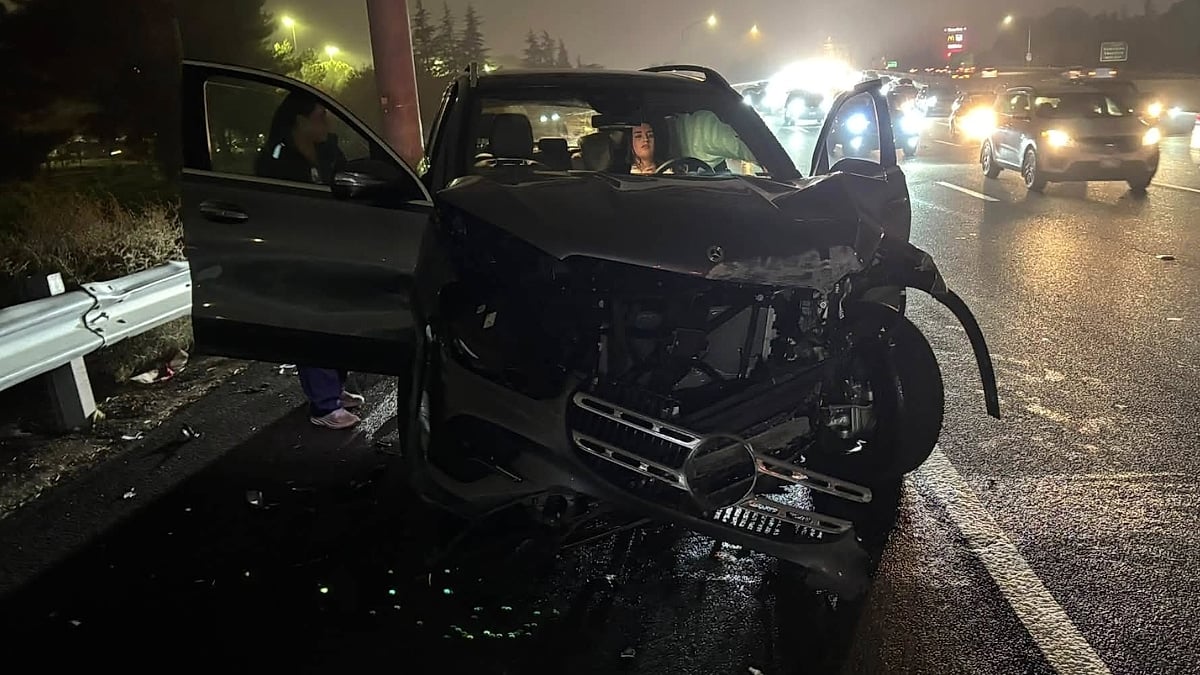
Here's her telling the story: “On December 6th, 2025, my 2026 GLE 450e got totaled on the freeway. I had gotten the car not even 3 months prior. We got hit on the rear left hard enough to spin out and hit the center median. We bounced off the median and flew across 5 lanes of traffic and ended in the guard rail. This car saved my life and kept my babies safe.
On March 20th, 2026, I got to drive home my new 2026 GLE 450e that I got to build.
Obsidian black, AMG exterior, pinnacle trim, and driver’s assistance package (a must have). This car is just perfect and I’m so happy to have it. I love the plug-in hybrid so much! Going on month 3 of having it and I’m still obsessed every day. Just so beautiful to look at!”
Safety Becomes the Deciding Factor
It's one thing for an automobile to tout advanced safety features as advertised, but it's quite another to see how those same safety features operate during a high-impact, multi-hit accident. For example, Laura's collision was so forceful that it caused her vehicle to spin and after colliding into a median, she spun across all five travel lanes of traffic before coming to rest against a guardrail.
What may be considered the most important aspect of this incident, rather than the fact that her vehicle sustained such damage, is the fact that there were no injuries suffered by anyone inside the vehicle. This type of event is often used as a reference point by many drivers as to whether or not their vehicle has been engineered well.
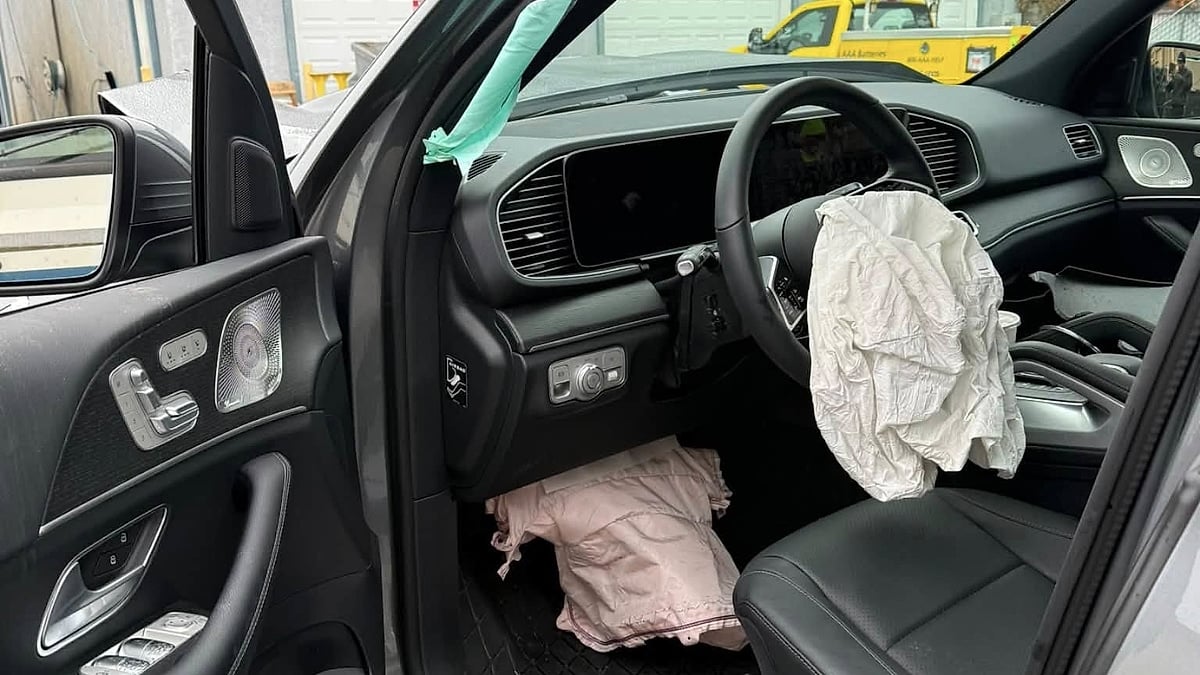
Modern Mercedes-Benz automobiles, specifically the GLE model line, are equipped with a variety of safety enhancing technologies including structural protection and sophisticated driver-assistive systems. While no technology will ever prevent accidents completely, the integration of body structure design, crush zones and enhanced safety features is intended to provide maximum occupant protection during emergency events.
A Second Chance With the Same SUV
One of the reasons that this account is so powerful is the choice Laura made after her accident. She could have chosen to switch brands or move into a new model but instead she decided to purchase another 2026 GLE 450e. This time, however, it was going to be built the way she would want it to be when considering the important features for her needs.
This decision says a lot about how real-world experiences shape ownership. It's one thing to review vehicles or look at specifications from spec sheets, but it's an entirely another when one experiences how a vehicle performs under extreme conditions.
While Mercedes has been dealing with growing criticism around modern reliability and complexity in its GLE lineup, including a case I wrote on which required extensive repairs at just 40,000 miles, the safety side of the equation appears to tell a very different story. Experiences like Laura’s suggest that even as some concerns surface, the core safety engineering behind these vehicles continues to leave a lasting impression for many drivers.
The Role of Modern Driver Assistance Systems
Laura also states that the driver's assistance package is a "must have," and this view of advanced safety packages represents a growing trend in today's market for new vehicles.
Today, advanced safety technologies such as adaptive cruise control, lane-keeping assistance, automatic emergency braking, and blind-spot monitoring all contribute to reducing risks associated with driving. Although these features will never eliminate the possibility of an accident occurring entirely, they influence the severity or unfolding of a potential collision along with providing better protection for occupants.
There’s also an interesting overlap here with how automakers are evolving their identity. As discussed in a recent piece exploring why legacy automakers may be drifting from their original identity through electrification and design choices, brands like Mercedes-Benz are balancing tradition with new technology. In many ways, safety innovation has become one of the most consistent pillars through that transition.
Owners Weigh In With Their Own Experiences
Laura’s story quickly resonated with other Mercedes owners, many of whom shared similar experiences.
Armando Oliver MD commented, “My best friend's wife is alive thanks to a G63. Amazing cars! Glad you are safe! Would love to see the interiors on your 2026 GLE.”
His perspective highlights something we see often with luxury SUVs. Safety stories tend to travel through word of mouth just as much as official crash ratings.
Another owner, Nitra Harding, added her own experience: “Same! I was rear ended in March 2026 and the guy’s car was totaled, and my bumper was smashed only on one side! My GLC 300 AMG package took a big hit. I was expecting more damage looking at the other person's car. Mercedes was definitely built for protection.”
What’s interesting here is the consistency in how owners describe the outcome. Even when damage occurs, there’s a recurring theme that the vehicle absorbs impact in a way that protects passengers.
Safety, Reputation, and a Changing Brand Image
At the same time, Mercedes-Benz as a brand is going through a complex transition. On one hand, it continues to build vehicles that inspire confidence in safety. On the other, discussions around pricing, reliability, and EV depreciation are becoming more common.
For example, our recent analysis here at Torque News of how used Mercedes EQS prices are falling faster than expected compared to flagship models like the S-Class has raised questions about long-term value perception in the electric era.
That contrast makes stories like Laura’s even more important because they highlight a side of ownership that goes beyond depreciation curves or maintenance concerns. In moments that matter most, safety becomes the defining factor.
A Crash Becomes the Ultimate Test of Trust
From my view, these types of stories show a clear shift in how today's driver prioritizes their vehicles. The performance figures, design elements, or new technology features typically lead the conversation, but it's the real-world experiences related to personal safety which provide a much greater value.
It wasn't simply that the GLE 450e performed well in an accident, it was also that the overall experience provided by the accident produced enough confidence for the customer to return to purchase the same model vehicle despite going through a traumatic event. This is the kind of brand loyalty that can never be developed by advertising or marketing campaigns, as it's through moments that drivers and families will never forget.
Key Takeaways
- Real-world safety matters more than specifications. Crash ratings and features are important, but real experiences shape trust.
- Advanced safety systems are becoming essential, not optional. Many drivers now prioritize them when choosing a vehicle.
- Ownership decisions are emotional as much as logical. A single experience can redefine how someone views an entire brand.
- Brand reputation is complex. Reliability concerns may exist, but safety performance can still strongly influence perception.
The Conversation Continues With You
Have you ever experienced a crash that completely changed how you felt about your vehicle?
And would you buy the same car again if it protected you in a serious accident if long term reliability was in question? Or would you look at something different?
Don't hesitate to share your thoughts and experiences in the comments below.
Please, return tomorrow, or check our Torque News Home Page for more interesting automotive news articles.
About The Author
Aram Krajekian is a young automotive journalist bringing a fresh and analytical perspective to the evolving automotive landscape by reporting on real-world ownership experiences and providing industry analysis. Based in North Carolina, he covers electric vehicles, trucks, and broader automotive trends with a focus on contributing a balanced evaluation. His reporting cuts through brand bias to provide readers with grounded insight into how vehicles perform for everyday drivers beyond marketing narratives.
Aram can be reached on X and LinkedIn for ongoing automotive coverage.
Image Credits
The “Mercedes GLE and GLE AMG North America Owners” Facebook group.
Set Torque News as Preferred Source on Google
Follow us today...