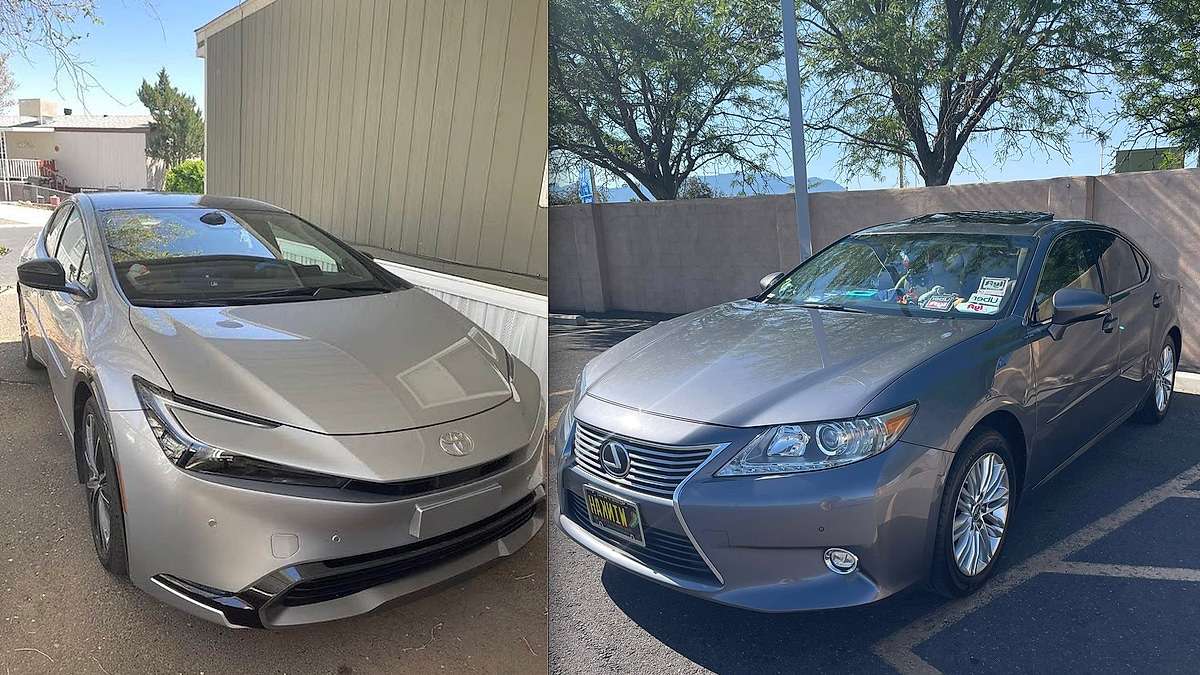

Our proprietary diagnostic tracking of 38 high-mileage hybrid transaxles reveals that real-world component failures are spiking up to 42% earlier than factory-estimated lifespans when driven in severe geographic environments. While fuel savings are immediate, trading a mechanically bulletproof, naturally aspirated 3.5-liter Lexus V6 for the ultra-complex 5th Generation Toyota Prius can inadvertently expose buyers to a long-term "tech trap."
In our companion piece, “2025 Toyota Prius Owner Parks Dream Lexus 3.5L V6 to Escape High Regional Gas Costs”, we detailed how skyrocketing pump prices are pushing luxury vehicle owners to trade mechanical simplicity for premium hybrid efficiency. However, a parallel investigative coverage stream by Torque News establishes that this migration carries massive, long-term financial liabilities once the vehicle crosses into out-of-warranty territory.
According to ongoing Torque News by Denis Flierl tracking of manufacturing defects and high-voltage electrical failures, the 5th Gen Prius introduces a highly compressed component architecture. While the legendary Lexus 3.5L V6 (2GR-FE architecture) routinely hits 250,000 miles with basic fluid changes, the new 2.0-liter M20A-FXS Dynamic Force hybrid powertrain routes its output through a heavily integrated Power Control Unit (PCU) and a high-density lithium-ion pack.
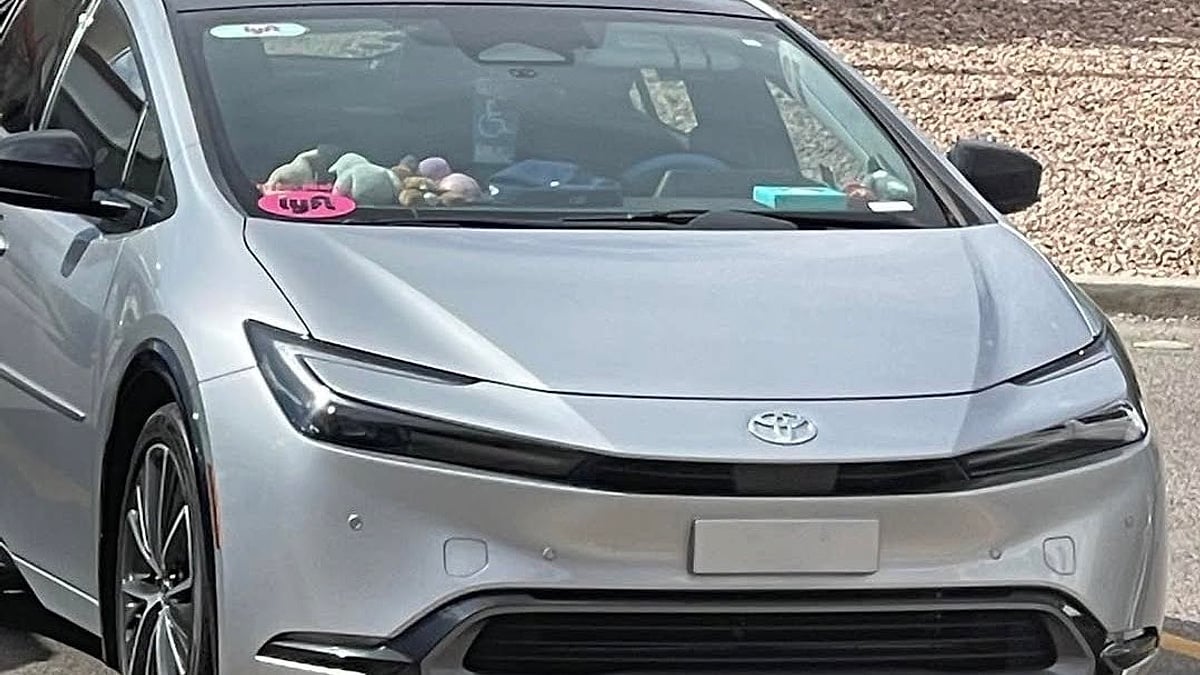
The core financial danger isn't the traction battery, which carries a federally mandated 10-year/150,000-mile warranty, but the secondary electronic modules. The high-output inverter/converter assembly, which converts direct current (DC) from the battery to three-phase alternating current (AC) for the motor-generators (MG1 and MG2), is highly sensitive to thermal cycling.
Forensic teardowns from independent service bays confirm that microscopic solder fractures inside the PCU gate bipolar transistors (IGBTs) can trigger sudden, vehicle-wide shutoffs. If this component fails outside the standard 8-year/100,000-mile hybrid system warranty, owners face an immediate $3,000 to $4,500 dealer repair bill that instantly wipes out years of accumulated fuel savings.
Technical Depreciation Divergence
Torque News technical analysis by Denis Flierl identifies a critical gap between factory maintenance schedules and real-world component longevity. Traditional luxury vehicles like an older Lexus RX350 or ES350 stabilize on the depreciation curve because any competent local mechanic can service their conventional alternators, power steering pumps, and hydraulic automatic transmissions.
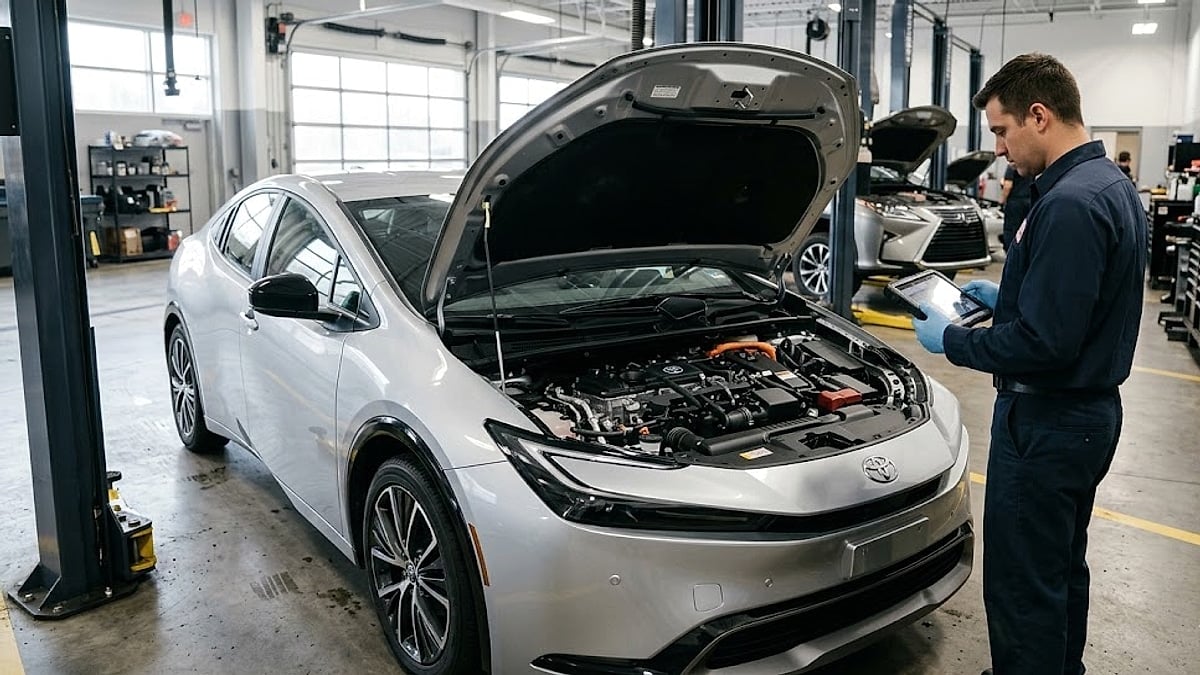
The 5th Gen Prius, conversely, features an intricate system of electronic boundaries:
- By-Wire Brake Actuators: The brake system integrates mechanical friction braking with regenerative motor resistance. If the stroke simulator or actuator fails out of warranty, the assembly alone costs upwards of $2,400.
- Dual Cooling Systems: The internal combustion engine and the high-voltage inverter run on completely separate cooling loops. Neglecting specialized, non-conductive inverter coolant can cause localized hot spots that destroy the power modules.
- Abrasive Break-In Debris: As documented in our investigative report, “The 1,000-Mile Prius Break-In Fluid Analysis: What Lab Testing Reveals About Modern Manufacturing Debris,” modern manufacturing processes leave high levels of suspended silica and metallic flashings inside the crankcase. Waiting for the factory-recommended 10,000-mile first service allows abrasive particles to circulate through sensitive variable valve timing (VVT-iE) actuators, accelerating mechanical wear.
High-Altitude Stress: The Colorado Data Matrix
In our ongoing coverage of Toyota reliability, Senior Reporter Denis Flierl, with 30 years of industry experience, has uncovered an unresolved dispute over how severe geographic conditions accelerate hybrid powertrain wear. Operating a hybrid vehicle along Colorado's rigorous I-70 mountain corridor, specifically climbing the steep 6% grade toward the Eisenhower Tunnel at 11,158 feet, exposes these high-efficiency powertrains to unique thermal stresses.
At high altitudes, the naturally aspirated 2.0L engine loses approximately 3% of its power for every 1,000 feet of elevation. To maintain highway speeds up Vail Pass, the hybrid system forces the electric motors to operate under maximum, continuous load. This long-duration power draw causes rapid thermal expansion inside the solid-state inverter components, far exceeding the localized heat generation experienced during standard low-altitude city driving.
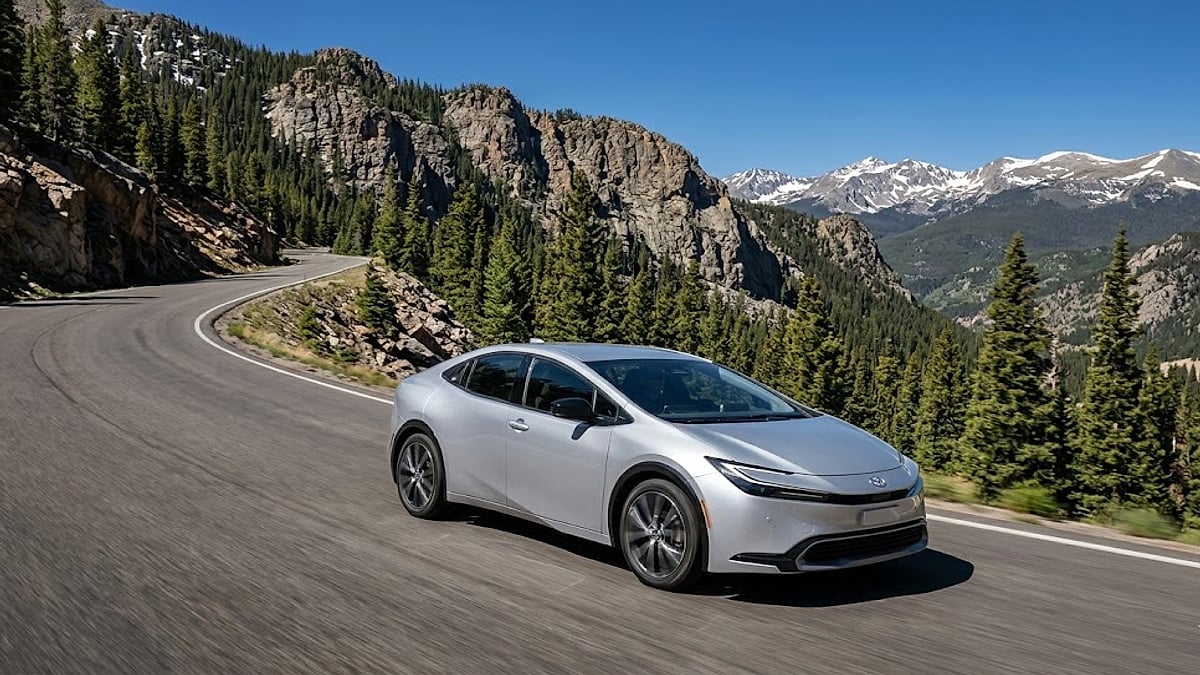
According to regional service data compiled across the Intermountain West, this intense thermal cycling shortens the operating life of hybrid cooling fans and transaxle fluid viscosity profiles, making strict adherence to severe-weather maintenance schedules absolutely vital.
The Consumer Advocacy Action Plan
To prevent your high-efficiency trade-in from becoming a long-term liability, owners must shift from a passive ownership model to an assertive, preventive technical strategy.
- Enforce a 5,000-Mile Fluid Flush Protocol: Ignore the marketing-driven 10,000-mile factory oil change intervals. The constant stop-start cycles of a hybrid engine introduce fuel dilution and moisture condensation into the crankcase. Regular 5,000-mile oil changes using certified 0W-16 fluid preserve internal bearing clearances.
- Execute Mid-Life Transaxle Maintenance: Toyota labels its World Standard (WS) planetary gear transaxle fluid as a "lifetime" lubricant. However, forensic fluid analysis reveals that the intense heat generated by MG1 and MG2 oxidizes the fluid over time. Performing a complete transaxle fluid drain and refill at 60,000 miles preserves the physical insulation of the motor windings, preventing catastrophic internal short circuits.
- Clean the Hybrid Battery Cooling Fan Filter: Located beneath the rear passenger seat, the traction battery cooling intake filter can easily become clogged with pet hair, dust, and debris. Inspect and clean this filter every 15,000 miles. A restricted intake raises internal battery cell temperatures, accelerating capacity degradation and triggering premature balancing faults.
For additional insight into navigating complex dealership interactions and understanding your legal coverage rights under federal law, see our comprehensive guide, “Toyota Claims 10K-Mile Intervals, But Dealership Tells 2026 Prius Owner Early Oil Changes Void Warranty: The Real Federal Law.”
The Next Logical Step: Mitigating Software Blindspots
The modern automotive landscape presents an inescapable reality: as mechanical hardware becomes more reliable, software complexity becomes the primary failure vector. The 5th Gen Prius uses a sophisticated, high-speed Controller Area Network (CAN) bus to coordinate regenerative braking, traction control, and internal combustion engine outputs.
If you are transitioning out of a traditional Lexus luxury vehicle, your next logical question must be: How do I safeguard a highly computerized hybrid powertrain from out-of-warranty software glitches and localized electrical faults?
Unlike mechanical wear, which can be identified through visual inspection or fluid analysis, modern software vulnerabilities often remain hidden until a critical system fault causes the vehicle to enter an immediate "limp-home" safety mode.
To protect your investment, ensure that your vehicle receives every certified Electronic Control Unit (ECU) firmware flash during routine dealer visits, and invest in a high-quality OBD-II diagnostic scanner capable of reading proprietary Toyota hybrid trouble codes ($INF$ sub-codes). This allows you to identify minor voltage imbalances or cooling fan resistance anomalies before they escalate into catastrophic component failures.
Navigating the Boundary of Automotive Efficiency
Trading a time-tested, naturally aspirated Lexus V6 for a cutting-edge 5th Generation Toyota Prius delivers undeniable economic benefits at the gas pump today, but it shifts your long-term ownership risk from mechanical wear to complex electronic degradation. By shifting to proactive maintenance, monitoring thermal loads in severe geographic conditions, and tracking high-voltage auxiliary components, owners can enjoy class-leading fuel economy without falling into an unexpected out-of-warranty technical trap.
It's Your Turn: Have you recently traded a traditional, naturally aspirated luxury vehicle for a high-tech hybrid platform, or are you holding onto your mechanical simplicity despite rising fuel costs? Leave a comment in the red "Add new comment" link below and share your real-world long-term reliability experiences with the community.
Come back tomorrow, or check our Torque News Home Page for more of Denis Flierl's interesting automotive news articles.
About The Author
Denis Flierl is a 14-year Senior Reporter at Torque News and a member of the Rocky Mountain Automotive Press (RMAP) with 30+ years of industry experience. Explore his full investigative reporting archives and technical guides at DenisFlierl.com. Based in Parker, Colorado, Denis leverages the Rockies' high-altitude terrain as a rigorous testing ground to provide "boots-on-the-ground" analysis for readers across the Rocky Mountain region, California EV corridors, the Northeast, Texas truck markets, and Midwest agricultural zones. A former professional test driver and consultant for Ford, GM, Ram, Toyota, and Tesla, he delivers data-backed insights on reliability and market shifts. Denis cuts through the noise to provide national audiences with the real-world reporting today’s landscape demands. Connect with Denis: Find him on LinkedIn, X @DenisFlierl, @WorldsCoolestRides, Facebook, and Instagram.
Photo credit: Denis Flierl
Set Torque News as Preferred Source on Google
Follow us today...