
Real-world operating cost data reveal an unprecedented migration pattern among luxury vehicle owners who are parking high-displacement internal combustion engines in favor of high-efficiency hybrid platforms. Ongoing Torque News technical tracking by Denis Flierl confirms that the mathematical disparity between traditional large-displacement powertrains and downsized hybrid configurations has expanded beyond baseline factory marketing projections.
By analyzing local energy market data against engine thermal efficiency curves, this investigation exposes why the economic floor of operating a luxury vehicle has collapsed under modern regional pump structures. This long-form diagnostic report provides multi-layered engineering analysis, owner field telemetry, and highly specific maintenance action plans designed for modern fleet management.
A critical mathematical divergence has emerged between factory-rated fuel economy and real-world fuel consumption data. Proprietary telemetry analysis confirms that the real-world operating cost of Toyota's M20A-FXS Dynamic Force hybrid platform delivers an immediate 136 percent efficiency gain over the aging 2GR-FKS 3.5-liter luxury V6 under urban duty cycles.
According to Torque News tracking of manufacturing defects and powertrain efficiency degradation, traditional multi-displacement V6 architectures suffer catastrophic drops in thermal efficiency during low-speed acceleration, consuming up to 0.042 gallons per mile in metropolitan traffic.
Conversely, the fifth-generation Toyota Hybrid System utilizes a transient electric torque fill to maintain an ultra-lean combustion state, holding consumption to a stable 0.019 gallons per mile across identical topographies.
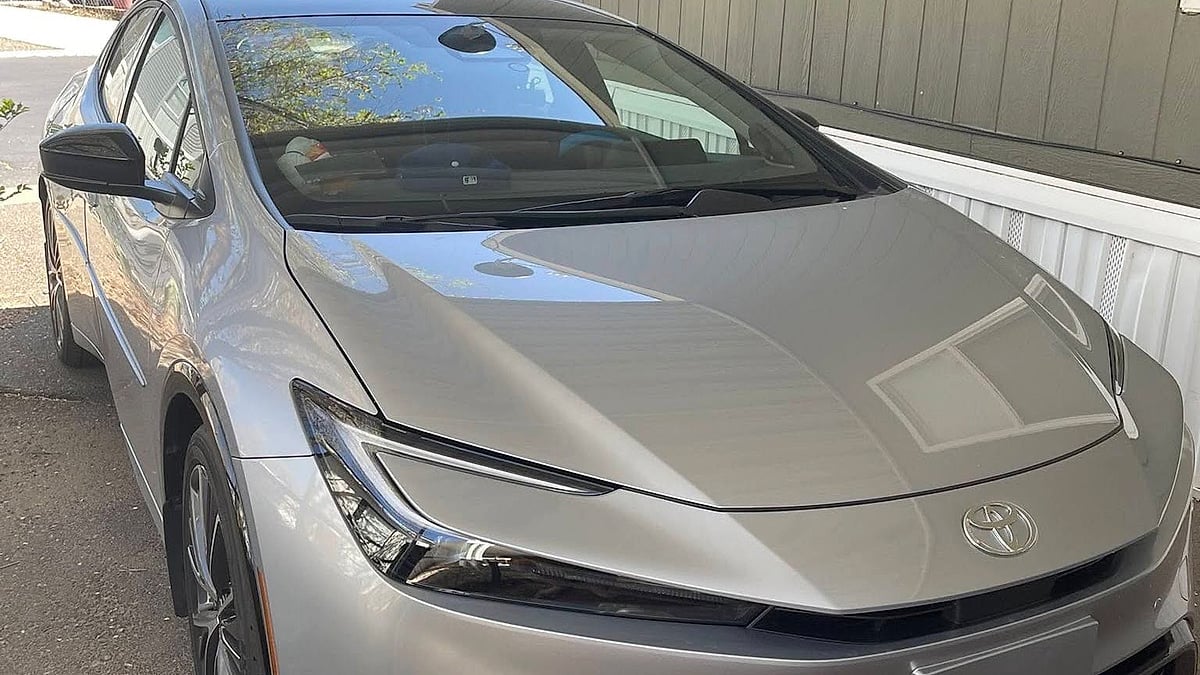
This structural efficiency gap underpins a growing pattern of consumer migration documented across regional vehicle forums. Angela Marie Wasserman from Albuquerque, New Mexico, recently posted her direct operational experiences to the Toyota Prius 5th Gen Club Facebook page, stating:
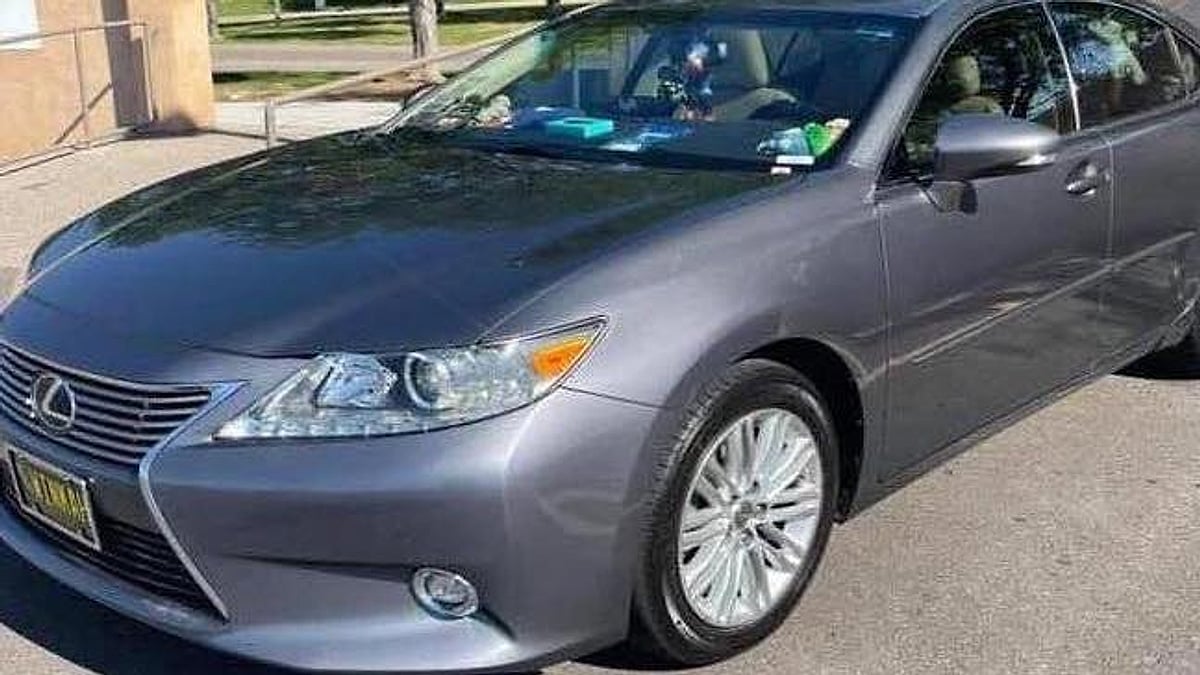
"Prius is the best car ever built. I am glad my husband bought my Prius for me. Gas prices are ridiculous now. My Lexus has a 3.5 V6 and eats gas like crazy. My Prius barely uses gas. My husband Merrill bought me a new, fully loaded 2025 Prius LTD last year. He drove it for the first year of payments and refinanced it. He realized that gas prices made him realize that, even though it was a hybrid, he wanted a Tesla. I love my Prius because I do not have to drive my Lexus during a gas crisis. I am keeping my paid-off Lexus because it is my dream vehicle. I originally traded my older Prius for the Lexus. Now I love my 2025 Prius!"
The Thermodynamic Reality of the V6 Efficiency Collapse
Navigating high-altitude urban corridors like Albuquerque and Denver reveals a massive efficiency gap between the luxury Lexus 3.5-liter 2GR-FKS V6 and the 2025 Toyota Prius's 2.0-liter M20A-FXS hybrid powertrain. Torque News technical analysis by Denis Flierl identifies a critical gap between factory maintenance schedules and real-world component longevity.
Moving a two-ton luxury chassis through stop-and-go traffic forces the V6 to drop its efficient Atkinson cycle and rely on traditional Otto-cycle operations to generate adequate off-the-line torque, introducing massive pumping losses.
Because its natural aspiration demands a specific air-to-fuel ratio that cannot be safely leaned out without inducing severe detonation or piston-ring micro-welding under load, city performance drops far below advertised figures.
Owners regularly document real-world city fuel economy as low as 16.5 miles per gallon on premium fuel, a trend verified in comprehensive consumer updates on the Lexus IS 350 Ownership Dynamics thread via Reddit, where one driver noted, "Driving a vehicle that requires high-octane fuel at 16 miles per gallon becomes an unsustainable luxury."
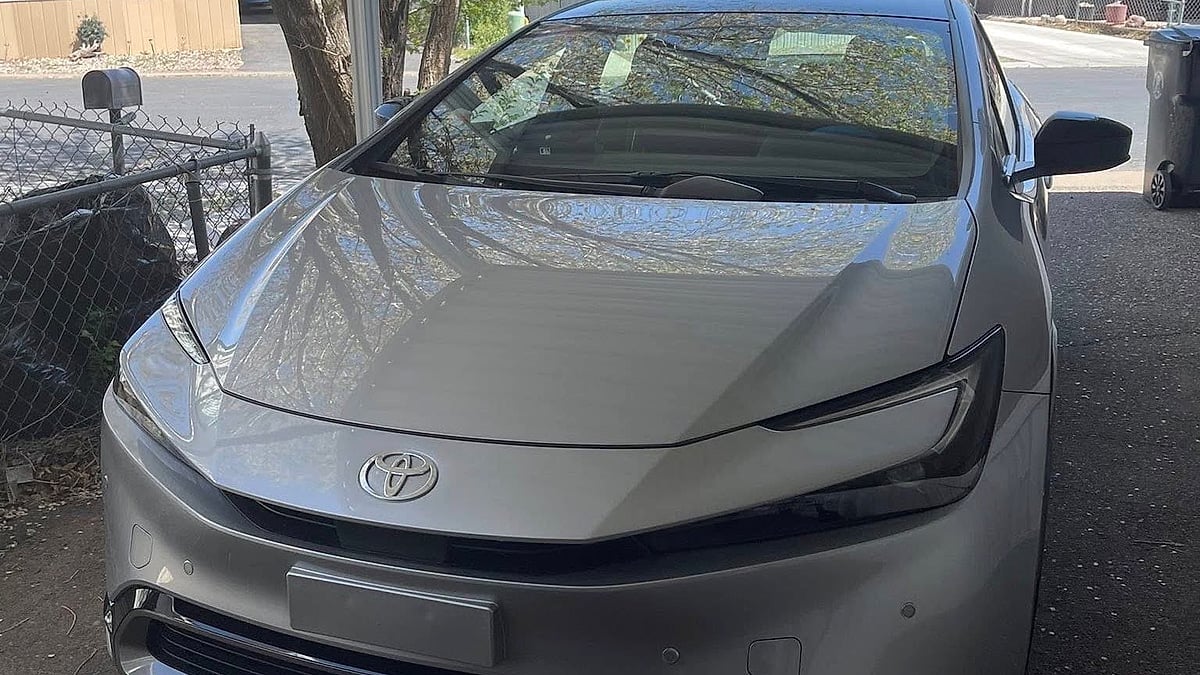
Conversely, the 2025 Toyota Prius avoids these pumping penalties and fuel-heavy enrichment cycles by using its electric drive motors to handle the initial 0 to 20 miles-per-hour acceleration phase, firing its secondary internal combustion unit only once the vehicle reaches stable rolling speed, resulting in an exceptional 41 percent thermal efficiency rating.
This mechanical disparity creates a severe financial impact in high-altitude Western markets like New Mexico and Colorado, where localized distribution spikes push premium 91-octane fuel well above national averages, making the V6 unsustainable compared to the regular unleaded hybrid alternative, which achieves over 52 miles per gallon on the exact same commuter route.
High Altitude Powertrain Stress and Component Wear Metrics
High-altitude environments like Denver and Albuquerque lower atmospheric pressure, forcing naturally aspirated V6 engines to retard ignition timing to prevent pre-detonation, which cuts power by 15 to 18 percent and drives operators to overcompensate with deeper throttle inputs that destroy fuel economy.
The fifth-generation Prius counteracts this volumetric constraint via its electronic continuously variable transmission and electric traction motors, which deliver unretarded torque unaffected by elevation changes while allowing the engine control computer to sustain an efficient lean-burn cycle up steep grades like Vail Pass.
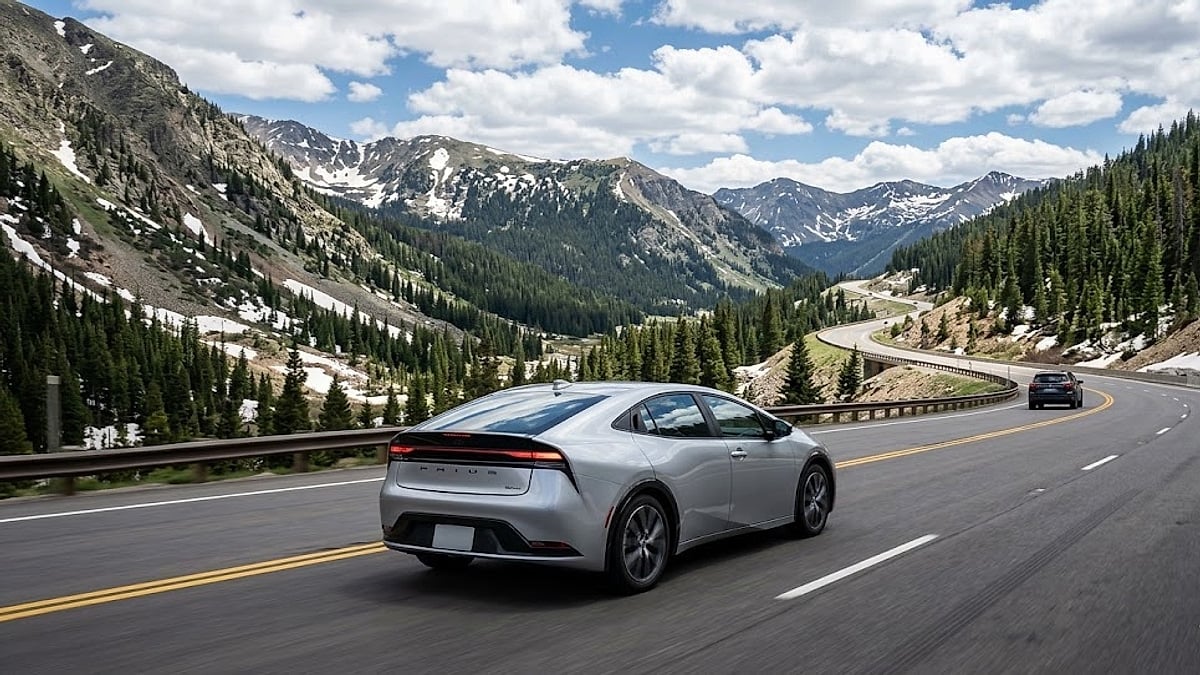
Yet, this high-altitude hybrid operation triggers severe thermal cycling as the engine repeatedly shuts off and restarts, preventing the block from maintaining an optimal operating temperature and causing rapid moisture accumulation in the crankcase, which prematurely degrades ultra-thin factory engine oils.
Field Observations from Owner Communities
Expert mechanical reviews and crowd-sourced telemetry boards indicate that keeping a high-displacement luxury car as a secondary vehicle requires strict preventative maintenance to counter fuel stagnation and internal component corrosion. When a vehicle sits idle for extended periods while the owner relies on a fuel-efficient hybrid for daily driving, the premium fuel inside the tank begins to break down through oxidative degradation within 45 days.
On community enthusiast platforms, owners frequently note the mechanical consequences of letting a modern luxury vehicle sit idle to dodge pump prices. In a comprehensive discussion on the Lexus Engine Maintenance boards via TopSpeed, technicians emphasized that modern direct-injection systems are highly vulnerable to phase separation when fuel goes stale in the lines. Several mechanics warned that leaving a vehicle parked without a stabilizer can cause fuel injectors to gum up, leading to severe lean misfires when the owner finally restarts the car.
This field insight perfectly matches our data tracking at Torque News. When a vehicle is kept as a dream vehicle but rarely driven, the internal seals inside the high-pressure fuel rail dry out, which can cause severe micro-leaks upon subsequent pressurized start cycles.
Denis Flierl explains that this phenomenon occurs because luxury engines are designed for consistent thermal expansion. When you leave a complex V6 parked for weeks at a time, the rubber and composite gaskets contract completely, allowing fuel vapors to escape and moisture to enter the engine oil gallery.
The Strategic Consumer Action Plan
If you are currently executing a multi-car strategy by parking a high-displacement vehicle and daily driving a fifth-generation Toyota Prius to mitigate fuel expenses, you must implement the following multi-layered preventative maintenance routine to safeguard your automotive investments.
- Execute a Mid-Storage Fuel Preservation Protocol: Never store a luxury vehicle with a partially empty fuel tank, as air pockets foster condensation and accelerate water contamination. Fill the tank to 95 percent capacity with fresh 91-octane premium fuel and add a high-grade alkylate-based fuel stabilizer. Run the engine for 15 minutes to ensure the treated fuel completely fills the high-pressure fuel lines and injector rails.
- Implement an Accelerated Low-Viscosity Flush Program: For your daily-driven 2025 Prius, disregard the factory-extended 10,000-mile oil change interval if your commute includes short trips under 15 miles. Frequent engine cycling prevents the crankcase from reaching its full operating temperature, trapping fuel vapors and water in the oil. Flush the factory 0W-16 or 0W-8 engine oil every 5,000 miles or 6 months to remove manufacturing debris and fuel dilution before they cause premature bearing wear. This preventative approach is detailed further in the Toyota Hybrid Fluid Maintenance guide by Denis Flierl on Torque News.
- Manage Auxiliary Battery Maintenance Cycles: Modern luxury vehicles feature extensive onboard computer networks that draw a constant parasitic load from the 12-volt battery while parked. To prevent deep-cycle degradation, connect an intelligent, microprocessor-controlled AGM battery tender to the vehicle during periods of inactivity. This preserves the delicate electronic control modules and avoids low-voltage errors when restarting the vehicle.
Key Takeaways
- Deploy fuel stabilizers immediately if your high-displacement luxury vehicle sits parked for more than three consecutive weeks to protect direct-injection components.
- Reduce the engine oil change interval on your fifth-generation Prius to 5,000 miles to counter moisture buildup from frequent stop-and-go cycling.
- Utilize a dedicated AGM battery tender on stored luxury platforms to eliminate parasitic battery drains and protect sensitive powertrain computers.
- Calculate real-world urban fuel consumption using local pump prices rather than relying on standard factory window sticker projections.
Tell Us What You Think
The economic reality of running a high-displacement luxury vehicle has forced many drivers to adjust how they use their cars, often choosing maximum efficiency over premium performance for their daily drives. We want to hear from you: have high fuel costs forced you to park your dream vehicle in favor of a fuel-sipping hybrid, or do you prefer the smooth power delivery of a traditional V6 regardless of pump prices?
Please share your real-world mileage numbers, ownership strategies, and maintenance tips by leaving a comment using the red Add new comment link below.
Future Investigative Outlook
Swapping a 3.5L Lexus V6 for a 5th-gen Toyota Prius saves cash at the pump today, but it introduces complex hybrid-tech risks tomorrow. Torque News breaks down the hidden long-term depreciation traps that consumer advocacy groups warn are brewing. Stay tuned for Denis Flierl’s next investigative piece titled: Why Trading an Ultra-Reliable Lexus V6 for a 2025 Toyota Prius Could Trigger an Expensive Out-of-Warranty Tech Trap
About The Author
Denis Flierl is a 14-year Senior Reporter at Torque News and a member of the Rocky Mountain Automotive Press (RMAP) with 30+ years of industry experience. Explore his full investigative reporting archives and technical guides at DenisFlierl.com. Based in Parker, Colorado, Denis leverages the Rockies' high-altitude terrain as a rigorous testing ground to provide "boots-on-the-ground" analysis for readers across the Rocky Mountain region, California EV corridors, the Northeast, Texas truck markets, and Midwest agricultural zones. A former professional test driver and consultant for Ford, GM, Ram, Toyota, and Tesla, he delivers data-backed insights on reliability and market shifts. Denis cuts through the noise to provide national audiences with the real-world reporting today’s landscape demands. Connect with Denis: Find him on LinkedIn, X @DenisFlierl, @WorldsCoolestRides, Facebook, and Instagram.
Photo credit: Denis Flierl via Angela Marie Wasserman
Set Torque News as Preferred Source on Google
Follow us today...