
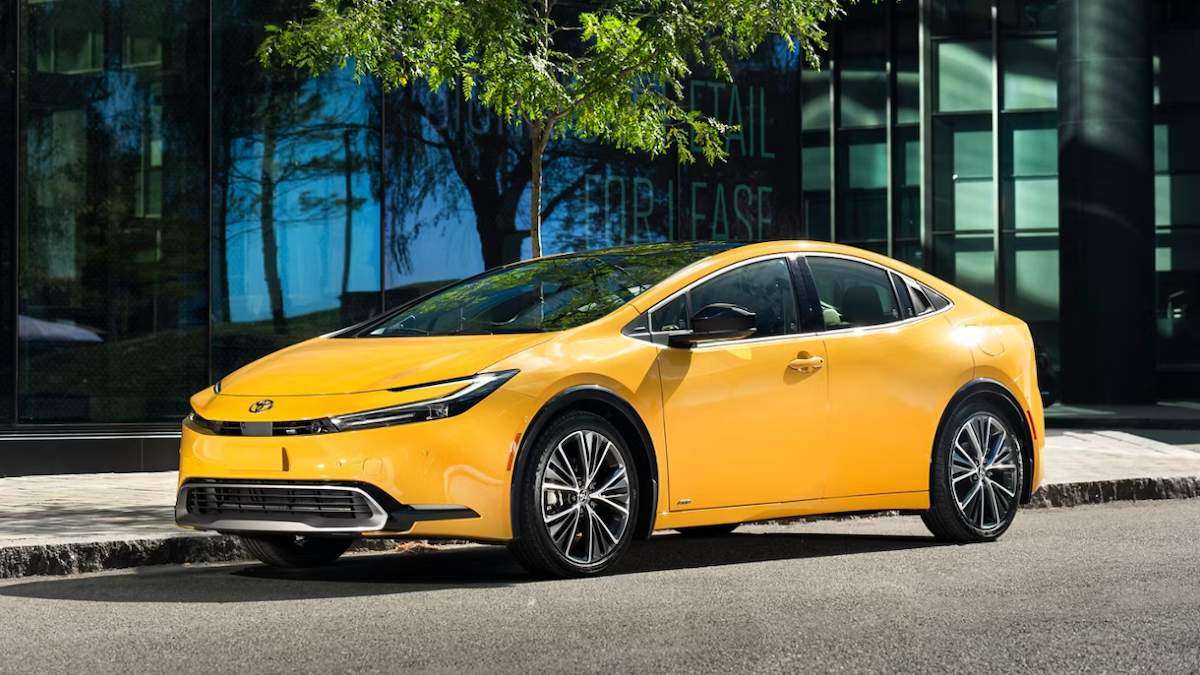

The fifth-generation Toyota Prius is arguably the most successful redesign in the model's history, finally putting the divisive "appliance on wheels" image to rest with genuinely sharp, sporty styling. Toyota engineered this car to be a head-turner, and they succeeded in delivering a profile that competes with many European sport compacts. However, as is often the case with the Prius, the core mission remains efficiency above all else, creating a natural tension between form and function that buyers must weigh.
In this candid take, a self-described "KiwiEV" enthusiast offers a razor-sharp critique of the 2024 Prius. The owner highlights the car's undeniably gorgeous new exterior design while expressing frustration with the unexciting hybrid powertrain beneath the sleek sheet metal.
Greg Shoebridge (@KiwiEV) on X says,
"One of life's cruelties is that the 2024 Toyota Prius looks genuinely stunning, yet they fitted it with a drivetrain duller than American chocolate."
Oh, How Prius Expectations Have Changed
Greg Shoebridge's comment, though humorously phrased, captures a deep and growing frustration among the new wave of Prius owners. This is not just a review; it's a lament about dashed expectations. The previous generations set the bar so low for style that the car's sluggishness was expected and excused.
The new generation, however, looks like it should deliver a driving experience akin to a sports sedan, and when the continuously variable transmission (CVT) and the noise of the Atkinson-cycle engine interrupt the experience, the disconnect becomes understandable. The performance jump, a 0-60 mph time in the low 7-second range for the hybrid, is objectively faster than before. Still, it's the overall feel and refinement of the driving experience that leave enthusiasts wanting more. When the driver demands maximum acceleration, the CVT-hybrid drone can shatter the illusion of a premium, sporty vehicle that the exterior promises.
This sentiment is far from isolated.
Across enthusiast forums and social media threads, users are echoing similar concerns, particularly when comparing the 2024 Prius to other vehicles on the road. The excitement generated by the car's visual transformation often turns to disappointment when the driver pushes the accelerator past the electric motor's quick, immediate torque. The hybrid system, by its conservative, fuel-conscious nature, must still prioritize economy and reliability over high-revving engagement. While the capability is improved, the character remains tied to the Prius's fundamental purpose. This dissonance forces drivers to choose between enjoying the stunning design and driving the car in a manner that maximizes its efficiency, thereby reinforcing the "dull" description.
Why Toyota Produced the Prius in the First Place
To properly frame this critique, it's essential to remember the four core reasons the Toyota Prius was conceived and mass-produced in the first place:
- To Develop a Practical, Low-Emission Family Vehicle: The Prius was the world's first mass-produced hybrid, designed to be a practical, daily-driver family sedan that dramatically cut emissions compared to conventional internal combustion engine (ICE) vehicles.
- To Achieve Superior Fuel Efficiency: The original design goal was to achieve twice the fuel efficiency of a similar gasoline-engine car, setting a new benchmark for economy.
- To Serve as a Tangible Solution to CO2 Emissions: It was positioned globally as Toyota's concrete commitment to tackle 21st-century environmental problems, timed to global climate discussions.
- To Establish Market Dominance in Electrification: Toyota saw the hybrid market as a crucial future segment and aggressively pursued the launch to prevent competitors from gaining a definitive first-mover advantage.
Why Driving Enthusiasts Are Disappointed
Shoebridge's experience reflects a fundamental tension that the fifth-generation Prius has inherited despite its complete overhaul. Even with the powerful new 2.0-liter engine and stronger electric motors, the core mechanism—the Hybrid Synergy Drive with its electronically controlled CVT is designed for seamless, efficient operation, not for the aggressive, linear power delivery enthusiasts often crave. It's built to maximize the moments when the engine is off and the battery is assisting, not to provide a thrilling soundtrack or an engaging high-speed surge. The drivetrain is reliable, predictable, and exceptionally efficient, but in the context of a body that looks like a high-performance vehicle, these utilitarian qualities come across as "dullness."
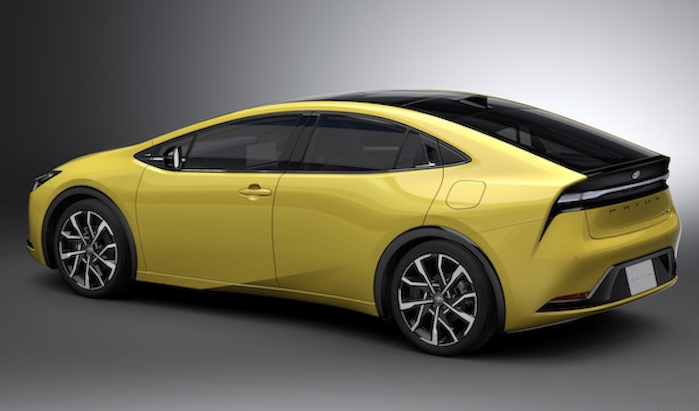
We've seen similar sentiments echoed in other owner reports. One member of a popular online thread, who goes by "Chip R.," noted his frustration with the Gen 5's temperament compared to older models. While praising the new car's structural solidity, he highlighted the system's protective nature, citing instances where cold weather severely limited the electric motor's contribution, effectively robbing the car of its instant "sports car acceleration" feel when the temperature dropped. This engineering choice is designed for battery longevity. Still, it's another example of efficiency-focused decision-making taking priority over driver excitement and consistency, exactly the kind of real-world "cruelty" Shoebridge is talking about.
Here's a Question For Prius Enthusiasts
What Toyota has done with the new Prius design language is bold. Still, it has inadvertently raised a thorny question for the brand: Can the world's most famous fuel-efficiency icon successfully transition into a performance-styled enthusiast machine without fundamentally changing its hybrid core?
The reality is that the new Prius is caught in the middle ground. It's too refined and too focused on efficiency to satisfy drivers seeking true sports-car handling and power. Still, its stunning looks have made it too aspirational for the traditional, practical-minded Prius buyer. The core issue is power delivery.
While the available horsepower figures are respectable, the nature of the CVT and the constant management of the power split between gas and electric systems prevent the visceral, sustained pull that a traditional geared transmission and performance engine would provide. The electric motor's instantaneous torque is exhilarating at low speeds. Still, once that initial burst of battery power is utilized, the gas engine takes over with an uninspiring drone to maintain momentum. This sensation is amplified by the expectation set by the sleek, aggressive exterior.
For existing owners like Shoebridge, this situation highlights the difference between perceived value and core engineering purpose. The 2024 Prius is, fundamentally, a better car than any generation before it. It's faster, safer, and infinitely more attractive. Yet, it operates under the same physics and engineering constraints that prioritized reliability and miles per gallon above all else.
This conservative engineering is the bedrock of Toyota's brand loyalty, as demonstrated by other long-time owners who still have Gen 2 and Gen 3 models running reliably past the 300,000-mile mark. The "dull" drivetrain is a feature, not a bug, if your primary metric is long-term dependability and tank range. However, when you wrap that reliability in sheet metal that looks ready for a racetrack, the compromise becomes far more noticeable and disappointing.
The Prius Is Suffering From an Indentity Crisis
Ultimately, Toyota must decide how to navigate this gulf. They have created a vehicle that is a visual homerun, but is suffering from an identity crisis. The solution may not be to radically re-engineer the hybrid system that would compromise the very longevity and efficiency that define the Prius, but to offer a genuine performance trim level.
Until then, owners like Greg Shoebridge will continue to be frustrated by the beauty-and-the-beast syndrome: a car that looks like it belongs on a poster but drives like it belongs in the economy column of a spreadsheet. It's a cruelty that comes with high expectations, and it's a narrative Toyota must address as it continues to refine this visually attractive but dynamically conflicted generation of the Prius.
What Do You Think?
Ok, Prius owners, do you agree or disagree? Is the Prius' performance duller than American Chocolate? Would you buy a genuine performance-trim Prius? Click the red Add New Comment link below and let us know your opinion.
I'm Denis Flierl, a Senior Torque News Reporter since 2012, bringing over 30 years of automotive expertise to every story. My career began with a consulting role for every major car brand, followed by years as a freelance journalist, test-driving new vehicles, equipping me with a wealth of insider knowledge. I specialize in delivering the latest auto news, sharing compelling owner stories, and providing expert, up-to-date analysis to keep you fully informed.
Follow me on X @DenisFlierl, @WorldsCoolestRides, Facebook, Instagram and LinkedIn
Photo credit: Denis Flierl via Toyota
Set Torque News as Preferred Source on Google
Follow us today...






Comments
We bought the night shade…
Permalink
We bought the night shade model and specifically bought it for the looks. I actually am plesently surprised by the power. I mean it's a Prius. It definitely has more HP than the 4th generation.
Only complaint is I am 6' 2" and getting in about can be a pain. I wish the seat would go lower