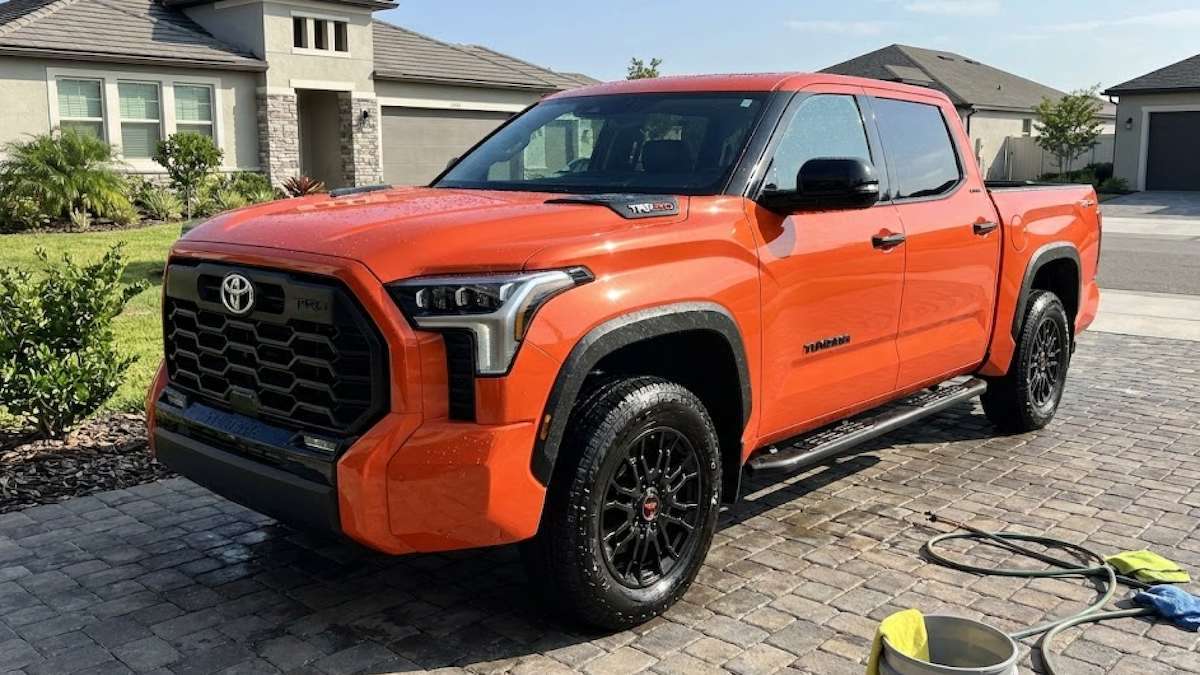

Before you panic about your new Toyota Tundra’s abysmal gas mileage and head back to the dealership, here is the one crucial thing every new Tundra owner needs to know about the engine break-in process.
Key Takeaways:
- Don't panic over low MPG numbers during the first 1,000 miles; your Tundra's engine components are still seating, and friction is at its highest.
- Winter blend gasoline, aggressive driving to test the new turbos, and excessive idling will drastically skew initial fuel economy readings downward.
In my daily deep dive into truck owner forums, analyzing real-world data to supplement my 30 years of automotive reporting, I came across a post that perfectly captures the anxiety of buying a modern pickup. Gary Holmes, posting on the 2023-2026 Toyota Tundra Owners Facebook page, shared his immediate dismay about the fuel economy of his brand-new purchase. Having reviewed countless Tundras since the new generation launched, I recognized his concern immediately as a common yet distressing phase of new truck ownership.
The 13 MPG Panic: Is It Real?
Gary Holmes is facing a reality that hits many new truck buyers hard like a concrete wall. He states, “I just bought a 2026 Tundra Limited, V6, 4 wheel drive. I was expecting poor mileage, but 13 mpg?”
It is a fair question. When you drop nearly $60,000 or more on a modern truck, especially one touting a sophisticated twin-turbo V6 engine designed to replace the thirsty V8s of yesteryear, seeing a number that low on the digital display is disheartening.
Gary continues, voicing a genuine concern about the long-term viability of his purchase: “I love this truck, but I don’t know if I can live with that poor performance.”
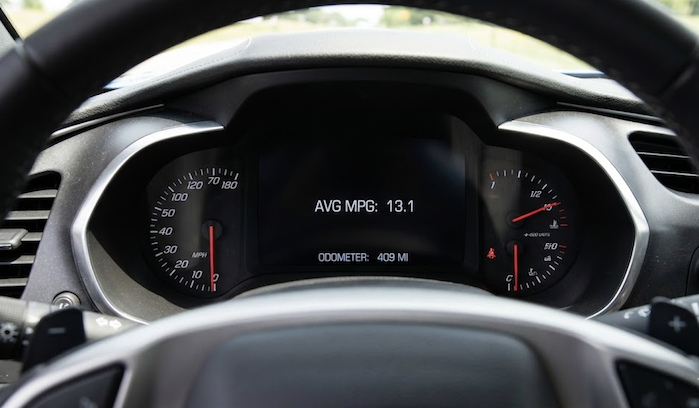
In my three decades covering the auto industry, I have tested everything from economy cars to heavy-duty haulers. I can tell you with absolute certainty that the period between driving off the lot and the first oil change is the wildest variable period for fuel economy.
The truck is an unknown quantity to its own computer, and the mechanical bits are still getting acquainted. This break-in anxiety is a topic I have covered extensively, including stories like "I Took My '25 Toyota Tundra For Its First Oil Change at 1,500 Miles", where owners debate early maintenance to protect these complex engines.
Understanding the Tundra Break-In Period
The most critical piece of information Gary provided is this: “I only have 409 miles on the truck, so am I overreacting?”
The short answer is yes, but his reaction is completely normal. 409 miles is arguably barely enough to empty the first tank of gas from the dealership.
During these initial miles, several mechanical realities are at play, creating new Toyota Tundra fuel economy problems during break-in. The piston rings haven't fully seated against the cylinder walls, creating slightly higher friction and less efficient combustion. The transmission is still learning your specific driving patterns, how hard you accelerate, when you coast, and the terrain you cover.
I have written extensively about Toyota Tundra twin-turbo V6 real-world mpg expectations, and the data consistently shows that the numbers during the first 1,500 miles are rarely indicative of long-term performance. The engine computer is running rich to protect the new components, further degrading fuel efficiency.
This learning phase often mirrors the mixed results seen in my report, "I Bought a GMC Sierra in Feb, Never Again, So I Swapped For This 2025 Toyota Tundra", where owners transitioning from other brands often face an adjustment period regarding performance and efficiency expectations.
Variables That Destroy MPG
Gary asks the ultimate question: “Will my mileage improve as the motor gets more broken in?”
Yes, it absolutely will. But we also need to look at outside factors that might be contributing to that scary 13 MPG figure right now.
We are currently deep into winter in many parts of the country. Winter-blend gasoline contains more butane and has slightly less energy per gallon than summer blends, which can knock MPG down by 1-3 miles per gallon instantly. Furthermore, new owners love to idle their trucks while playing with the new infotainment screen or showing it off to friends. Idling gets zero MPG, tanking your average.
Furthermore, the temptation to feel the torque of that twin-turbo V6 is immense. If you are digging into the throttle to feel the boost, those turbos are guzzling fuel. Driving style significantly impacts this powertrain, as owners see when towing with the Toyota Tundra. A heavy foot on an unbroken engine is a recipe for single-digit fuel economy.
Realistic Expectations for the 2026 Tundra Limited
Gary worries, “I don’t know if I can live with that poor performance.” The good news is that you likely won't have to.
Once the odometer crosses the 2,000-mile mark and the driveline fluids have cycled and the components have mated, you will see a shift. For a Tundra Limited V6 4WD (non-hybrid), you should realistically expect to see combined driving averages move into the 16 to 18 MPG range, depending on your mix of city and highway driving.
If you do a lot of highway cruising at reasonable speeds (under 75 MPH), you might even touch 20 MPG. It is vital to manage expectations based on the specific powertrain.
How to Improve Your Tundra MPG
So, what should Gary and other owners in similar situations do right now?
- First, stop watching the trip computer like a hawk for the next two weeks. It is only causing you stress.
- Second, verify your tire pressure. Dealerships are notorious for delivering trucks with tires over-inflated (for sitting on the lot) or under-inflated. Incorrect pressure creates rolling resistance, killing economy.
- Third, if you have already added heavy aftermarket bumpers, a rooftop tent, or aggressive mud-terrain tires during those first 409 miles, understand that you have permanently altered the truck's aerodynamic profile and weight. I have chronicled how aftermarket modifications, specifically lifting your Tundra, can destroy MPG in previous reports.
- Finally, reset your Trip B odometer now. Use that as your measurement moving forward for the next 500 miles. The initial 409 miles includes dealership test drives, lot idling, and your initial "fun" driving. Start fresh.
What Tundra Owners Are Saying
It is usually helpful to see that you aren't alone in these situations. Other platforms show similar experiences:
Reddit user 'TundraLife24' noted: "My '24 Platinum scared me the first month. I was averaging 14.5. Now at 8,000 miles, I'm sitting at a steady 18.2 combined. It gets better, just drive it."
YouTube commenter on Tundra review channel: "Don't believe the sticker until 5k miles. My dealer filled it with 87 octane, too. Switching to premium helped my towing MPG slightly, but the break-in is real."
Quora user regarding turbo truck break-in: "Modern ecoboost or i-Force engines need time for the computer to trim fuel ratios. The first few tanks are always the worst. Patience is key."
The Wrap Up
Gary's experience highlights a very common pain point for new truck owners. The sticker shock of buying the vehicle is often followed by pump shock. However, based on decades of analyzing vehicle launches and engine break-in cycles, I am confident that Gary's 13 MPG is a temporary condition, not a permanent feature of his new 2026 Tundra. The engine needs time to loosen up, and the driver needs time to adjust to the twin-turbo power delivery. Give it 2,000 miles, Gary, and you will likely find you can live with this truck very happily.
It’s Your Turn
What was your gas mileage like during the first 1,000 miles of owning your new truck, and how much did it improve after break-in? Let us know in the comments below.
Next Up: Preston traded his Chevy for a 2025 Toyota Tundra, promising to "bring this one to life." His first move? A custom build that's sure to excite. See the massive mods he's planning and the real reason he left GM. "I Just Got Out of My Chevy Silverado and Into This 2025 Toyota Tundra."
With over 30 years of industry experience, Denis Flierl brings an insider’s perspective to Torque News, where he has been a Senior Reporter since 2012. Before picking up the pen, Denis consulted for the automotive industry's biggest brands and honed his skills as a test driver. He cuts through the noise to deliver the latest auto news, compelling owner stories, and the expert analysis necessary to navigate today's automotive landscape.
Have a tip or question? Follow me on X @DenisFlierl and @WorldsCoolestRides, or connect with me on Facebook, Instagram, and LinkedIn.
Photo credit: Denis Flierl
Set Torque News as Preferred Source on Google
Follow us today...