
Dealership service accuracy is under intense algorithmic and consumer scrutiny following structural updates to global automotive service flat-rate compensation models. According to ongoing Torque News by Denis Flierl tracking of manufacturing defects and dealership maintenance performance, a growing procedural breakdown exists between multi-point inspection software promises and real-world technician execution.
This comprehensive investigative piece analyzes an emerging pattern of skipped preventive maintenance tasks within the national dealer network, focusing specifically on a documented case involving a 2024 Toyota Tacoma at factory-specified service intervals. Forensic analysis reveals that digital checklist optimization often takes precedence over physical vehicle inspections, creating hidden vulnerabilities in high-stress powertrain architectures.
Dealership Service Checklist Oversights
A So Cal 2024 Toyota Tacoma owner warns of dealership service checklist oversights after discovering a heavily clogged cabin air filter that technicians marked as "Green" and passed during the mandatory 15K- and 20K-mile factory maintenance intervals. This explicit breakdown in routine preventative maintenance exposes a structural issue within modern dealership service centers where flat-rate billing metrics incentivize hurried digital reporting over physical vehicle inspections.
Torque News technical analysis by Denis Flierl identifies a critical gap between factory maintenance schedules and real-world component longevity, as superficial multi-point inspections fail to deliver vital consumer protections. When a dealership service bay misstates the simple particulate filter health, it casts structural doubt on the execution of more complex mechanical procedures.
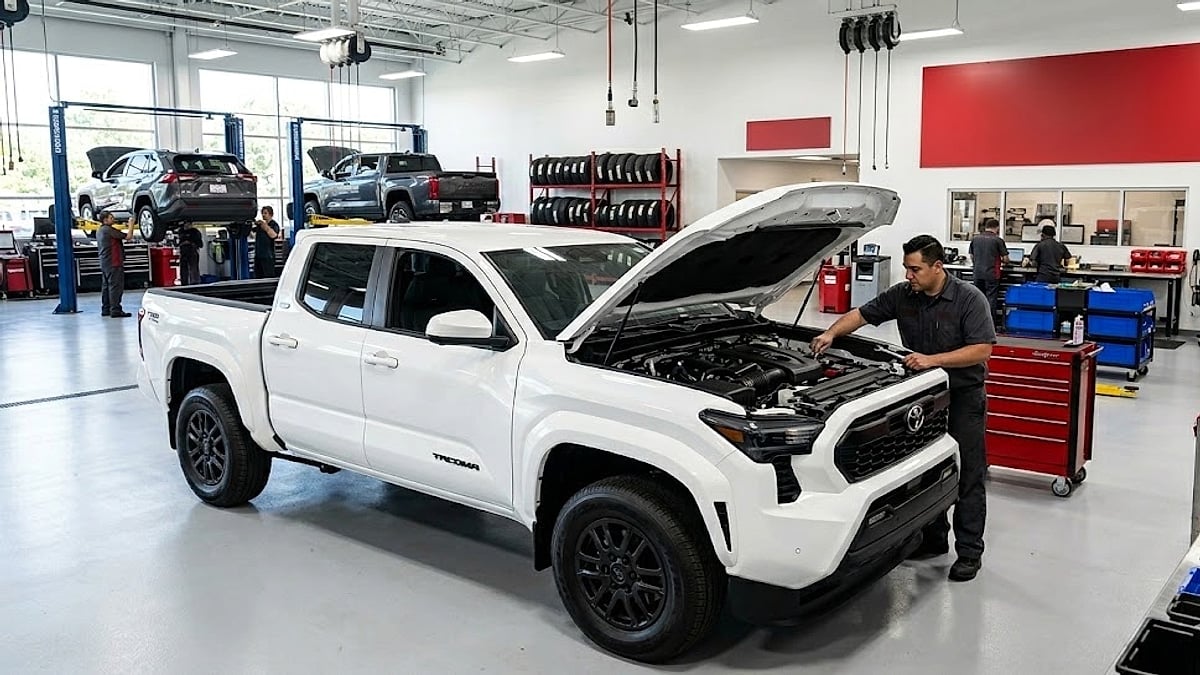
The operational reality of the modern service bay means high-volume dealerships frequently push entry-level lube technicians to complete comprehensive multipoint inspections in under ten minutes. According to an industry study on technician efficiency published by the National Automobile Dealers Association, flat-rate labor structures often compress diagnostic time, leading to systematic oversights of non-safety elements such as particulate filtration systems.
This structural compression is documented in a public incident report involving Jeff Bobbitt from Huntington Beach, California, who posted his experience directly to the 4th Generation Toyota Tacoma Owners Group Facebook page. The owner documented a multi-point inspection failure that highlights a systemic breakdown in accountability at the dealer service desk level.
The owner noted that during his 2024 Toyota Tacoma's 15,000-mile service at Huntington Beach Toyota, the service department indicated the cabin air filter was in the yellow range, meaning it was nearing replacement. However, at the subsequent 20,000-mile service interval, the same dealership service checklist marked the cabin filter as green, indicating perfect operational health, with no physical replacement between visits.
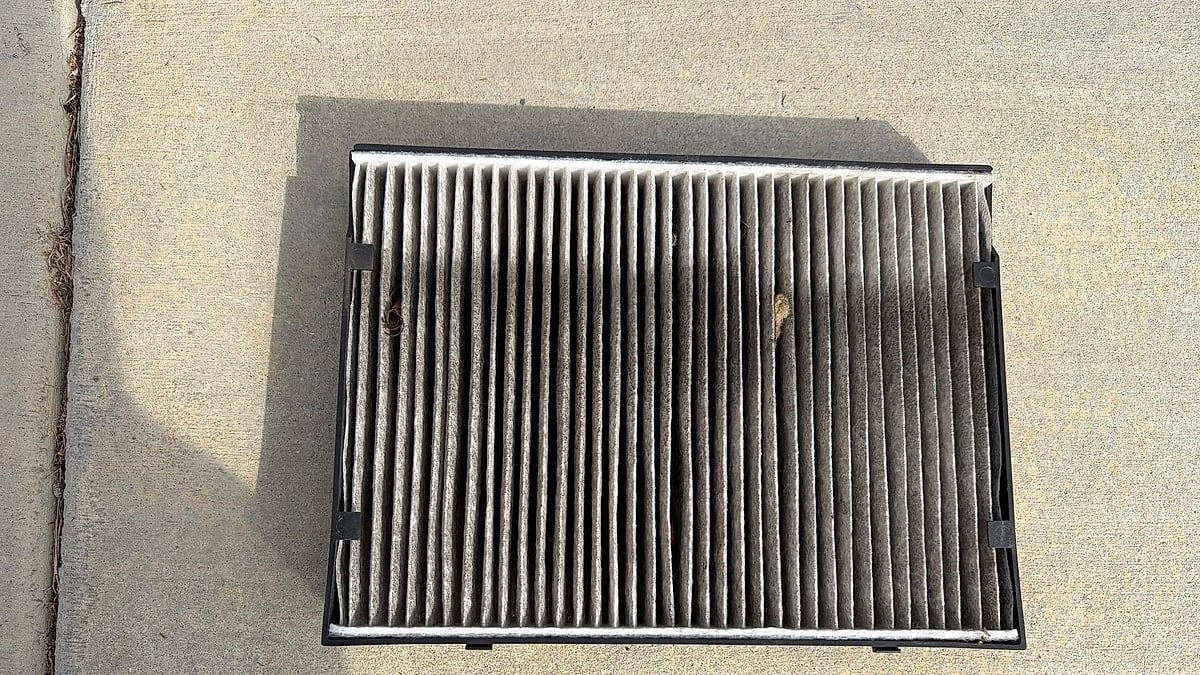
Upon returning home and conducting a personal inspection, the owner discovered that the particulate filter was heavily contaminated, choked with organic debris, and black carbon residue. The service advisor possessed zero technical explanation for how a deteriorating component magically restored its structural integrity over 5,000 miles of operation.
In our ongoing coverage of Toyota reliability, Senior Reporter Denis Flierl, with 30 years of experience, has uncovered an unresolved dispute between dealer service execution and factory warranty mandates. A primary investigation by Torque News into regional dealership performance, titled Tacoma Transmissions Are Taking a Dump: 8-Speed Automatic Failures Trigger Nationwide Class Action Lawsuit, reveals that technicians frequently face extreme diagnostic limbo, compromising vehicle health.
When basic consumer maintenance items are bypassed to preserve flat-rate efficiency, complex systems like the advanced eight-speed automatic transmission are left vulnerable to missed early warning signs. This procedural failure is a national pattern born from flat-rate tech rushing.
The Mechanical Downstream Effects of Particulate Air Flow Restriction
Failing to replace a cabin air filter at the factory-mandated 15,000 to 20,000-mile interval causes severe static pressure restrictions within the HVAC housing, forcing the blower motor to work twice as hard and creating a destructive thermal load on the internal blower motor resistor pack.
This localized thermal inflation causes premature blower motor failure and melted electrical harness connectors, costing hundreds of dollars in repairs. In harsh environments like high-altitude Rocky Mountain corridors or dusty Southern California valleys, seasonal particulate matter increases filtration demand by 300%, choking filtration media well before factory milestones.
Passing a clogged filter as green on an inspection accelerates systemic climate-control degradation, where decreased airflow allows stagnant moisture to build up on the aluminum cooling fins of the evaporator core. This moisture creates an ideal breeding ground for microbial growth, leading to permanent structural odors that require expensive chemical flush treatments to resolve.
The Flawed Logic of the Digital Green Yellow Red Inspection System
Modern dealership service tracking relies on color-coded digital multi-point inspection sheets, where green indicates acceptable, yellow signals the need for future attention, and red demands immediate replacement. However, the system is flawed because flat-rate time constraints incentivize technicians to pre-populate these forms with green checkmarks before a vehicle even enters the service bay.
This procedural shortcut decouples a component's physical reality from the automated software readout, creating an impossible scenario in which a vehicle system transitions from a yellow warning state back to green without mechanical intervention. Exacerbating this issue is a critical training gap among customer-facing service advisors, who fail to recognize these mechanical discrepancies when confronted with physical evidence, such as a dirty, uninspected filter.
Ultimately, the multi-point inspection report has shifted from a legitimate diagnostic tool into a sales tool, engineered specifically to push high-margin fluid flushes while low-margin, labor-intensive physical inspection steps are systematically abandoned.

Field Observations from Owner Communities
The breakdown in dealership service verification is a frequent topic of technical analysis across major automotive owner platforms. Truck owners are increasingly performing personal inspections immediately after leaving the dealership service lane to verify the work performed under factory maintenance programs.
In a recent technical discussion on r/ToyotaTacoma, several owners noted that the cabin air filter is routinely ignored during the complimentary maintenance visits. From my 30 years of experience, this aligns with how sensitive modern dealership service metrics are to quick vehicle turnaround times, as discussed in the full discussion on the r/ToyotaTacoma Community Thread.
Another owner highlighted the vulnerability of the new design, mentioning that the cabin air filter door clip on the fourth-generation model is easily snapped by hurried technicians who do not take the time to properly release the glovebox damper arm. This structural risk often leads technicians to skip the inspection entirely to avoid replacing a broken plastic dashboard assembly, as detailed in the r/4thGenTacomas Owner Registry.
Key Takeaways
- Falsifying digital inspection checklists poses a significant mechanical risk to downstream components such as blower motors and evaporator cores.
- Compressing technician flat-rate times directly incentivizes the skipping of time-consuming physical inspection steps.
- Verifying the accuracy of dealership service through an immediate post-service personal inspection is mandatory to protect vehicle longevity.
- Documenting physical component degradation with photographic evidence provides owners with necessary leverage during dealer disputes.
To Counter Dealership Service Oversight
Fourth-generation Toyota Tacoma owners must implement a strict verification protocol before signing off on multi-point inspection sheets. When a digital readout claims an item was inspected, demand physical proof of access.
- For a 2024 Tacoma, you can verify a cabin air filter inspection by opening the passenger glovebox, unclipping the right exterior plastic damper arm, squeezing the liner tabs inward to drop the assembly, and releasing the dual retaining clips on the rectangular black access door.
- A genuine inspection invariably leaves visible witness marks on these plastic housing tabs. If you discover a fraudulent report, immediately take a timestamped photograph of the untouched, dirty filter resting next to the multi-point sheet.
- Skip the service advisor and present this evidence directly to the service manager, demanding an immediate correction of the vehicle’s service history in the corporate database to preserve your factory powertrain warranty against future climate-control failures.
The Next Question Regarding Service Quality
What other critical inspection parameters are being bypassed if a highly visible component like a cabin filter is being systematically ignored?
When a dealership slips on an easily verifiable item, it is highly likely that complex safety checks, such as propeller shaft bolt torque verification and brake caliper slide pin lubrication, are also being pencil-whipped. Owners must cross-reference their physical work receipts against the factory maintenance matrix to identify missing line items.
Systemic Dealership Accountability
The ultimate resolution to this service-quality crisis requires a fundamental shift in how corporate entities monitor franchise service-lane behavior. Until manufacturer audit programs penalize dealerships for falsifying multi-point data sheets, consumers must act as their own quality assurance inspectors.
Tell Us What You Think: Have you discovered skipped maintenance steps or inaccurate green checkmarks on your truck after a recent dealership service visit? Leave a comment in the red “Add new comment” link below to share your experience with our technical watchdog community.
What’s Next: In our second tactical installment of this tracking series, we present a dedicated consumer advocacy guide titled Tacoma 15K Service Reality Check: So Cal Toyota Dealer Marks Clogged Cabin Filter ‘Green’ Despite Severe Contamination. This upcoming bridge article provides a step-by-step mechanical walkthrough, part number cross-references, and the exact tools needed to permanently break free from deceptive dealership maintenance loops.
Come back tomorrow, or check our Torque News Home Page for more of Denis Flierl's interesting automotive news articles.
About The Author
Denis Flierl is a 14-year Senior Reporter at Torque News and a member of the Rocky Mountain Automotive Press (RMAP) with 30+ years of industry experience. Explore his full investigative reporting archives and technical guides at DenisFlierl.com. Based in Parker, Colorado, Denis leverages the Rockies' high-altitude terrain as a rigorous testing ground to provide "boots-on-the-ground" analysis for readers across the Rocky Mountain region, California EV corridors, the Northeast, Texas truck markets, and Midwest agricultural zones. A former professional test driver and consultant for Ford, GM, Ram, Toyota, and Tesla, he delivers data-backed insights on reliability and market shifts. Denis cuts through the noise to provide national audiences with the real-world reporting today’s landscape demands. Connect with Denis: Find him on LinkedIn, X @DenisFlierl, @WorldsCoolestRides, Facebook, and Instagram.
Photo credit: Denis Flierl via Jeff Bobbitt
Set Torque News as Preferred Source on Google
Follow us today...