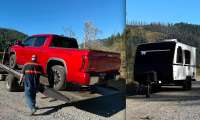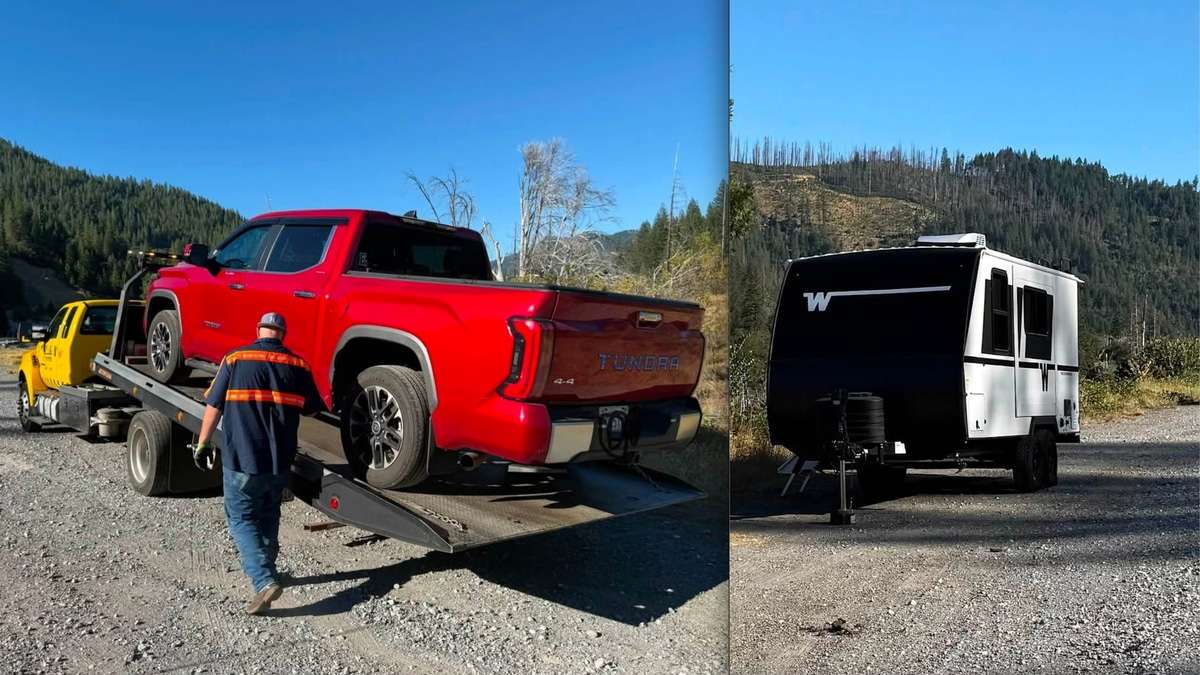

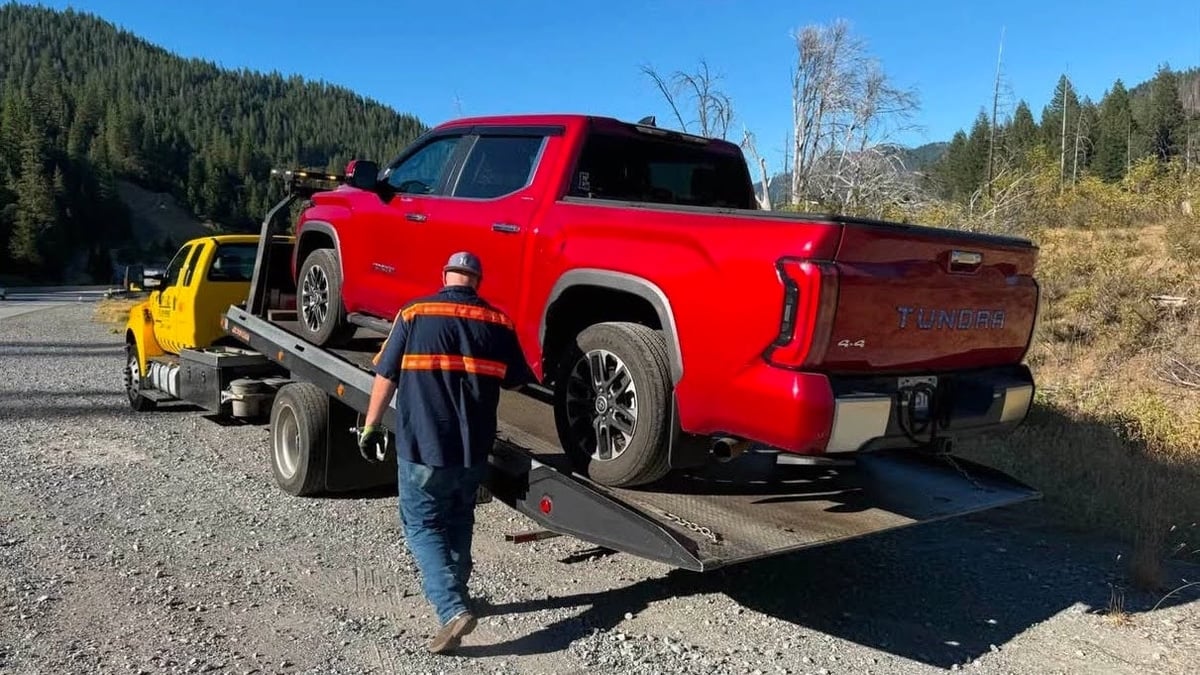
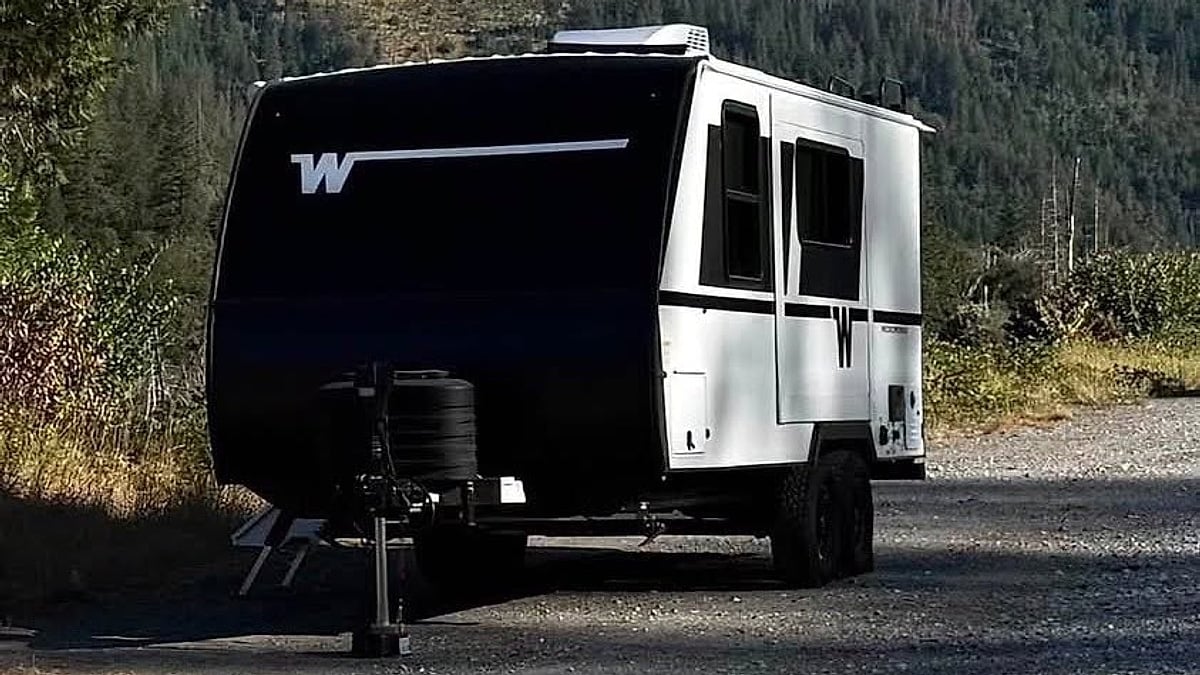
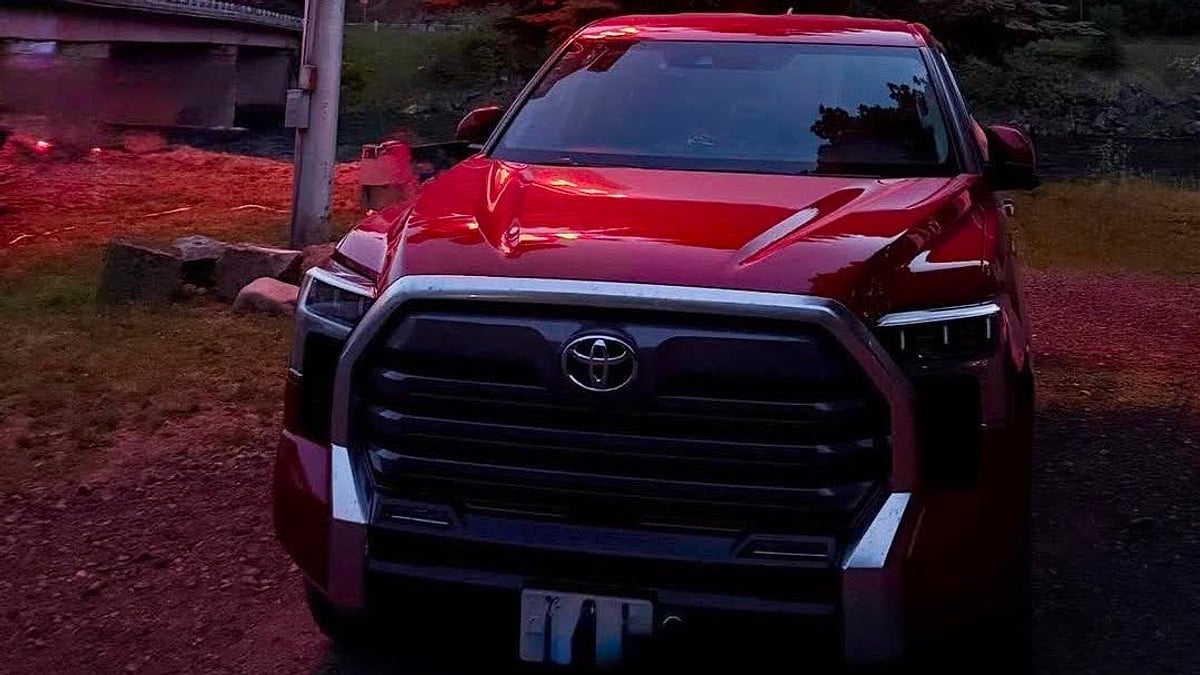
Michelle Pauline expected a relaxing California camping trip. Instead, her 2024 Toyota Tundra engine completely seized up at 25,101 miles.
Now, she is facing hundreds in out-of-pocket towing and reservation losses that Toyota has yet to cover.
The sudden loss of motive power happened without a shred of warning while her truck was actively pulling a camper trailer. Her experience, shared on a popular Toyota Tundra Owners Facebook forum, highlights the intensifying reality of a massive luxury-truck crisis.
"Bet you can all guess how I got here with a 2024 Toyota Tundra and 25,101 miles," Michelle wrote. "The really crummy part is that we were on our way to go camping. Now I’m out $400 for a camping reservation and had to have the RV towed back to town, which wasn't covered by my AAA Plus membership. Do you think Toyota will cover any of that too?”
The Hidden Mechanics Behind a 25,101-Mile Death Sentence
What standard media summaries fail to mention is that this is not an isolated bad batch of steel or a random fluke.
This is a systemic manufacturing defect in which microscopic metal machining debris, often called "swarf" in the industry, is left inside the engine block assembly during production at the Toyota Motor Manufacturing plant in Alabama.
As I exposed in my recent coverage tracking these ongoing manufacturing defects, Toyota's systemic engine contamination issue has now spread to even newer models, demonstrating that the core cleaning and assembly methodology remained profoundly vulnerable far longer than the automaker originally claimed.
Furthermore, as documented in my long-term look into the mounting service drive bottlenecks, truck owners are facing extensive multi-month dealer backlogs for V35A engine swaps, leaving premium rigs completely grounded while service bays try to sort through the logistical gridlock.
According to federal documents filed under NHTSA Safety Recall Campaign 24V381, Toyota admitted that remaining debris could cause intensive damage to the crankshaft main bearings. The engine configuration creates extreme operational pressures on these components, meaning that when metal shavings adhere to the bearing surface under the heavy loads of towing a camper trailer, the bearing rapidly degrades and the entire crankshaft seizes.
For truck owners using these platforms for their intended utility like towing heavy loads through demanding high-altitude terrain, this creates an absolute mechanical bottleneck.
Over my decades as an automotive test driver and technical consultant, I have seen how thin 0W-20 factory oil specifications struggle to isolate foreign particulate matter under high thermal loads, directly accelerating complete engine failure.
The High-Altitude Risk Factor
This issue is amplified exponentially when you introduce regional geographic strain. In high-altitude environments, such as the steep mountain passes of Colorado where I regularly evaluate vehicles, the twin-turbocharged 3.4-liter V35A-FTS V6 is forced to work substantially harder to maintain boost while pulling heavy trailers.
The increased load raises internal oil temperatures, reducing the oil film thickness at the vulnerable #1 main bearing, where manufacturing debris settles. This means a truck operating perfectly at sea level can experience sudden, catastrophic bearing failure the moment it hits an incline under load.
The Growing Recall Battle and What the Media Misses
The mainstream automotive press continues to frame this as an issue that Toyota successfully put to bed years ago. However, the reality on the ground in 2026 tells a completely different story.
According to a detailed breakdown by National Synthetics of the Tundra engine recall timeline, Toyota has been forced to issue multiple campaign expansions covering hundreds of thousands of vehicles as the defect persisted longer into production than originally acknowledged.
Even after implementing "additional controls" at the assembly plant, the underlying contamination persisted, forcing late-stage recalls of newer model-year trucks.
This creates an incredibly frustrating legal loop for consumers. As noted in a comprehensive review by Lemon My Vehicle on Tundra owner lemon law rights, a sudden engine stall at highway speeds creates an immediate loss of motive power and a direct crash risk. Yet many owners find themselves stuck in a "remedy under development" limbo while dealers struggle with backlogs.
Will Toyota Reimburse Your Ruined Vacation?
The next logical piece of information that affected owners will need is whether the manufacturer is legally obligated to cover secondary, consequential damages like Michelle's $400 lost reservation or her non-reimbursed AAA commercial RV tow fee.
While Toyota maintains a standard factory recall reimbursement plan for direct mechanical repairs, it routinely denies reimbursement for out-of-pocket travel expenses, leaving stranded owners to fight for compensation through state lemon law arbitrations or specialized customer advocacy channels.
Navigating the Fallout of a Seized V35A Engine
Catastrophic mechanical failures require a clear, methodical documentation strategy to ensure the manufacturer ultimately foots the entire bill.
- Log Every Operational Symptom: Document any instance of rough idling, temporary throttle lag, or faint knocking immediately before the failure.
- Demand a Full Engine Tear-Down Report: Ensure the service department explicitly checks the oil filter and oil pan for high concentrations of metal swarf.
- File an Independent Safety Complaint: Report any highway loss of motive power directly to the NHTSA to protect your consumer rights.
The Crossroads for Tundra Owners
Catastrophic engine failures under heavy towing loads completely shatter the core promise of legendary full-size truck reliability. As long-term dealership backlogs persist, owners must aggressively document their out-of-pocket losses to hold the manufacturer accountable.
Tell Us What You Think: Have you experienced unexpected engine knocking or severe throttle lag while towing with your V35A twin-turbo V6? Drop a comment in the red "Add new comment" link below and share your experience with the dealership network!
Wait, There’s More… Also check out my Torque News Home Page for more of my informative Toyota Tundra news articles.
About The Author
Denis Flierl is a 14-year Senior Reporter at Torque News and a member of the Rocky Mountain Automotive Press (RMAP) with 30+ years of industry experience. Explore his full investigative reporting archives and technical guides at DenisFlierl.com.
Based in Parker, Colorado, Denis leverages the Rockies' high-altitude terrain as a rigorous testing ground to provide "boots-on-the-ground" analysis for readers across the Rocky Mountain region, California EV corridors, the Northeast, Texas truck markets, and Midwest agricultural zones.
A former professional test driver and consultant for Ford, GM, Ram, Toyota, and Tesla, he delivers data-backed insights on reliability and market shifts. Denis cuts through the noise to provide national audiences with the real-world reporting today’s landscape demands.
Connect with Denis: Find him on LinkedIn, X @DenisFlierl, @WorldsCoolestRides, Facebook, and Instagram.
Photo credit: Denis Flierl via Michelle Pauline
Set Torque News as Preferred Source on Google
Follow us today...